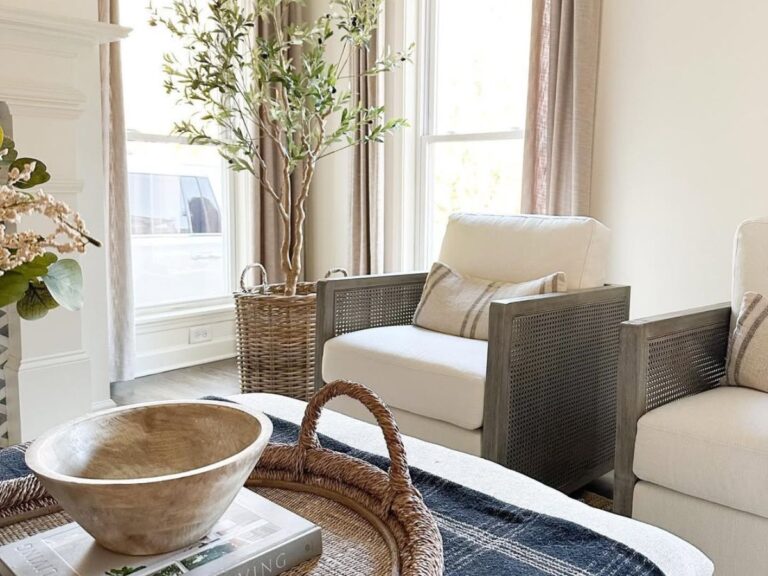
Galentine’s Party Decor That Makes the Night Feel Special
Galentine’s night always feels different from birthdays or holiday dinners. It is softer. Slower. More about staying than impressing. If you have ever hosted one that looked great in photos but felt oddly stiff once everyone arrived, you already know the disconnect.
I learned that lesson early. The decor was there, but the feeling was not. What finally clicked for me was this: decorating for a Galentine’s night is not about filling a room or following a theme.
It is about shaping how people feel once they sit down, kick off their shoes, and start talking.
The good news is that this does not require a big budget or extra space. With a few intentional shifts, even a small living room can feel warm, inviting, and personal.
Here is how to set up Galentine’s party decor that makes the night feel special and keeps everyone lingering longer than planned.
Start with one visual moment, not the whole room

The first mistake I used to make was trying to decorate every corner. It felt busy, and nothing stood out.
Guests would walk in, glance around, and then drift without settling. The nights that felt right always had one spot that quietly set the tone the moment people arrived.
That spot does not need to be dramatic. It might be the dining table, a coffee table near the couch, or a cleared kitchen island where drinks naturally gather. When one area feels intentional, the rest of the room relaxes around it.
Better Homes & Gardens explains that a focal point helps organize a space by giving the eye somewhere to land, which makes a room feel calmer and easier to take in.
Here’s something you can do tonight: choose one surface and style only that. Clear the others so nothing competes for attention. Guests instinctively gravitate to the styled area, which helps the night unfold without you directing it.
That single visual pause sets the mood. What truly changes how long people stay, though, is what happens once the lights come on.
Soften the lighting before anything else
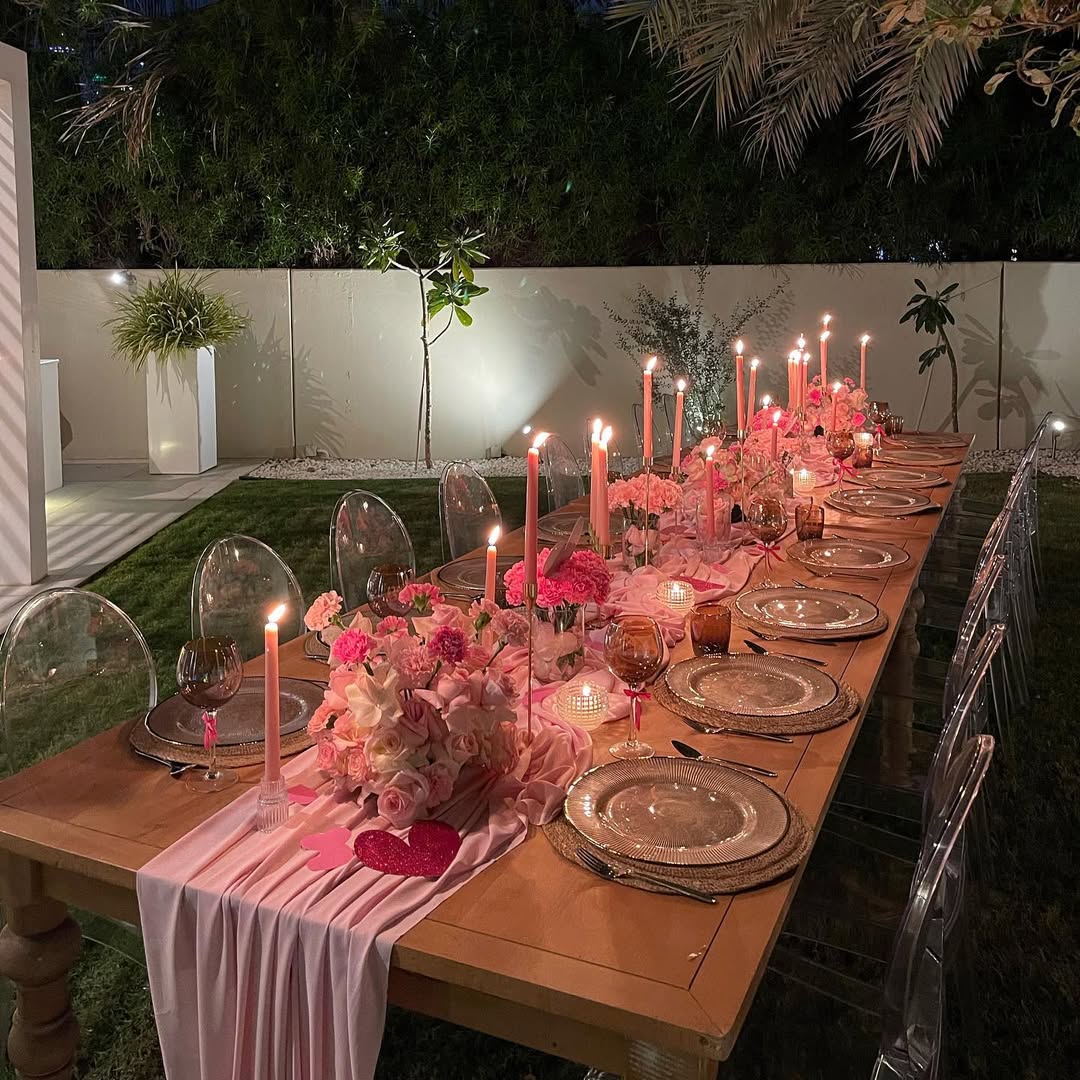
Lighting does more emotional work than flowers or tableware ever will. I stopped using overhead lights for Galentine’s nights after noticing how quickly conversations faded under bright bulbs. People stayed polite, but no one really settled in.
The Spruce points out that warmer lighting helps guests feel relaxed and encourages them to linger, which matches exactly what I noticed at home. Once I switched to lamps and candlelight, people stayed longer without checking the time.
A Martha Stewart hosting guide even shares advice from event planners who prefer indirect lighting and candles over ceiling lights because it softens both the space and the energy in the room.
Try this simple shift: turn off the main light, place two lamps at opposite ends of the room, and add candles low on tables or shelves. Then stop. When lighting feels gentle, voices lower and people lean in without thinking about it.
Once the room feels softer, how you arrange seating becomes the next quiet signal that this night is meant to be shared.
Arrange seating so people lean in, not back
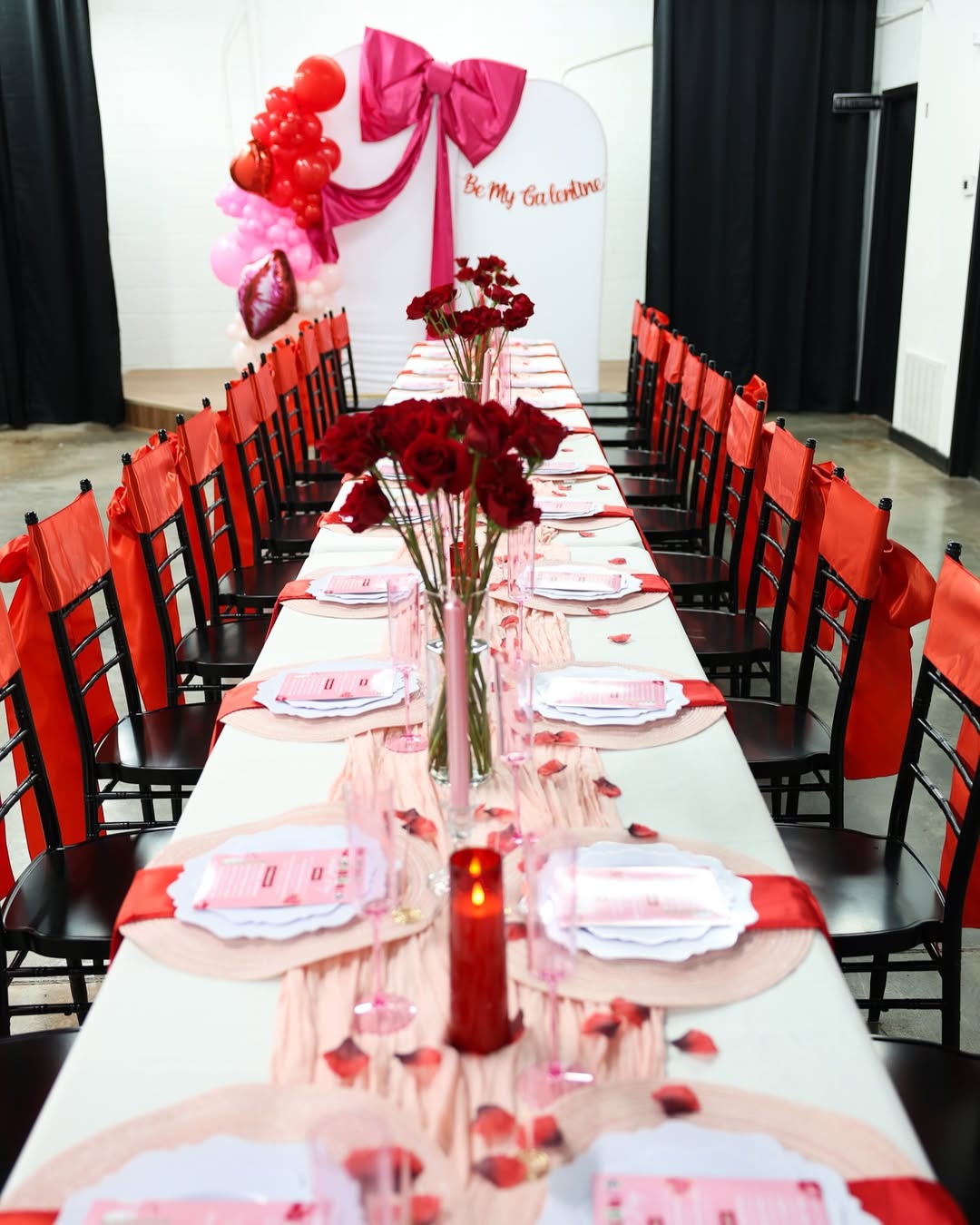
I once hosted a Galentine’s night where everyone sat evenly spaced on separate chairs. Conversation stayed polite and surface-level. The next time, I pushed the chairs closer together and added a few floor cushions near the coffee table. People leaned in without realizing it, and the night felt warmer almost immediately.
Seating sends a quiet message. When people sit too far apart, they talk less. When they sit closer, conversations stretch naturally.
Real Simple shares designer guidance on leaving enough room to move around furniture while still keeping seating close enough to feel connected. That balance keeps a room comfortable without feeling distant.
If space is tight, flexibility matters more than matching furniture.
Apartment Therapy suggests reassigning furniture roles so rooms can shift as the night goes on. A dining table can act as a side station, and extra chairs can line a wall until they are needed. That approach makes smaller homes feel ready for guests instead of crowded.
Here’s an easy adjustment to try: pull seating closer than you normally would and leave one clear walking path through the room. People feel comfortable settling in when they know they can move around without asking.
Once seating feels inviting, the table becomes the natural place where everyone gathers.
Style the table for conversation, not display
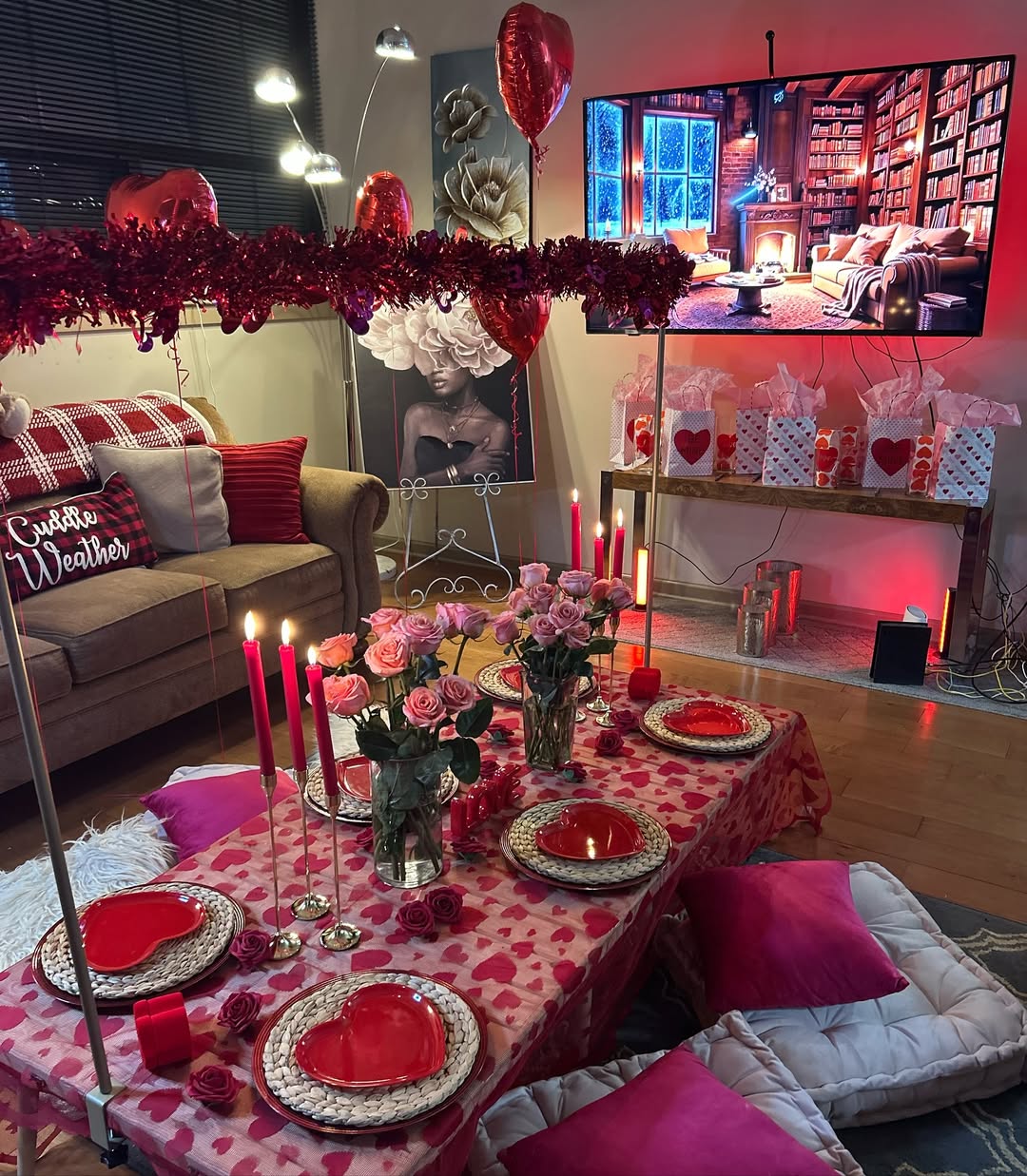
This was another lesson I learned the slow way. I used to set tall centerpieces that looked great at first glance. Then I noticed guests leaning left and right just to talk. That small interruption kept breaking the flow.
Homes & Gardens points out that table styling should never block conversation during gatherings. Lower arrangements and open spacing keep people focused on each other instead of navigating around decor.
House Beautiful echoes the same advice, recommending centerpieces that stay low so guests can see and talk across the table with ease.
What works best in real homes is restraint. One low arrangement, a few candles, and open space left on purpose. That empty space invites plates, shared snacks, and casual movement without anyone worrying about disturbing the setup.
When the table feels usable instead of precious, guests relax. That is when personal touches start to matter.
Add details that start stories

The moments people remember rarely come from store-bought decor. They come from small touches that spark stories. I once placed a stack of printed phone photos from old trips on the table. We planned to look at them for a minute. Instead, we spent nearly an hour laughing before dessert even came out.
That is why personal details matter. Handwritten notes, shared photos, or even a playlist title card that hints at an inside joke give guests something to respond to without being prompted. These details do not decorate the room as much as they activate it.
Keep them light. One or two touches are enough. When there are too many, attention shifts away from people and toward the setup itself.
As the night settles in, scent can quietly support the mood when it is handled with care.
Use scent sparingly and place it with care
Scent stays with people longer than visuals, which is why restraint matters. A subtle candle near the entry or a light diffuser placed away from food works better than fragrance spread throughout the room.
I always place scent slightly off to the side, never on the table or near serving areas. That placement lets it drift naturally through the space without competing with conversation or meals.
If guests notice the scent without commenting on it, you have done it right. The goal is comfort, not announcement.
With atmosphere set, the last thing that matters is allowing the night to move naturally.
Let the setup change as the night unfolds
The best Galentine’s nights never stay frozen. People shift from the table to the couch. Plates stack. Glasses move. Decor should allow that motion without feeling fragile or precious.
Leave room to push items aside. Choose pieces that can be moved without disrupting the mood. When the setup adapts easily, guests relax and the host stops hovering.
That ease is what lets the night breathe.
Why the night stays memorable
What I have noticed over time is simple. When decor supports connection instead of calling attention to itself, people linger. Conversations stretch. Laughter comes easier.
You do not need more items or bigger statements. You need fewer choices that make your friends feel welcome the moment they walk in and comfortable enough to stay longer than planned.
That feeling is what they carry with them long after the candles burn out.
Even with the right setup, most hosts have the same quiet doubts before friends arrive. Small spaces, timing, and how much effort is enough all tend to linger in the back of your mind.
These answers are here to settle that so you can enjoy the night as much as your guests do.
Frequently Asked Questions
What if my space is really small?
A smaller space often works in your favor. When seating is closer and lighting is softer, conversation flows more naturally. Focus on one styled surface and clear the rest so the room feels open and easy to move through.
Do I need to buy anything new for Galentine’s party decor?
Not at all. Some of the most memorable nights come from using what you already own. Lamps, candles, photos, and everyday tableware usually do more for the mood than anything bought last minute.
How early should I set everything up?
Set up the main pieces earlier in the day so you are not rushing. Leave the final touches, like lighting and candles, for just before guests arrive. That way the room feels fresh without adding stress.
What if everyone arrives at different times?
A flexible setup helps here. Keep seating open, leave space on the table, and avoid anything that feels fixed in place. Early arrivals can settle in without feeling like they are interrupting the night.