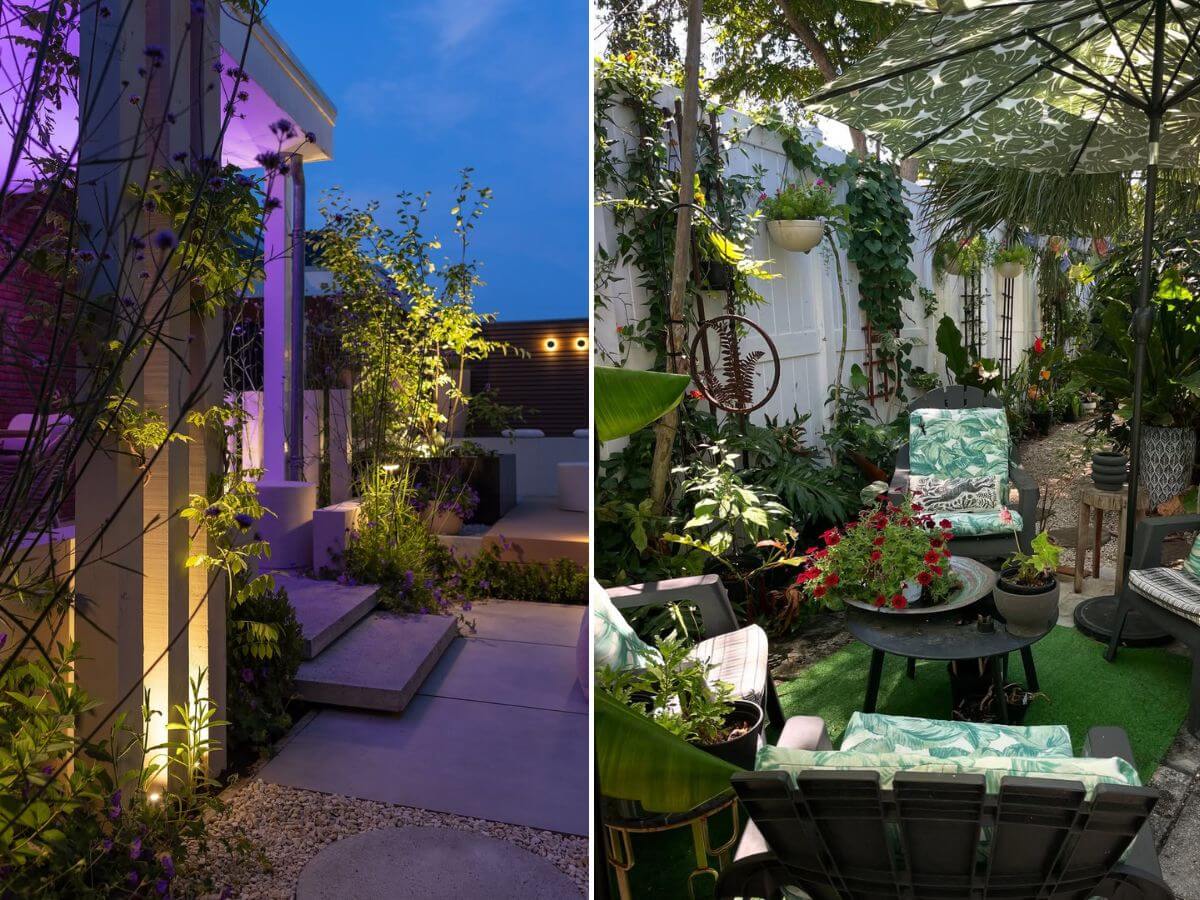
Garden and Outdoor Ambience Ideas That Make Your Space Feel Relaxing
I used to think my outdoor space just needed better furniture.
So I kept adding things. A chair here. A plant there. A light in the corner. It looked better each time, but something still felt off.
It never felt like a place I actually wanted to sit and stay.
If your outdoor space looks fine but doesn’t feel relaxing, you’re not alone. A lot of setups end up this way, even when everything looks done.
That’s because most spaces focus on how they look, not how they feel when you’re actually in them.
That’s when I stopped adding random pieces and started paying attention to the mood of the space.
Here is where things start to change.
Once you adjust a few key elements, your garden or outdoor area starts to feel calmer, softer, and far more inviting. The kind of space you naturally walk into and don’t want to leave.
Even a small balcony or patio can feel like that.
And the best part? You don’t need a full makeover. You just need a few things working together.
Start With Lighting (This Sets the Entire Mood)
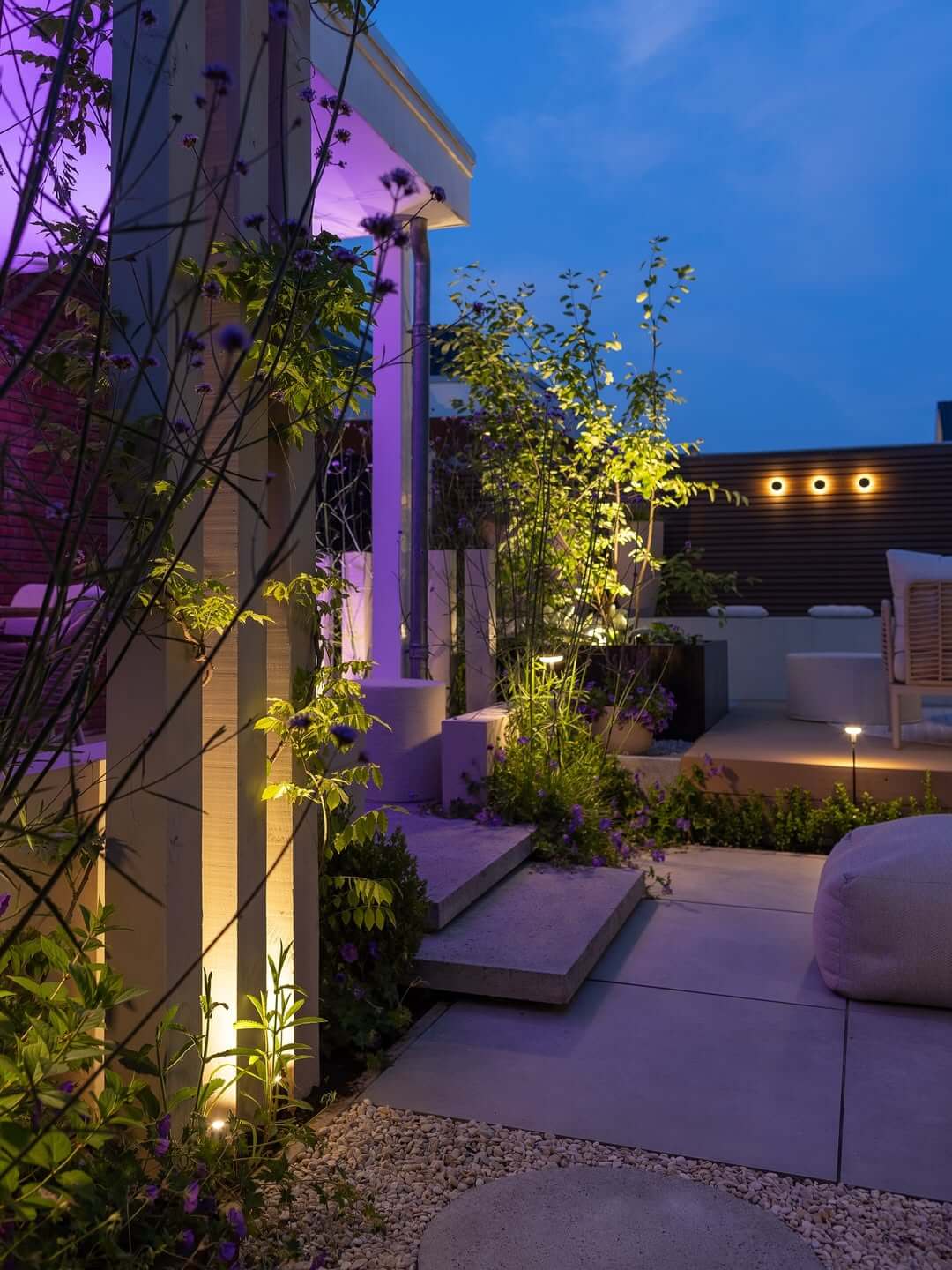
The first thing that changed everything for me was lighting.
I used to rely on whatever light was already there. A harsh bulb or a bright outdoor fixture. It did the job, but it didn’t feel good.
Once I switched to softer, warmer lighting, the entire space changed.
It felt calmer. More relaxed. Somewhere I actually wanted to sit in the evening.
And there’s a reason for that.
As shared by The Spruce, “The best lighting for a garden is a mix of warm, ambient light and bright, cooler light.”
That balance matters.
Start simple. Add one warm light source. A string light, a small lamp, or even a solar light in a corner.
That alone can change how your space feels.
Once lighting feels right, everything else starts falling into place.
Create a Comfortable Seating Spot You’ll Actually Use
I had seating before. But I rarely used it.
It looked good, but it wasn’t comfortable. And if a space isn’t comfortable, you won’t spend time there.
That’s when I stopped focusing on how it looked and started focusing on how it felt.
A simple chair with a cushion made more difference than an entire setup that wasn’t inviting.
You don’t need multiple seating areas.
Start with one spot you enjoy sitting in. Add a cushion, maybe a throw, and place it where the light feels right.
Now your space isn’t just something you see. It’s something you use.
Let’s make that feeling even stronger.
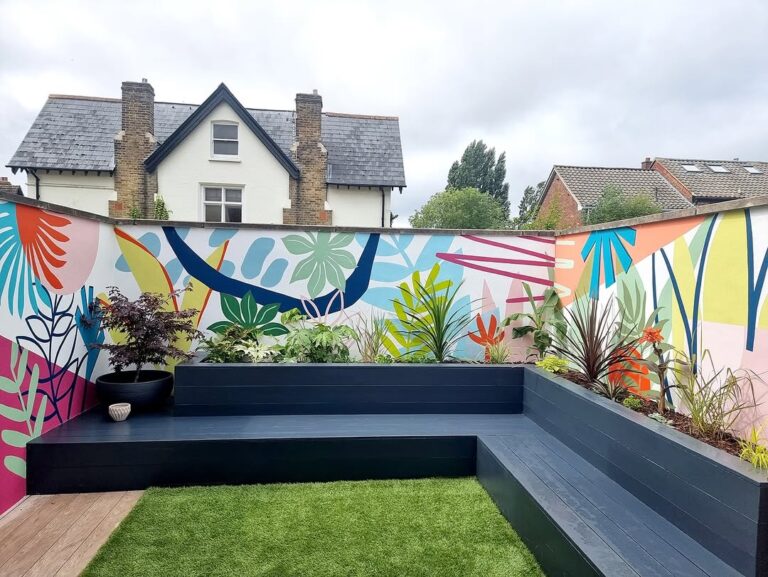
Use Plants to Soften and Calm the Space
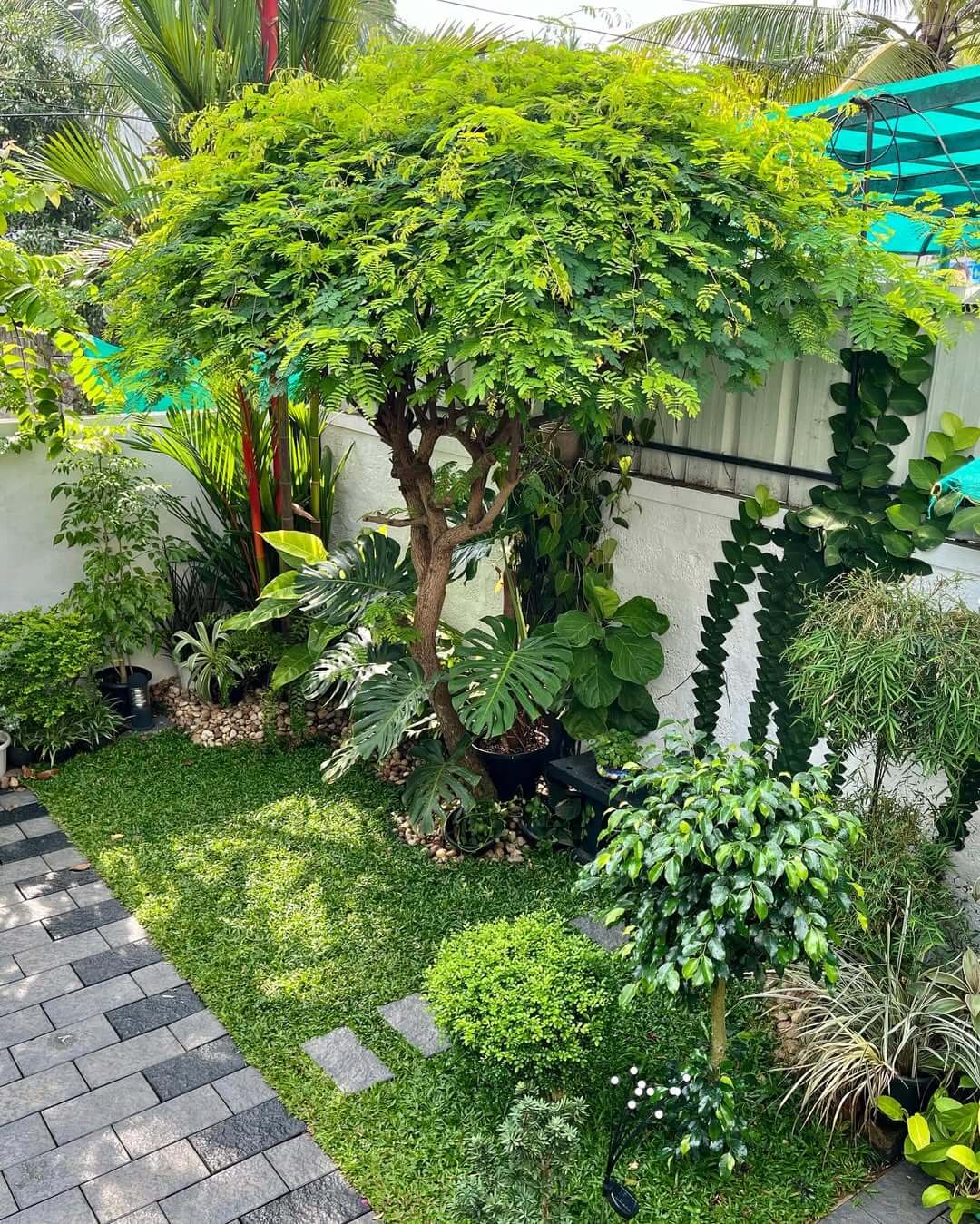
Plants change how a space feels almost instantly.
Not by filling it, but by softening it.
I used to spread plants out randomly. One here, one there. It didn’t create any real effect.
Once I grouped them, everything shifted.
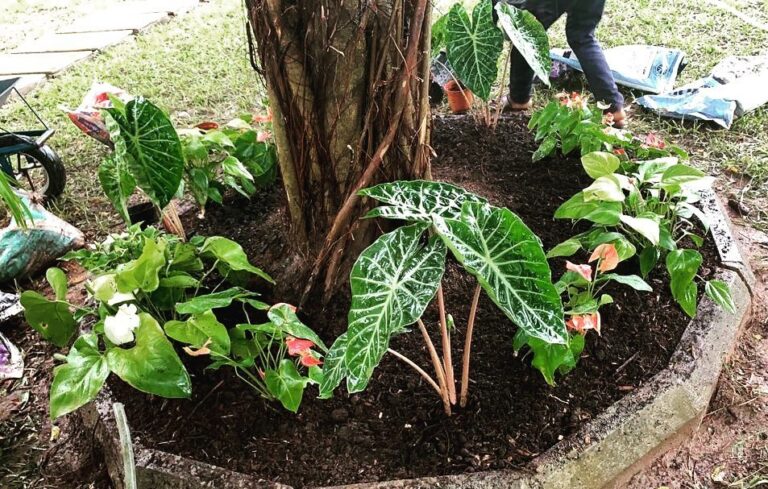
Clusters of greenery made the space feel calmer and more connected.
You don’t need a lot.
Start with a small group. Mix heights. Let some plants sit lower, others slightly higher.
That layering creates a natural feel without overcrowding.
Now let’s fix something that quietly ruins ambience.
Reduce Clutter to Make the Space Feel Open
This was the hardest change for me.
I thought adding more would make the space better.
It didn’t.
Too many elements made everything feel tight and busy. Even when each piece looked nice on its own.
So I started removing things.
One extra pot. One unused chair. One decoration that didn’t add much.
And suddenly, the space felt lighter.
Open space isn’t empty. It’s what allows everything else to stand out.
If your space feels overwhelming, don’t add anything.
Take something away.
Now let’s build the space in a way that actually feels complete.
Add Layers Instead of Filling Space
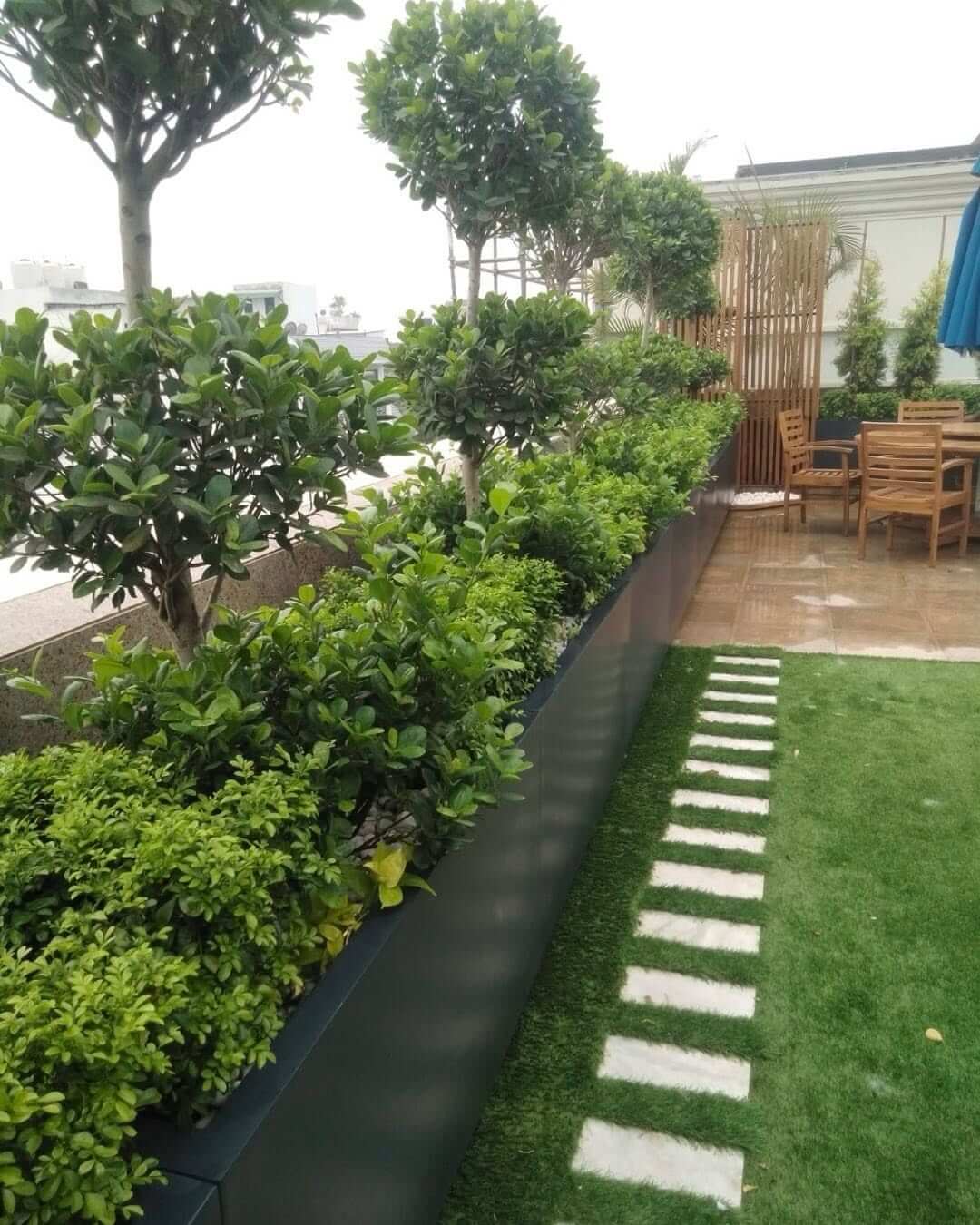
This is where ambience really comes together.
It’s not about adding more. It’s about combining a few elements the right way.
Lighting. Seating. Plants. Maybe a small surface or texture.
As noted by Better Homes & Gardens, “Create an inviting setting by blending outdoor furniture, decor, landscaping, and elements that fit your style and preferences.”
That idea changed how I approached everything.
Instead of filling space randomly, I started layering.
One light. One seating spot. One group of plants.
That’s enough.
Now the space starts to feel intentional.
Use Natural Elements to Make It Feel Grounded
There’s something about natural materials that instantly makes a space feel calmer.
Wood. Stone. Clay. Even small touches.
I added a simple wooden tray to my setup once. It didn’t change much visually, but it made the space feel warmer.
You don’t need to redesign everything.
Just add one natural element.
It helps your space feel less artificial and more relaxed.
Now let’s make sure your space works beyond just daytime.
Make It Work for Your Evenings, Not Just Daytime
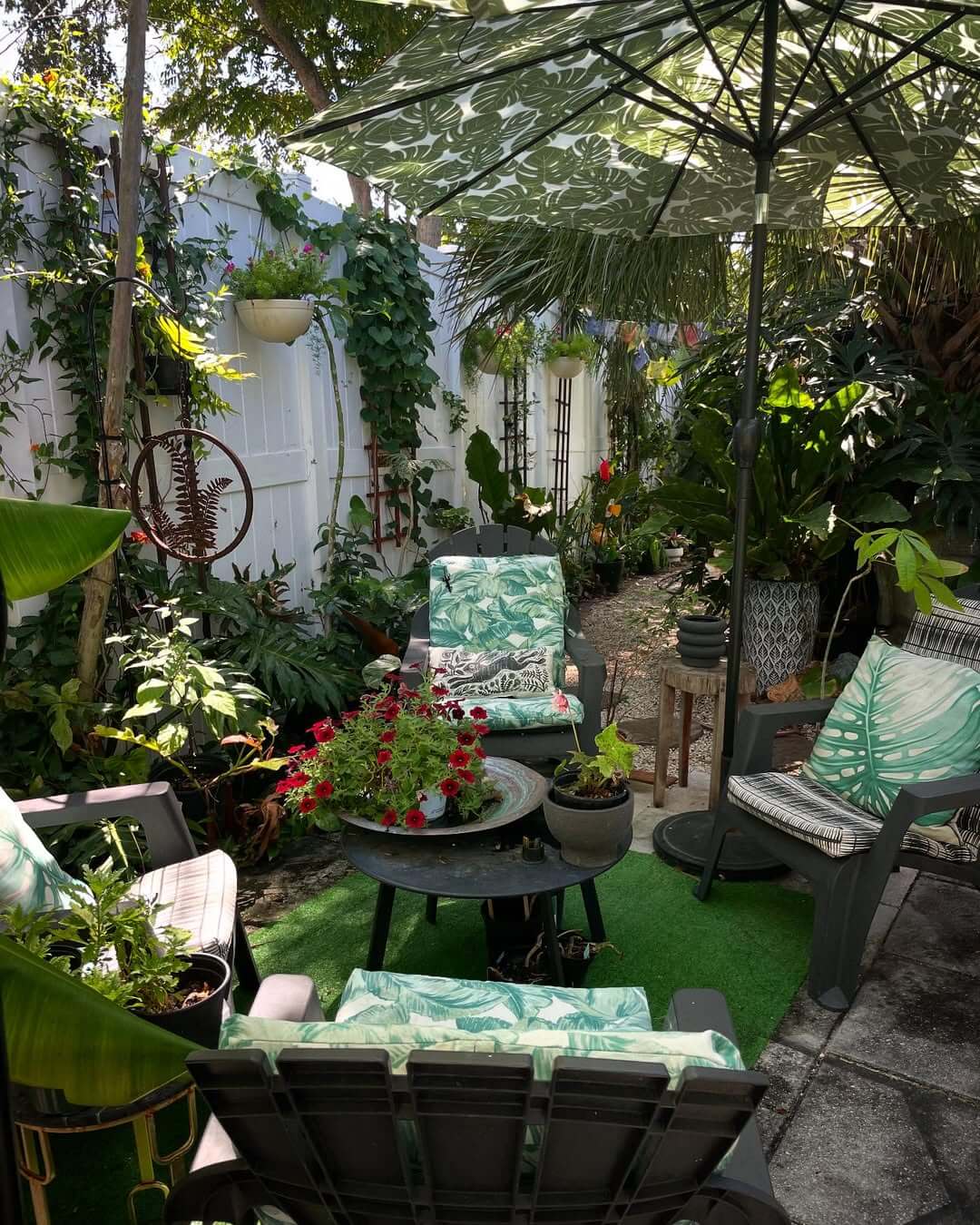
Most outdoor spaces look good during the day.
But they’re rarely used at night.
That’s where ambience really matters.
Once I started sitting outside in the evening, I noticed how much lighting and comfort mattered.
As highlighted by Homes & Gardens, “This creates a warm, inviting atmosphere that is perfect for garden and patio areas.”
That’s exactly what you want.
Test your space after sunset.
Sit there for a few minutes. Notice how it feels.
That’s where you’ll find what’s missing.
Small Details That Make a Big Difference
Some of the best changes are the smallest ones.
A candle. A soft fabric. A slight scent from herbs or flowers.
Even sound plays a role. A gentle breeze, light movement, or something subtle in the background.
You don’t need everything.
Just one or two small additions can shift the entire feel.
A Relaxing Space Isn’t About Size
You don’t need a large garden to create a relaxing outdoor space.
You need intention.
Once I stopped trying to decorate and started focusing on how the space felt, everything changed. It became somewhere I wanted to sit. Somewhere I looked forward to using.
Start small.
Adjust one thing at a time.
Before you know it, your outdoor space won’t just look better. It will feel like your favorite place to unwind.
If this made you see your space differently, share it with someone who needs a calm outdoor corner too.
You may also want to read: