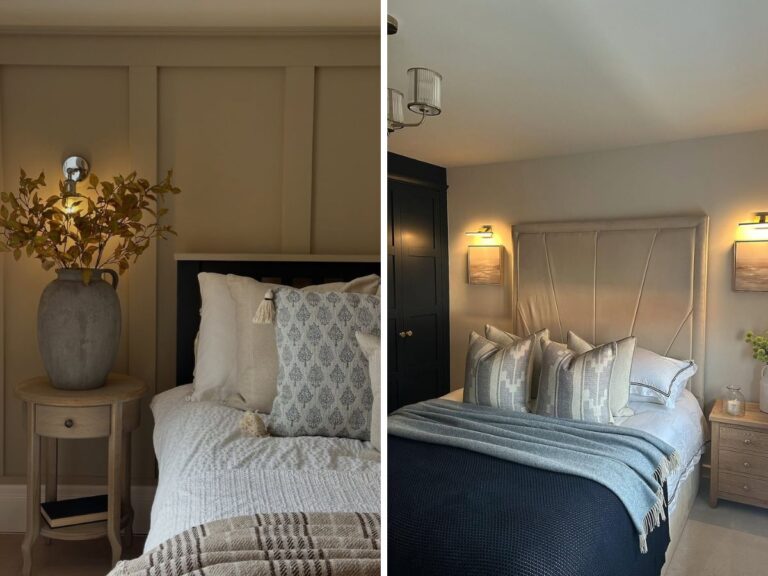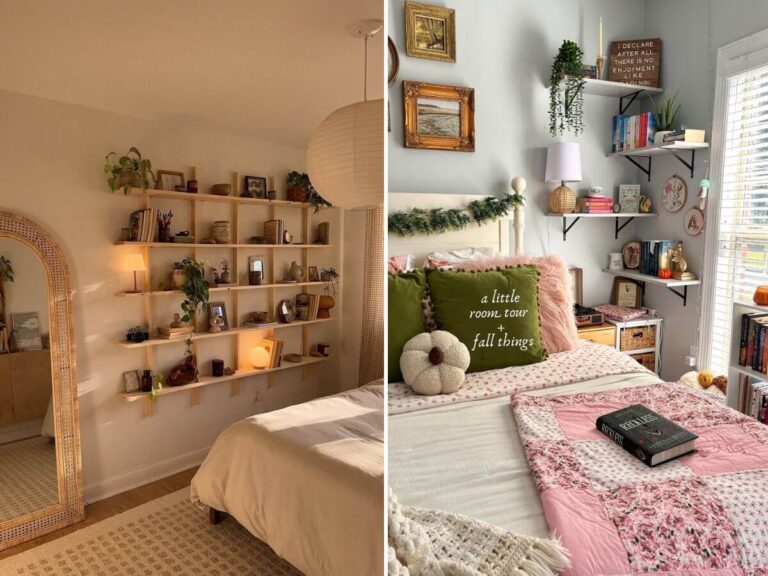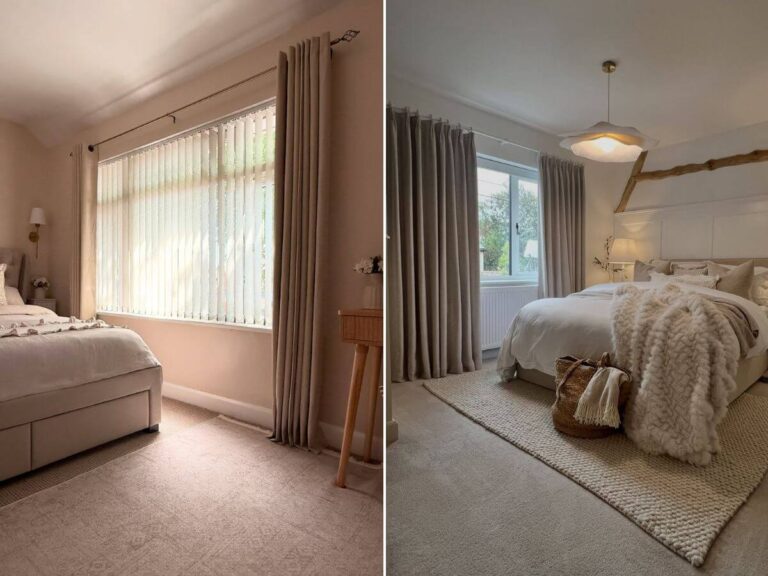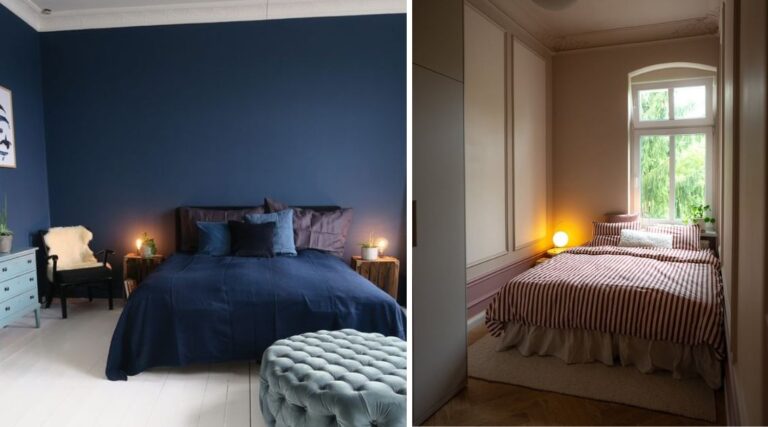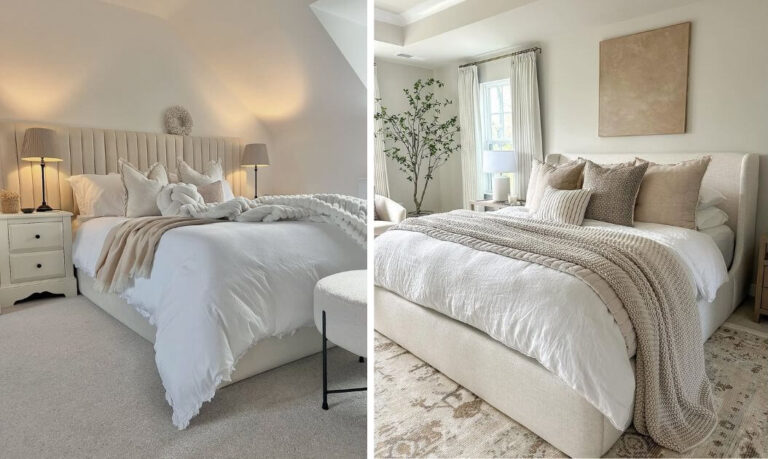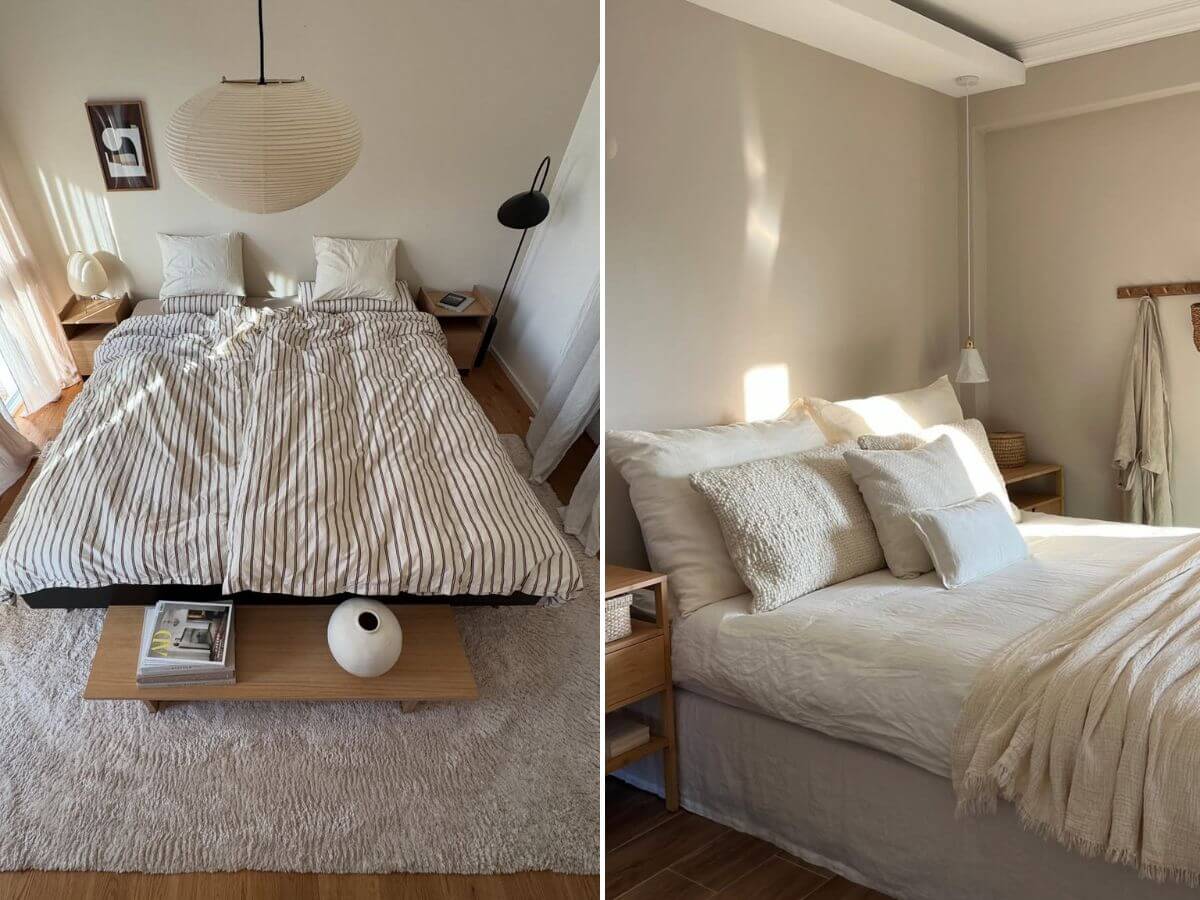
Japandi Bedroom Ideas That Feel Calm, Clean, and Effortlessly Put Together
I remember standing in my bedroom one night thinking, why does this still feel off?
The colors were neutral. The bed looked nice. I had already “decluttered” more than once.
And yet, something in the room kept pulling my attention instead of letting me relax.
If you’ve ever felt that too, you know how frustrating it is. Everything looks right, but the room never fully settles.
Here is what I learned the hard way. A room can look styled and still feel noisy.
That feeling is not random. It comes from mental overload. In fact, according to Flooring Surgeons, clutter increases cognitive load and anxiety, which explains why a space can feel stressful even when it looks put together.
That was the shift for me. I stopped trying to decorate better. I started focusing on what was getting in the way.
And once I did that, the room finally started to feel calm without trying too hard.
In this guide, I’ll walk you through the exact changes that made the difference, so your bedroom feels clean, calm, and easy to live in.
What “Japandi” Actually Means in a Real Bedroom
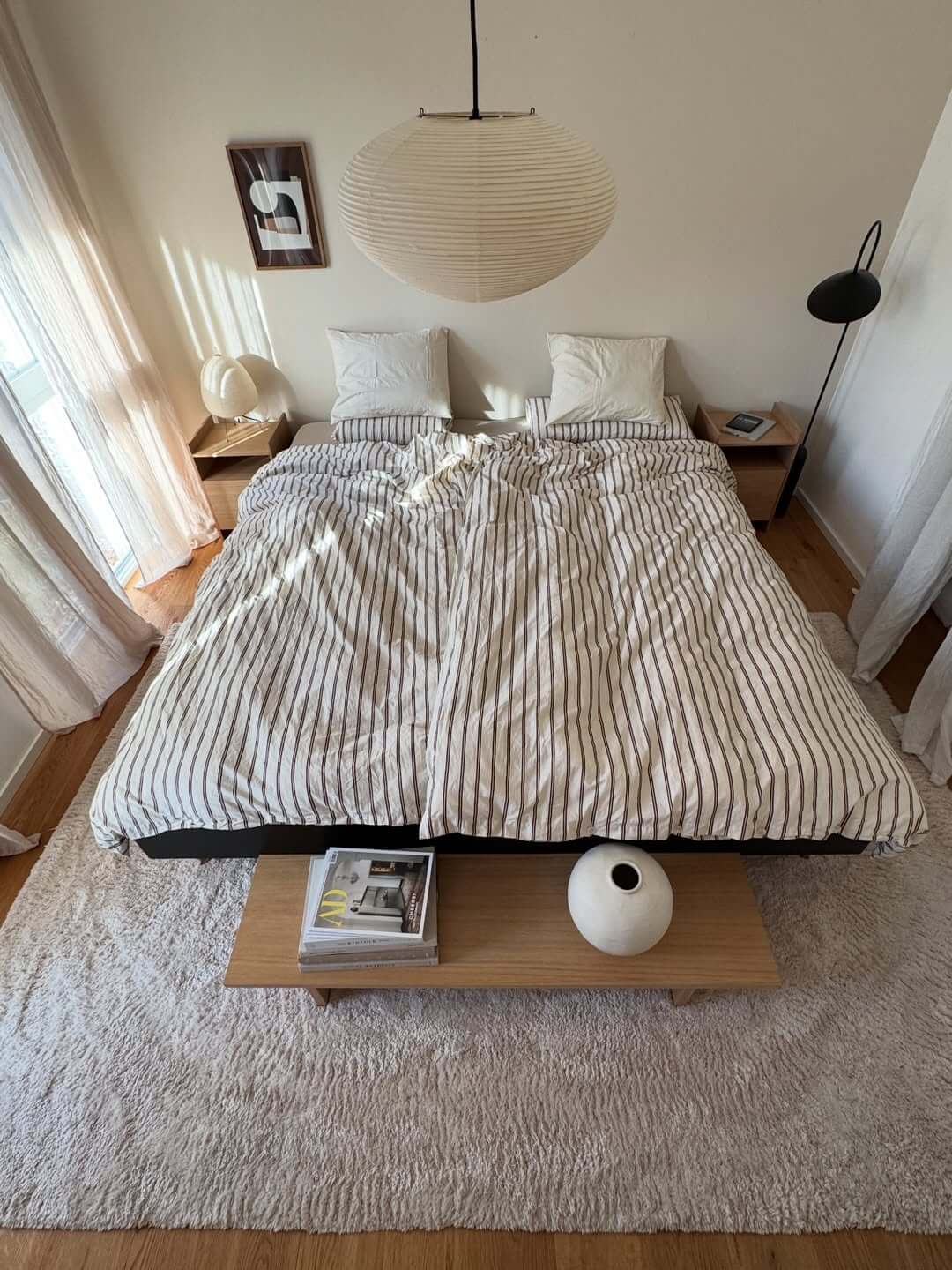
Japandi sounds like a design trend, but it works more like a filter.
It blends Japanese restraint with Scandinavian warmth. Not empty. Not cold. Just intentional.
Instead of filling a room, you edit it. Instead of adding personality through objects, you build it through space, texture, and quiet choices.
That’s why Japandi bedrooms feel different the moment you walk in. Nothing is competing for attention.
Now let’s bring that into your space.
Start With Space, Not Decor
This is where things usually go wrong.
Most people start by adding. New pillows, new lamps, new pieces that “fit the look.”
I did that too. And it made the room feel heavier.
So I tried something uncomfortable. I removed things instead.
I cleared off surfaces. Took out extra furniture. Packed away anything I didn’t use often.
At first, it looked too empty. Almost unfinished.
Then something shifted. The room felt quieter. Easier to sit in.
There’s a reason for that. As Hackensack Meridian Health notes, “removing unnecessary items and creating a sense of order, you can create a more peaceful living space.”
Try this right now.
Walk into your bedroom and remove 30 percent of what’s visible. Not what’s inside drawers. What you can see.
That single move changes how the room feels almost immediately.
Now that the space feels lighter, you can rebuild it with intention.
Choose Fewer Pieces, But Make Them Count
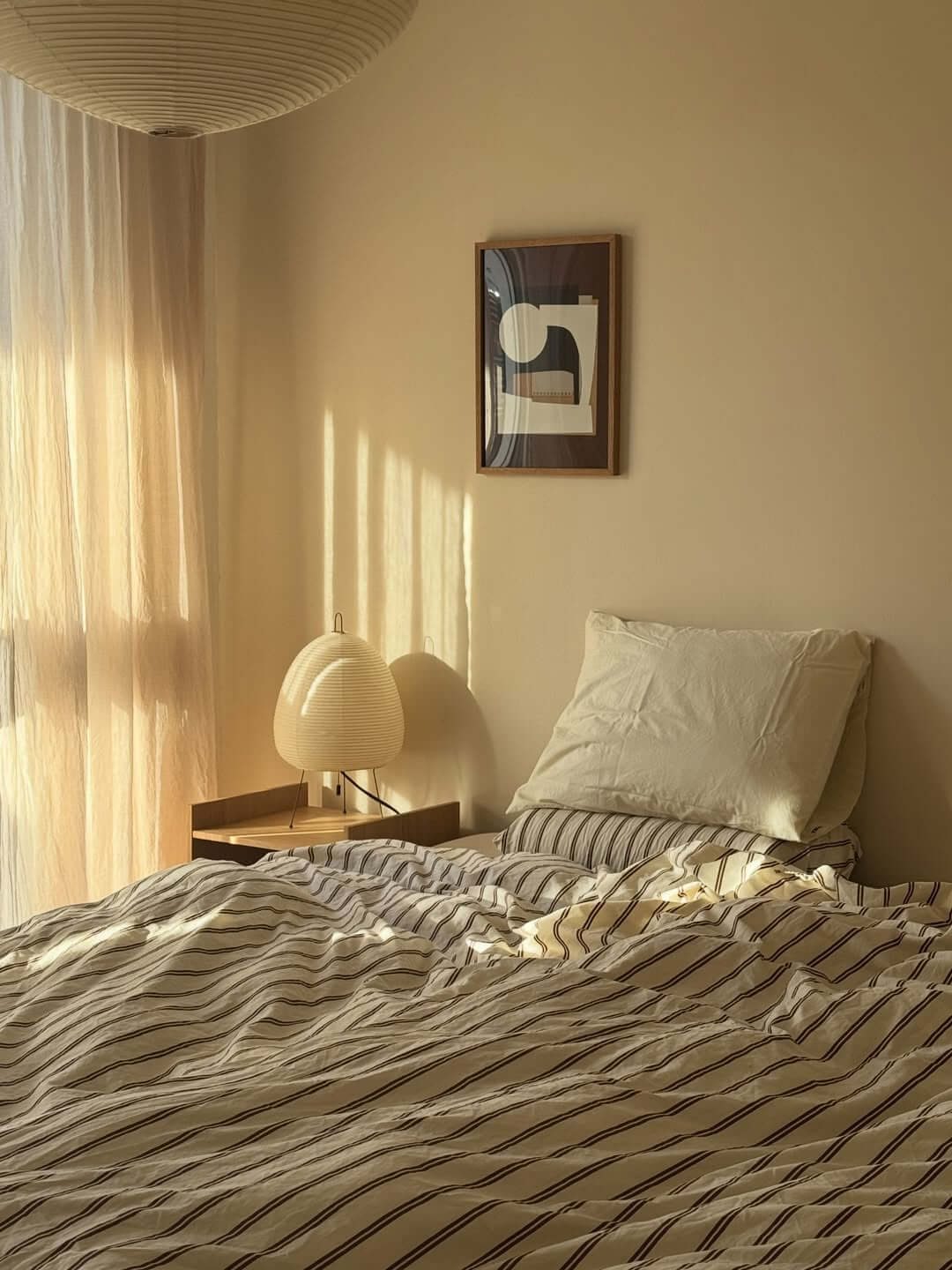
Once I cleared my room, I noticed something surprising.
Most of what I had wasn’t adding anything. It was just filling space.
Japandi rooms don’t rely on more. They rely on better choices.
Instead of layering furniture, keep it simple. A solid bed. One side table. Maybe one extra piece that actually gets used.
Each item should feel like it belongs there.
Quick check.
If you don’t touch it during the week, question why it’s in the room.
This alone makes the space feel more grounded.
Stick to a Tight Color Palette (and Don’t Break It)
This step looks easy, but it changes everything.
I used to mix tones without thinking. Warm beige, cool gray, random accents I liked.
Nothing looked wrong on its own. But together, it felt unsettled.
Japandi works because the palette stays controlled. Soft neutrals, warm wood, maybe one muted accent.
When the colors stop competing, your eyes finally relax.
Try this.
Pick three tones and commit to them. Remove anything that doesn’t fit.
That’s how the room starts to feel pulled together without effort.
Let Natural Materials Do the Work
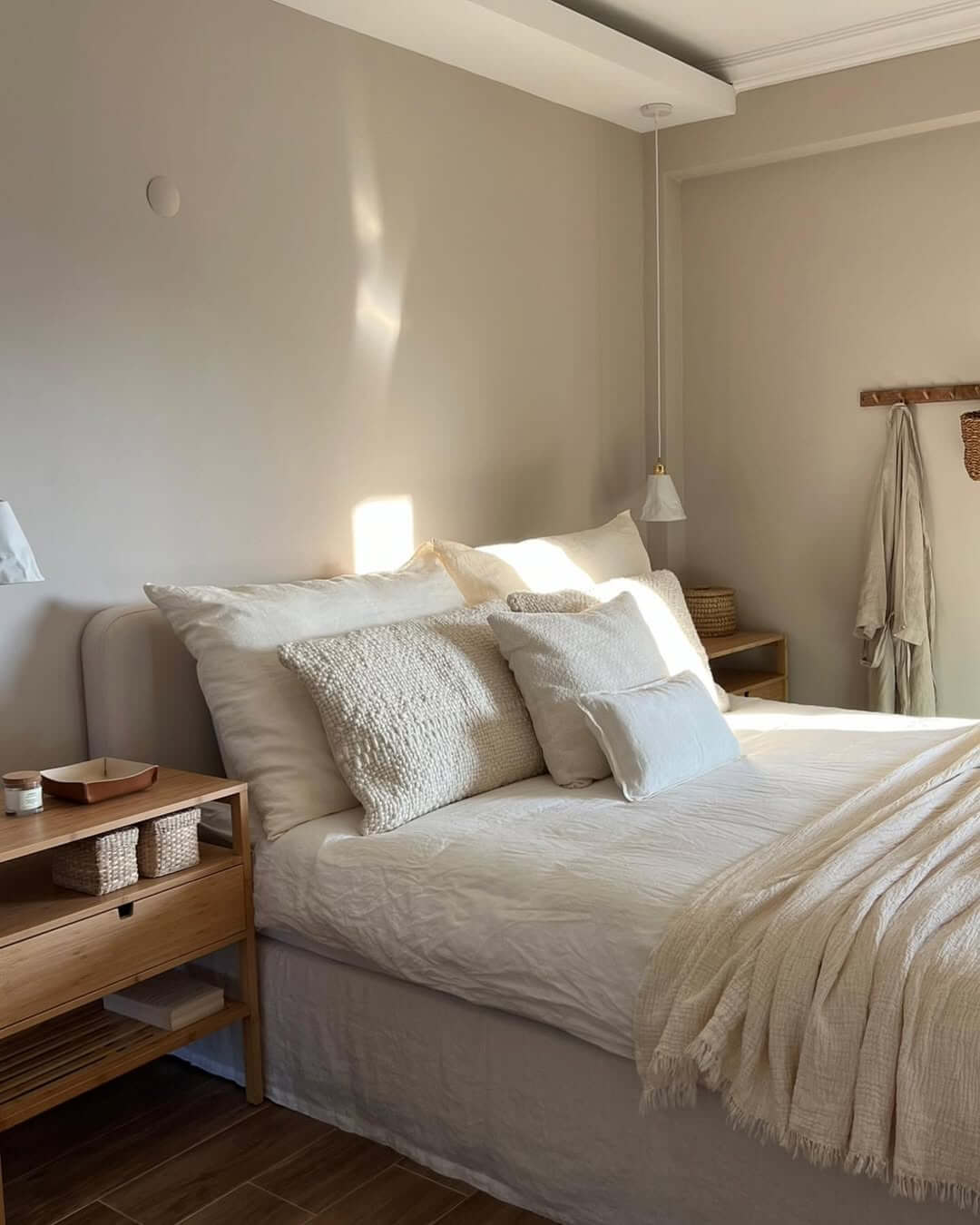
After simplifying colors, my room still felt a bit flat.
Clean, but not inviting.
The shift came from materials.
I swapped synthetic textures for natural ones. Linen bedding. Wood finishes. Matte surfaces.
The difference wasn’t loud, but you could feel it.
Natural materials add warmth without adding clutter. They give depth without making the room busy.
Easy upgrade.
Switch your bedding to cotton or linen. Add one natural element if your space feels too polished.
Small changes like this build that calm, layered feel.
Keep Surfaces Quiet and Intentional
Now this is where clutter quietly creeps back in.
A book. A candle. Something decorative that feels harmless.
Then suddenly, every surface is full again.
I started using a simple rule. No more than three items per surface.
It forces you to decide what actually deserves space.
And more importantly, it gives your eyes somewhere to rest.
A calm room is not about styling more. It’s about seeing less.
Lighting Is What Actually Creates the Mood
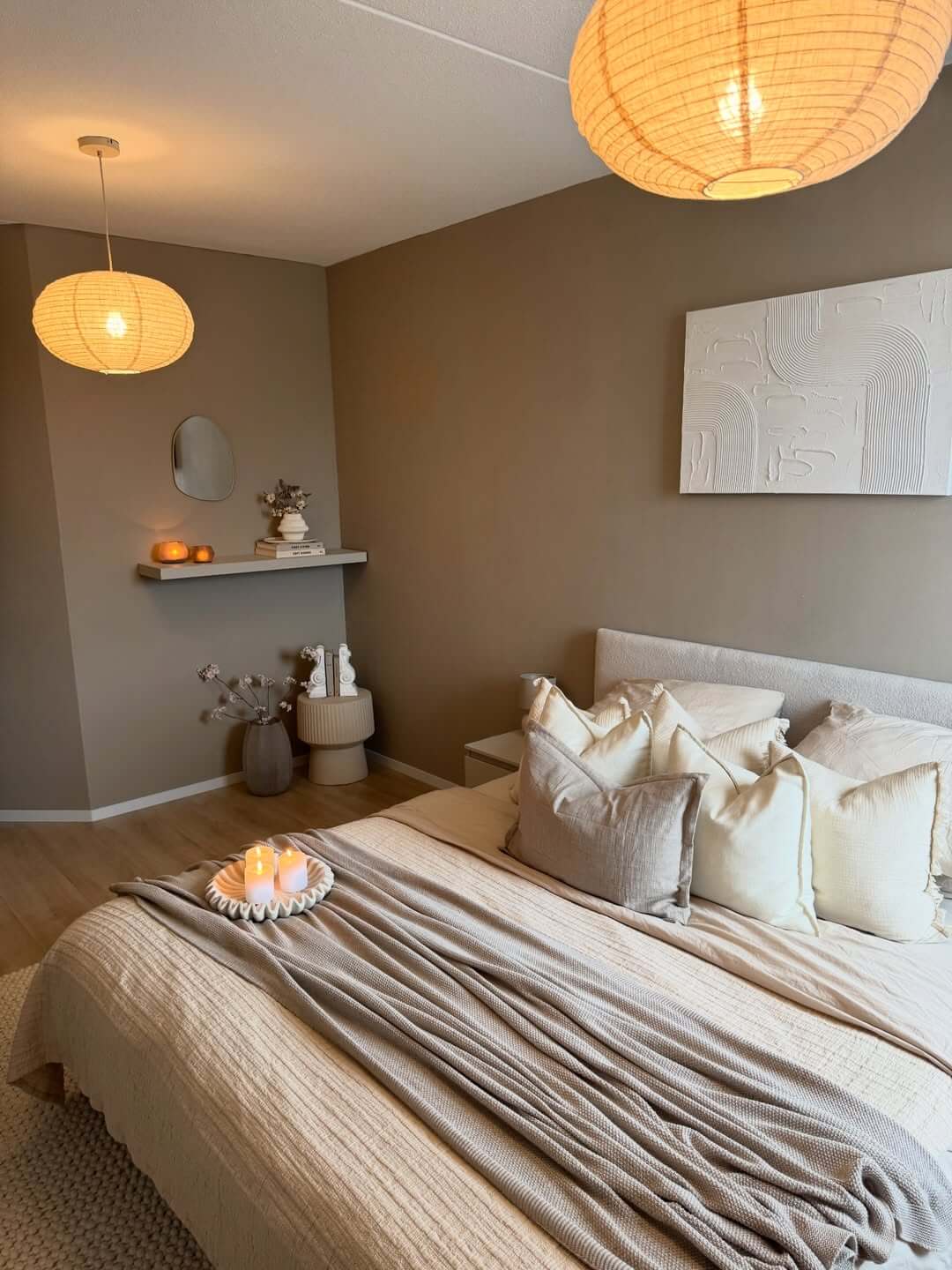
Lighting changes everything, and most people overlook it.
I used to rely on one overhead light. Bright and harsh. It made the room feel flat.
Then I switched to softer lighting. A warm lamp near the bed. Another in a corner.
At night, the space felt completely different.
Lighting doesn’t just help you see. It shapes how the room feels.
There’s real impact behind that. According to IIAD, “natural light exposure has been linked to improved mood, cognitive function, and even reduced symptoms of depression,” which is why softer, natural light makes such a difference.
Try this tonight.
Turn off your main light. Use one warm lamp instead.
Pay attention to how your body responds.
Hide What You Don’t Need to See
Even organized spaces can feel overwhelming if everything is visible.
I learned that the hard way.
Once I started hiding things, the room finally felt calm.
Closed storage helps. Baskets help. Even simple under-bed storage makes a difference.
This is especially useful in small bedrooms.
You don’t need less. You just need less in sight.
Add One Element That Feels Personal
Japandi isn’t about removing everything.
It’s about being selective.
Instead of filling the room with decor, choose one piece that means something.
For me, it was a framed print from a trip.
It didn’t clutter the space. It gave it weight.
Try this.
Pick one object that makes you pause when you see it.
That’s enough.
Slow Down the Room
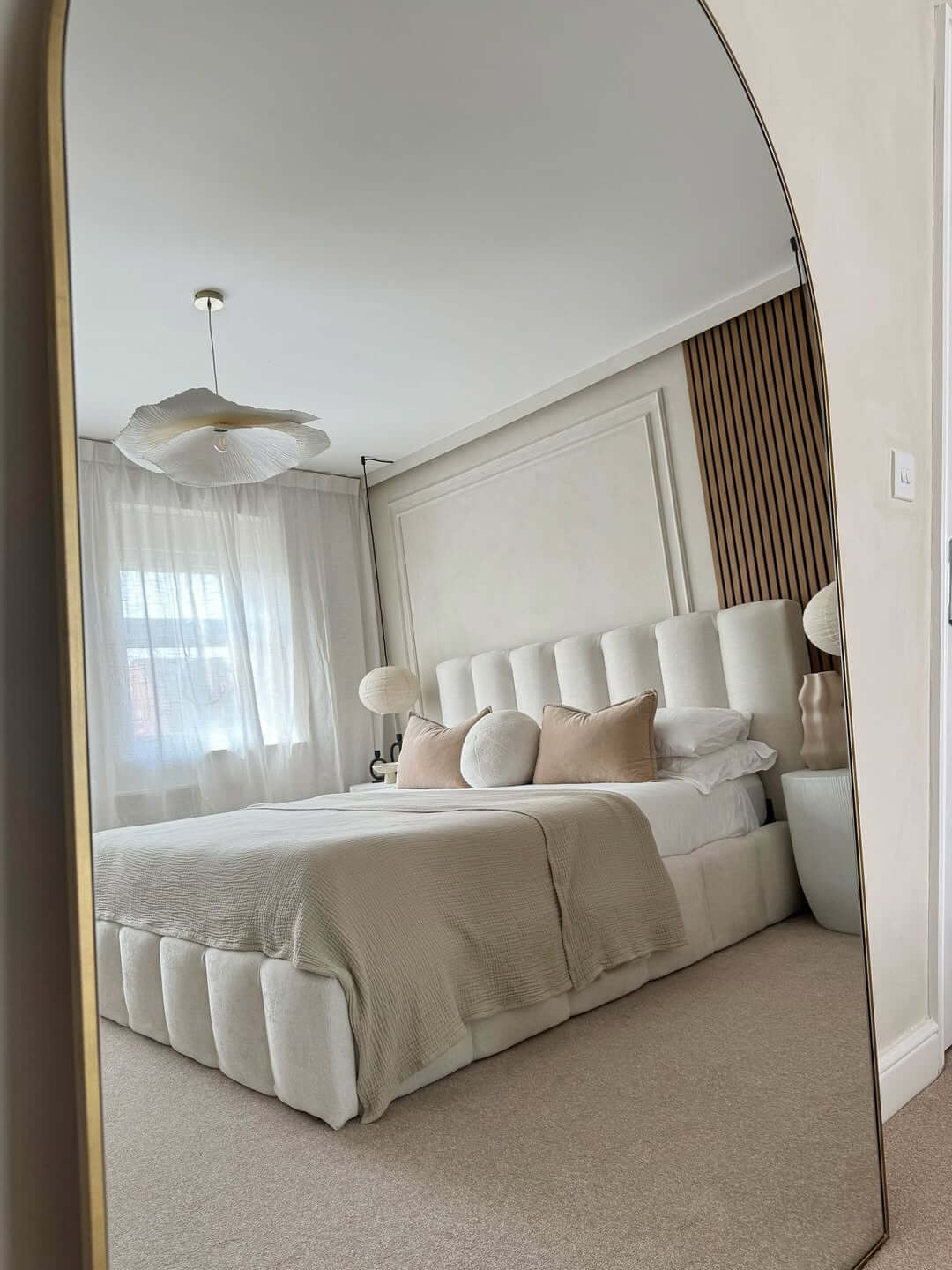
This was the part I didn’t expect.
Once the room felt calm, I started slowing down in it.
Less scrolling. More rest. Better sleep.
A quiet room changes how you behave inside it.
When the space stops pulling your attention, your mind follows.
That’s what makes Japandi feel different. It supports calm instead of interrupting it.
Putting It All Together Without Overthinking It
You don’t need to redo everything.
Start small.
Clear one surface. Adjust one light. Simplify one corner.
Each step builds on the last.
And slowly, the room starts to feel different. Not styled. Not perfect. Just calm.
A Final Thought
A bedroom should not compete for your attention.
It should quietly hold it.
And once you experience that kind of calm, you don’t try to decorate more.
You protect it.
Also read: