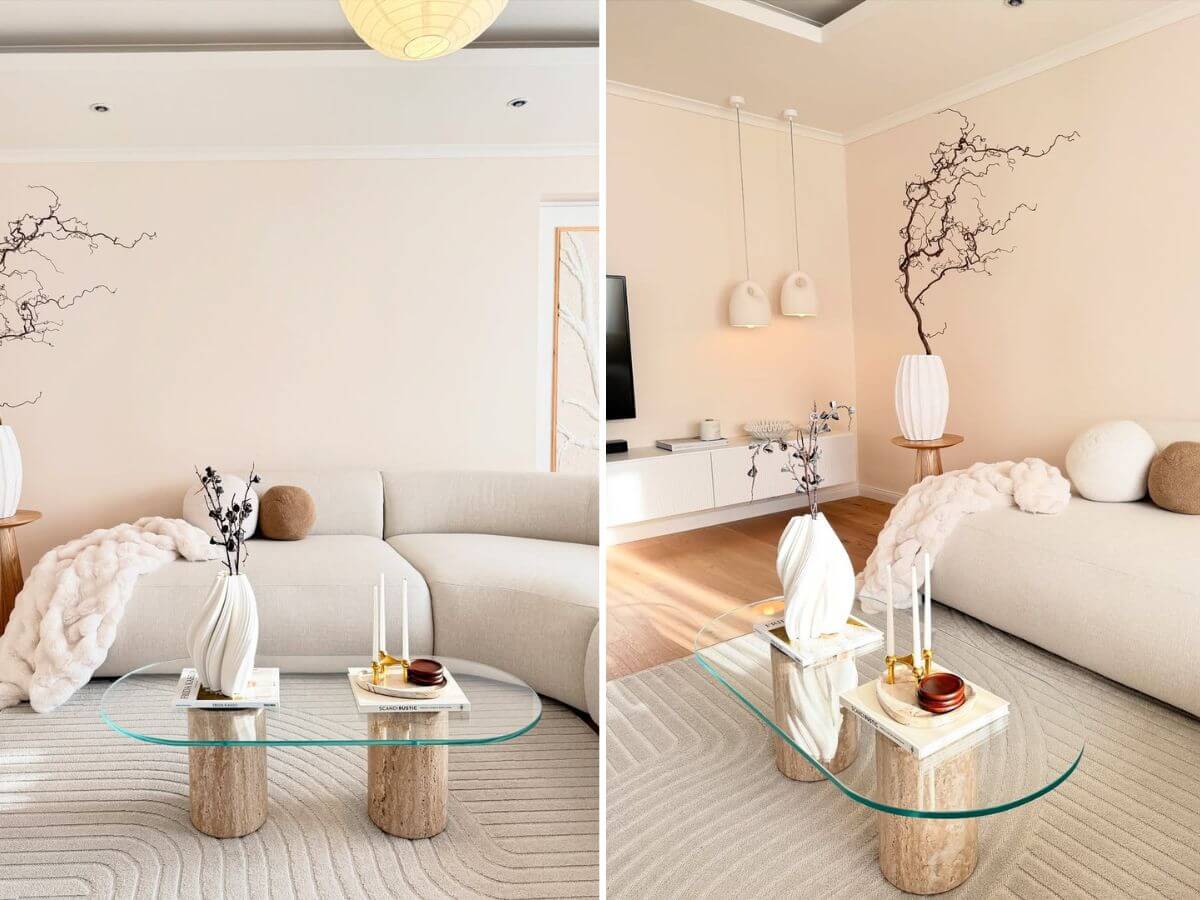
Japandi Living Room Ideas That Feel Warm, Minimal, and Clutter-Free
I didn’t think I was someone who could live with less.
If your living room feels a little crowded, a little noisy, or just not as calm as you want it to be, you’ll know exactly what I mean. Mine was full of things I thought I needed. Extra decor, extra furniture, extra everything. It looked styled, but it didn’t feel right.
Something always felt slightly off.
Then I came across Japandi style, and it completely changed how I looked at my space.
Not because it was minimal. But because it felt livable.
It showed me you don’t need more to make a room feel better. You just need the right things in the right place.
If you’ve been wanting a living room that feels calm without feeling empty, warm without feeling cluttered, this is where it starts.
In this guide, I’ll walk you through the simple changes that made the biggest difference for me, so you can create a Japandi living room that feels warm, minimal, and clutter-free without starting over.
What Makes a Living Room Japandi
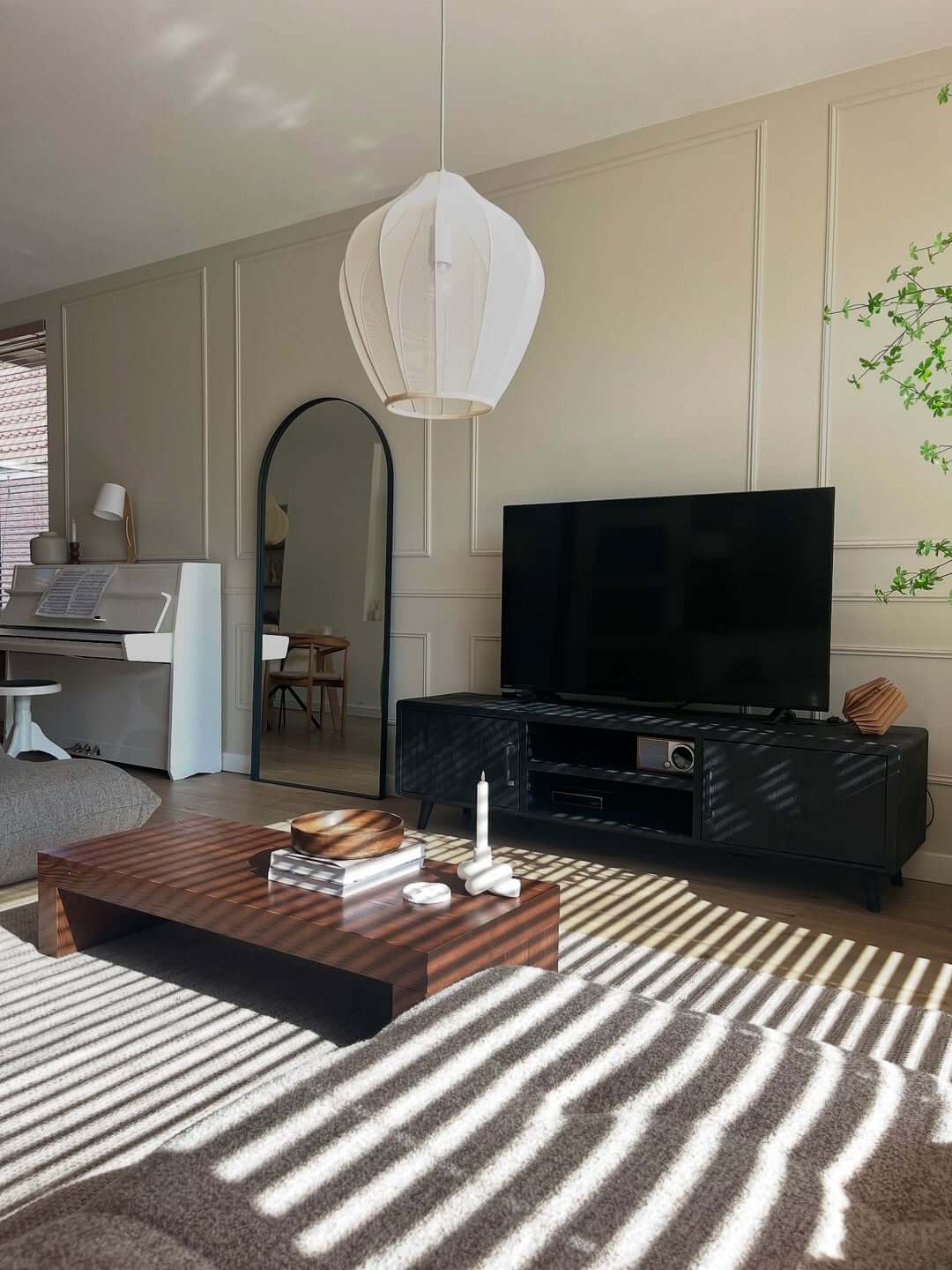
Before changing anything, it helps to understand what you’re actually building.
Japandi is a mix of two design styles that seem very different at first. Japanese interiors focus on simplicity and intention, while Scandinavian spaces bring warmth and comfort.
Put them together, and you get something that feels both calm and inviting.
As The Spruce explains about Japandi design, “The perfect fusion of Japanese and Scandinavian, Japandi design focuses on aesthetically pleasing and highly functional minimalist designs.”
That last part matters. It’s not just about having less. It’s about keeping what actually works.
If your space feels overwhelming right now, don’t rush to add anything new.
Start by looking at what’s already there.
Start by Removing What You Don’t Need First
This is where it starts to come together.
I didn’t buy anything new at the beginning. I just started removing things. Extra cushions, random decor, a side table I barely used.
At first, the room felt a little empty. But after a day or two, it started to feel lighter. Easier to sit in. Easier to move through.
There’s a reason this step comes first. According to Architectural Digest’s guide to Japandi style, “it’s best to start by decluttering, as an emphasis on minimalism and a less-is-more mindset is particularly important in Japandi style.”
If you try just one thing today, do this.
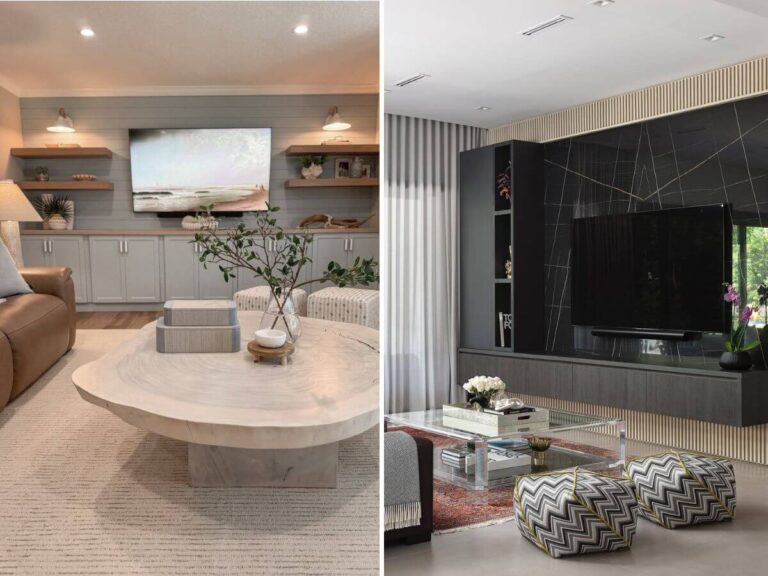
Clear one surface. Your coffee table, your TV console, even just one corner. Then leave it that way for a day and see how it feels.
If you live in a small space, this step alone can completely change how your room feels.
Once the space opens up, everything else becomes easier.
Choose a Soft, Neutral Color Palette That Feels Warm
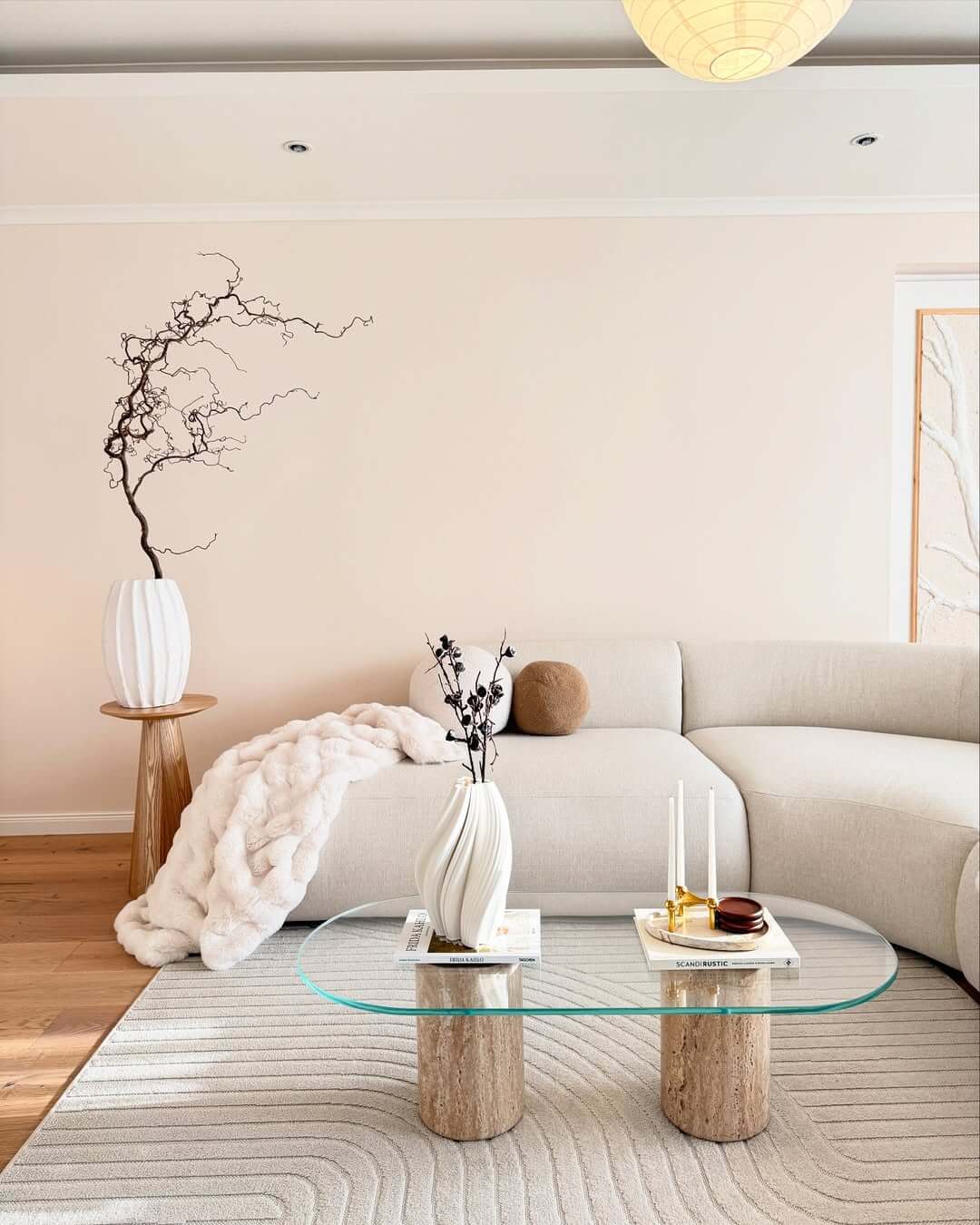
Now the room starts to shift.
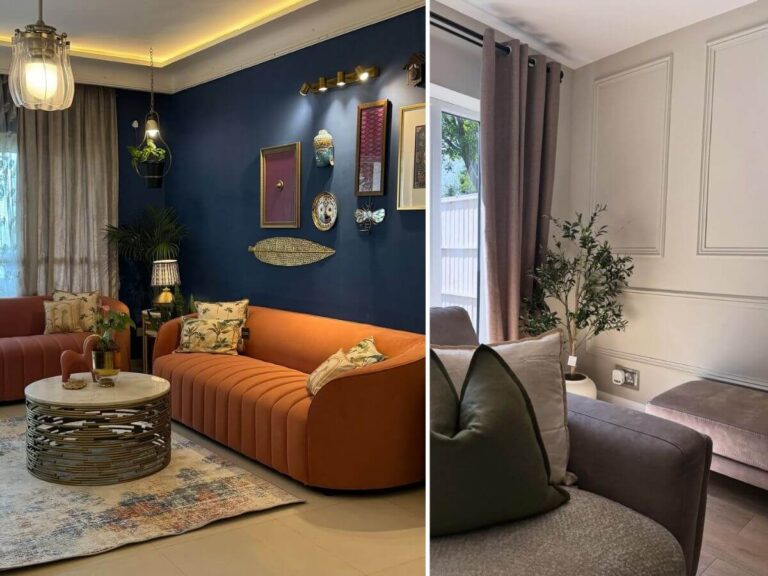
A lot of people think Japandi means plain white walls and nothing else. That’s where it starts to feel cold.
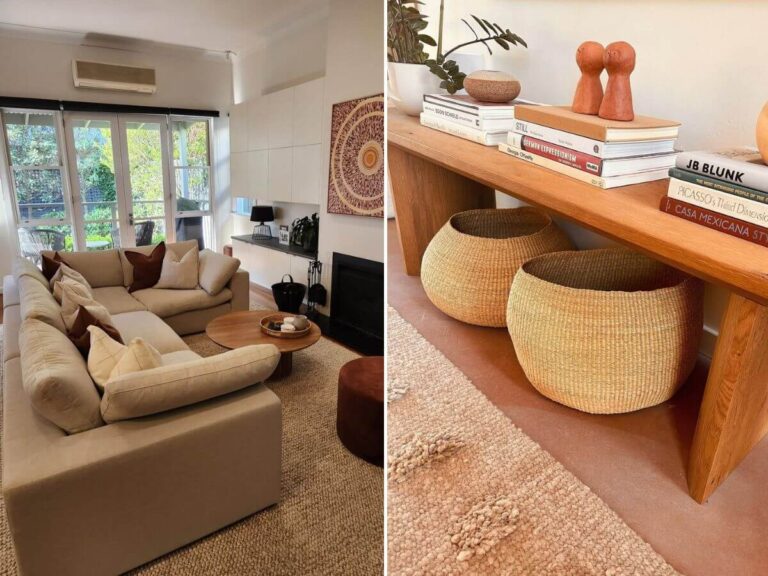
What worked for me was warming things up. Soft beige tones, muted browns, a bit of off-white instead of stark white.
Even small changes made a difference. I swapped out cushion covers and added a warmer throw, and the room instantly felt softer.
If your space is small, these warmer tones help it feel calm without making it feel tight.
And once the color feels right, the rest of the room starts to fall into place.
Keep Furniture Simple, Low, and Intentional
This is the shift most people miss.
I didn’t replace all my furniture. I just looked at what felt bulky or unnecessary.
One oversized chair I never used? Gone. A table that blocked movement? Moved.
Japandi spaces feel open because furniture doesn’t compete for attention.
If your room feels tight, this is where you’ll notice the biggest difference.
Try pulling one piece slightly away or removing something you rarely use. Even a small change can open up the whole space.
Layer Texture So the Room Doesn’t Feel Flat
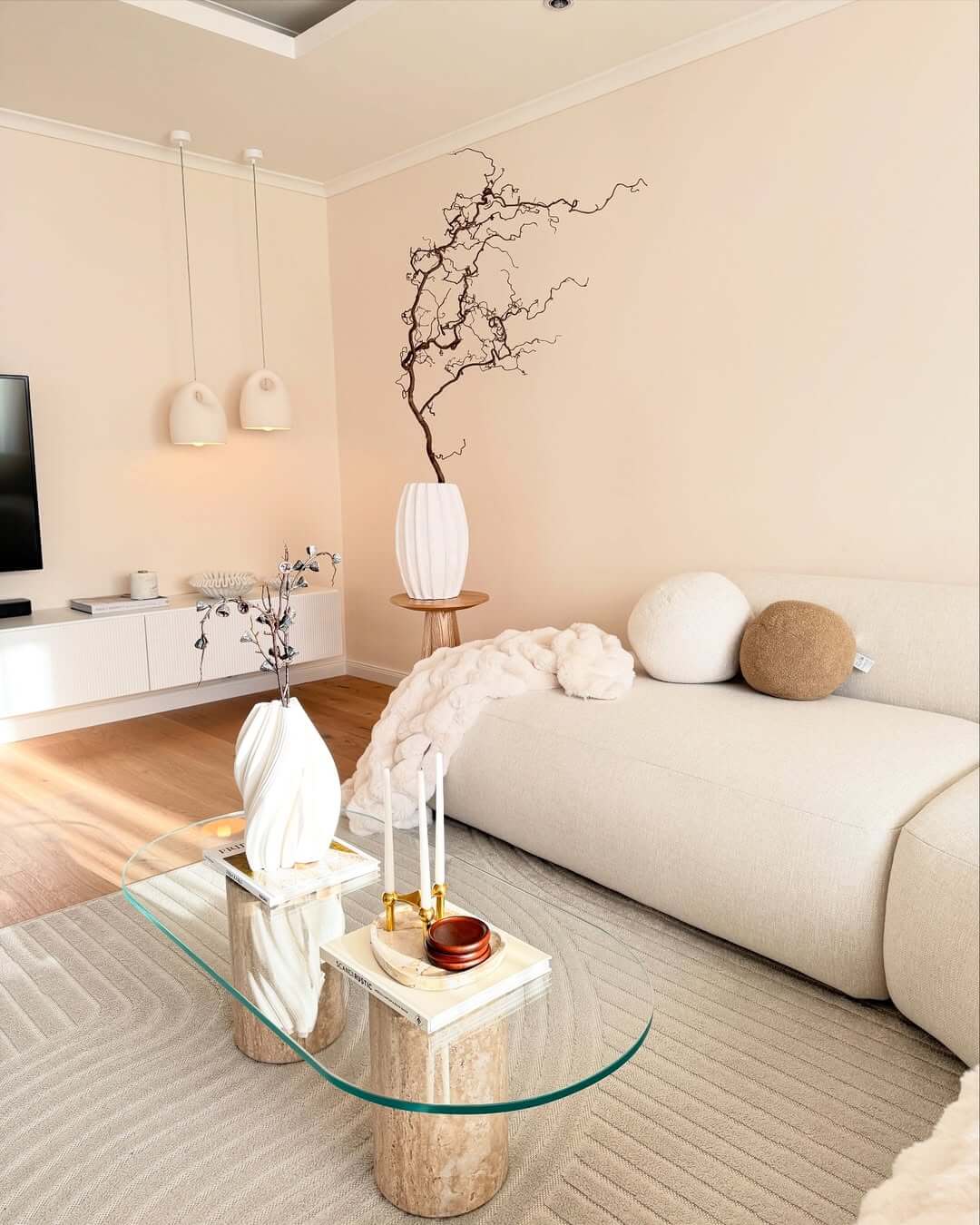
This is where minimal starts to feel warm.
Most people remove too much, too fast. Then the room starts to feel empty. That’s where texture matters.
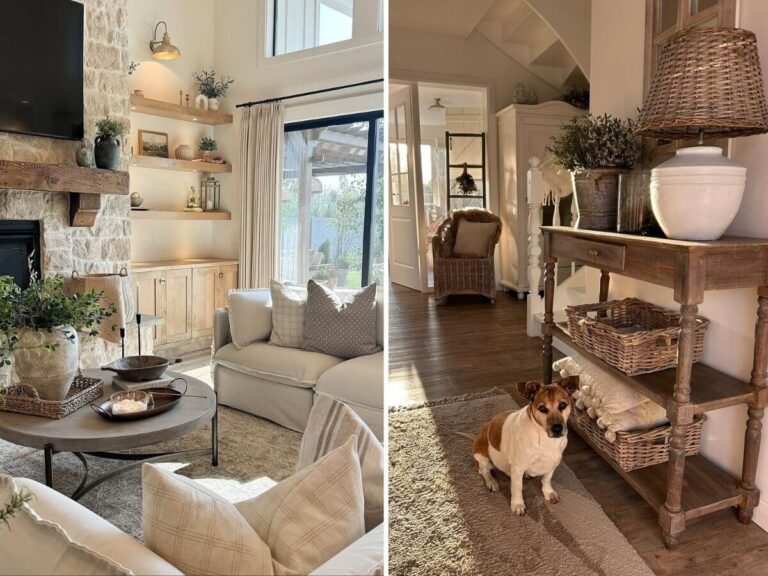
I started adding small layers back in. Linen cushions, a soft cotton throw, a woven rug.
That’s what made the space feel comfortable again.
As Cotto d’Este describes Japandi style, “Its spirit, therefore, is that of a Japanese minimalism that also manages to feel warm and inviting.”
That warmth doesn’t come from more items. It comes from better ones.
Use Natural Materials to Add Quiet Warmth
Once texture is in place, materials start to matter more.
Wood, stone, woven fibers. These don’t stand out loudly, but they change how the room feels.
I added a simple wooden tray and a small stool, and the space felt more complete without adding noise.
If your room still feels unfinished, try adding just one natural element near where you sit most.
Let Empty Space Do Its Job
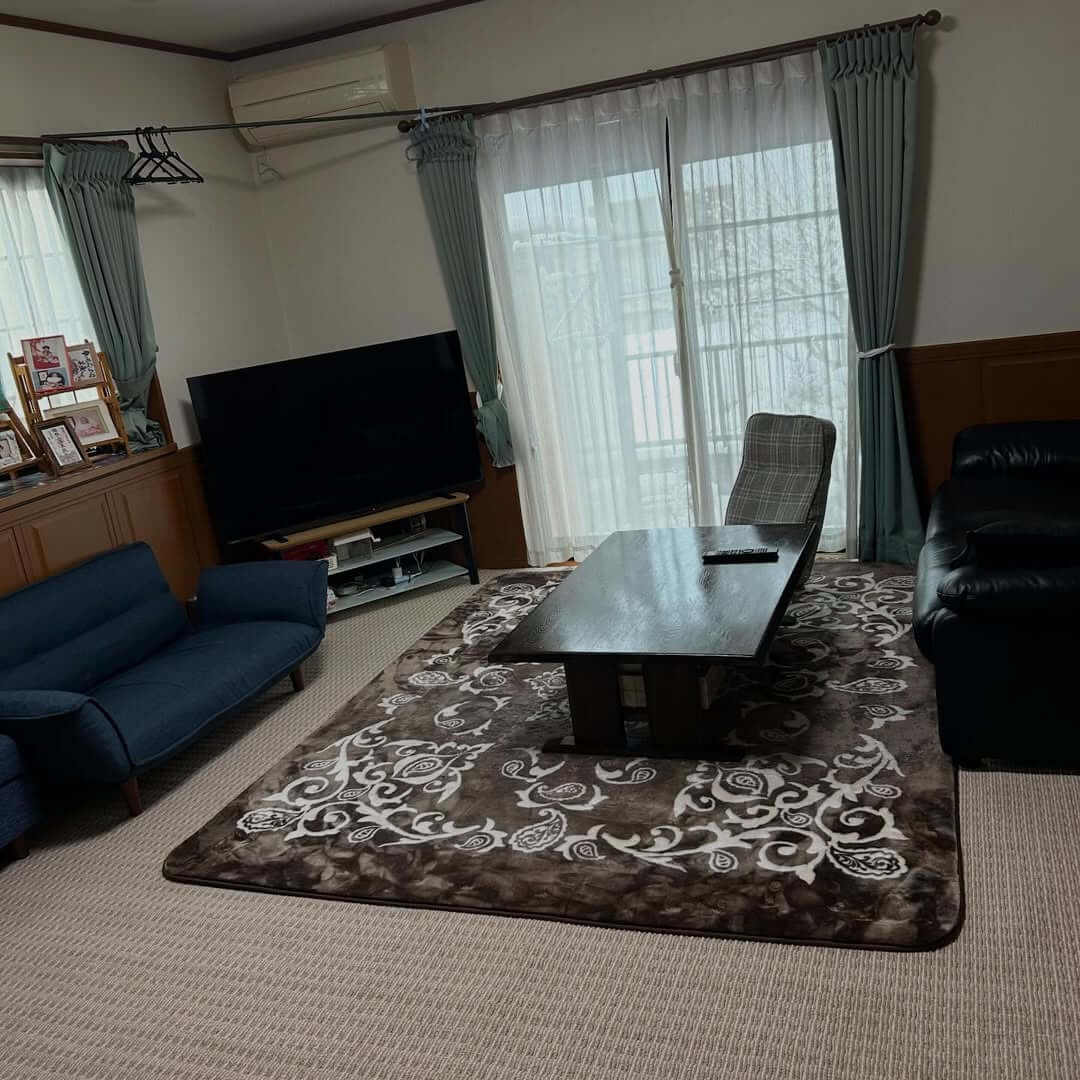
This part takes getting used to.
I used to feel like every corner needed something. Leaving space felt unfinished.
But once I stopped filling every gap, the room started to feel calmer.
If this feels uncomfortable, start small.
Leave one area empty and give yourself time to adjust. That’s where the calm starts to build.
Choose Decor That Feels Calm and Intentional
Now you’re adding, not filling.
Instead of spreading decor around, group it. A small setup on a tray works better than placing items all over the room.
I kept it to a few pieces, and suddenly the room felt more put together.
Not because there was more. But because there was less, done better.
Bring in Nature Without Overdoing It
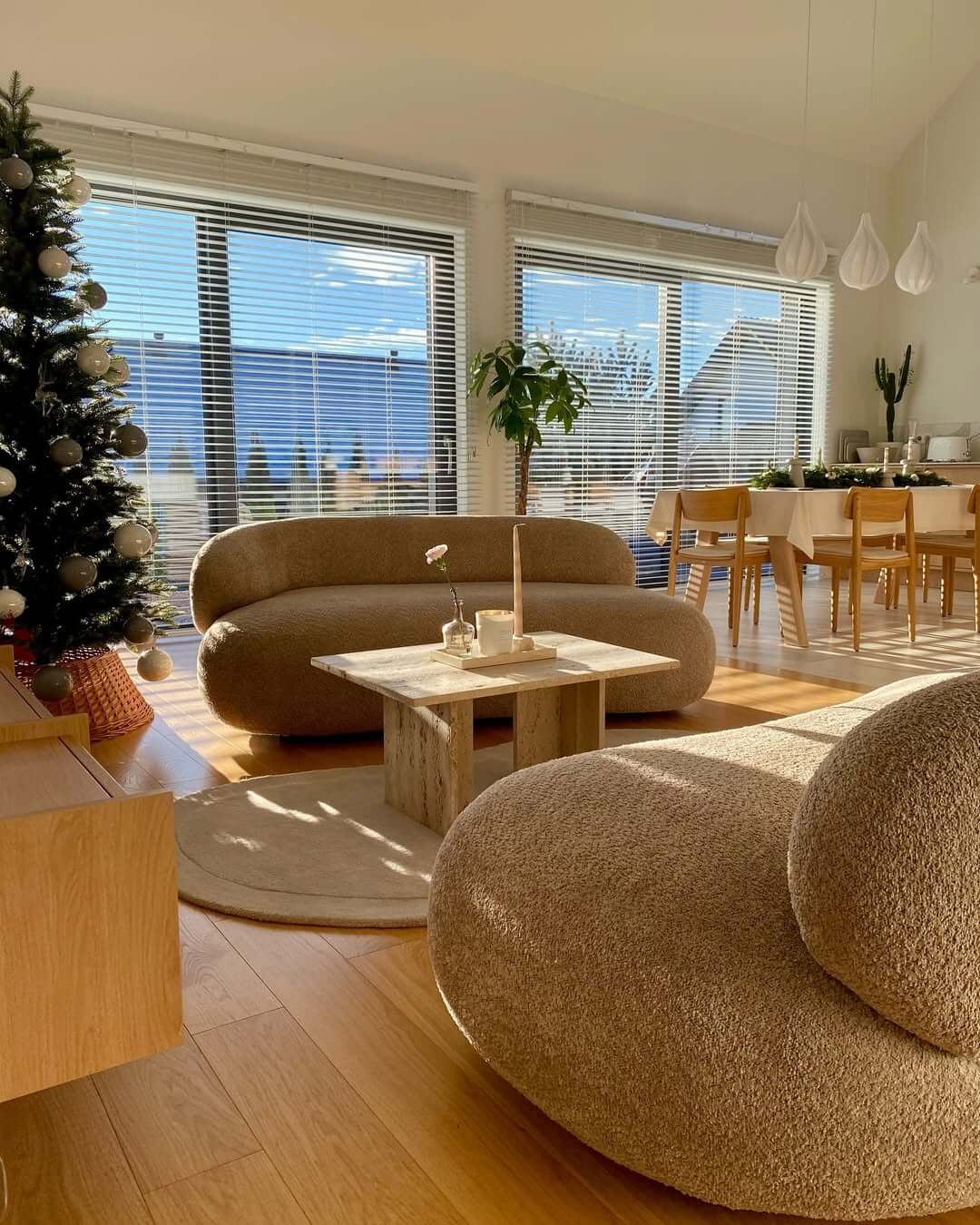
You don’t need a lot of plants.
I started with one near the window, then added another at a different height.
That was enough to bring life into the space without making it feel busy.
If you want something even easier, dried branches or subtle greenery work just as well.
Keep the Layout Open and Easy to Move Through
You’ll feel this before you notice it.
Once I removed a few things and adjusted the layout, the room became easier to move through.
Japandi spaces focus on flow, not perfect symmetry.
If your room feels awkward, walk through it slowly and notice where you hesitate. That’s usually where something needs to shift.
Mistakes That Make Japandi Feel Cold
I made a few of these early on.
Going too minimal too fast made the room feel empty. Using only white made it feel cold.
Japandi isn’t about extremes.
It’s about balance.
If your space feels off, it’s usually because it’s missing either warmth or simplicity.
How to Pull It All Together Without Starting Over
You don’t need to start from scratch.
Start with what you already have.
Remove a few things. Warm up the colors. Add texture. Bring in one natural element.
Then pause.
Let the space settle before making another change.
That’s what made the biggest difference for me.
Final Thoughts
A Japandi living room isn’t about having less just for the sake of it.
It’s about creating a space that feels calm, clear, and easy to be in.
Once you stop trying to fill every corner and start paying attention to how your space feels, your home starts to feel lighter, quieter, and more like a place you actually want to spend time in.
Also read:
Boho Living Room Ideas That Look Collected, Not Cluttered
Earthy Living Room Ideas That Feel Warm, Natural, and Easy to Copy