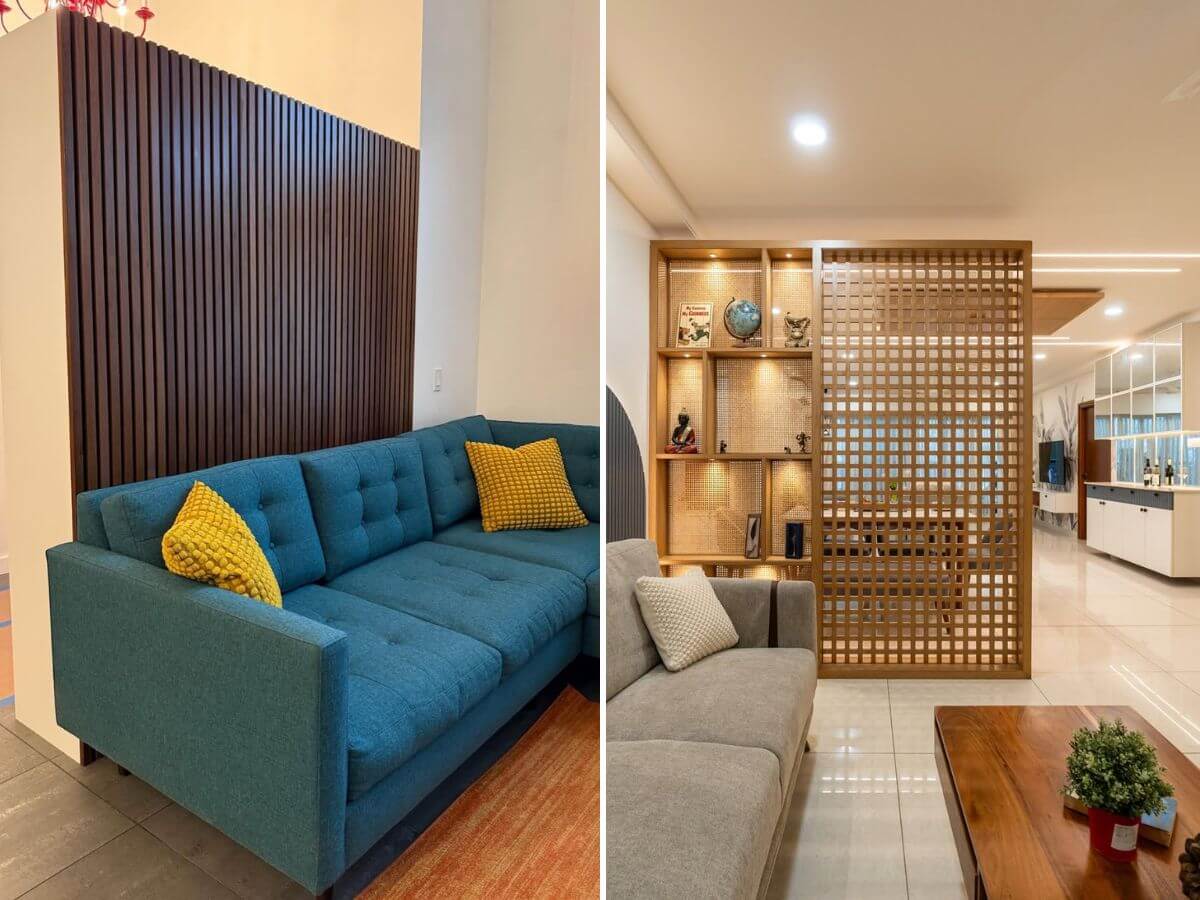
Living Room Partition Design That Adds Privacy Without Walls
I used to think open layouts were the goal.
More space. More light. Everything flowing together.
And at first, it looked great.
But after actually living in it, something felt off.
There was no real sense of privacy. No defined areas. No place that felt like its own.
If your living room feels open but slightly uncomfortable, like you’re always “in the middle” of everything, you’re probably dealing with the same thing.
Because openness only works when there’s structure behind it.
That’s when I realized the solution wasn’t adding walls.
It was creating separation without closing things off.
In fact, this is exactly how designers approach it.
As Architectural Digest explains, “A room divider provides separation between the dining and living areas without totally closing them off from one another.”
That’s the balance you want.
Defined. But still open.
A space where you can relax without feeling exposed, and move freely without everything blending together.
Let’s walk through how to create that in your own space.
Start With the Feeling, Not the Structure
Before you think about partitions, take a step back.
How does your space actually feel?
Too exposed? Too undefined? Too busy?
Most people assume they need to “divide the room.”
But what they really need is to create zones.
When I first tried fixing my space, I looked for physical dividers.
But the real shift happened when I asked a simpler question.
Where do I want to feel more private?
That one question changes everything.
Now let’s fix the biggest issue most open spaces have.
Fix the Biggest Problem First: Fully Open Layouts
An open layout sounds ideal.
But without any visual breaks, it can feel overwhelming.
Your eyes move everywhere.
Nothing feels anchored.
And that’s what creates discomfort.
The fix isn’t to block the space.
It’s to guide it.
Instead of hard divisions, you want soft boundaries.
That’s where smart partition design comes in.
Use Furniture as a Natural Partition (Easiest Win)
This is the simplest and most effective place to start.
You don’t need to buy anything.
Just reposition what you already have.
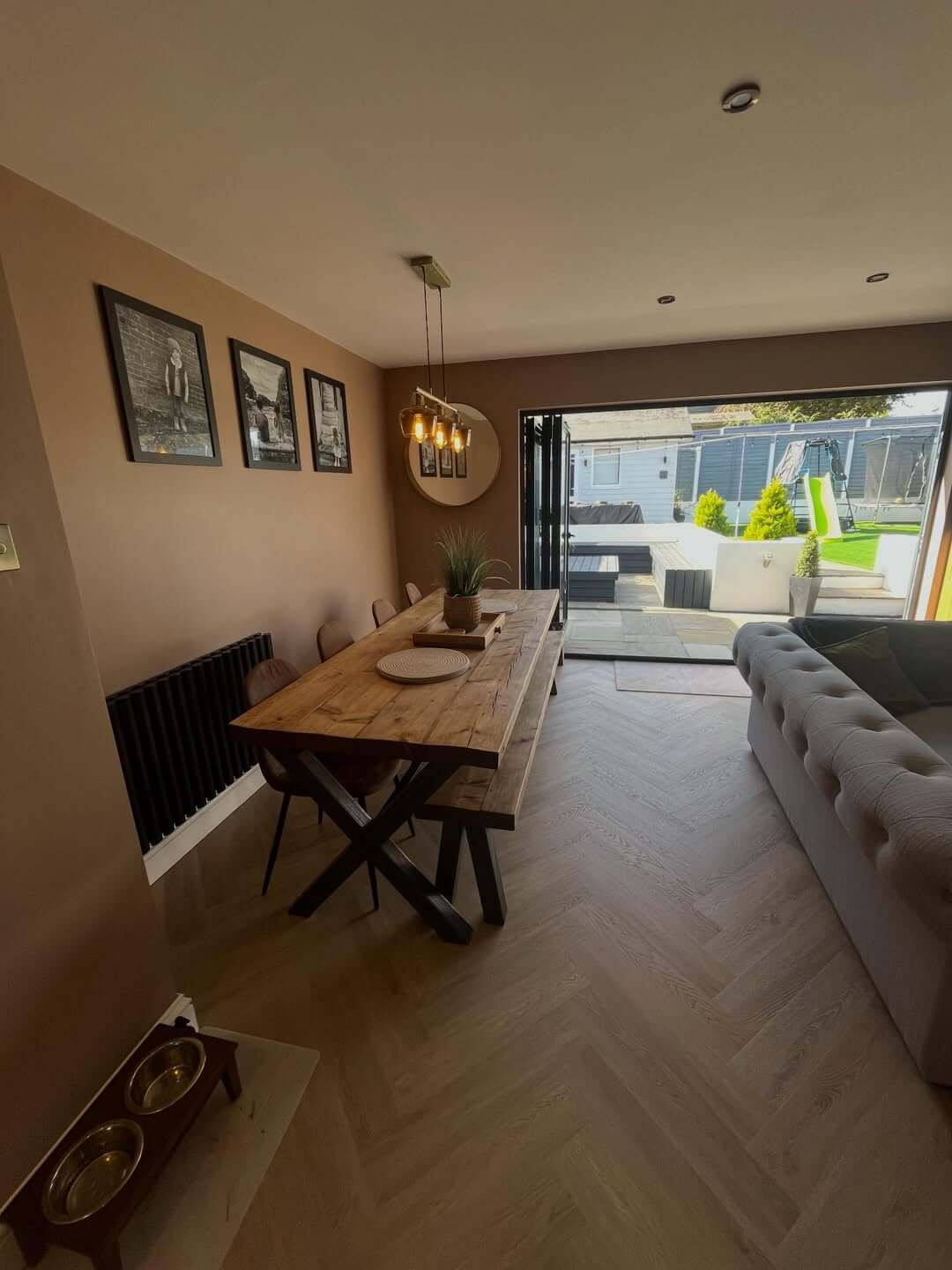
For example, turning your sofa so the back faces another area instantly creates separation.
Now your living space has a clear boundary.
And there’s a reason this works so well.
As Homes & Gardens explains, “When it comes to open-plan living room furniture the ‘two main furnishing items that help divide a space and anchor the vignettes are a sofa and area rug.’”
That’s exactly what I did.
One small shift in layout, and suddenly the room felt more structured.
No walls. Just better placement.
Try Open Shelving for Light + Separation
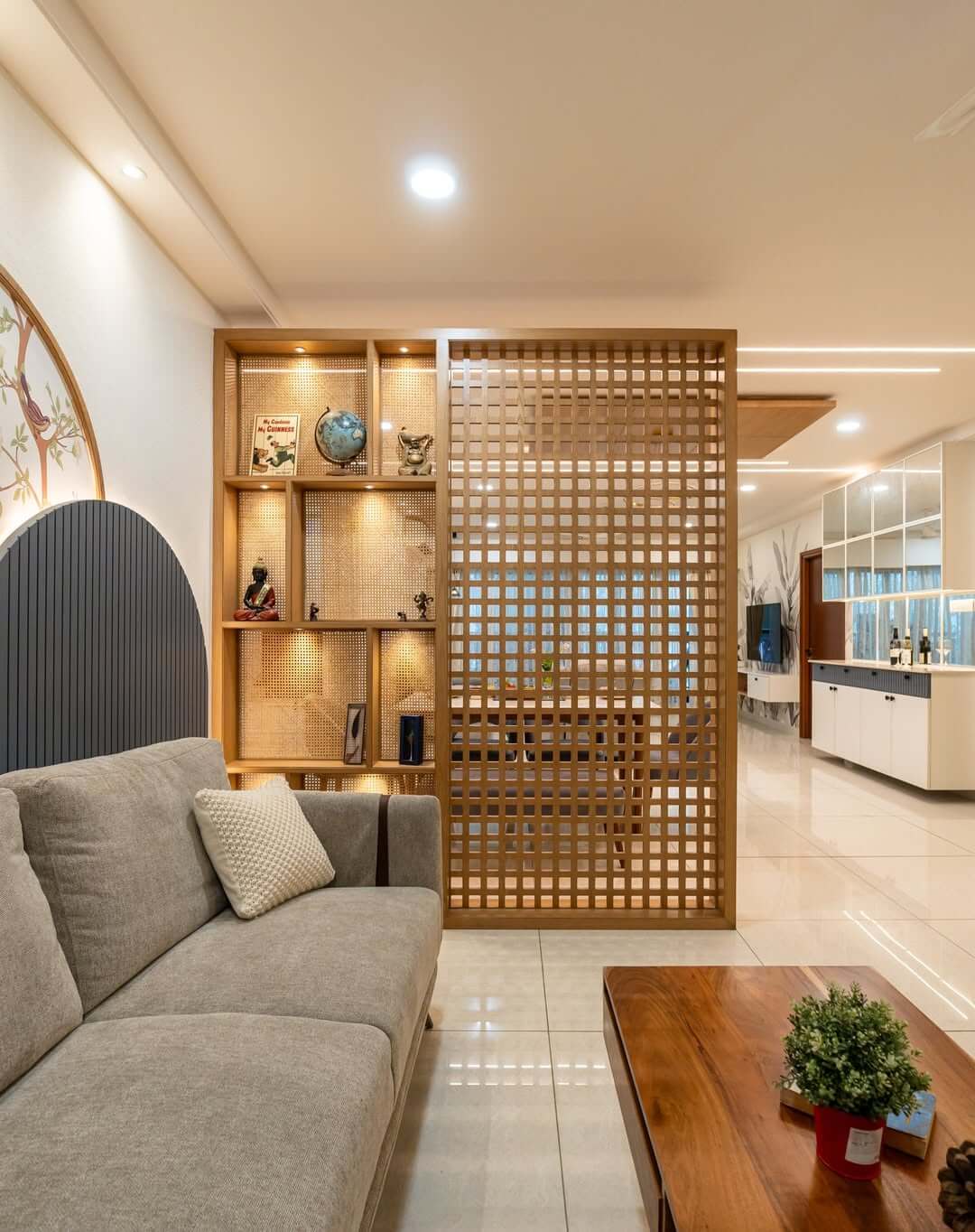
If you want more definition, open shelving works beautifully.
It creates a visual boundary without blocking light.
And it gives you storage at the same time.
But here’s the key.
Don’t overfill it.
Leave space between objects so it feels light, not heavy.
When I first tried this, I filled every shelf.
It looked cluttered immediately.
Once I removed half the items, the entire space felt calmer.
Use Curtains or Panels for Flexible Privacy
This is one of the most underrated solutions.
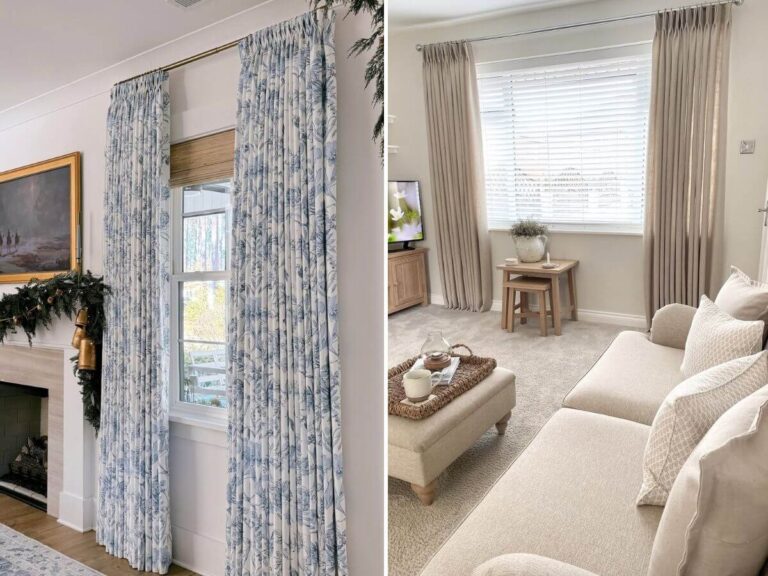
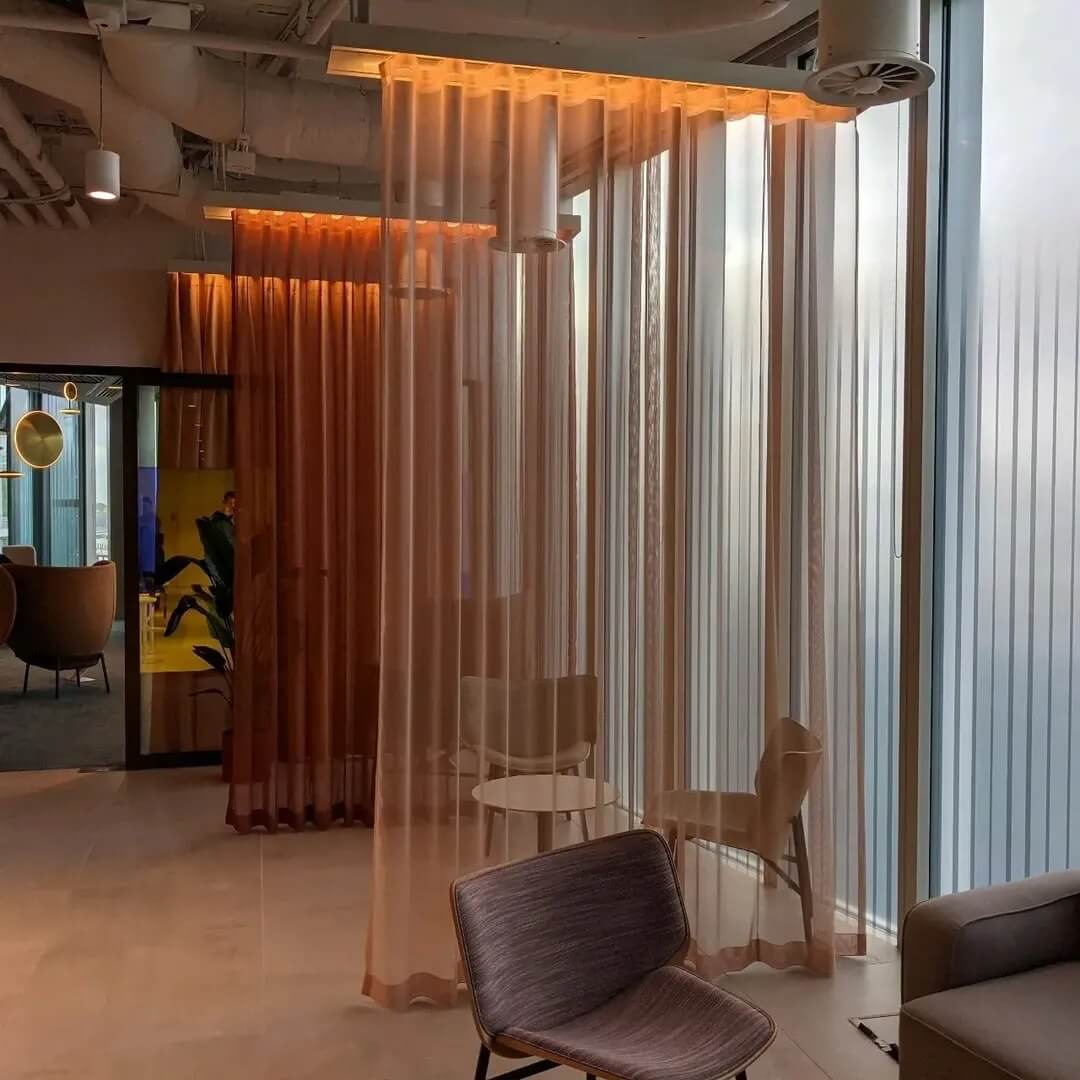
Curtains give you control.
Open when you want space.
Closed when you want privacy.
And it’s more practical than people think.
As The Spruce explains, “You can divide one room into two separate spaces by using wall-to-wall, floor-to-ceiling curtains, drapes, sliding screens, or by installing a temporary wall.”
That flexibility is powerful.
You’re not committing to one layout.
You’re creating options.
Add Vertical Elements That Don’t Block Light
If your space still feels too open, add vertical structure.
But keep it light.
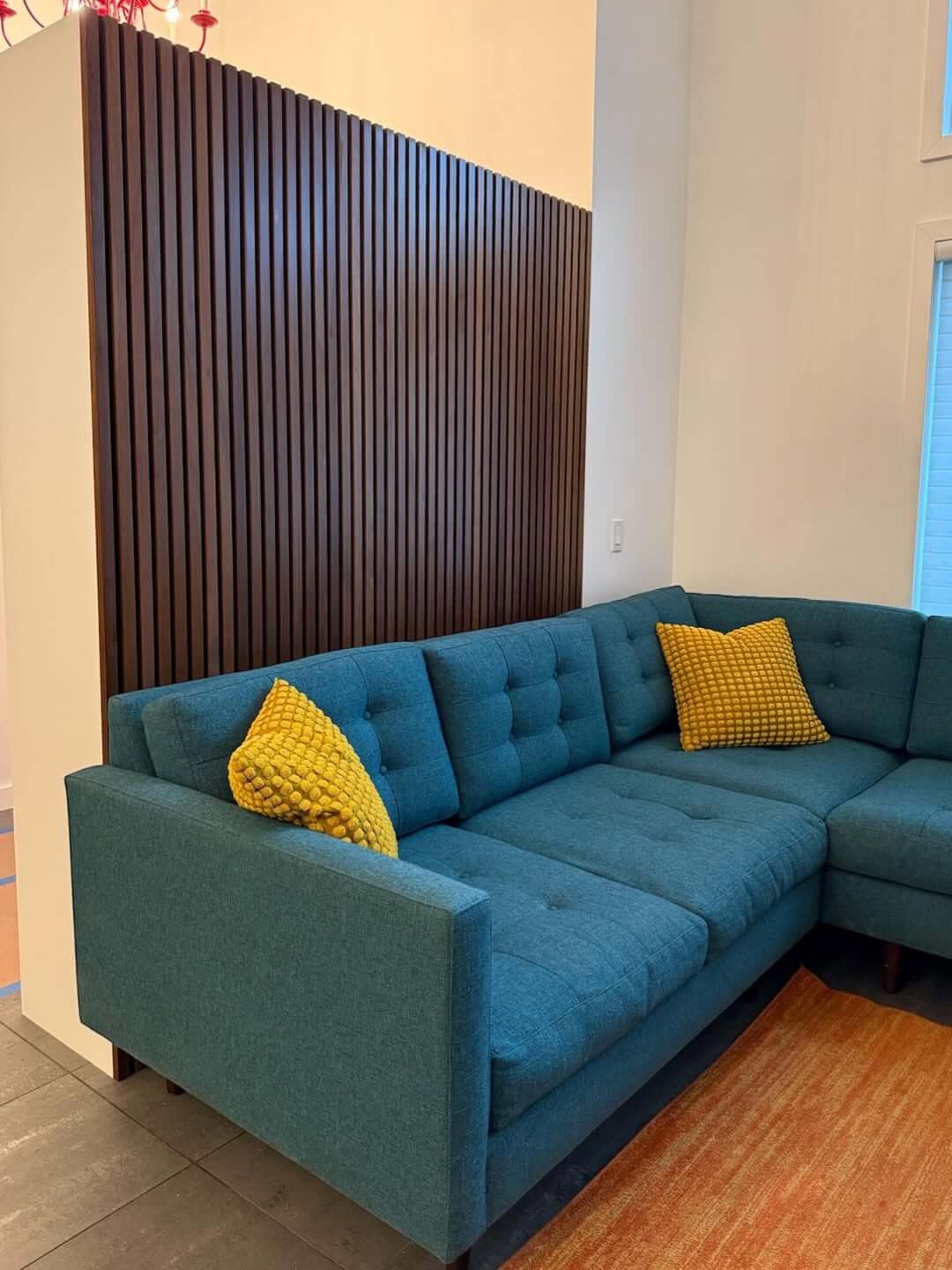
Think slatted wood panels, metal frames, or glass dividers.
These create boundaries without making the room feel smaller.
Which means you get privacy without losing openness.
Avoid anything too solid or bulky.
If it blocks all the light, it defeats the purpose.
Create Zones Using Rugs and Lighting
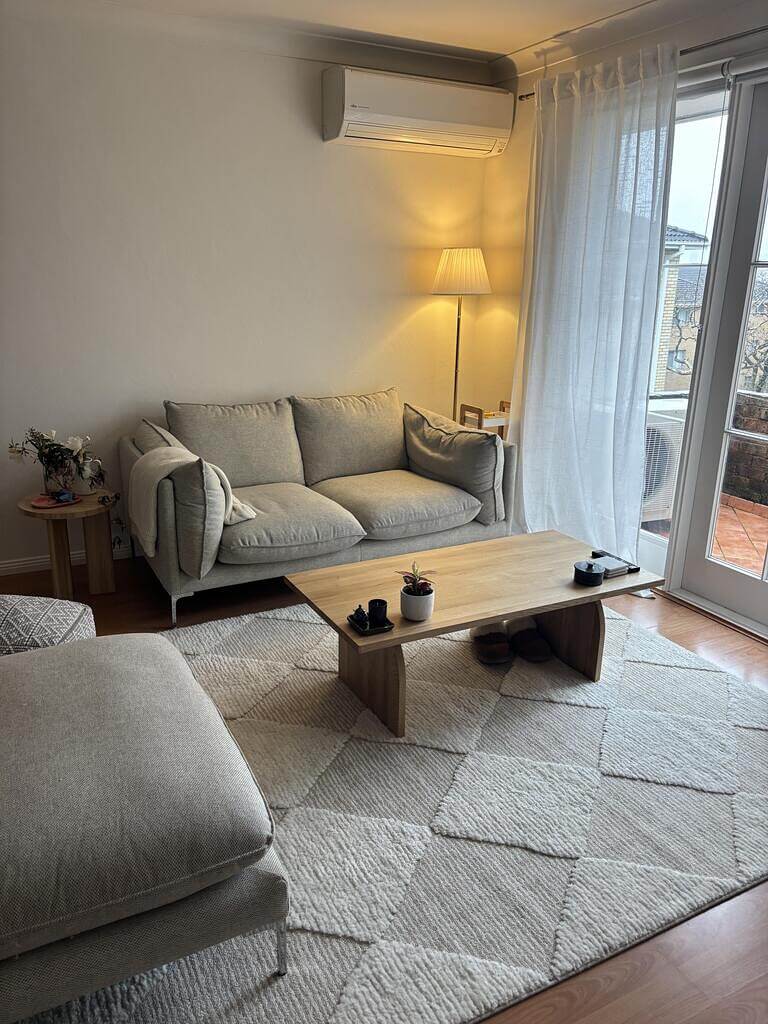
Not all partitions need to be physical.
Some are visual.
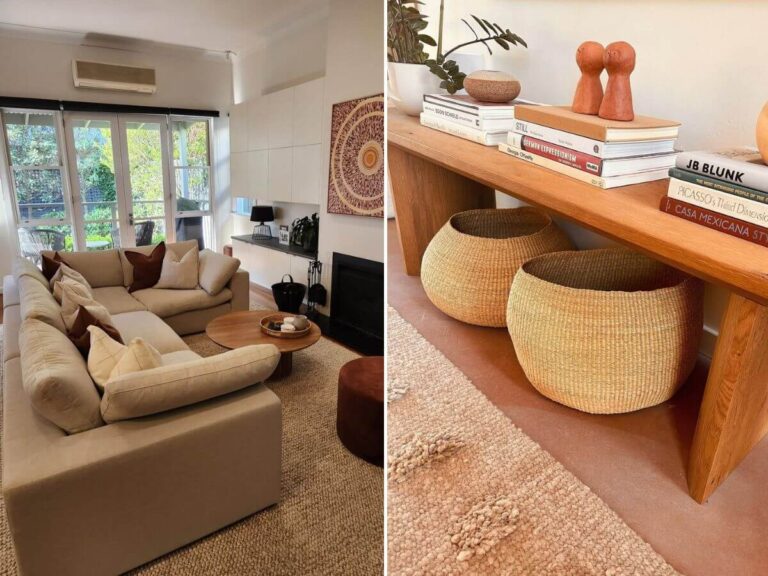
A rug can define a seating area instantly.
A floor lamp can create a reading corner.
These small signals tell your brain where each space begins.
I tried this without changing any furniture.
Just adding a rug and adjusting lighting.
The room felt completely different.
Use Color or Walls to Create Subtle Separation
Another simple trick.
Use color to define space.
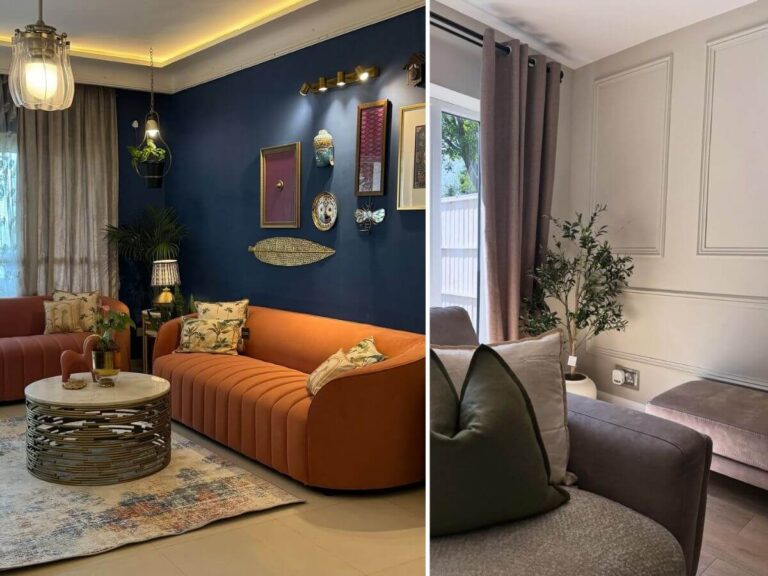
An accent wall behind your sofa.
A slightly different tone in a corner.
This creates separation without taking up space.
Perfect for smaller living rooms.
Keep It Light (Avoid the “Closed Off” Feel)
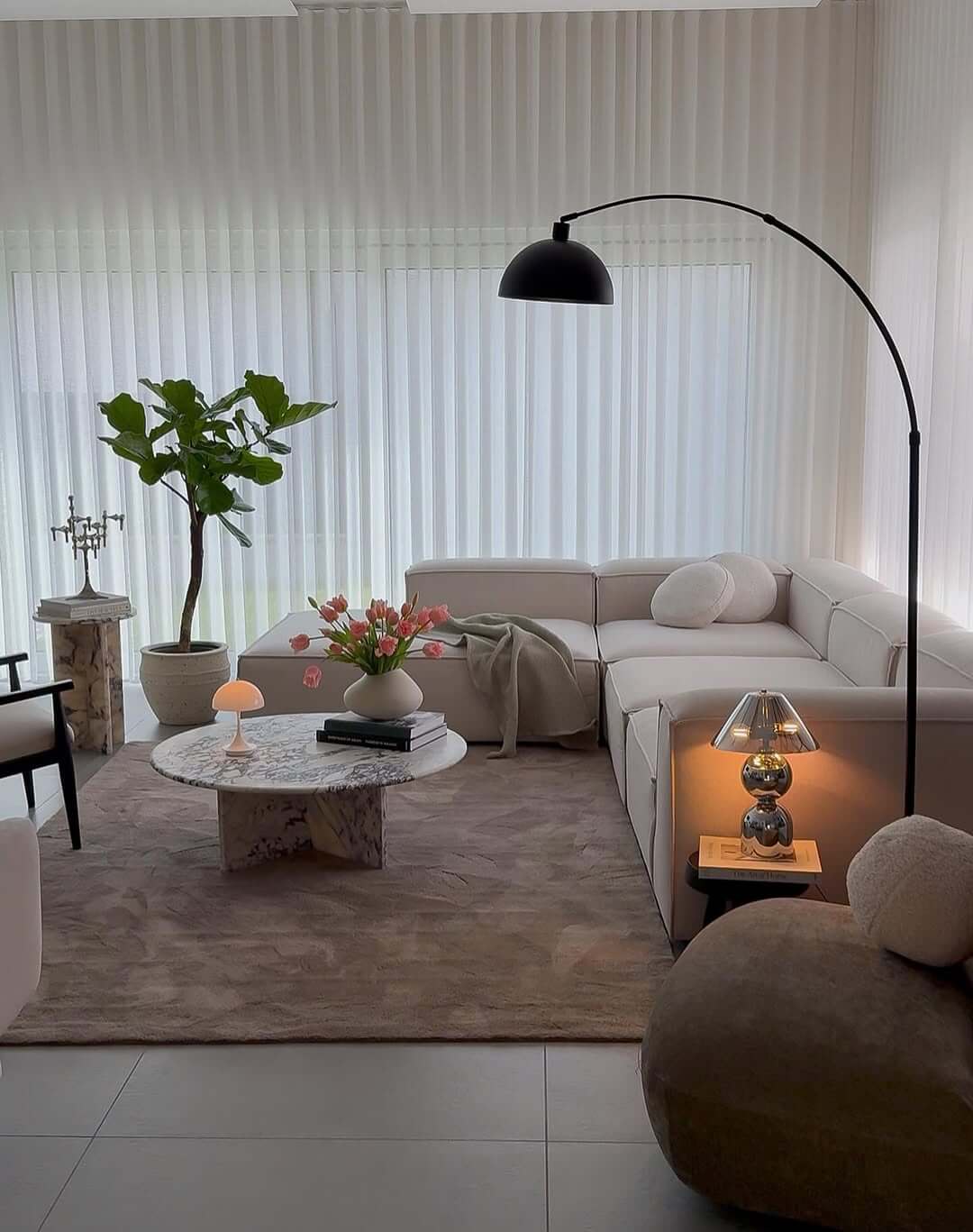
This is where most people go wrong.
They overdo it.
Too many dividers. Too many layers.
The space starts to feel tight again.
The goal isn’t to close off your living room.
It’s to guide it.
If your partition feels heavy, simplify.
Make the Partition Feel Like Part of the Room
Your divider shouldn’t feel like an add-on.
It should feel like it belongs.
Match materials with your furniture.
Repeat tones.
Keep everything visually connected.
That’s what makes the space feel seamless instead of pieced together.
Improve Your Space Without Buying Anything
Before adding anything new, try this.
- Move one piece of furniture.
- Clear one area.
- Create one defined zone.
I’ve done this more than once.
And it often works better than buying something new.
Quick Reset: Add Privacy in 15 Minutes
If you want a fast change, start here.
- Move your sofa slightly.
- Add a rug to define the space.
- Turn on a lamp in one area.
- Remove visual clutter.
Step back.
You’ll feel the difference immediately.
Common Partition Mistakes That Make Spaces Worse
If your space still feels off, check this.
- Blocking natural light
- Using bulky dividers
- Overcomplicating the layout
- Adding too many partitions
- Ignoring flow
Fixing even one of these can improve your space.
It’s About Separation, Not Division
You don’t need walls.
You need clarity.
Once your space has defined zones, everything feels easier.
More comfortable. More functional. More yours.
Start with one small change today.
And the next time you sit in your living room, it won’t feel like you’re in the middle of everything.
It will feel like each part of your space finally has its place.
Also read: