Luxury Dining Room Ideas That Feel Elegant but Still Livable
I used to think a luxury dining room had to look perfect all the time. A polished table, untouched chairs, everything in place like a showroom.
And honestly, it looked beautiful.
But if you’ve ever had a space like that, you’ve probably felt it too. That quiet hesitation before sitting down. The feeling that everything has to stay “just right.”
And over time, it starts to feel off.
The room gets used less. Meals feel a little too careful. And slowly, the space becomes something you look at more than live in.
That’s when I realized something important. A dining room that looks luxurious but doesn’t feel comfortable never becomes part of your daily life.
So I started paying attention to the spaces that actually worked. The ones that still looked elevated, but felt easy to sit in, eat in, and use without thinking twice.
That shift changes everything.
Here’s how to create a luxury dining room that feels elegant, comfortable, and actually gets used every day.
Why Most “Luxury” Dining Rooms Feel Untouchable
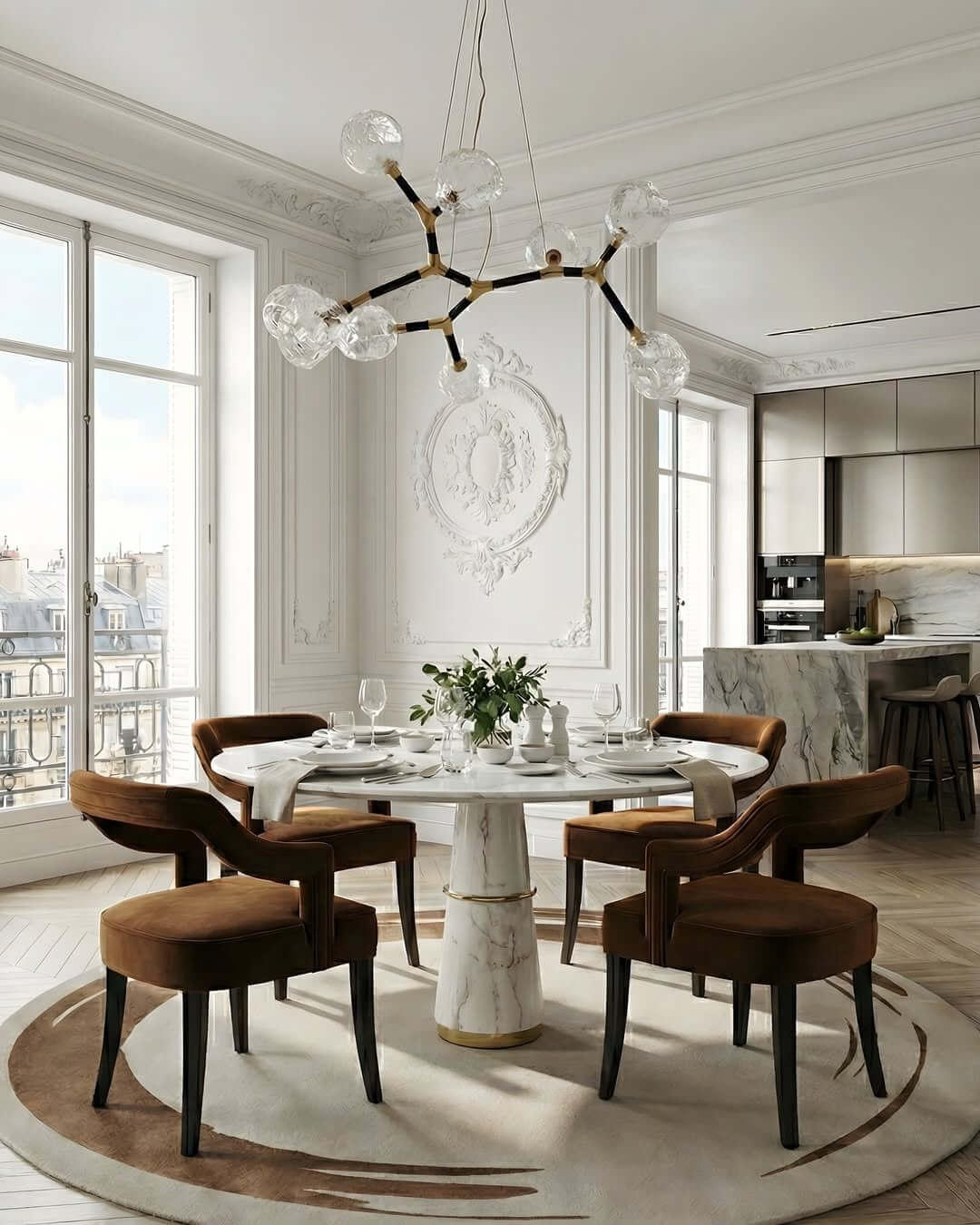
A lot of luxury dining rooms miss the mark in a quiet way.
They look stunning in photos, but in real life, they feel too formal. Too arranged. Almost like you’re not supposed to use them.
You’ve probably seen it. Chairs that are more about style than comfort. Tables that feel too delicate. Spaces that look finished, but not inviting.
Here’s what most people miss. Luxury gets confused with perfection.
The rooms people actually enjoy are the ones that allow a little movement. A little ease. A little life.
What Actually Makes a Dining Room Feel Luxurious
Luxury is not about how much you add. It’s about how the space feels when you sit down and use it.
And lately, I’ve noticed something shift. Many dining room trends are moving away from formal, untouched setups and toward spaces that feel lived-in but still refined.
That’s what makes them feel elevated over time. If you want to see how this is showing up right now, take a look at Dining Room Trends You Don’t Want to Miss.
When I started reworking my own dining area, the biggest change didn’t come from adding more. It came from choosing better. Fewer pieces, but ones that actually felt right in the space.
That approach lines up with how designers think about it too. According to Davidson London, “Designing such a space requires a thoughtful approach that balances elegance, comfort, and timeless style.”
That balance is where most rooms fall apart.
If a space looks elegant but feels uncomfortable, people avoid it. If it feels comfortable but looks unfinished, it never quite comes together.
The goal is simple. Create a space that looks good and feels easy to use at the same time.
Start With How You Actually Use the Space
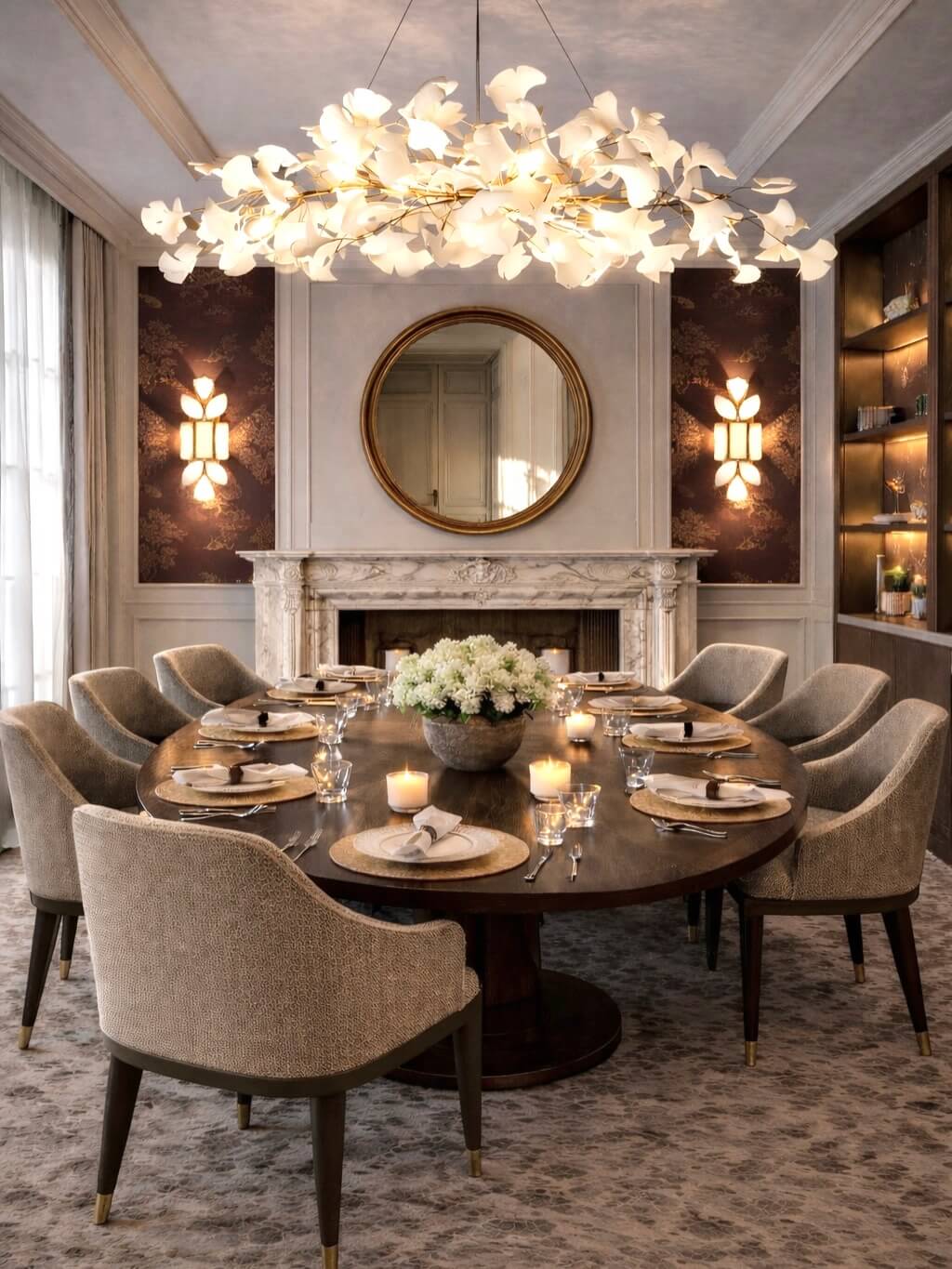
Before changing anything, pause and think about how your dining room is used.
Not how it looks in inspiration photos. Not how it “should” be used.
How you actually use it.
Do you eat there every day? Only on weekends? Do you host often, or is it mostly for quiet meals?
I once designed around special occasions. It looked great, but it didn’t fit my routine.
Now I start with real life.
Try this once. Picture your next meal at that table. What feels uncomfortable? What feels unnecessary?
That’s where your changes should begin.
Simplify First, Then Add Back Intentionally
Most people try to layer luxury on top of what’s already there.
That rarely works.
Start by removing anything that feels like noise. Extra decor, mismatched pieces, anything that doesn’t add to the mood.
When I did this, the room felt calmer almost immediately.
Only then do you add back.
Better textures. Cleaner materials. Pieces that feel considered.
Luxury often shows up when there’s space to notice what remains.
Focus on One Strong Focal Point
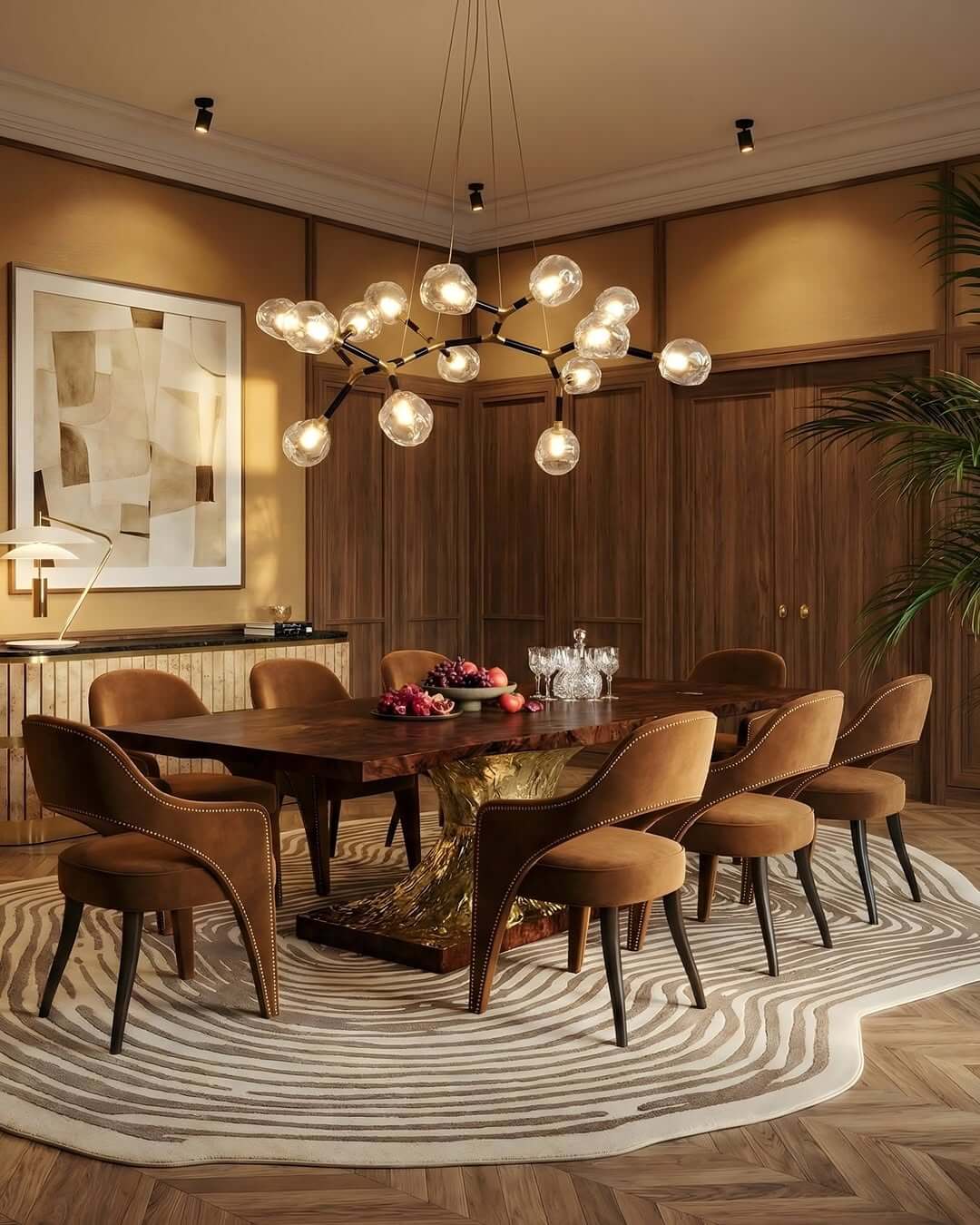
Every dining room that feels elevated has a clear center.
Without it, the space feels scattered.
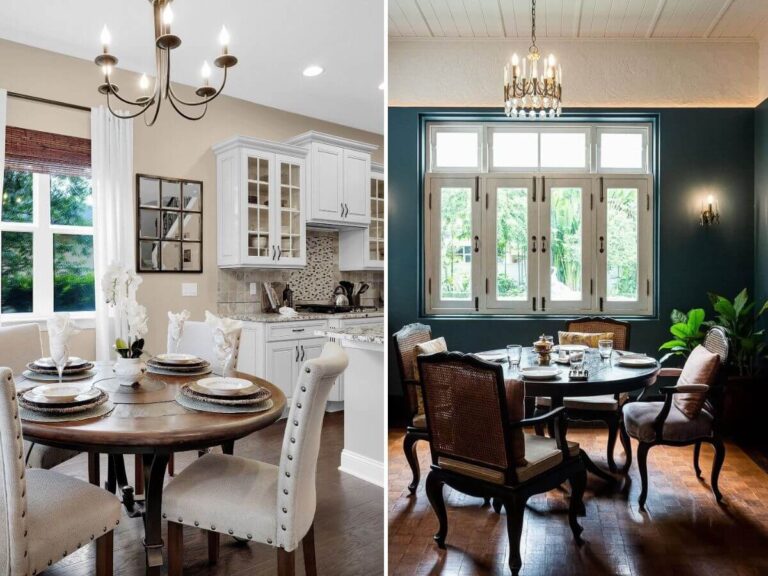
For most rooms, this is the table or the lighting above it.
According to Hommes Studio, “The dining table always must be the focal point in it.”
Once I treated the table as the anchor, everything else fell into place.
Quick check. Walk into your dining room. Where do your eyes land first?
If it’s unclear, strengthen your focal point.
Use Materials That Feel Elevated (Even in Small Doses)
Luxury often comes down to materials.
Not how many you use, but how they feel together.
You don’t need a full makeover. One or two upgrades can shift the entire space.
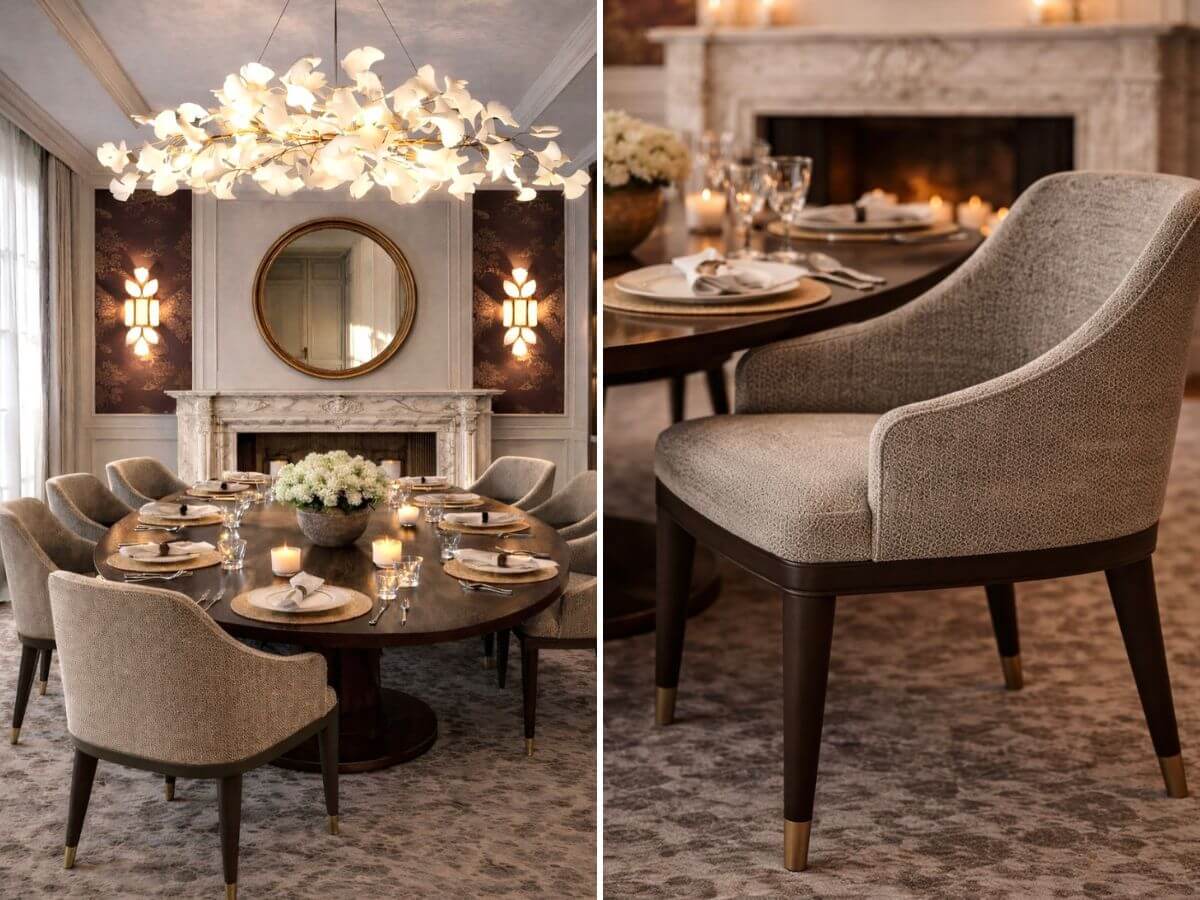
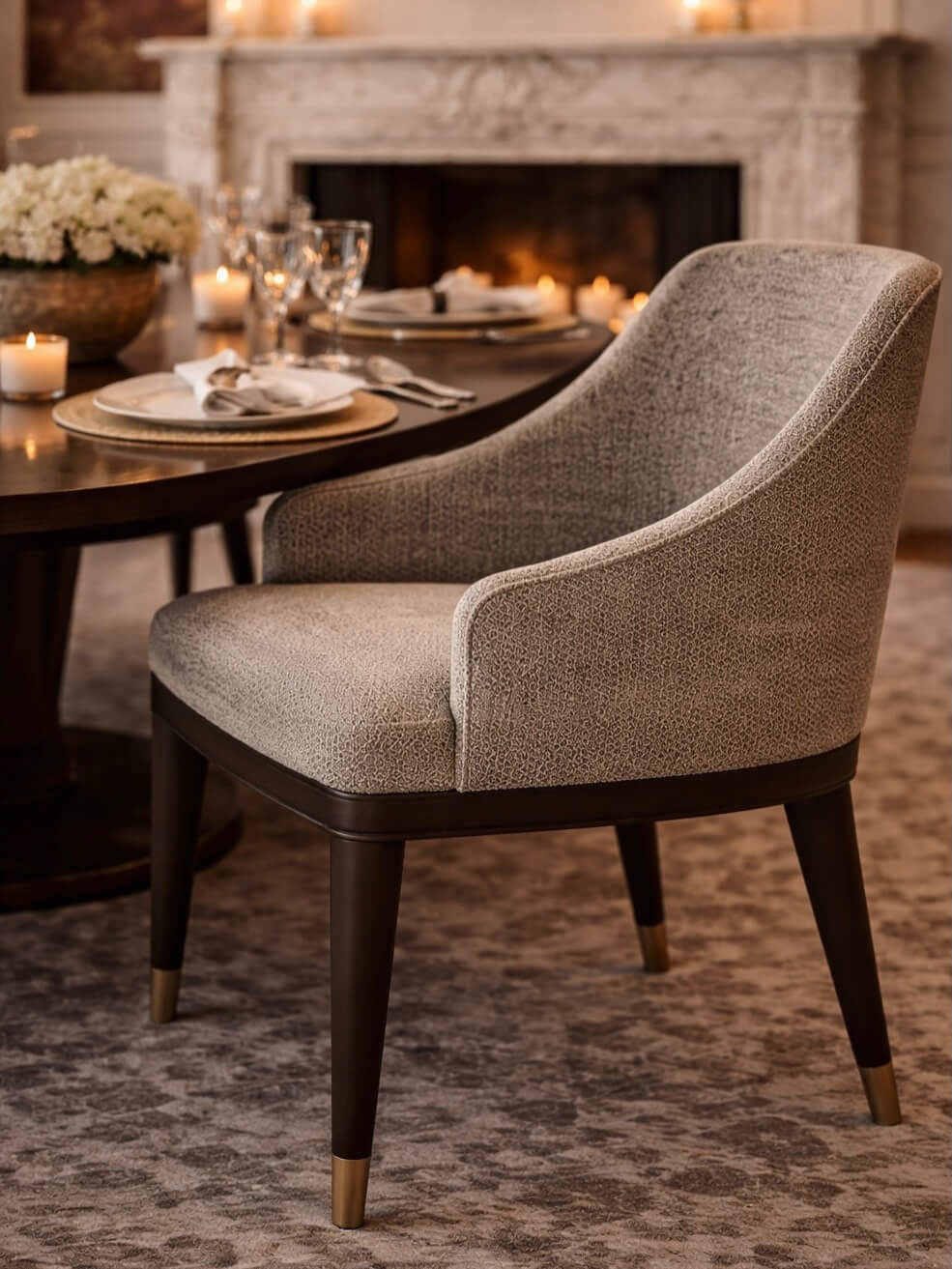
A solid wood surface. A fabric chair that feels structured. A subtle metal accent that catches light.
I changed one material in my space, and the room instantly felt more grounded.
Think in contrast. Smooth with textured. Light with deeper tones. Soft with structured.
That mix creates depth without clutter.
Lighting Is What Changes Everything
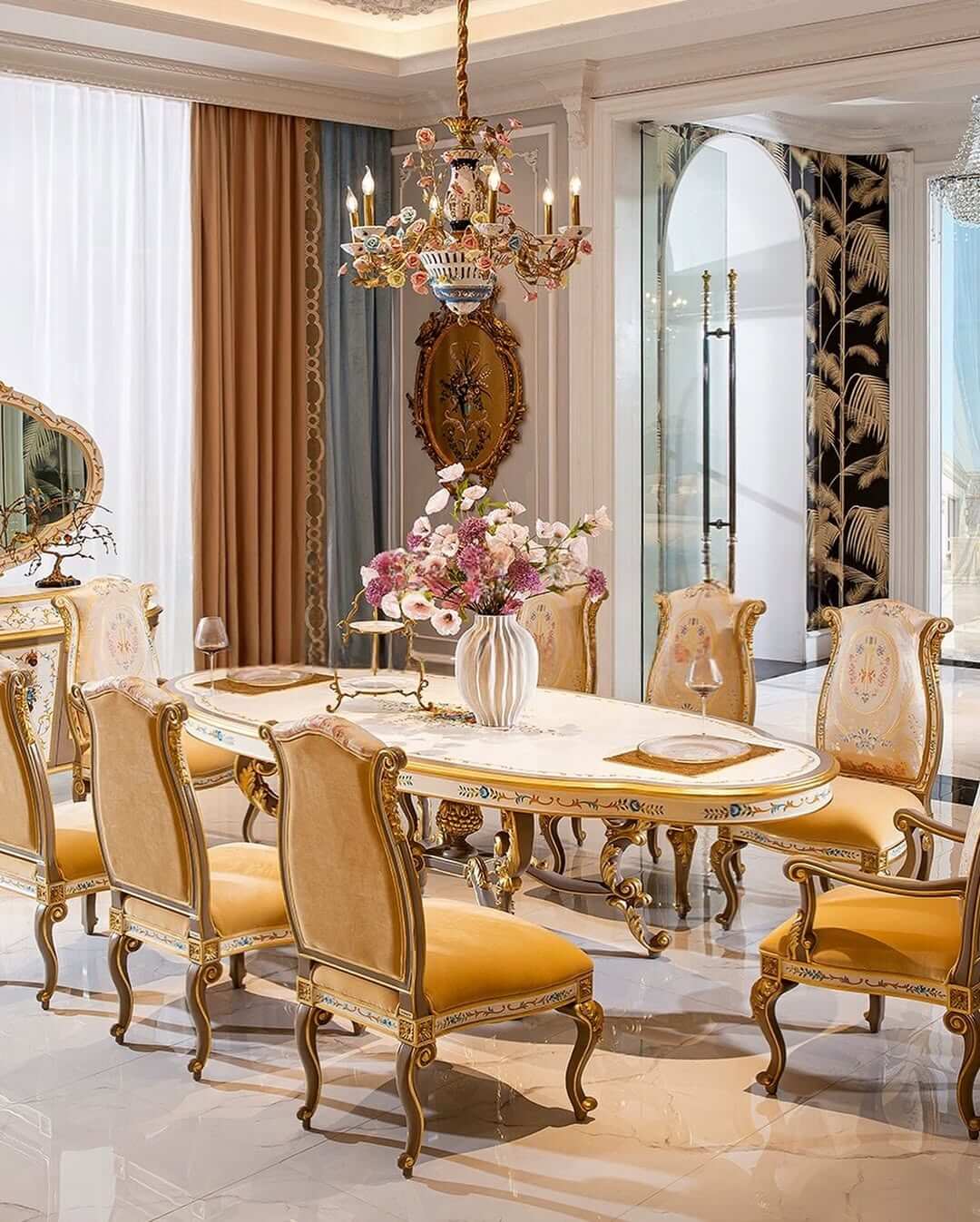
Lighting is usually the one thing people overlook, but it has the biggest impact on how a dining room feels.
A single harsh overhead light can make the entire space feel flat and uninviting, no matter how good everything else looks.
But when the lighting is right, the room instantly feels warmer and more put together.
I noticed this in my own space. I didn’t start with the table or chairs. I changed the lighting first. That one shift made the whole room feel more intentional without touching anything else.
Design guidance supports this too. According to Beautiful Homes, “A statement light fixture above the table ties the look together.”
And that’s exactly what it does. It gives the room a clear center and softens the overall feel at the same time.
If you want to go deeper on this, take a look at Dining Room Lighting Ideas That Set the Perfect Mood. It will give you a clearer idea of how to layer lighting in a way that actually works.
Try this tonight. Turn off your main light and switch to something softer. Even that small change will show you how much lighting shapes the space.
Keep It Comfortable, Not Just Beautiful
A dining room that looks good but feels uncomfortable won’t get used.
Comfort matters more than most people expect.
Chairs should support a full meal. The table should feel usable. The space should allow movement without feeling tight.
If people avoid sitting there, something needs adjusting.
Luxury should feel easy to live with.
Add Personality Without Clutter
A clean space matters, but it shouldn’t feel empty.
Add just enough personality to make it feel yours.
One meaningful piece. A subtle detail. Something that connects to your taste.
If it doesn’t add to the feeling of the room, it doesn’t stay.
That approach keeps everything balanced.
How to Make a Small Dining Room Feel Expensive
Small spaces are easier to control.
You don’t need many pieces to make an impact.
Focus on scale. Choose pieces that fit instead of filling the room.
Keep the layout open. Use light carefully.
In smaller rooms, every detail stands out more. That’s what makes them easier to refine.
Common Mistakes That Break the Look
- Too many items competing for attention.
- Lighting that feels too bright or too cold.
- Trying to match everything perfectly.
Quick rule. When in doubt, remove something.
Putting It All Together Without Overthinking It
Start by clearing the space.
Choose one strong focal point.
Upgrade one or two materials.
Fix the lighting.
Add a small personal touch.
That’s enough to change how the room feels.
Why Livable Luxury Always Wins
The best dining rooms are the ones that get used.
Not just admired.
Luxury is not about distance. It’s about creating a space that feels good to be in every day.
Before you change anything, pause for a second.
Would you actually enjoy sitting here for an hour?
If the answer is yes, you’re on the right track.
If you had to change just one thing in your dining room today, what would it be?
Also read: