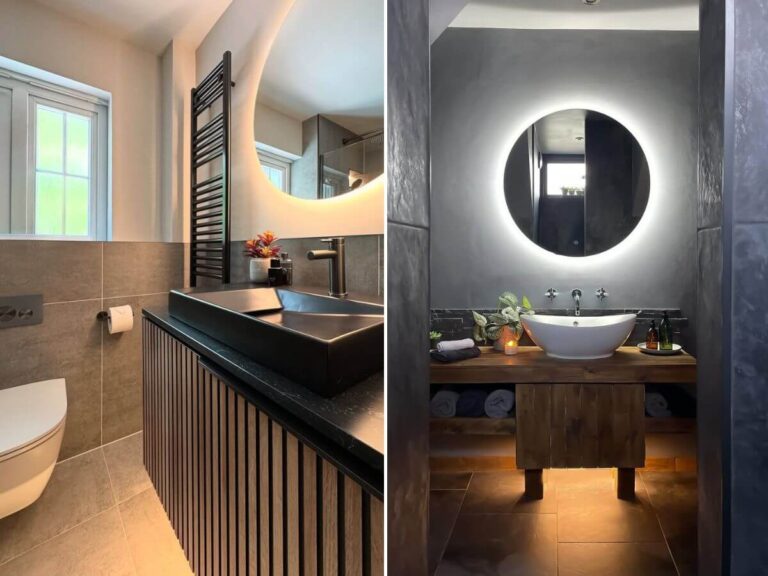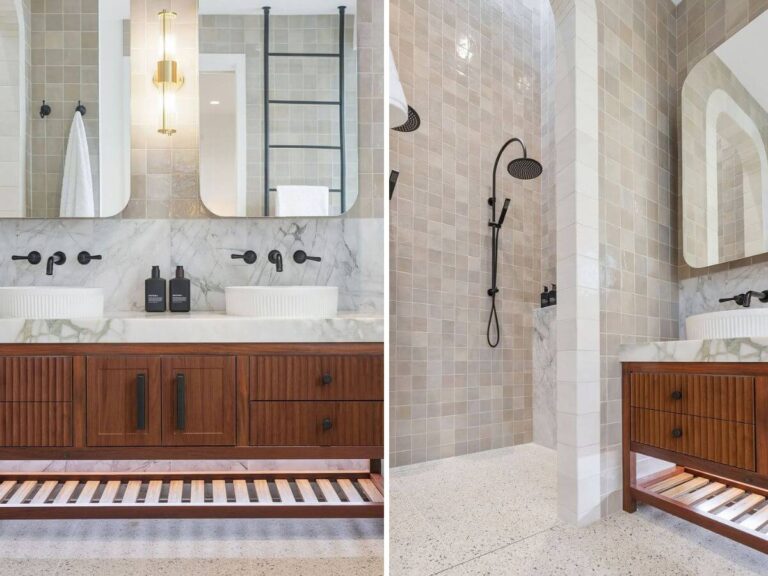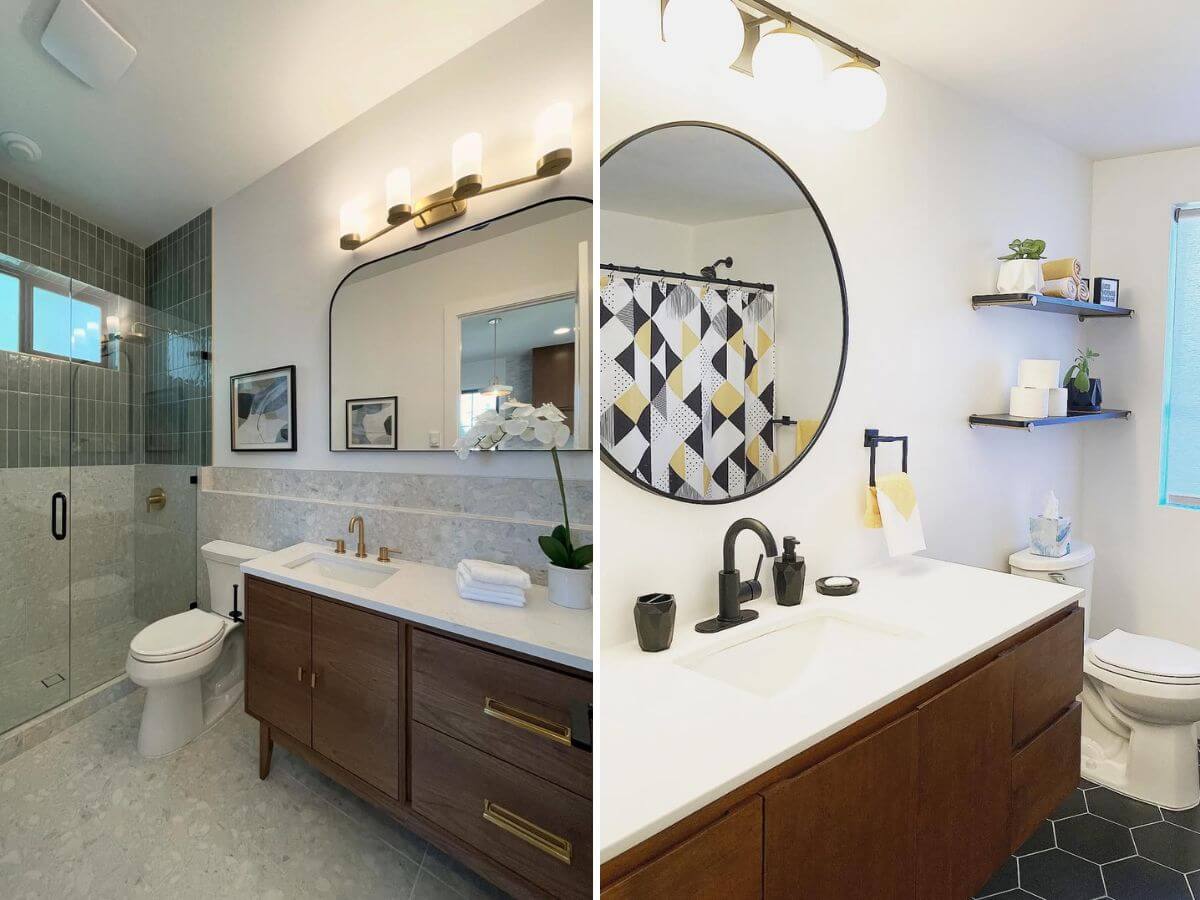
Mid Century Modern Bathroom Ideas That Feel Clean, Warm, and Stylish
I used to think my bathroom was fine.
It was clean. Functional. Nothing obviously wrong.
But every time I walked in, it felt a little flat. Slightly outdated in a way I couldn’t quite explain.
And the frustrating part was, no matter how much I cleaned or rearranged, that feeling never really went away.
If your bathroom looks “fine” but still feels off, you’re not imagining it.
That usually has nothing to do with clutter.
It comes down to how the space is designed.
I tried the usual fixes.
Reorganized shelves. Swapped a few decor pieces. Cleared the counter.
It looked better.
But it still didn’t feel right.
That’s when I realized the problem wasn’t what I had.
It was how everything worked together.
There was no focal point. No warmth. No structure holding the space together.
The moment I introduced a few mid-century elements, everything shifted.
The bathroom didn’t just look cleaner.
It felt warmer. Easier to move through. More put together in a way that actually lasted.
Like a space that finally made sense the moment you walked in.
And that’s when it clicked.
A bathroom doesn’t feel stylish because it has more in it.
It feels stylish when everything works together.
If your bathroom feels clean but still a little outdated or flat, this is usually what’s missing.
Here’s what actually made the difference, and what you can try today to make your bathroom feel cleaner, warmer, and far more intentional.
Why Your Bathroom Feels Clean but Still “Off”
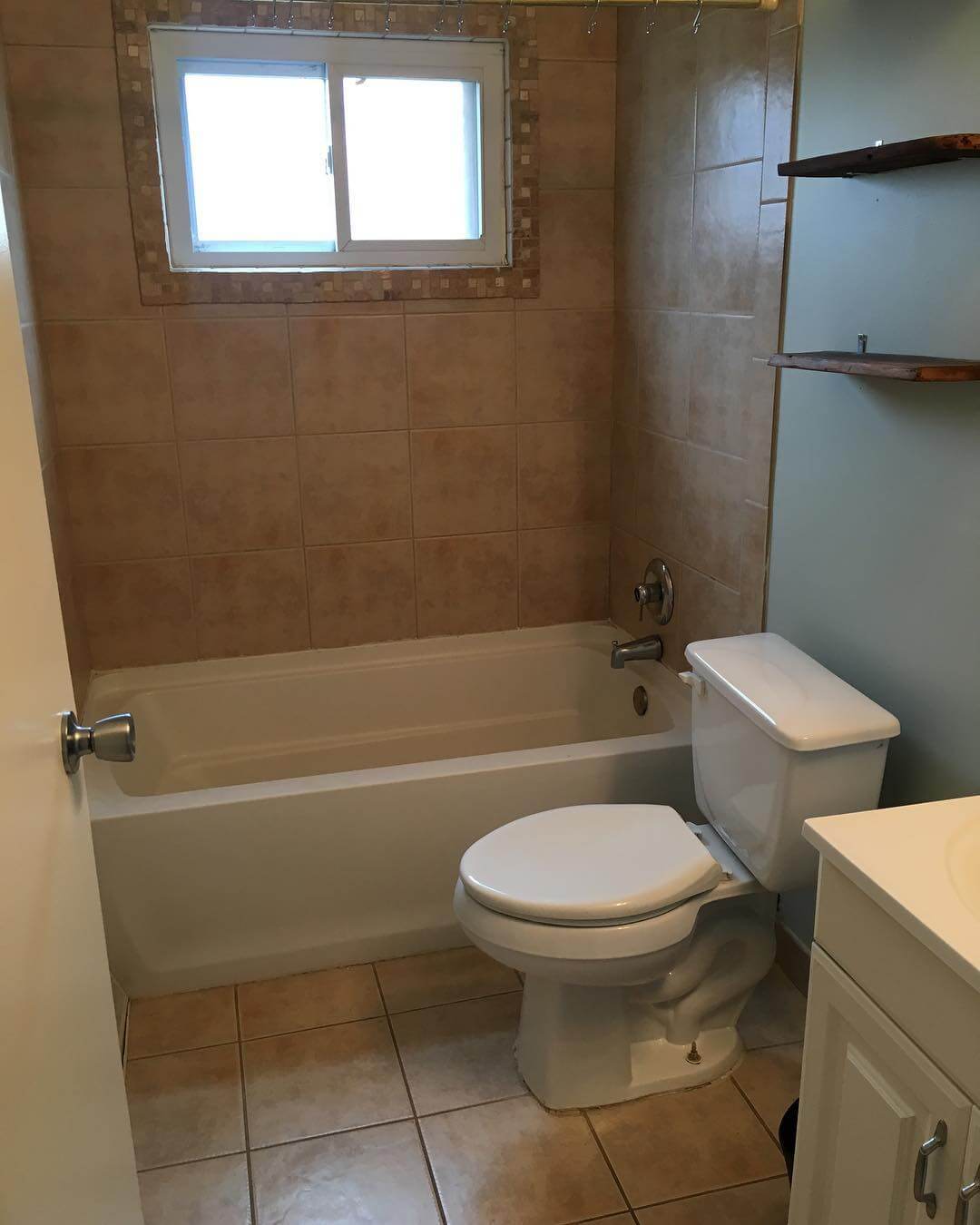
A bathroom can be spotless and still feel unfinished.
That usually comes down to one thing.
There’s no structure behind what you’re seeing.
Too much white. No contrast. No focal point.
Everything blends together.
There’s a reason mid-century spaces feel different.
As The Spruce explains, “A midcentury modern bathroom has clean lines, a focus on natural light and a connection to the outdoors, and the use of materials such as wood, glass, and stone.”
That combination is what creates clarity.
Once you see that, you stop trying to “fix” things randomly and start building intention into the space.
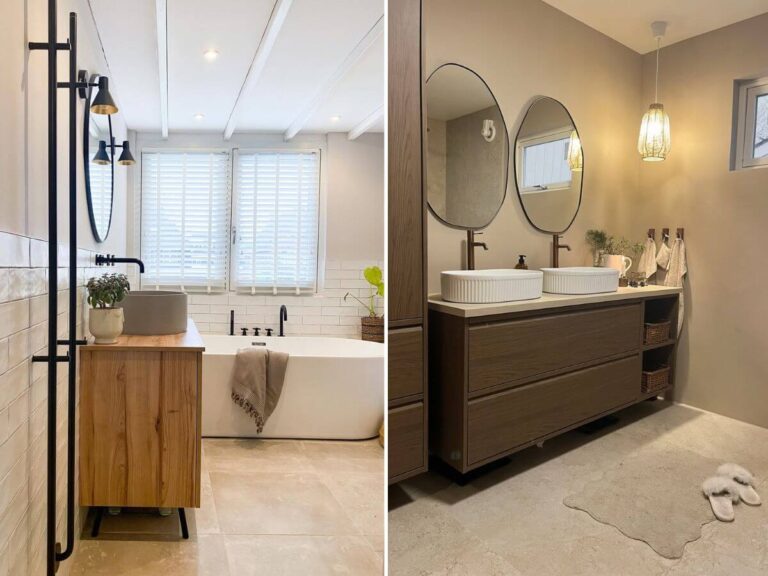
Start With One Statement Piece (Anchor the Space)
The biggest shift for me came from doing less.
Instead of trying to improve everything, I picked one focal point.
A vanity.
That was it.
But it changed how the entire room felt.
Mid-century design works best when your eye has somewhere to land.
If everything is equal, nothing stands out.
Try this.
Pick one element that naturally draws attention.
A mirror. A vanity. A light fixture.
Focus on that first.
Once you have an anchor, everything else becomes easier to arrange around it.
And once that anchor is in place, warmth starts to matter more.
Use Warm Wood Tones to Add Instant Warmth
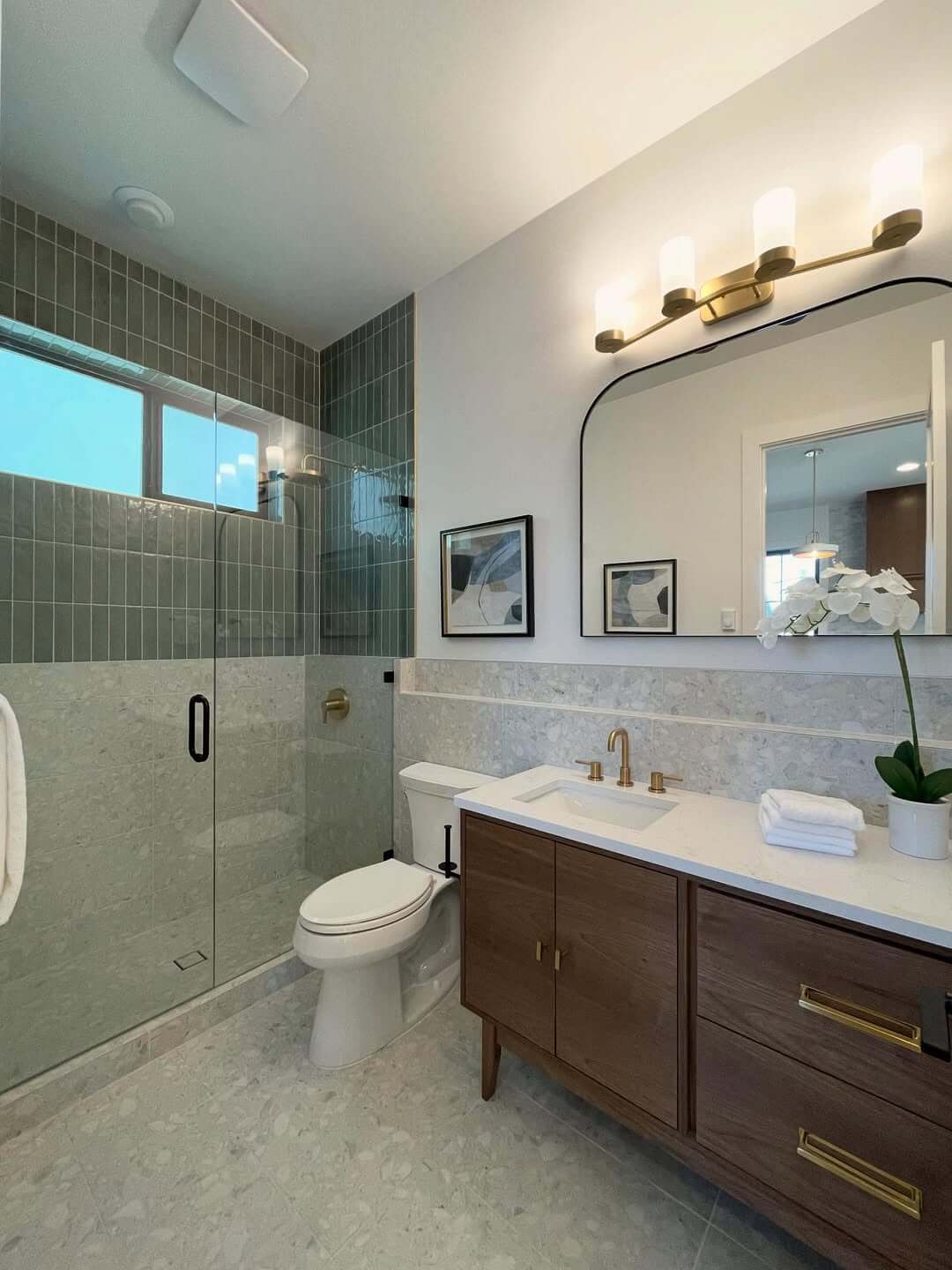
This is where mid-century design really comes alive.
Wood changes everything.
Even a small amount.
I added a simple wooden tray at first.
Then later, a wood-accented mirror.
That was enough.
It felt like a place I actually wanted to slow down in, not just get ready and leave.
There’s a reason wood is such a defining feature.
As House Beautiful explains, “Originating in the 1940s and ’50s, the style is defined by rich wood tones, saturated colors, and clean lines.”
That richness softens the clean surfaces and makes the space feel lived-in instead of clinical.
Keep Lines Clean and Simple (Avoid Visual Noise)
At one point, I thought adding more pieces would make the space feel more styled.
It didn’t.
It made things feel busy again.
The real shift came from removing things.
Cleaner surfaces.
Fewer items.
More space.
That’s what made the room feel intentional.
There’s a reason simplicity is at the core of this style.
As National Design Academy explains, “Mid-century modern is characteristically simple with clean lines and material choice came before fussy design elements.”
That idea changes how you approach everything.
You stop decorating and start editing.
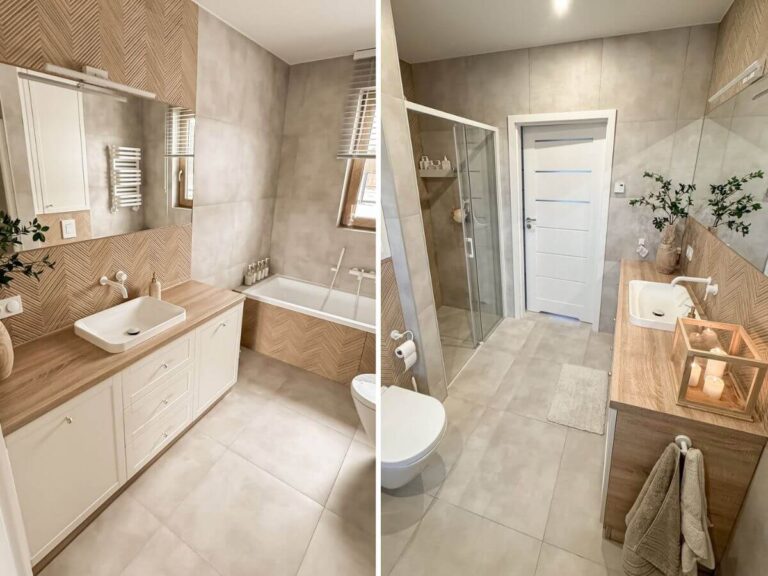
Mix Warm and Cool Elements for Balance
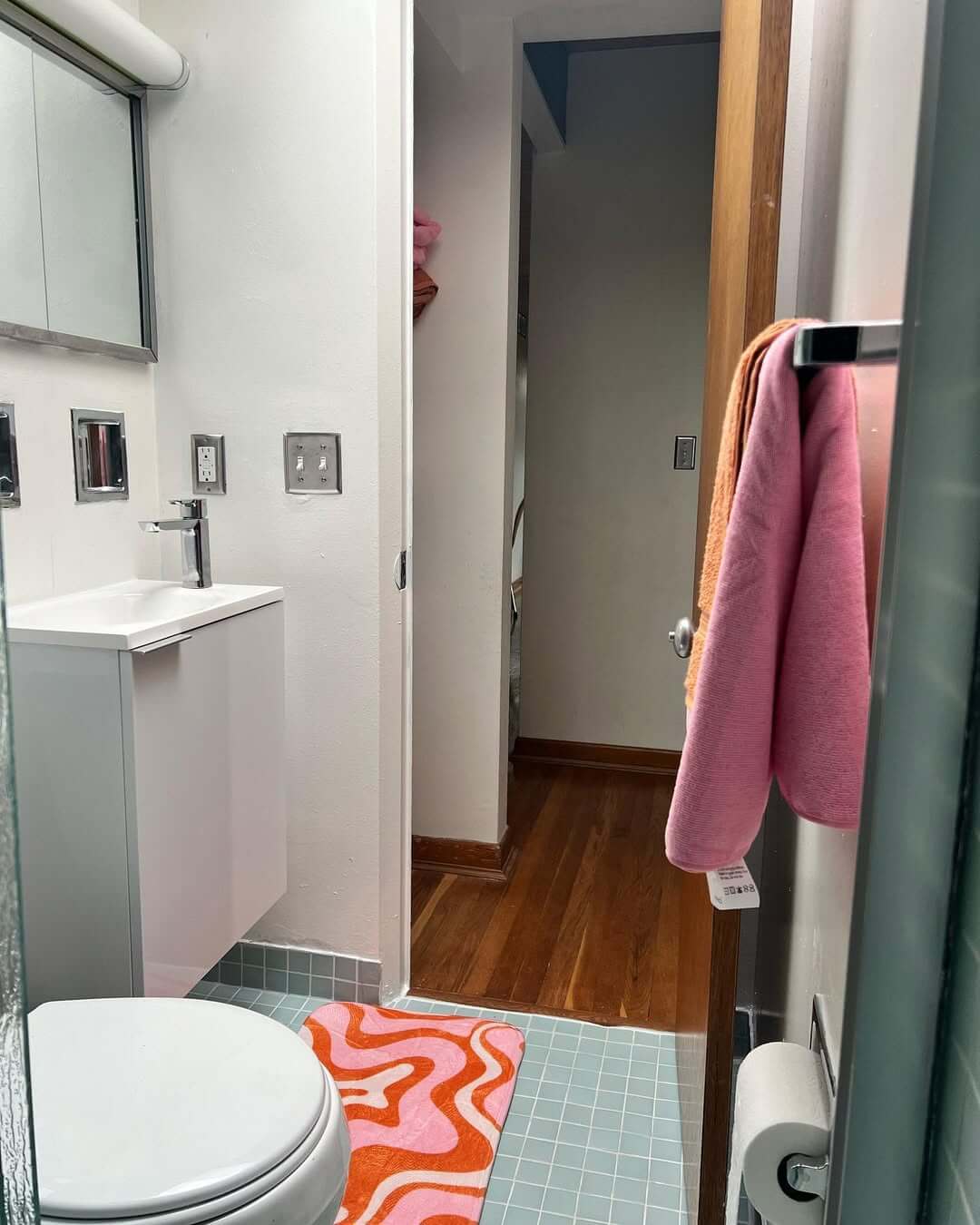
Too much warmth can feel heavy.
Too much cool tone can feel distant.
The balance is what makes the space feel right.
Wood with white.
Warm tones with clean surfaces.
A small darker accent to ground everything.
You don’t need to get it perfect.
Just avoid extremes.
That alone keeps the space feeling steady instead of off.
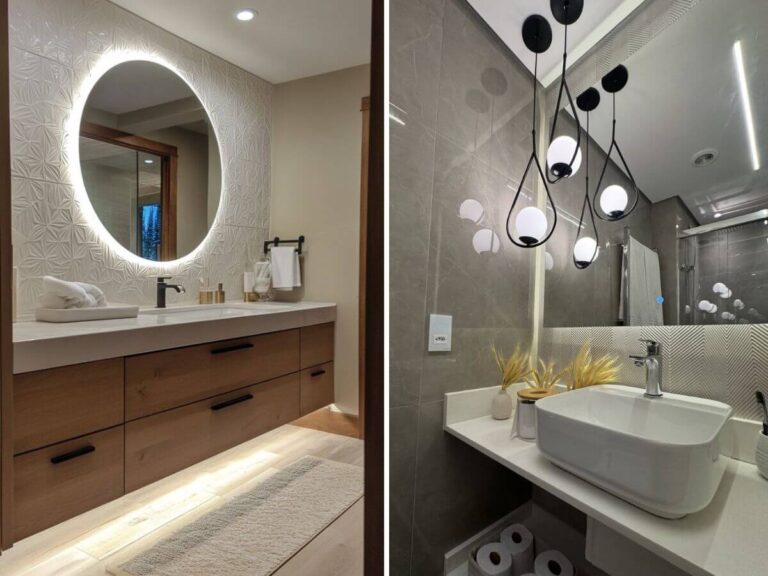
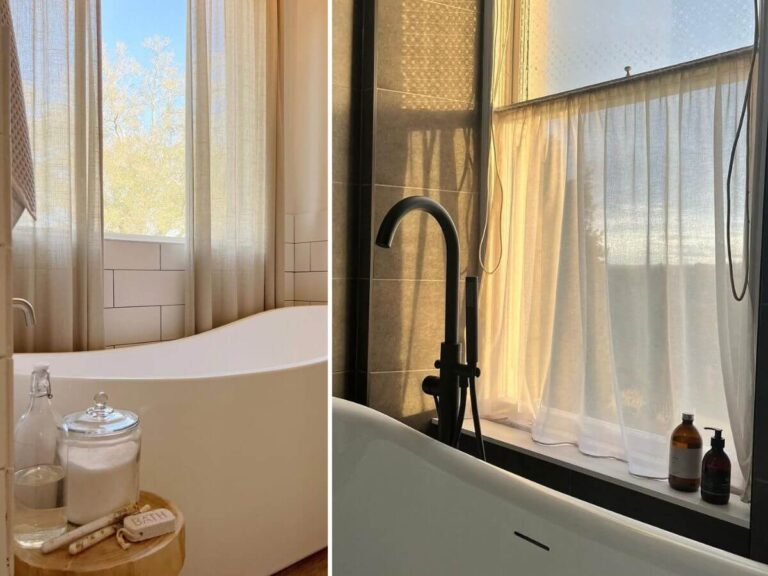
Choose Lighting That Feels Soft but Intentional
Lighting changes how everything feels.
Before I adjusted mine, the space always felt slightly harsh.
Too bright. Too direct.
The shift came from softening it.
Warmer bulbs.
More diffused light.
Less intensity.
Even that small change made the space feel calmer.
More like somewhere you want to spend time, not just pass through.
Add Contrast Without Overcomplicating
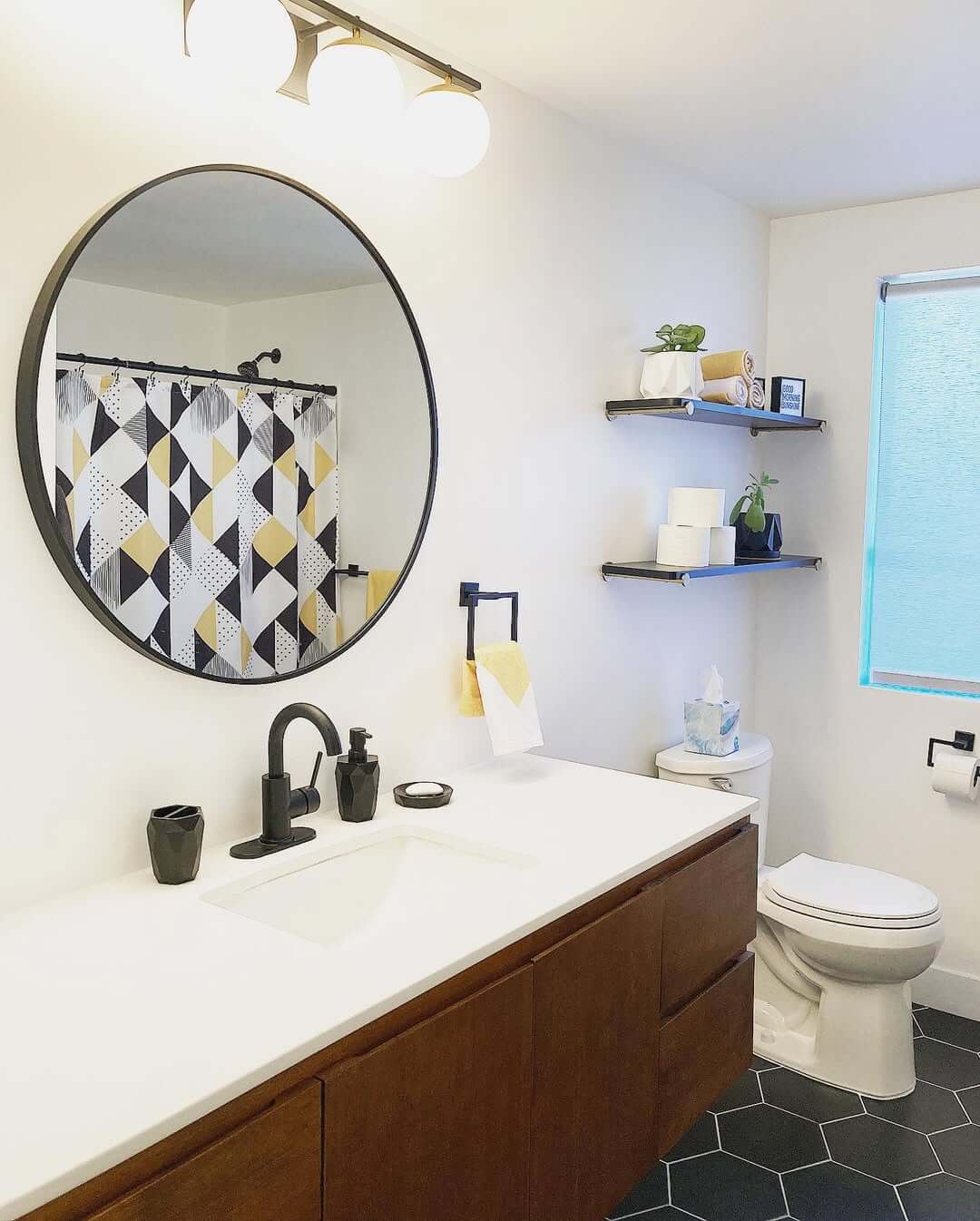
Flat spaces fade into the background.
Contrast is what gives them shape.
For me, that meant adding a few darker accents.
A black faucet.
A darker frame.
Nothing major.
But enough to break the sameness.
That contrast keeps things interesting without adding more items.
Use Minimal Decor (But Make It Count)
Mid-century design isn’t empty.
But it’s not crowded either.
Every piece should feel intentional.
I went from having multiple small items to just a few.
A tray. A plant. One object.
That alone shifted the entire feel of the space.
When each item has space, it feels more considered.
Let Materials Do the Work
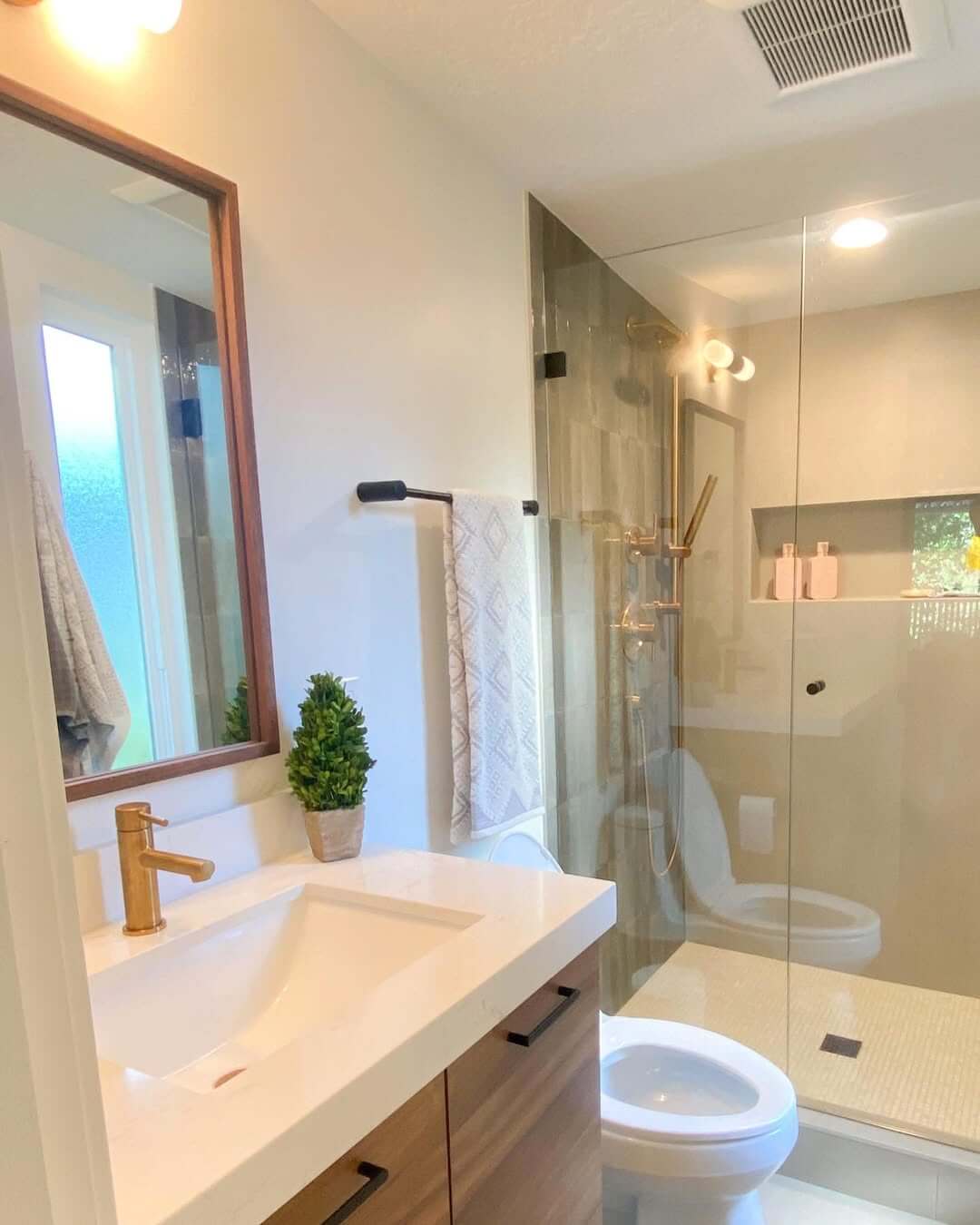
At one point, I relied too much on decor.
It didn’t hold up.
The real shift came from focusing on materials.
Wood. Ceramic. Stone.
These add depth without adding clutter.
That’s what keeps the space clean but still interesting over time.
Make Small Bathrooms Feel More Open and Designed
Small bathrooms show every mistake faster.
What worked best for me was using fewer, stronger elements.
One focal point.
Clean lines.
Balanced tones.
That made the space feel more open without changing anything physically.
Create a “Designed” Look Without Renovating
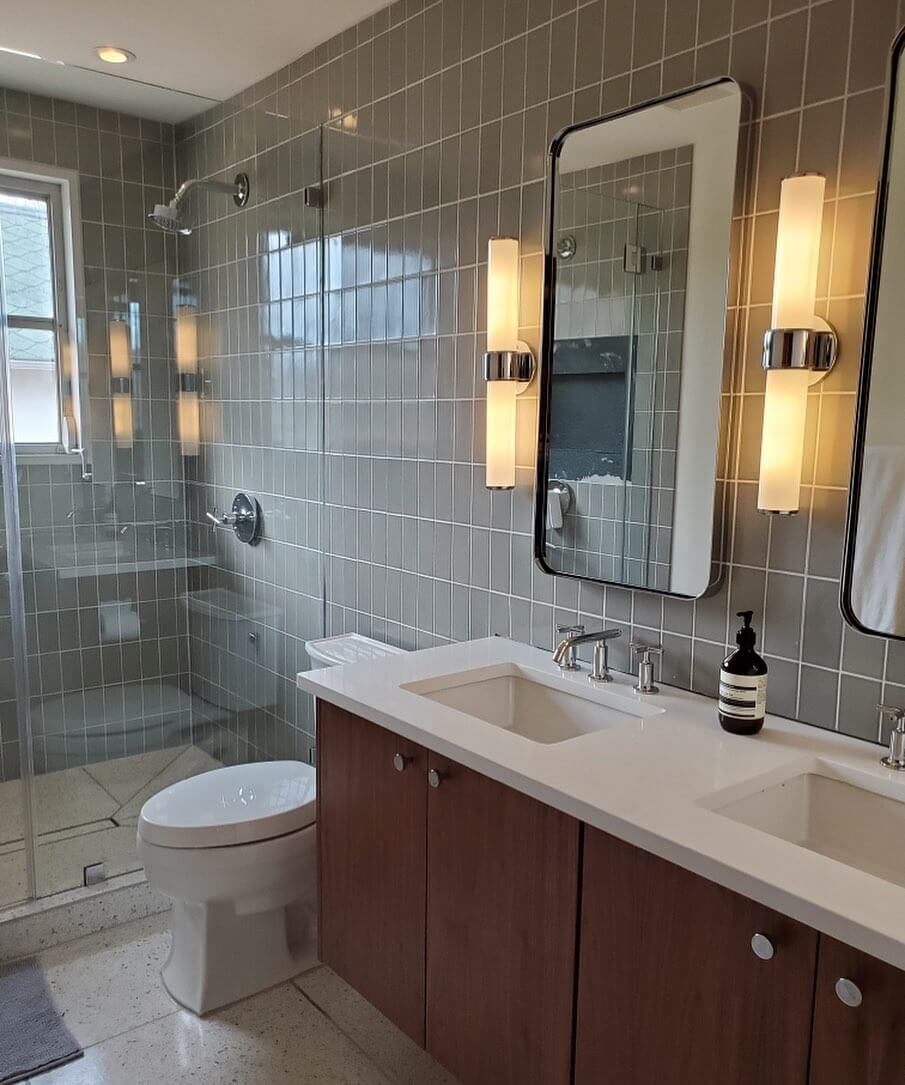
You don’t need a full remodel.
I didn’t do one.
I changed a few key pieces.
A mirror. A light. A small wood element.
That was enough.
Because design isn’t about how much you change.
It’s about where you change it.
Quick Mid Century Bathroom Fixes You Can Try Today
If you want a fast reset, start here:
- Swap one light bulb to a warmer tone
- Add one wood element
- Remove 3–5 unnecessary items
- Introduce one darker accent
Start with just one.
That small shift is usually enough to change how the entire space feels the next time you walk in.
Common Mid Century Bathroom Mistakes to Avoid
- Adding too many items
- Going too minimal so it feels empty
- Ignoring warmth completely
- Mixing too many styles at once
Fix just one of these, and you’ll feel the difference almost immediately.
How to Get the Look Without Buying Everything New
You don’t need new decor.
I didn’t buy much when things finally started to feel right.
I just rearranged what I already had.
Moved pieces from other rooms.
Used things differently.
That’s what made the difference.
Final Thoughts
A bathroom doesn’t feel stylish because it has more in it.
It feels stylish because everything works together.
Mid-century design is about balance.
Clean, but not cold.
Warm, but not heavy.
Simple, but not empty.
Start with one change.
Then step back and notice how the space feels. Not just how it looks.
That moment when everything feels calmer, warmer, and easier to exist in?
That’s when you know it’s working.
Also read:
Farmhouse Bathroom Ideas That Make Your Space Feel Warm, Not Dated