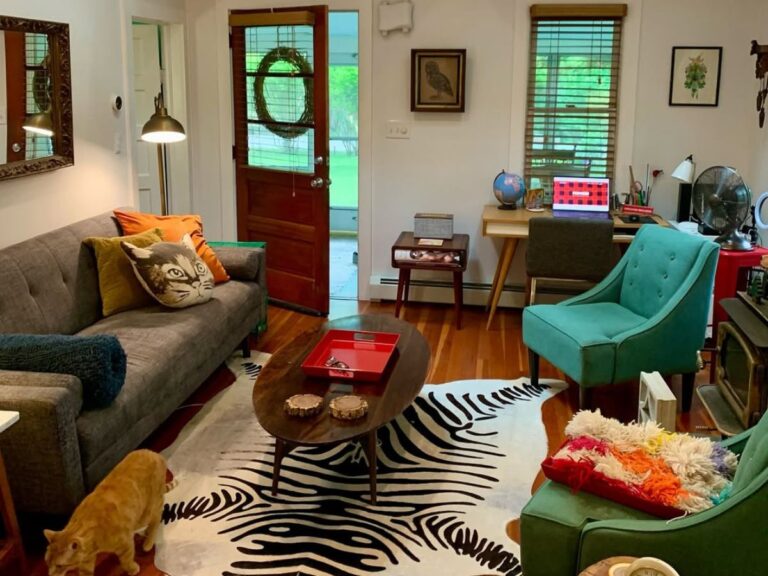
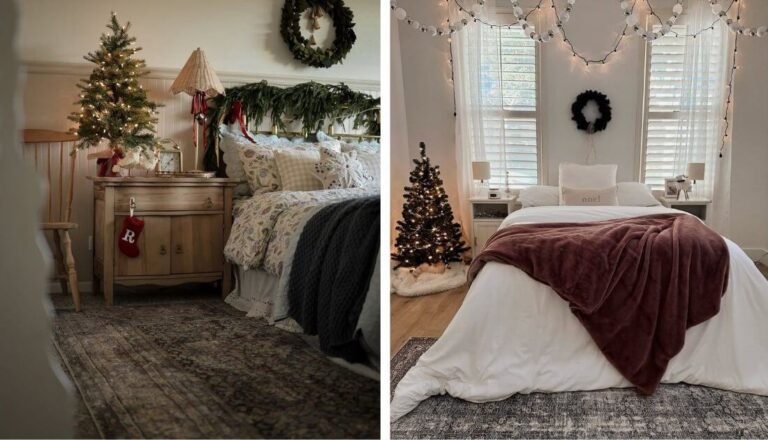
Neutral Spring Decor for Homes That Want a Softer Look
By early spring, I always feel it. The house looks fine on paper, but it feels tense. Heavy. Almost like winter never really left.
If you’ve ever walked through your home and felt visually tired without knowing why, this is usually the reason. Seasonal layers linger past their moment, and the space stops breathing the way it should.
Neutral spring decor works best when the goal is ease. Not a dramatic refresh. Not a styled moment. Just a home that feels lighter to live in day after day. The kind of changes you can make in an afternoon, without buying more or starting over.
A softer look comes from how a space behaves, not how much you add. Here is why this approach sticks.
Use Natural Light as the Base Layer

Before color and decor, light sets the tone of a home.
Natural daylight shapes how calm a room feels across the day. When light is softened instead of harsh, neutral spaces read warmer and more settled. The Whole Building Design Guide from the National Institute of Building Sciences explains how visual comfort improves when glare is reduced and light spreads evenly through a room.
Here’s how this shows up at home. When sunlight hits a room directly, neutrals can look sharp or flat. When that same light is filtered, those colors relax.
Each spring, I adjust light before touching decor. Curtains get lighter. Blinds stay partially open instead of fully raised. The room feels calmer without changing a single surface.
The U.S. Department of Energy supports this approach in its guidance on energy efficient window coverings, showing how simple adjustments help manage glare and comfort throughout the day.
Try this today. Open curtains fully in the morning. Once the sun climbs, angle blinds upward or pull panels halfway closed. Watch how shadows soften while the room stays bright.
Light after sunset matters just as much. The Illuminating Engineering Society sets standards for comfortable light levels based on how spaces are actually used. Their Illuminance Selector explains why even, overhead brightness often works against relaxed interiors.
In my own home, switching to table lamps after sunset changes everything. Same furniture. Same layout. Less visual tension, and evenings feel easier.
As light settles, surfaces start to matter more.
Texture Is What Makes Neutral Spring Decor Work

Neutral rooms struggle when everything feels smooth.
Texture adds depth without adding clutter. It also affects how light behaves once it enters the room. Research from Lawrence Berkeley National Laboratory shows that daylight interacting with textured surfaces feels more balanced than light reflecting off glossy ones.
This is why matte finishes feel calmer in spring. Linen diffuses light. Woven fibers soften edges. Raw wood and gently glazed ceramics absorb brightness instead of bouncing it back.
The shift does not require a full reset. One textured element placed near a window can change how the whole room feels. Replacing a shiny accent with something tactile often does more than adding another neutral piece.
I noticed this after swapping a polished ceramic lamp base for a linen shade. The color stayed the same, yet the room felt quieter and more grounded throughout the day.
When texture starts working with light instead of against it, neutral spring decor begins to feel lived in rather than styled.
Pick Warm Neutrals That Age Well Through the Season

Not every neutral belongs in spring.
Cool grays and stark whites often fight brighter daylight. As days get longer, those shades can feel sharp or washed out. Warmer neutrals adjust more gently as light shifts from morning to evening. Sherwin-Williams explains how undertones reveal themselves based on surrounding light in its guide to understanding paint undertones.
Here’s a test I rely on. Hold a neutral pillow, rug sample, or decor piece next to natural wood or cream fabric. If it suddenly looks bluish, it will feel cold once spring light increases.
Benjamin Moore also explains how warm and cool colors affect mood in its guide to warm and cool paint colors.
This goes far beyond paint. Rugs, throws, wall art, and even ceramics shift tone depending on light and undertone. A neutral that looks fine at night can feel wrong by midday.
Over time, I stopped chasing perfect neutrals and started choosing ones that behave well throughout the day. The room feels calmer because it stays consistent, not because it looks styled.
Once color settles, what you leave out matters just as much.
Edit for Visual Quiet

Softness often starts with removal.
Clutter pulls attention in too many directions, even when every item feels meaningful. Research published by the Proceedings of the National Academy of Sciences shows that visual clutter competes for attention and makes spaces feel mentally tiring, even when nothing is technically wrong. Their study on visual attention explains why busy rooms rarely feel restful.
Try this once. Remove one item from each visible surface. Stop there. Live with it for a day before deciding anything else.
This matters even more in small spaces, where neutral decor can start to feel crowded quickly. When surfaces clear, the room feels easier to process, and neutral tones have space to do their job.
Each spring, I remind myself that space is part of the design. Leaving room is not unfinished. It’s intentional.
With visual noise reduced, even small changes start to feel enough.
Use Fabric to Signal Spring Without Redecorating

Fabric shifts a room faster than furniture.
Spring neutrals feel right when materials feel lighter, not when colors change. I keep the palette nearly the same and switch weight instead. Heavy throws give way to cotton. Thick pillow covers get replaced with looser weaves. The room still feels familiar, just easier to be in.
This approach works because fabric sits where you touch and rest. Softer materials change how the space feels the moment you sit down, even if nothing else moves.
Here’s a rule I stick to. Make one fabric change per room. Stop there. Too many swaps make a space feel unsettled instead of calm.
In smaller rooms, this matters even more. One lighter textile can replace the need for several decorative pieces.
This is often the point where neutral spring decor starts to feel thoughtful instead of seasonal.
Now the space needs one last thing.
Keep It Personal, Not Styled

Soft does not mean empty.
The calmest neutral homes I’ve lived in always included personal pieces. A bowl picked up while traveling. A photo that holds memory. A book that actually gets opened. These items anchor the space so it feels lived in, not arranged.
When editing for spring, I ask one question before anything stays. Does this make the room easier to be in?
If the answer is no, it steps aside. Not forever. Just for now.
A softer look lasts because it supports daily habits. Sitting down without visual noise. Moving through the room without distraction. Feeling settled without trying.
Neutral spring decor works best when it reflects real life, not a display meant to impress.
Related reads: