Outdoor Dining Areas That Make Your Backyard Feel Like a Getaway
There was a time when my “outdoor dining area” was nothing more than a table pushed into a corner of the backyard.
It worked. Technically.
But it never felt like a place anyone wanted to stay. Meals ended fast. Conversations felt rushed. Even on nice evenings, the space felt like an afterthought instead of somewhere you’d actually want to unwind.
That changed when I stopped thinking about furniture and started thinking about how I wanted the space to feel.
I wanted it to feel easy. Relaxed. A little slower. The kind of spot where morning coffee turns into quiet thinking time and dinner stretches out because no one is in a hurry to go back inside.
That shift changed everything.
The good news is you do not need a huge patio or a designer budget to create that feeling. You just need a few smart choices that make your outdoor dining areas more comfortable, more inviting, and easier to use every day.
This guide will walk you through those changes so your backyard starts feeling less like unused space and more like your favorite place to be.
What Actually Makes an Outdoor Dining Area Feel Like a Getaway
Let’s keep this simple.
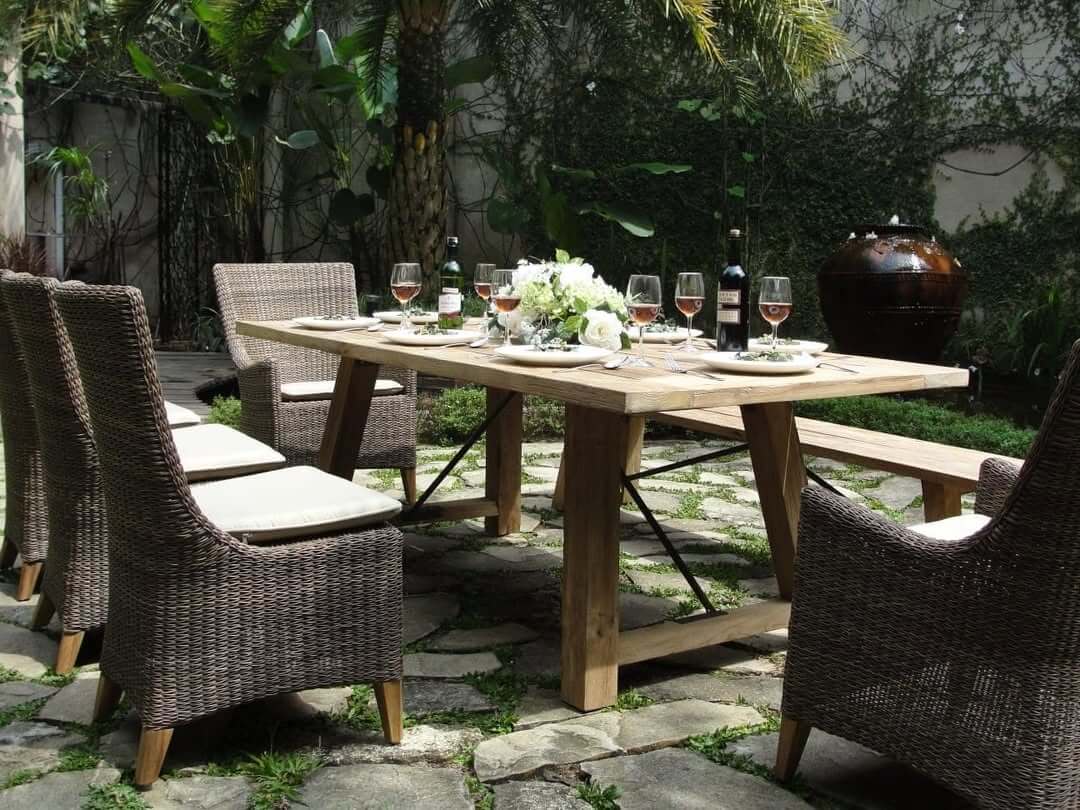
A getaway feeling does not come from expensive decor. It comes from how the space feels when you sit down and settle in.
Comfort, atmosphere, privacy, and ease of use quietly shape that experience. Miss one, and something always feels slightly off, even if you can’t explain why.
Get them right, and even small outdoor dining areas can feel like a place you look forward to using.
So instead of asking what to buy, pause and ask something better.
Would you want to sit here for an hour without checking your phone?
If the answer is no, that’s your starting point.
Start With the Right Spot (This Changes Everything)
I learned this the hard way.
I once set up a table in a spot that caught direct afternoon sun. It looked perfect in photos. In real life, it was too hot to use when it mattered most.
Placement decides whether your setup works or gets ignored.
Look at your space during the time you actually plan to use it. Notice where the light falls, where the breeze moves, and how far you have to walk from your kitchen.
If carrying a plate outside feels like a chore, you’ll avoid it more often than you think.
A good spot feels natural. You don’t think about using it. You just do.
Once that’s set, the space needs to feel easy to move through.
Build a Layout That Feels Natural, Not Forced
A space can look beautiful and still feel uncomfortable.
That usually comes down to spacing.
There’s a simple guideline that makes a big difference. According to Prolific Landscape, you should “allow 24-30 inches of table space per person, plus an additional 36-48 inches around the entire area.”
That space around the table is what lets people move without thinking about it.
Try this right now. Pull your chairs out fully and walk around the table. If you have to adjust your steps or turn sideways, the layout needs breathing room.
When movement feels easy, people relax faster.
And when they relax, they stay longer.
Make Comfort the Priority (Or No One Will Stay Long)
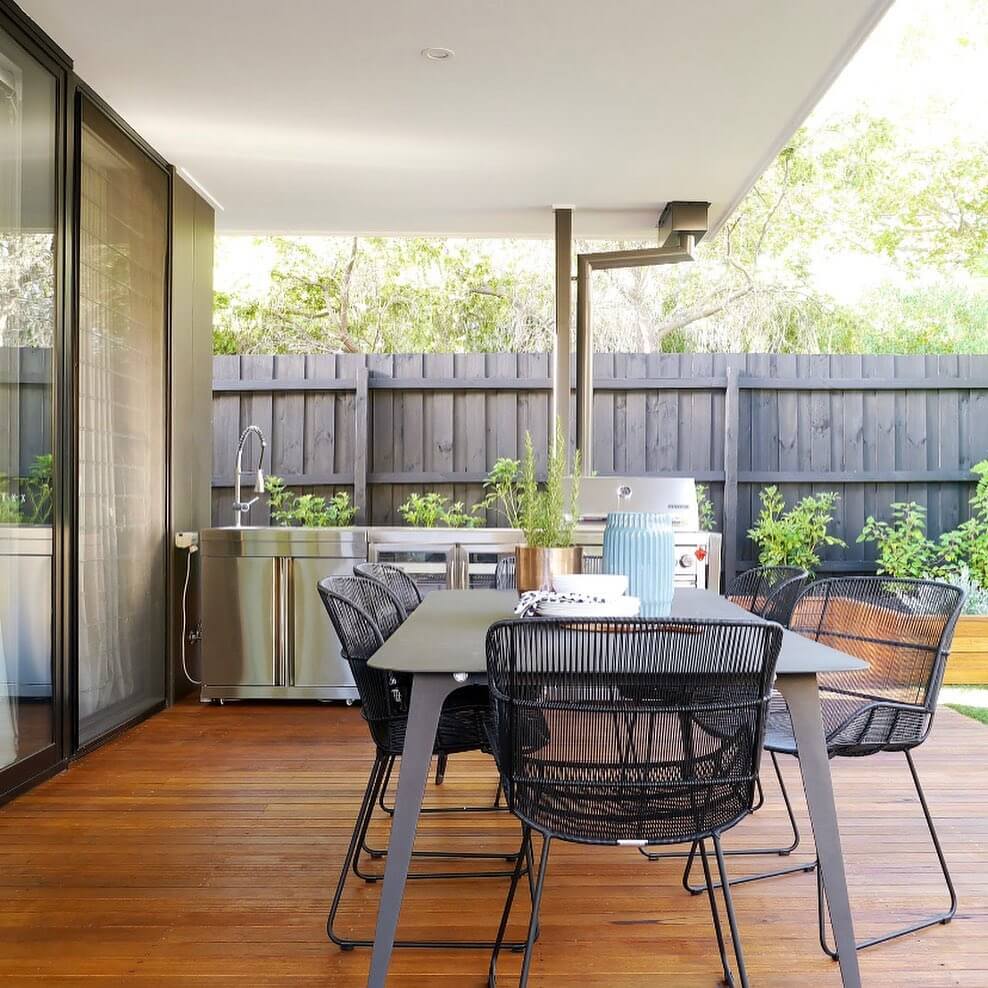
This is where most outdoor dining areas fall apart.
They look nice for a moment, then slowly become places no one chooses to sit.
I used to think a chair was just a chair. Then I added proper cushions and noticed something surprising. People stopped getting up right after eating.
Comfort changes how long a space holds you.
Start with seating that supports your back. Add cushions that still feel good after a full meal. Check your table height so no one feels like they’re leaning forward the whole time.
Then pay attention to temperature.
Heat can quietly ruin everything.
As Livingetc explains, “Shade turns a bright, sometimes harsh and hot outdoor space into a cool, welcoming retreat.”
Even a simple umbrella or fabric cover can shift the entire experience.
Once the body feels comfortable, the mind slows down.
That’s when the space starts to feel different.
Create Atmosphere With Lighting That Feels Soft and Warm
Lighting is what people notice without realizing it.
I once switched from a bright white light to soft string lights, and the space instantly felt calmer. The same table, same chairs, but a completely different mood.
You don’t need much.
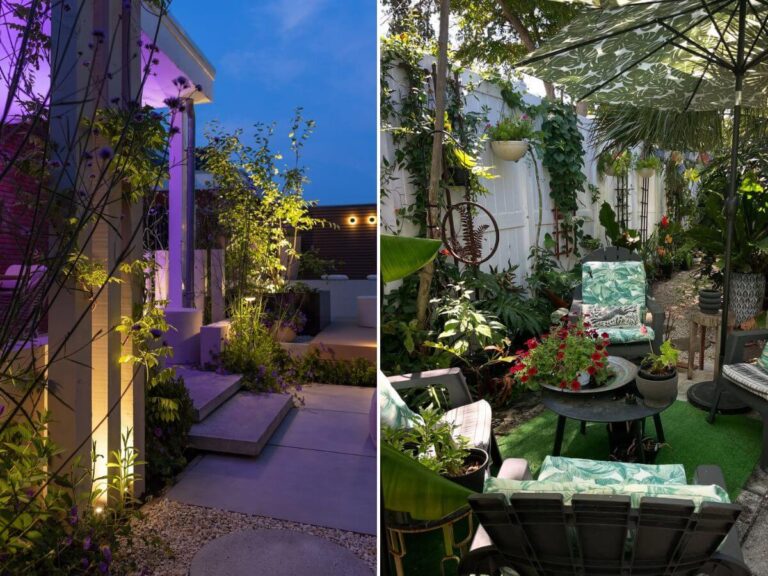
A few string lights overhead. A couple of solar lights along the edges. Maybe a lantern or candle on the table.
What matters is the softness.
As noted by Nilkamal Furniture, “Warmer and softer lights are recommended and suitable for a simple and dreamy ambience.”
That soft glow is what makes people slow down without thinking about it.
Now the space has mood. Let’s take it one step further.
Make Your Outdoor Dining Area Work Beyond Just Dinner
This is where everything changes.
Once your outdoor dining area feels right, it stops being just a dinner spot.
It becomes:
- A quiet place for morning coffee
- A late-night conversation corner
- A weekend brunch setup
- A space you step into when you need a break
This is what turns a setup into part of your lifestyle.
And once you start using it more often, every small detail starts to matter more.
Layer Textures to Make the Space Feel Lived In
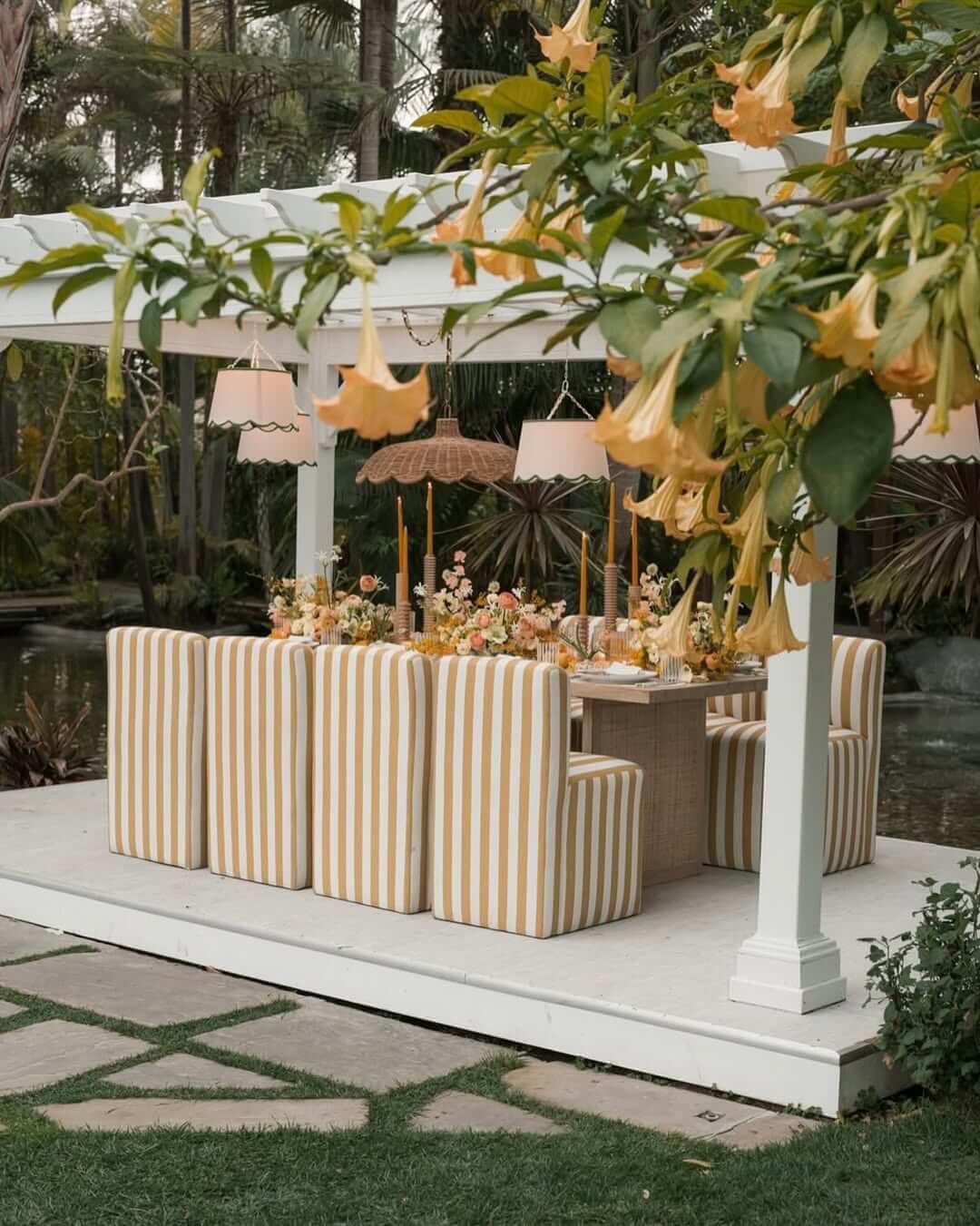
Without texture, outdoor spaces feel temporary.
Like something set up for a moment instead of a place meant to be used.
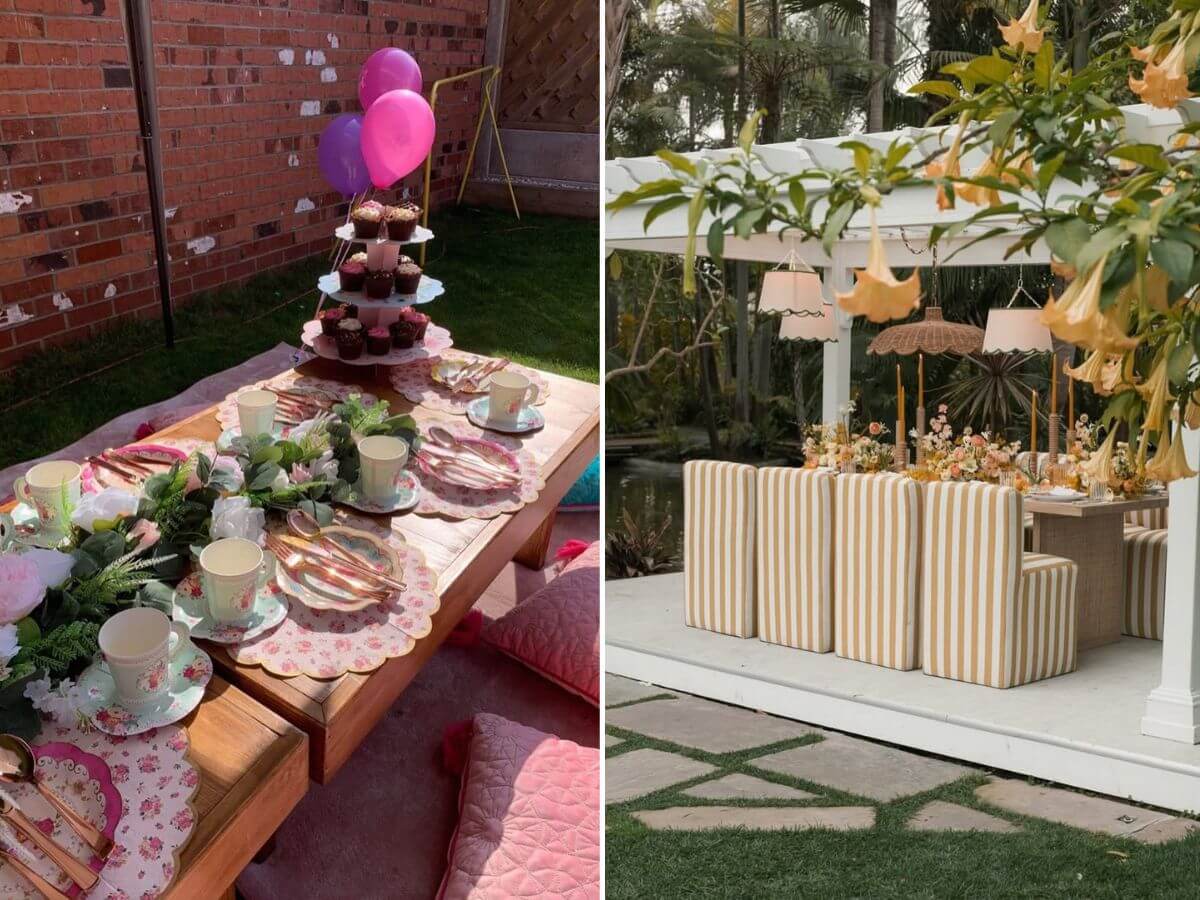
A rug under the table can ground the entire setup. Cushions add warmth. A simple table runner softens hard surfaces.
I once added just a rug and two cushions before a casual dinner. That small change made the space feel more settled, almost like it had always been there.
Texture is what turns a setup into a place people return to.
Use Plants to Frame the Space, Not Just Decorate It
Plants do more than fill empty corners.
They shape how the space feels.
Think of them as quiet boundaries. A few taller plants behind seating can make the area feel protected. Smaller pots along the edges help define the space without crowding it.
Even a few well-placed plants can make outdoor dining areas feel calmer and more intentional.
That soft structure leads naturally into privacy.
Add Privacy Without Closing Off the Space
Too open, and the space feels exposed.
Too closed, and it feels heavy.
What works best is something in between.
A light curtain that moves with the breeze. A simple screen. A row of plants that gently separates the space from the rest of the yard.
I once used a basic fabric panel tied to a frame. It wasn’t expensive, but it made the space feel like its own little corner.
That small sense of separation changes how relaxed you feel.
Make It Easy to Use Every Day
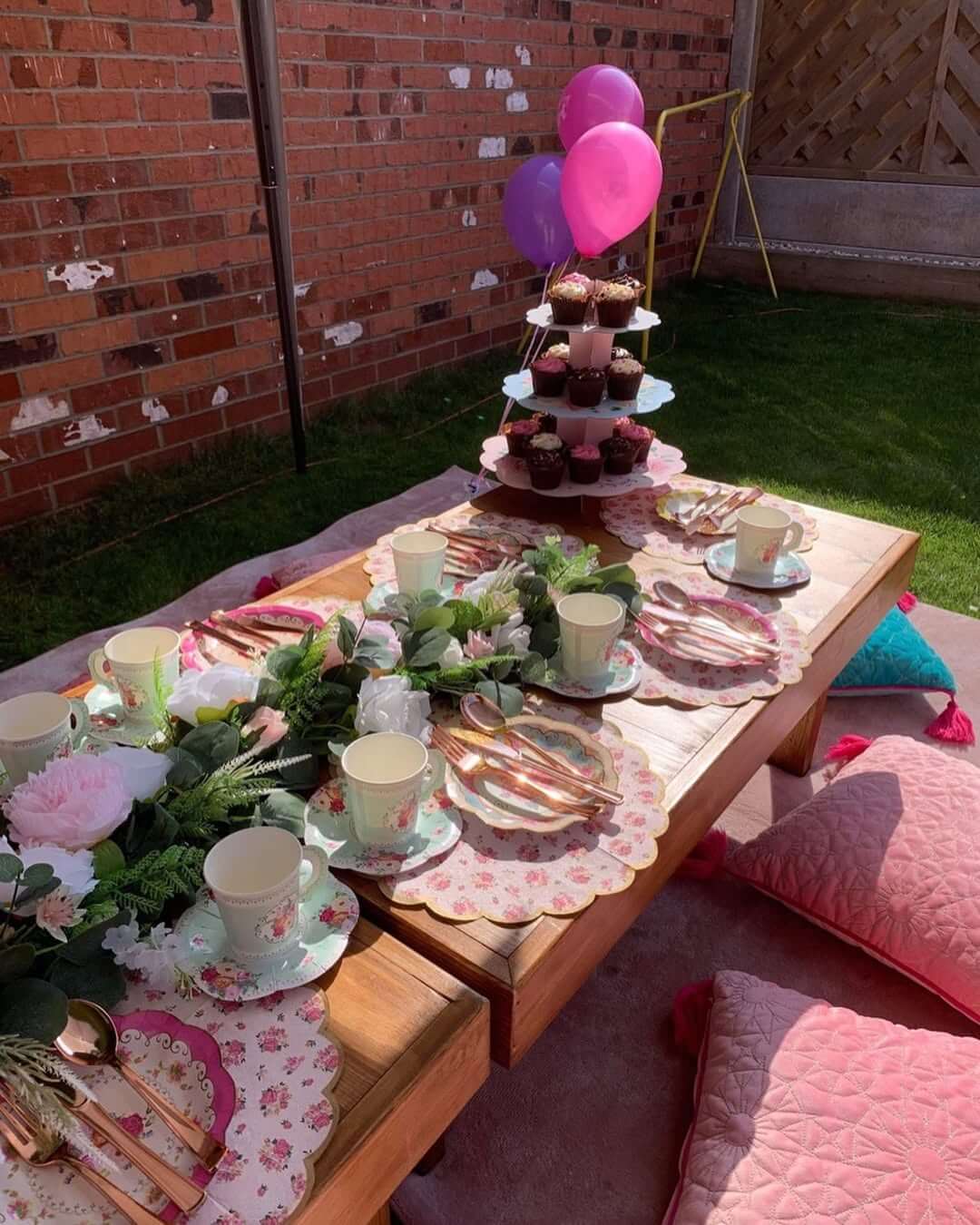
This is the part that decides whether your outdoor dining area becomes part of your routine or something you forget about.
If it takes effort to use, you won’t use it.
Keep things close. Store cushions nearby. Have a simple way to carry food out in one trip.
I keep a small tray ready, and that alone made me start using the space more often.
When everything feels easy, the space becomes part of your day without planning it.
Keep Styling Simple So It Always Feels Inviting
It’s easy to overdo it.
Too many decor pieces can make a space feel staged instead of lived in.
Stick to a simple palette. Repeat a few textures. Keep the table clean unless you’re using it.
Empty space is what makes everything else feel calm.
Small Details That Change the Entire Experience
This is where the feeling really comes together.
Soft music in the background. A faint scent from a candle or nearby plant. A table that feels ready without being overdone.
These are the things people remember later.
Not what you bought. Just how it felt to sit there.
Common Mistakes That Ruin Outdoor Dining Areas
A few small missteps can quietly take away from the whole setup.
Focusing only on how it looks instead of how it feels. Ignoring sun and heat. Adding too much furniture. Making it hard to set up or clean.
If something feels off, it’s usually one of these.
Fix that first before adding anything new.
Final Thoughts
You don’t need to redo everything.
You just need a few changes that make your outdoor dining area easier to use and more comfortable to stay in.
Move your table. Add shade. Adjust your lighting.
And then give yourself a reason to sit outside a little longer.
That’s when your backyard starts to feel less like extra space and more like somewhere you actually want to be.