Raised Bed Garden Ideas That Help You Grow More in Less Space
I used to think raised beds were just for people with big backyards.
Neat wooden boxes, perfectly spaced, everything looking organized. It felt like something that needed more room, more planning, more effort.
But when my ground soil kept failing me and space started feeling tighter, I gave it a shot.
That’s when everything changed.
If your garden isn’t giving you much back, even though you’re putting in the effort, you’re not alone. A lot of small-space gardens struggle not because of size, but because the setup isn’t working.
Raised beds fix that in a quiet but powerful way. They don’t give you more space. They help you use your space better, with more control over what actually grows.
Here is where things start to work differently.
Once you understand how to size, place, and use a raised bed the right way, you start getting more food from the same area, with less guesswork and fewer mistakes.
And the best part? You don’t need a big yard to make it work.
Start With the Right Size and Placement
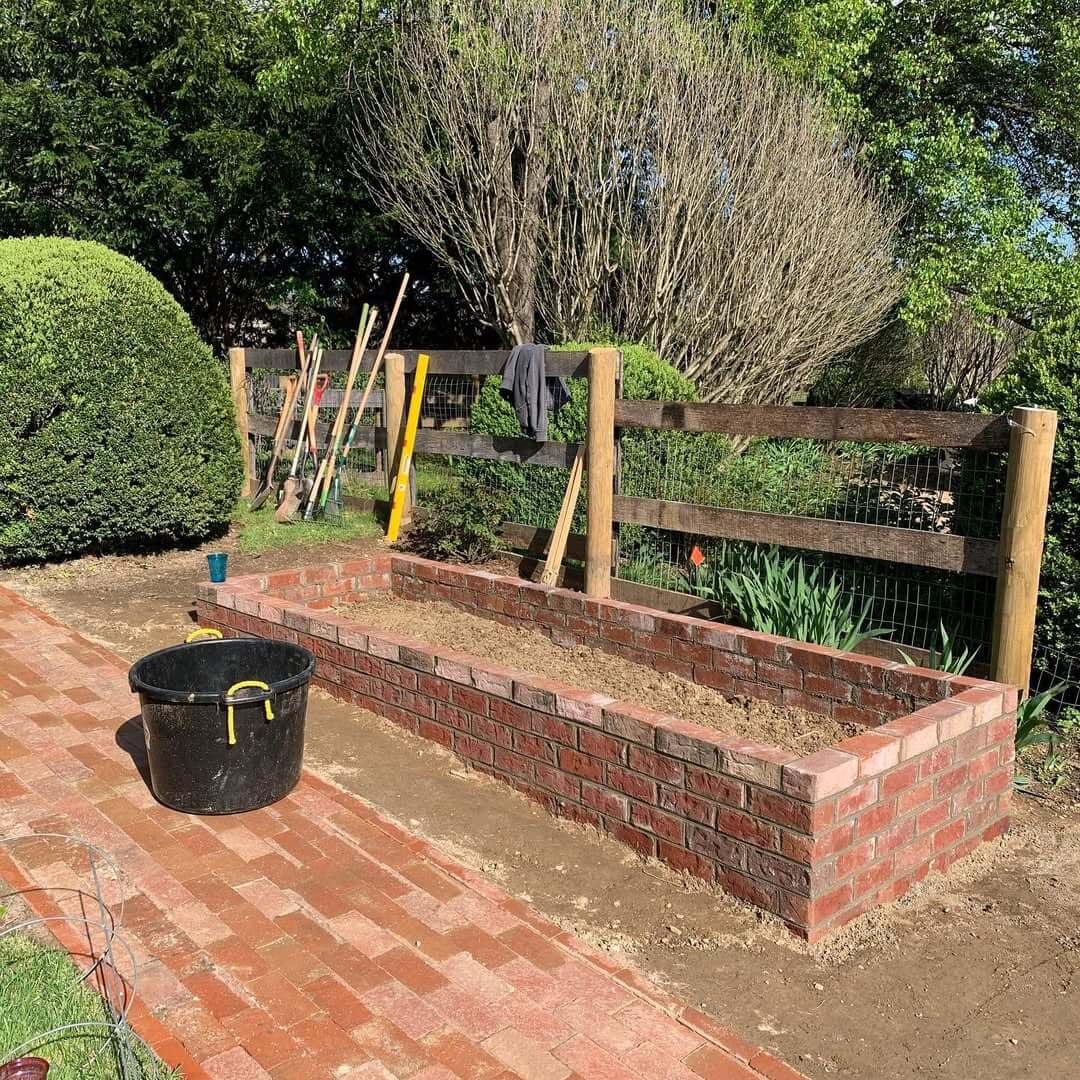
The first raised bed I built was too wide.
It looked great at first. But once plants filled in, reaching the middle became frustrating. I either stepped into the soil or ignored parts of the bed completely.
I learned something simple. If you can’t easily reach your plants, you won’t care for them properly.
Keep your beds narrow enough to access from both sides. It makes everything easier, from planting to harvesting.
Placement matters just as much.
According to The Old Farmer’s Almanac, “Choose a site that gets full sun (6 to 8 hours of direct sunlight).”
That one decision can change how productive your raised bed becomes.
Before placing anything, spend a day observing where sunlight actually hits. That small step saves a lot of frustration later.
Let’s build on that.
Use Vertical Space Around Your Raised Beds
Raised beds don’t have to stay low and flat.
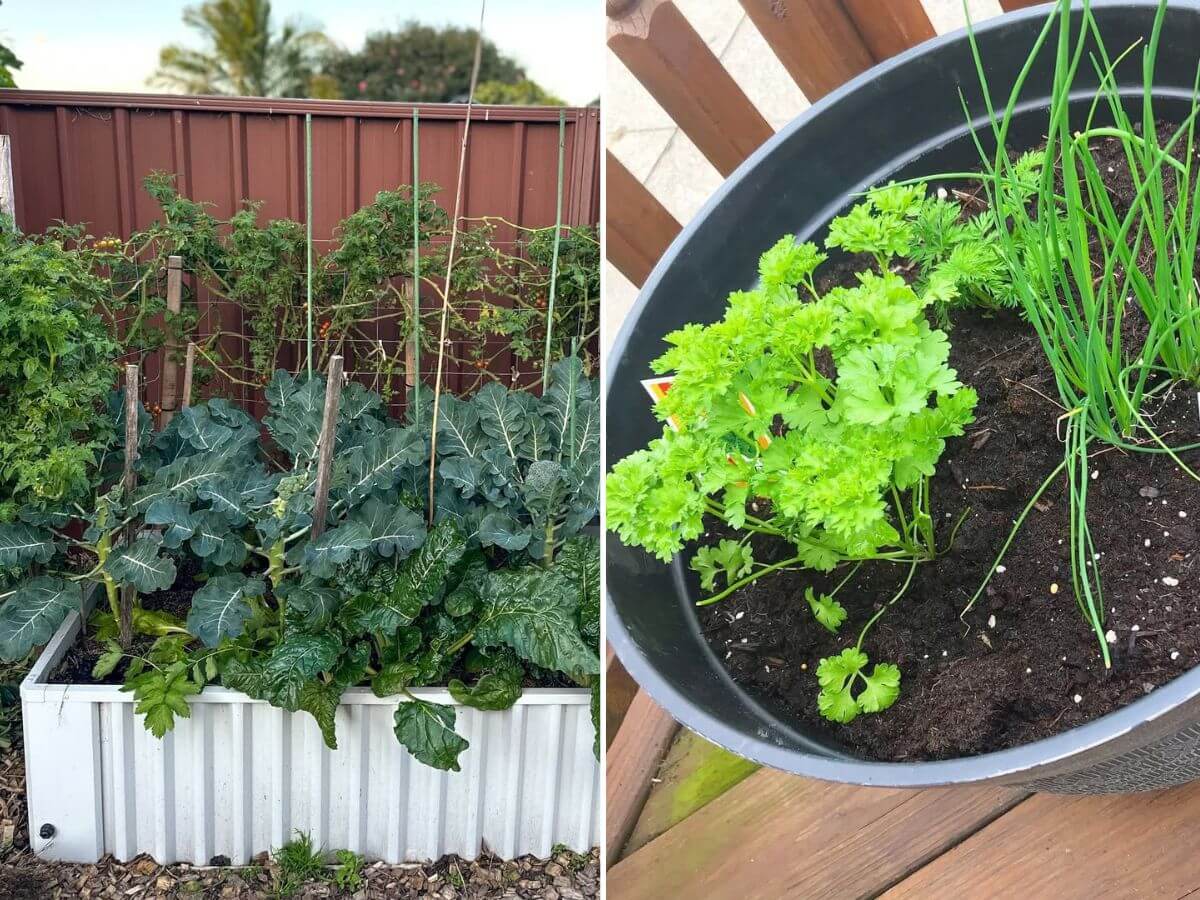
Once I added a simple trellis to one side of my bed, everything shifted. Suddenly, I had space for climbing plants without crowding the soil below.
It didn’t feel like I added more space, but I did.
Start with one side of your bed. Add a support structure for something like beans or cucumbers. You’ll free up ground space and increase how much you can grow in the same area.
This is where your setup starts doing more with less.
Choose Crops That Give You More Return Per Bed
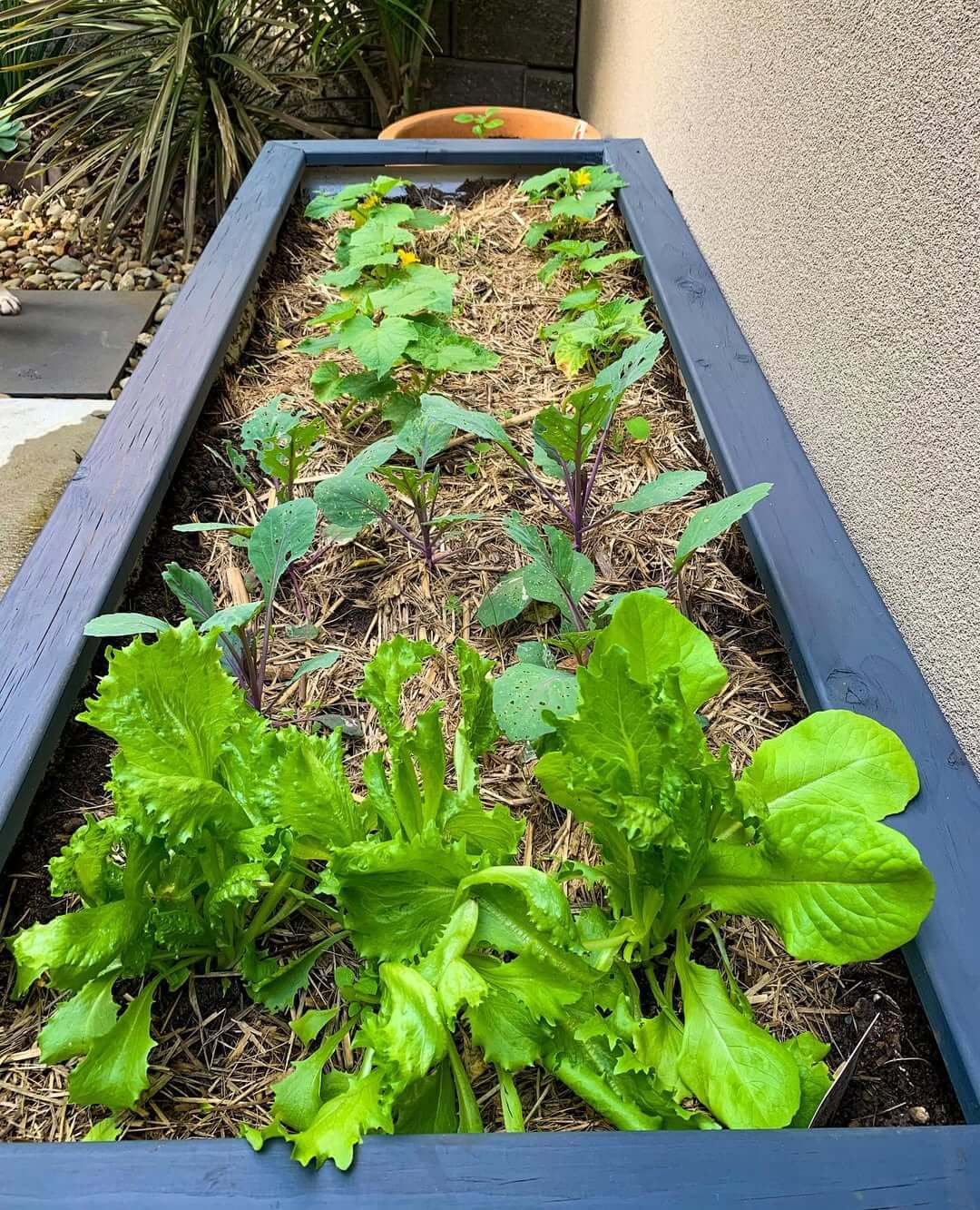
When space is limited, every plant has to earn its place.
I used to grow whatever I liked without thinking about output. Some plants took up half the bed and gave very little back.
That changed quickly.
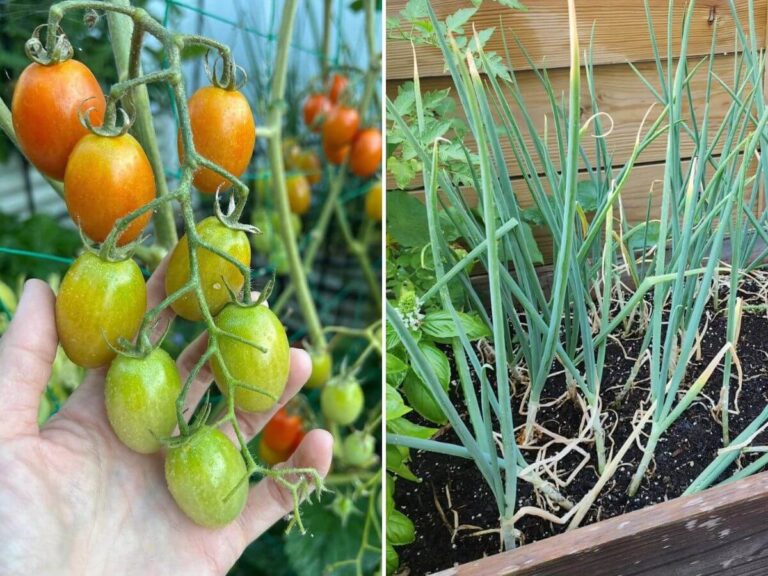
Now I focus on plants that keep producing instead of giving one-time harvests. Leafy greens, herbs, tomatoes, and peppers all make better use of the same space.
If something isn’t producing much, it’s worth replacing.
Small changes like this make your raised bed feel far more productive without adding anything new.
Now let’s keep that going.
Plan for Continuous Harvest, Not One-Time Yield
One of the biggest shifts for me was realizing I didn’t have to plant everything at once.
Raised beds make it easier to manage timing.
Instead of filling the entire bed in one go, I started leaving small sections open. Once one crop finished, something new went in.
It kept the bed active.
You can start small. Replant one section every couple of weeks with something quick-growing. That alone can extend your harvest far beyond what you expect.
This is where smaller beds begin to outperform larger, unmanaged spaces.
Improve Soil Quality From Day One
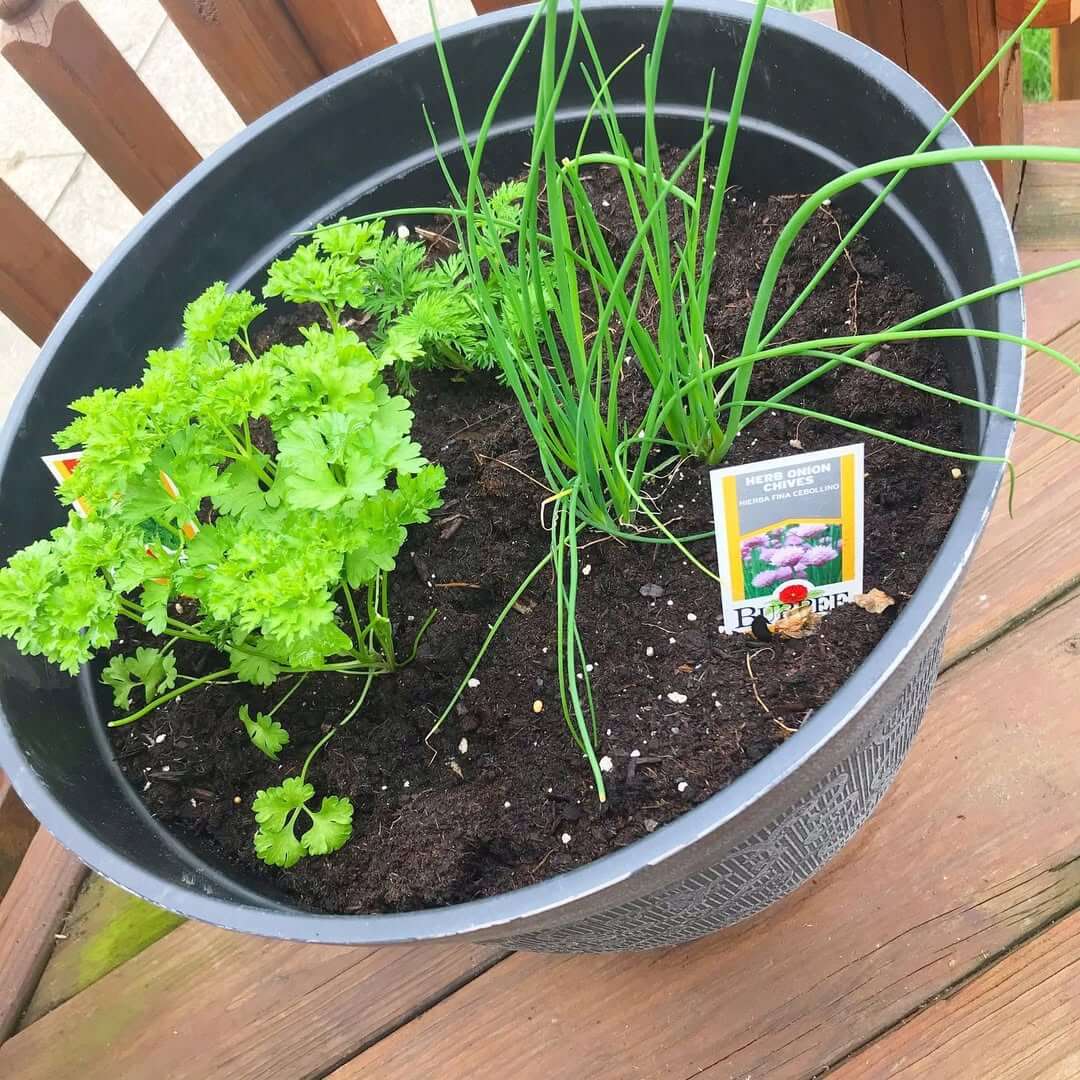
This is where raised beds really stand out.
You’re not stuck with whatever soil you have. You control it.
And that matters more than most people realize.
As noted by Homes & Gardens, “Raised garden bed ideas offer a great planting opportunity in backyards that may have poor soil or ground to work with.”
That’s exactly what I experienced.
My ground soil struggled. But once I switched to a raised bed with better soil, plants grew faster and stayed healthier.
Start with good soil from the beginning. It makes everything else easier.
Here’s where many people miss the full advantage.
Water Efficiently Without Overdoing It
Raised beds drain better than ground soil.
That’s helpful. But it also means they can dry out faster.
I used to overwater because I assumed more water meant better growth. It didn’t.
Once I started watering deeply and less often, my plants became stronger and more consistent.
Before watering, check the soil. If it still feels moist, wait.
Small adjustments here make a noticeable difference.
Now let’s make your layout even smarter.
Design a Layout That Maximizes Every Inch
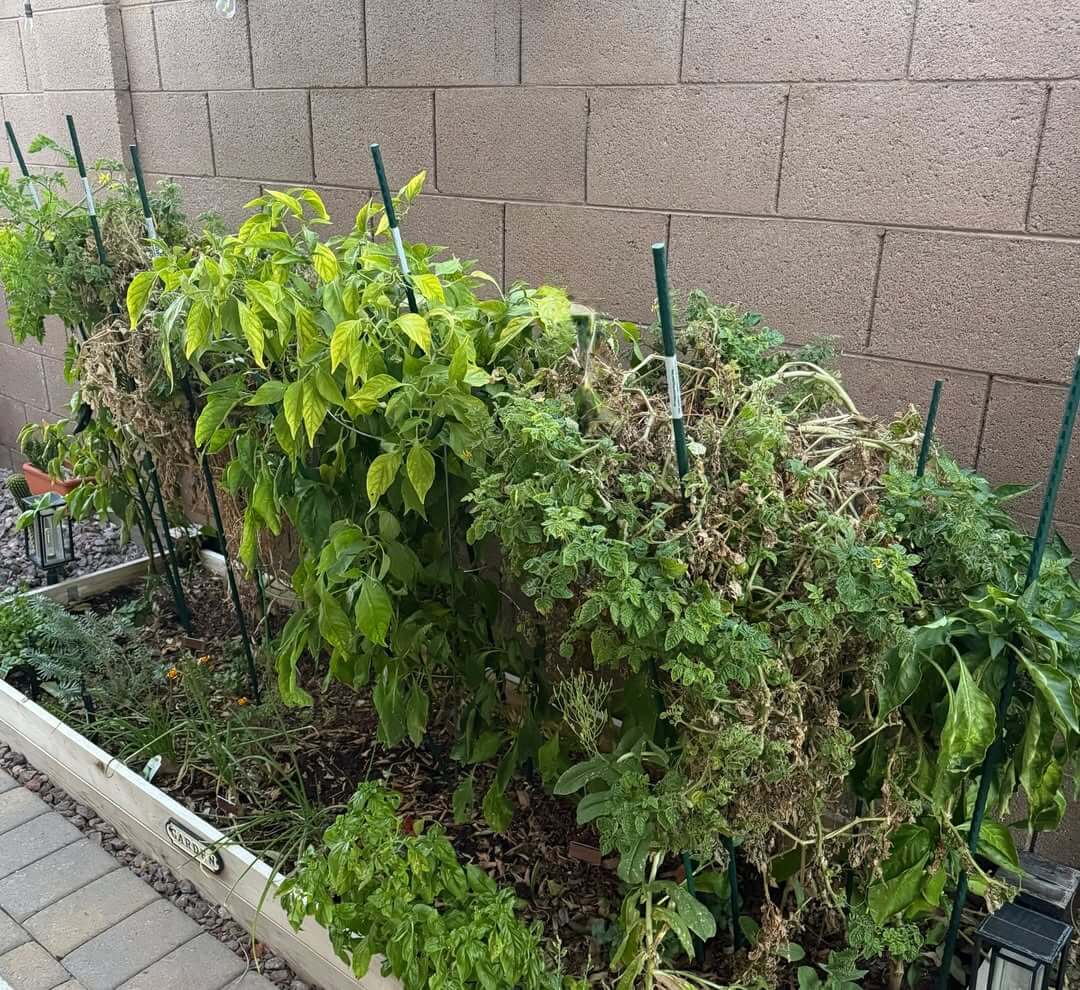
It’s tempting to plant randomly inside a raised bed.
I’ve done it. And it leads to crowding and uneven growth.
Now I think in sections.
What grows tall goes in one area. Smaller plants fill gaps. Everything has a place.
And placement ties back to sunlight.
Better Homes & Gardens explains that “Most popular vegetables and cutting flowers need full sun (6-8 hours of exposure) to thrive.”
When you combine smart layout with proper sunlight, your bed starts working with you instead of against you.
Everything begins to feel easier to manage.
Use Companion Planting to Get More From Each Bed
Some plants grow better together.
Others don’t.
You don’t need to overcomplicate this. Start by pairing plants that don’t compete heavily for the same space.
Taller plants can offer light shade. Herbs can fill small gaps without taking over.
Try one pairing and see how it performs.
Over time, your bed becomes more efficient without feeling crowded.
Maintain Your Raised Beds for Long-Term Results
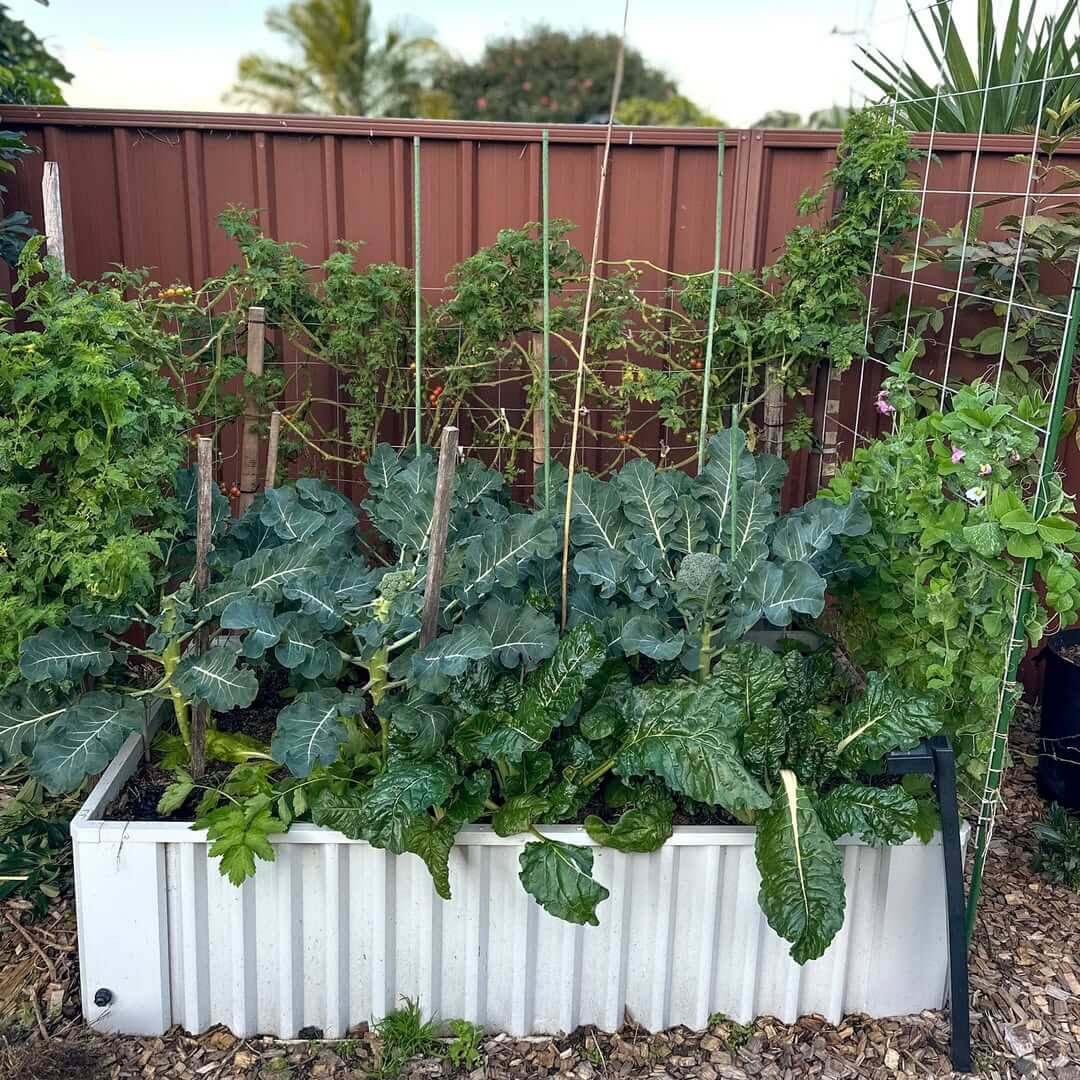
Raised beds need a bit of care to keep performing well.
Remove weak plants. Add fresh compost between cycles. Check your supports now and then.
It doesn’t take much time, but it keeps everything running smoothly.
And when everything runs smoothly, your results stay consistent.
Small Raised Beds, Bigger Harvests
You don’t need more space to grow more food.
You need better control.
That’s what raised beds give you.
Once I moved away from struggling ground soil and started working with a more controlled setup, everything became easier to manage. Growth improved. Harvests became more reliable.
If you’ve been feeling stuck, this might be the shift you need.
You don’t have to redo everything. Just start with one raised bed and build from there.
It’s simpler than it looks once you begin.
If this helped you rethink your garden, share it with someone who’s trying to grow more in less space.
You may also want to read:
Small Garden Ideas That Make the Most of Every Inch
Herb Garden Ideas for Small Spaces That Still Produce Plenty