Small Garden Ideas That Make the Most of Every Inch
I used to think my problem was space.
No matter how I arranged things, it always felt like there wasn’t enough room. So I kept trying to fit more in. More pots, more plants, more corners filled.
It looked like a garden. But it didn’t feel like one.
If your small garden feels crowded but still underwhelming, you’re not alone. A lot of small spaces end up this way, even when you’re putting in the effort.
That’s because the issue usually isn’t space. It’s how that space is being used.
That’s when I stopped trying to fit everything in and started thinking about how each inch could actually work.
Here is where things start to change.
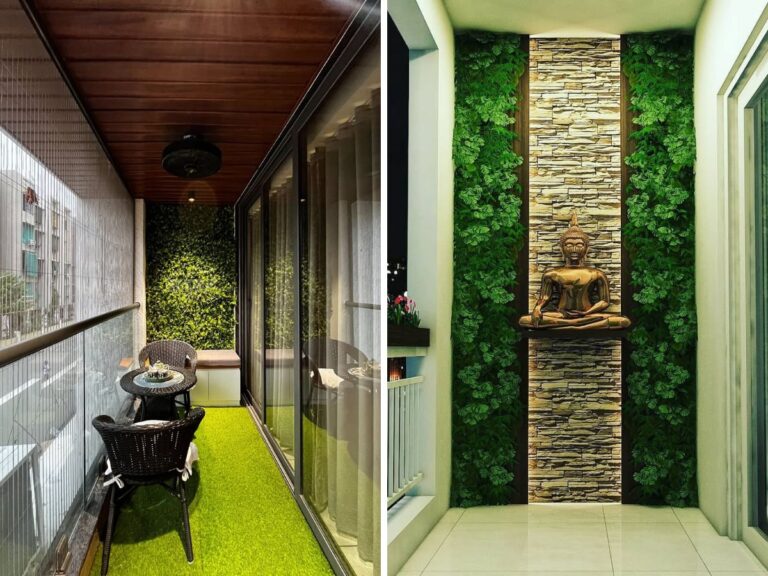
Once you shift how you plan, place, and use your space, your garden starts to feel lighter, more organized, and far more productive. Even a small balcony or a tight backyard can give you more than you expect.
And the best part? You don’t need more space. You just need a setup that works with you, not against you.
Start With a Clear Plan Before You Plant Anything
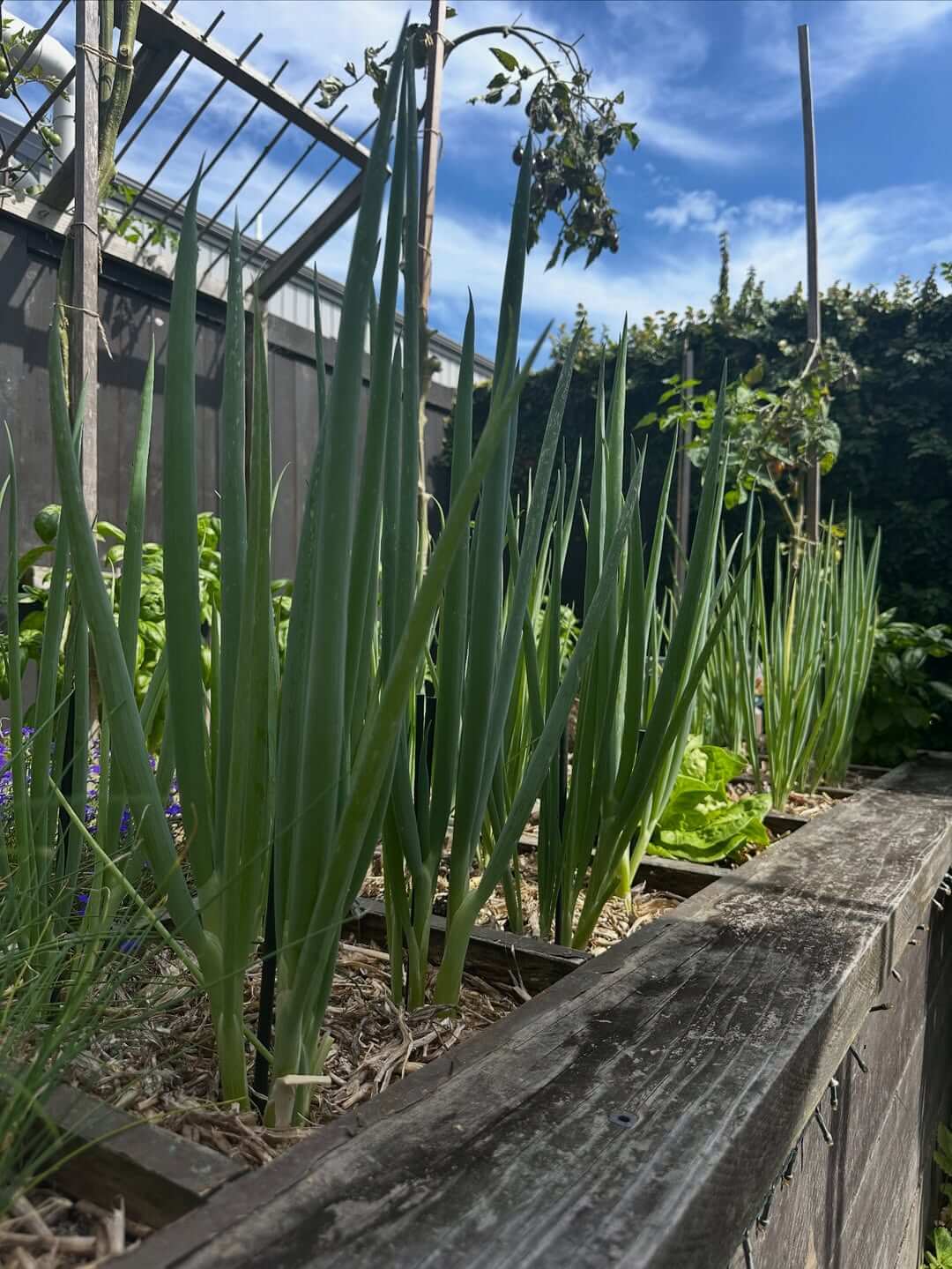
The biggest mistake I made was planting first and thinking later.
I would see an empty spot and immediately fill it. No plan, no structure, just reacting to space.
That approach always led to clutter.
Now I pause before planting anything.
I look at where sunlight falls. I notice which areas stay bright and which ones don’t. Because placement isn’t guesswork.
According to Better Homes & Gardens, “Almost all vegetables and many flowering plants need 6–8 hours of full sun every single day.”
That one detail changes everything.
Once you plan around light instead of convenience, your garden starts working from the start instead of needing constant fixes.
Now that your layout makes sense, let’s expand your space without adding more ground.
Use Vertical Space to Instantly Expand Your Garden
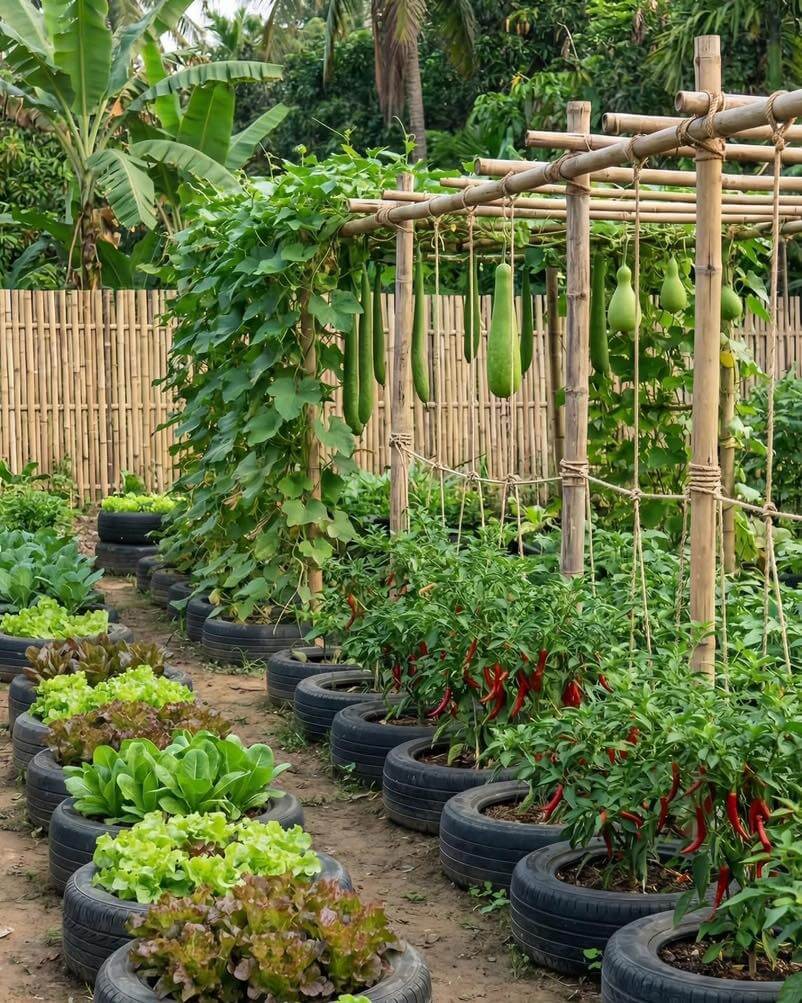
When space feels limited, most people stop at ground level.
That’s where I went wrong too.
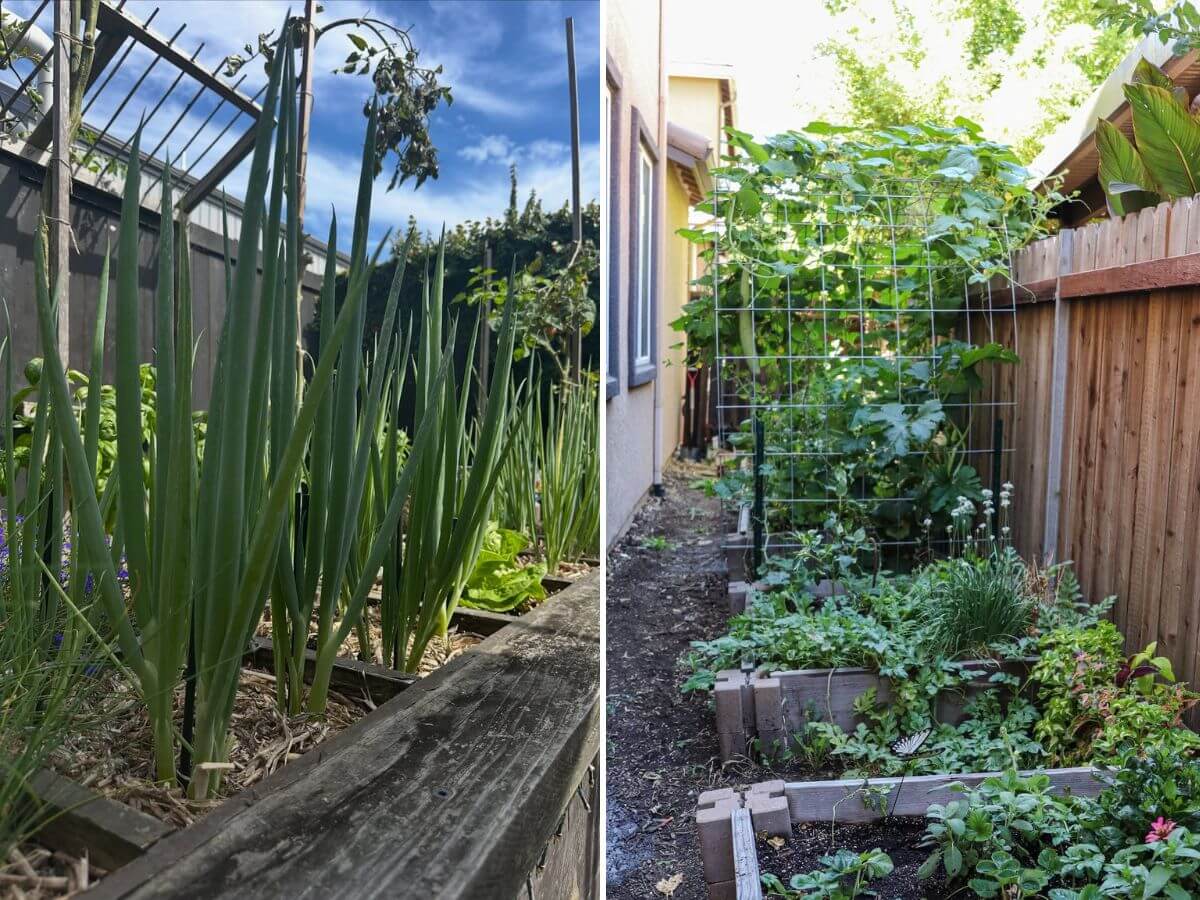
The moment I added height, everything shifted. A simple wall planter and one shelf turned a flat space into something layered.
And suddenly, I had room again.
This isn’t just about adding more. It’s about using what’s already there.
As shared by The Spruce, “If you’re looking to grow herbs and vegetables, planter boxes will make for a great addition to the patio wall.”
That one idea can completely change how your space feels.
Start with one vertical element. A railing, a wall, or even a simple stand.
That’s enough to see the shift.
Now let’s make sure what you grow actually makes that space worth it.
Choose Plants That Give You More Back
Not all plants are worth your space in a small garden.
Some look great at first but barely give you anything after that. Others keep producing and make even a tiny setup feel productive.
I learned this the hard way.
I used to grow whatever I liked. But in a small space, that approach doesn’t work. Every plant has to earn its place.
So I started paying attention to what actually gave me food consistently.
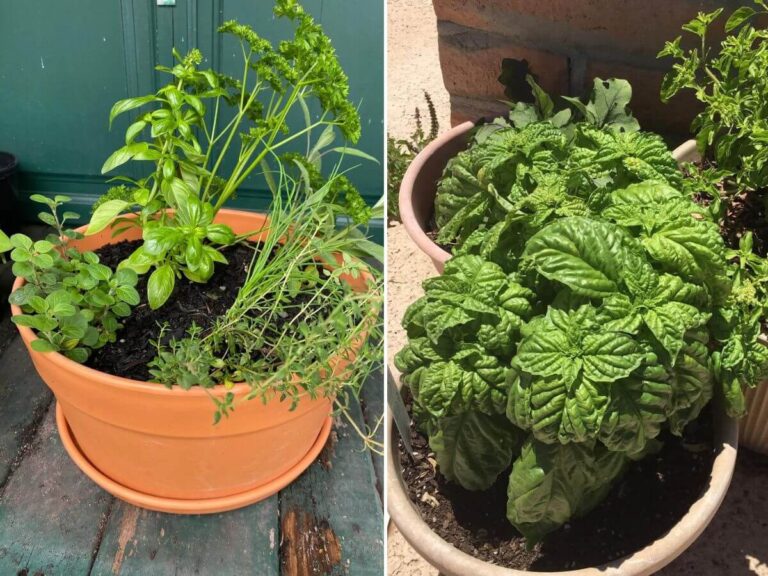
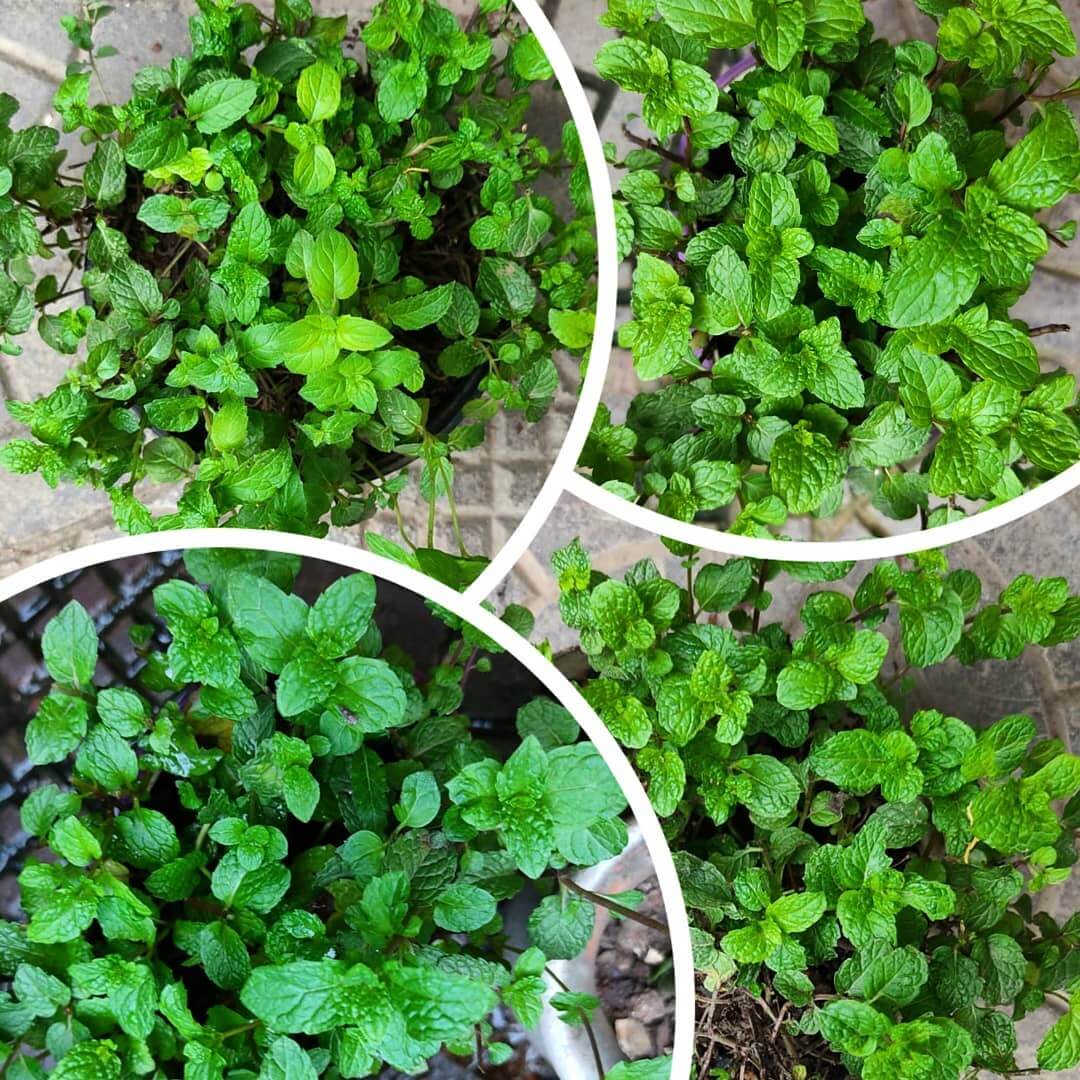
Leafy greens like spinach and lettuce kept coming back after cutting. Herbs like basil, mint, and parsley grew faster the more I harvested them. Tomatoes and peppers didn’t just give one harvest. They kept producing over time.
That shift changed everything.
Instead of waiting weeks for one result, I started getting something regularly.
If you’re not sure where to start, begin with just a few reliable growers:
Basil, mint, lettuce, spinach, cherry tomatoes, and green onions.
These don’t just grow. They keep growing if you treat them right.
If something in your garden isn’t giving you much back, it’s okay to replace it. In a small space, low-performing plants cost you more than you think.
Once your plants are working for you, everything else becomes easier to manage.
Group Plants by Needs to Simplify Everything
At one point, my garden looked scattered.
Plants were everywhere. Some needed more water, others less. Some wanted full sun, others didn’t.
It made everything harder.
Once I grouped plants based on their needs, everything became simpler.
Watering became predictable. Growth became more consistent. The entire space felt more organized without changing its size.
Instead of thinking in random pots, think in small zones.
This is where your garden starts working with you instead of against you.
Use Containers Strategically, Not Randomly
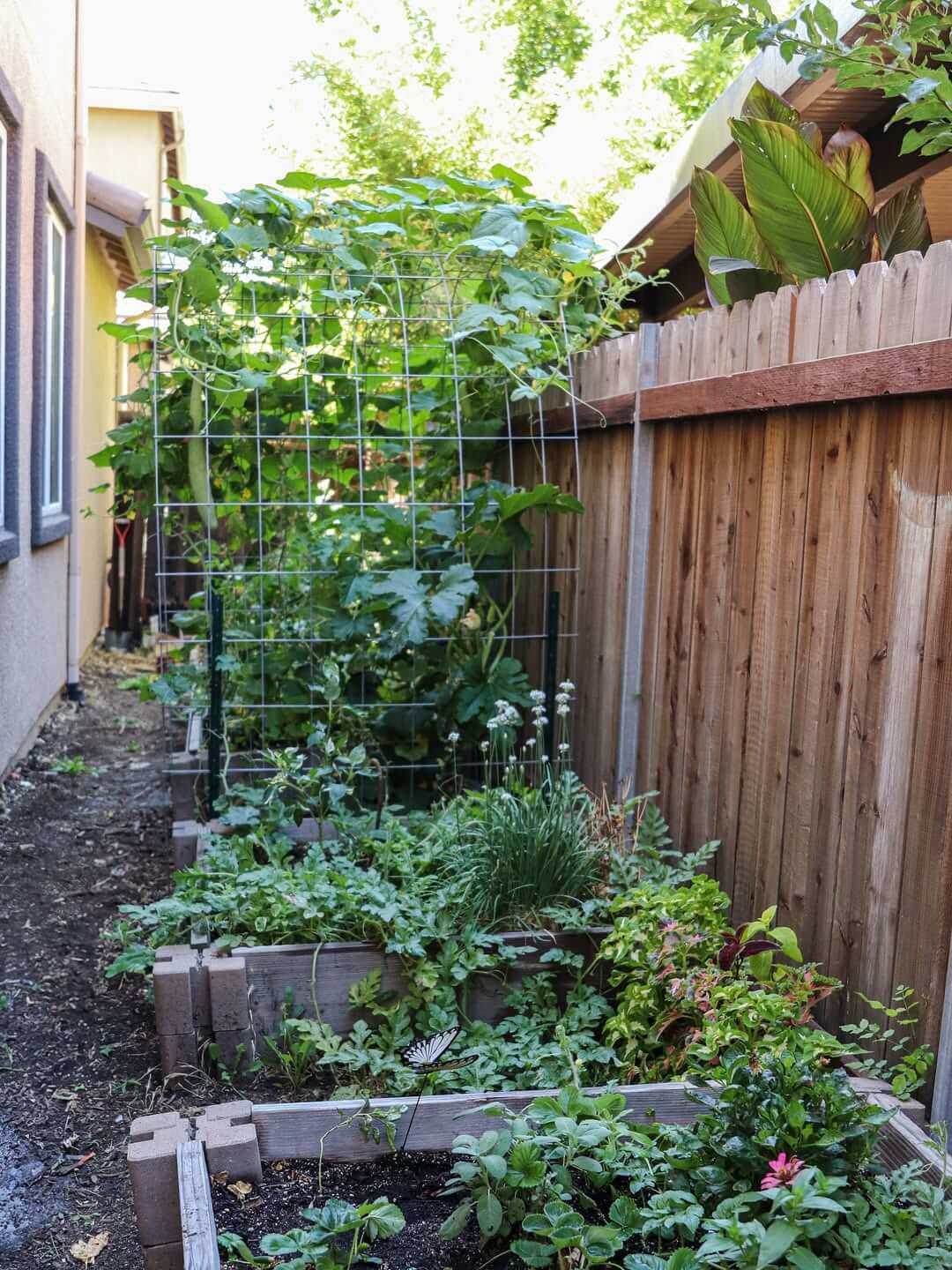
Containers are one of the best tools for small gardens. But only if you use them intentionally.
I used to scatter pots wherever they fit. It looked fine, but it didn’t perform well.
Once I started grouping and placing containers based on light and access, everything improved.
And small spaces don’t need traditional setups to work.
As highlighted by Homes & Gardens, “Even if you have a yard without soil, you can grow in containers and raised beds.”
That changes how you think about space.
You’re not limited by ground. You’re only limited by how you use what’s available.
Here’s where most people still go wrong.
Create Open Space (This Makes a Bigger Difference Than You Think)
This is the part I resisted the most.
Removing plants felt wrong.
But overcrowding was making everything worse. Less airflow. More competition. Harder access.
So I started clearing small areas.
And suddenly, everything felt better.
Open space isn’t wasted space. It’s what allows everything else to work.
If your garden feels tight, don’t add more. Take something out.
That’s often the fastest fix.
Now let’s make your setup easier to maintain.
Make Your Garden Part of Your Daily Routine
One small change made a huge difference for me.
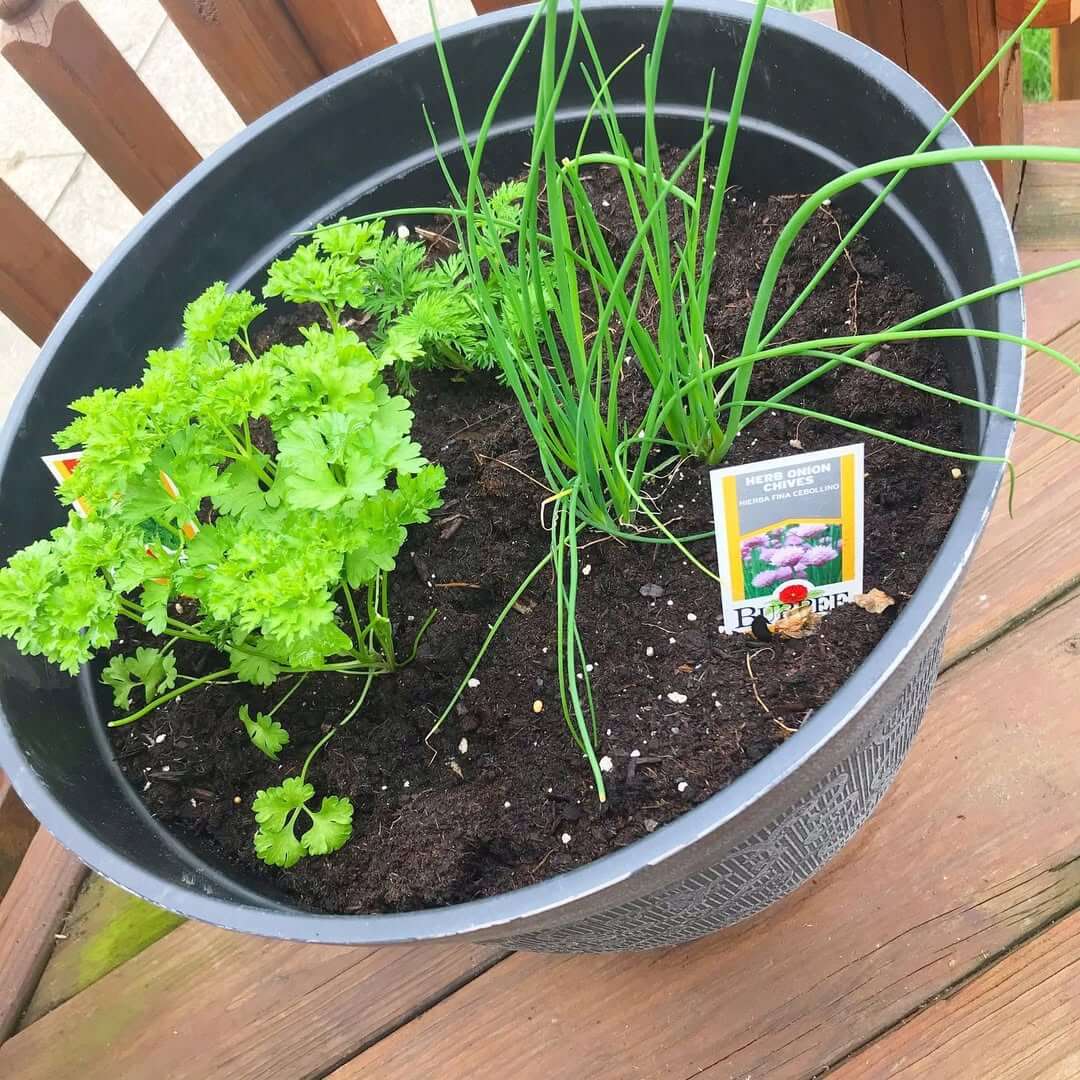
I moved my most-used plants closer to where I actually spend time.
Near the kitchen. Near the entrance. Somewhere I see them every day.
And that changed everything.
When you see your plants often, you naturally take better care of them.
Watering becomes consistent. Harvesting becomes regular.
Your garden stops feeling like a task and starts feeling like part of your day.
Now let’s keep everything running smoothly.
Keep Soil and Watering Simple but Consistent
In a small garden, consistency matters more than anything.
I used to overwater, then forget, then try to fix things again.
It didn’t work.
Now I keep it simple.
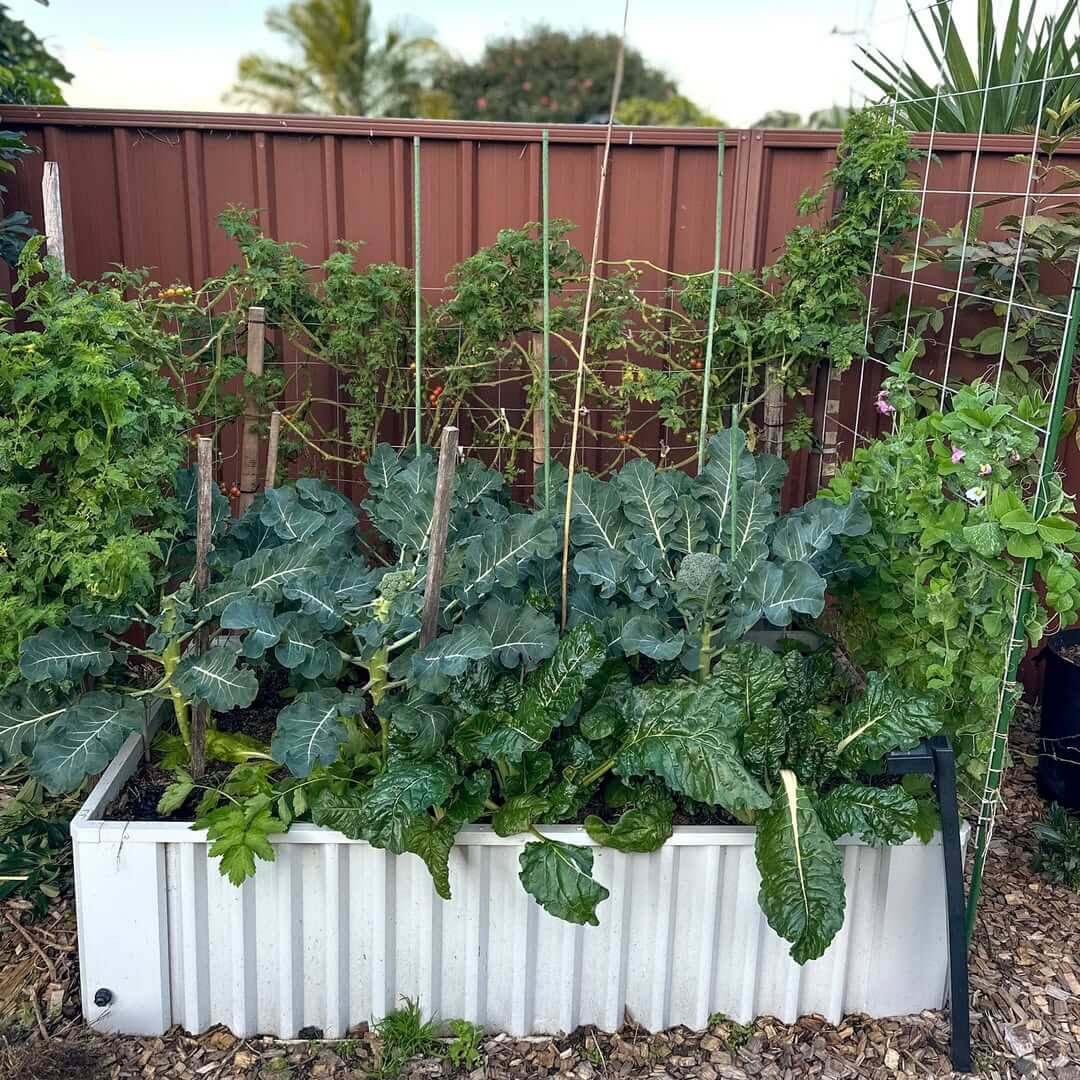
Check the soil. If it feels dry, water. If not, wait.
That one habit made my plants healthier and easier to manage.
Good soil helps too. When your base is strong, everything else becomes easier.
Now let’s bring it all together.
Small Tweaks That Instantly Improve Your Garden
Some changes don’t take much effort, but they make a big difference.
Rotate plants so all sides get light. Trim regularly to encourage growth. Remove weak plants before they affect others.
These small habits build over time.
And over time, your garden starts to feel more alive and productive.
Small Space, Smarter Garden
You don’t need more space to build a better garden.
You need better use of the space you already have.
Once I stopped trying to fill every inch and started making each inch count, everything changed. The space felt bigger. The plants performed better. And everything became easier to manage.
If you’ve been struggling with a small garden, this is your shift.
Start simple. Adjust as you go. Pay attention to what works.
Before you know it, your small garden won’t feel limiting anymore. It’ll feel like exactly enough.
If this helped you rethink your space, share it with someone who’s trying to make the most of theirs.
You may also want to read:
Vegetable Garden Ideas That Save Space and Still Give You a Big Harvest
Herb Garden Ideas for Small Spaces That Still Produce Plenty