Valentine Tablescape Ideas for a Warm, Intimate Dinner
I used to think a Valentine table just needed candles and red napkins. I tried that once at home. The food was good, but the table felt stiff. Conversation stayed polite. No one lingered.
That night made something clear to me. A table does more than hold plates. It shapes how long people stay, how relaxed they feel, and whether dinner turns into an evening.
If you have ever decorated a table that looked nice but felt a little cold once everyone sat down, this is for you.
Here is why warmth and intimacy matter more than looking impressive, and how small changes at the table can shift the entire mood of the night.
Why the Table Sets the Mood Before Dinner Starts
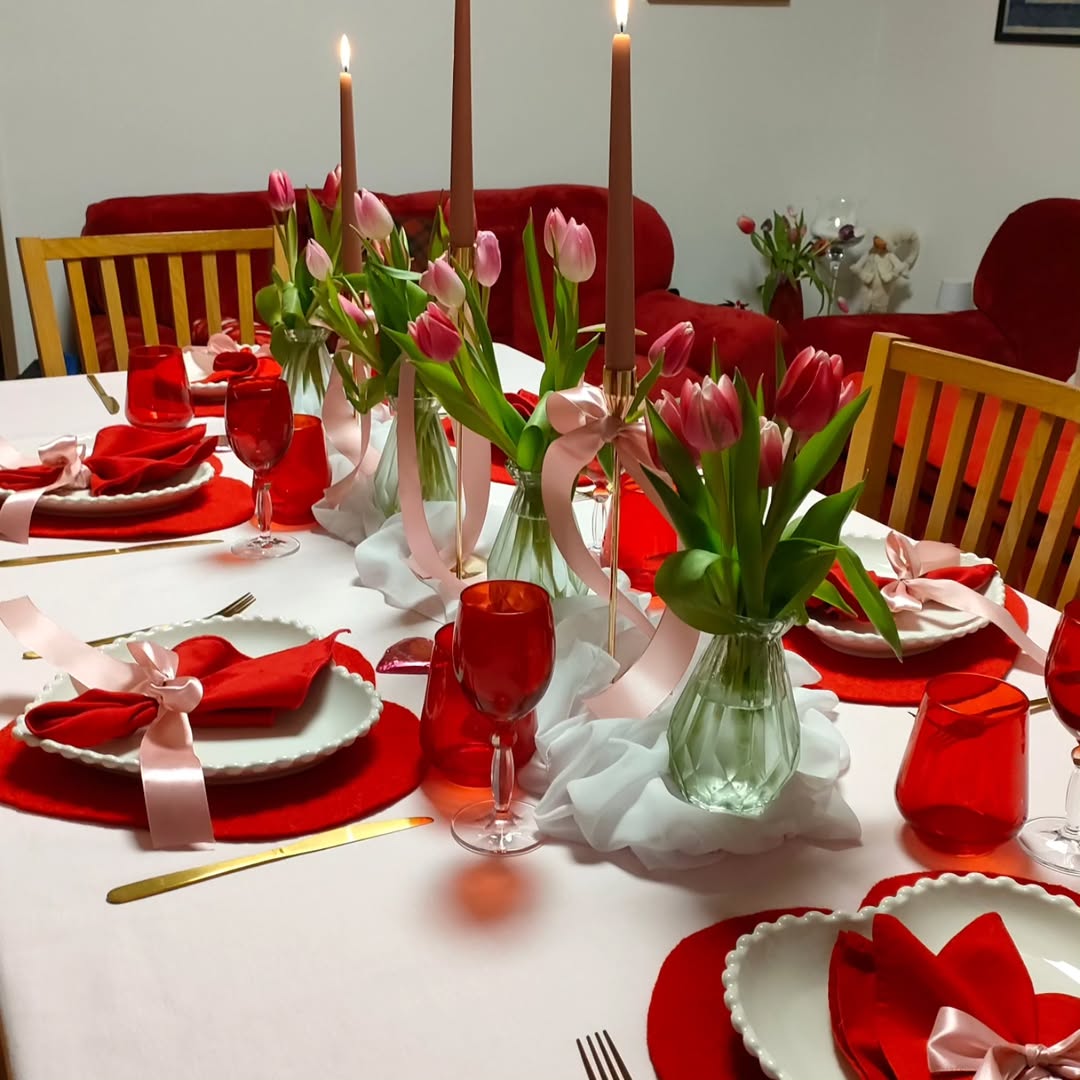
People decide how comfortable they feel before the first bite. They notice the lighting, the spacing, and whether sitting down feels easy or awkward.
When a table feels cold or overstyled, guests tend to eat and move on. When it feels calm and welcoming, they settle in. Elbows relax. Conversations stretch.
I started paying attention to what made certain dinners quietly last longer than planned. The pattern was always the same. Softer light. Fewer objects. Nothing competing for attention.
If you have ever hosted a dinner that looked nice but felt strangely formal once everyone sat down, this is usually where things start to go wrong.
Let’s break it down, starting with light.
Lighting That Encourages Conversation, Not Distraction
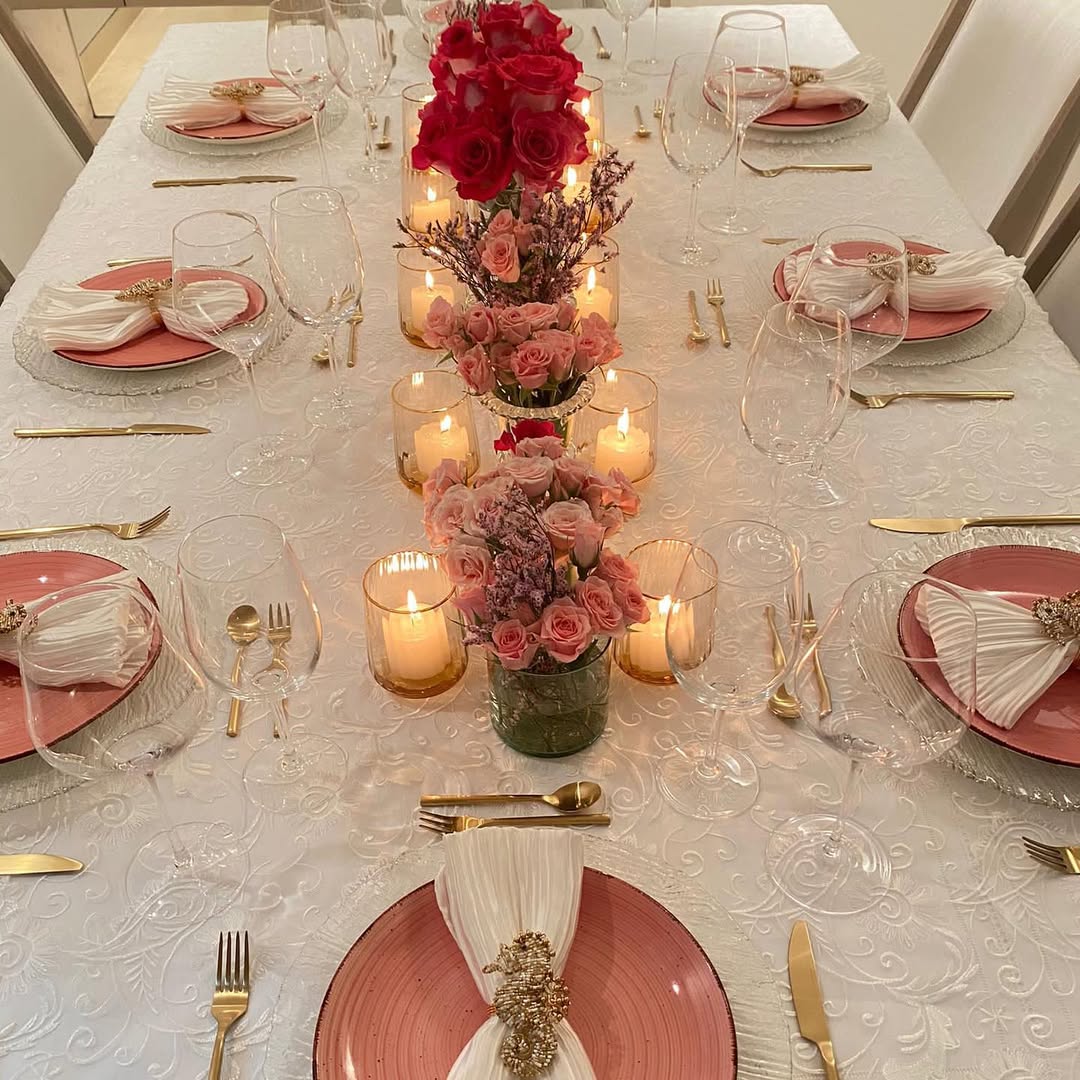
The fastest way to kill intimacy is harsh overhead lighting. I have made this mistake more times than I can count.
Bright ceiling lights flatten faces and make tables feel exposed. People sit straighter. Voices stay polite. No one leans in.
According to The Spruce, warm light bulbs in the 2700K to 3000K range create a softer, more inviting atmosphere than cooler bulbs. Their guidance on choosing the right lighting temperature explains why this range works better in lived-in spaces.
That one adjustment changed how my table felt almost immediately.
If you want to try this tonight, start simple. Turn off the main ceiling light. Switch on a nearby lamp. Add a few candles for glow, not brightness.
If you do not have extra lamps, Apartment Therapy notes that dining rooms feel more relaxed when light comes from secondary sources rather than a single fixture. Even moving one lamp closer to the table can shift the mood. Their explanation of mood lighting breaks this down clearly.
As the light softens, the table starts to feel less formal. People lean back instead of sitting on edge. That comfort makes every other tablescape choice work better.
Using Candlelight the Right Way
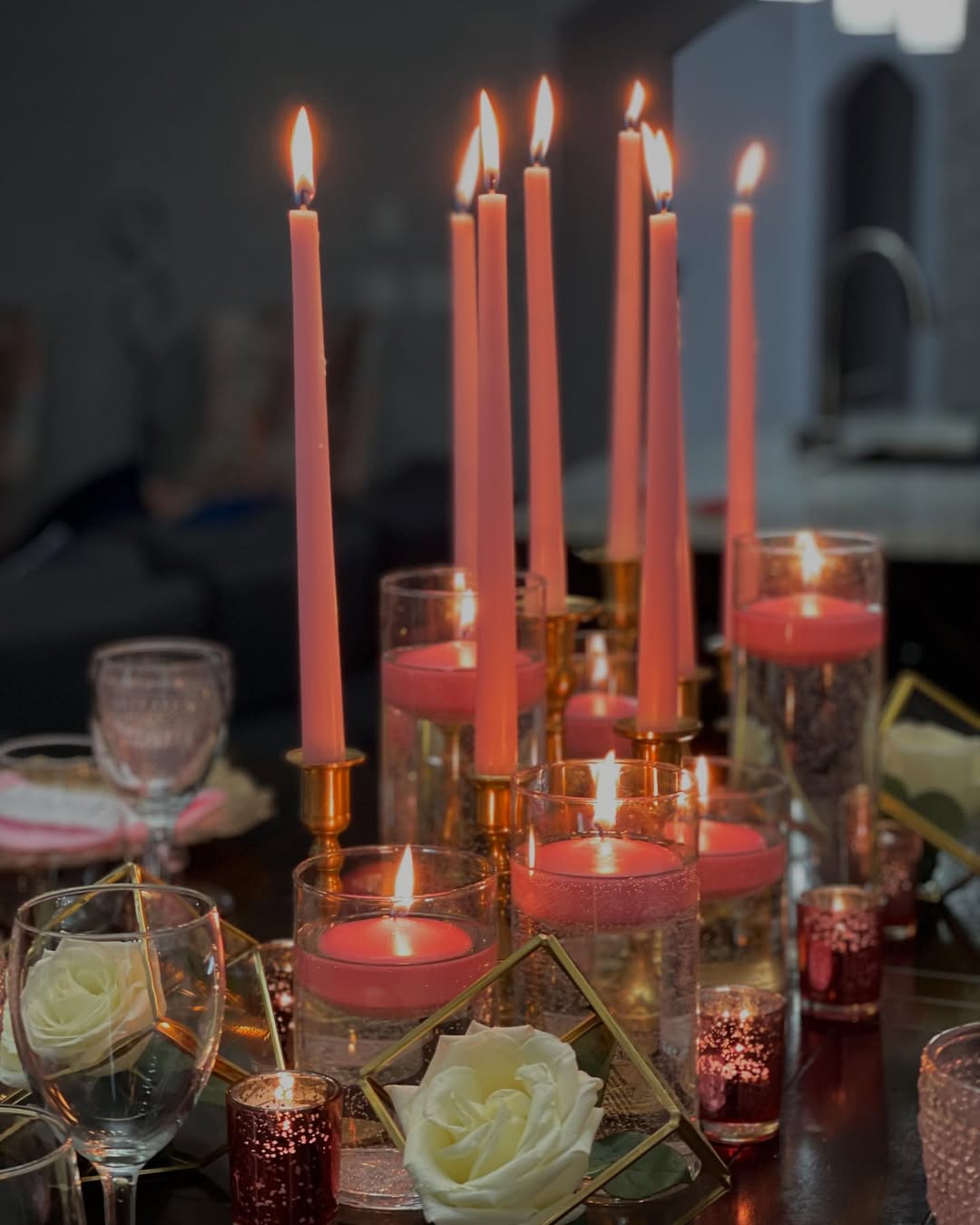
Candles do more than look romantic. They slow people down. Voices soften. Meals stretch.
Homes & Gardens points out that candlelight creates a warm ambience that works especially well for Valentine tablescapes, especially when the focus stays on glow rather than excess styling. Their guidance on balance explains why fewer candles often feel more inviting.
I learned this after overdoing it once. I filled the table with candles, thinking more meant better. Instead, the space felt crowded and warm in the wrong way. No one relaxed.
What works better is restraint. Two or three candles placed low and spread out. Enough light to soften faces, not enough to pull attention away from the people sitting there.
A simple way to check this is to sit down before guests arrive. If you can see everyone clearly without squinting, you are close. If the candles feel like the main feature, remove one.
Safety matters here, too. The National Fire Protection Association reminds homeowners to keep candles away from anything that can catch fire and never leave them unattended. Their candle safety guidance fits easily into a dinner setup when candles are spaced and kept low.
Once candlelight feels calm and controlled, the table is ready for color to do its job.
Choosing Colors That Feel Warm Without Feeling Heavy
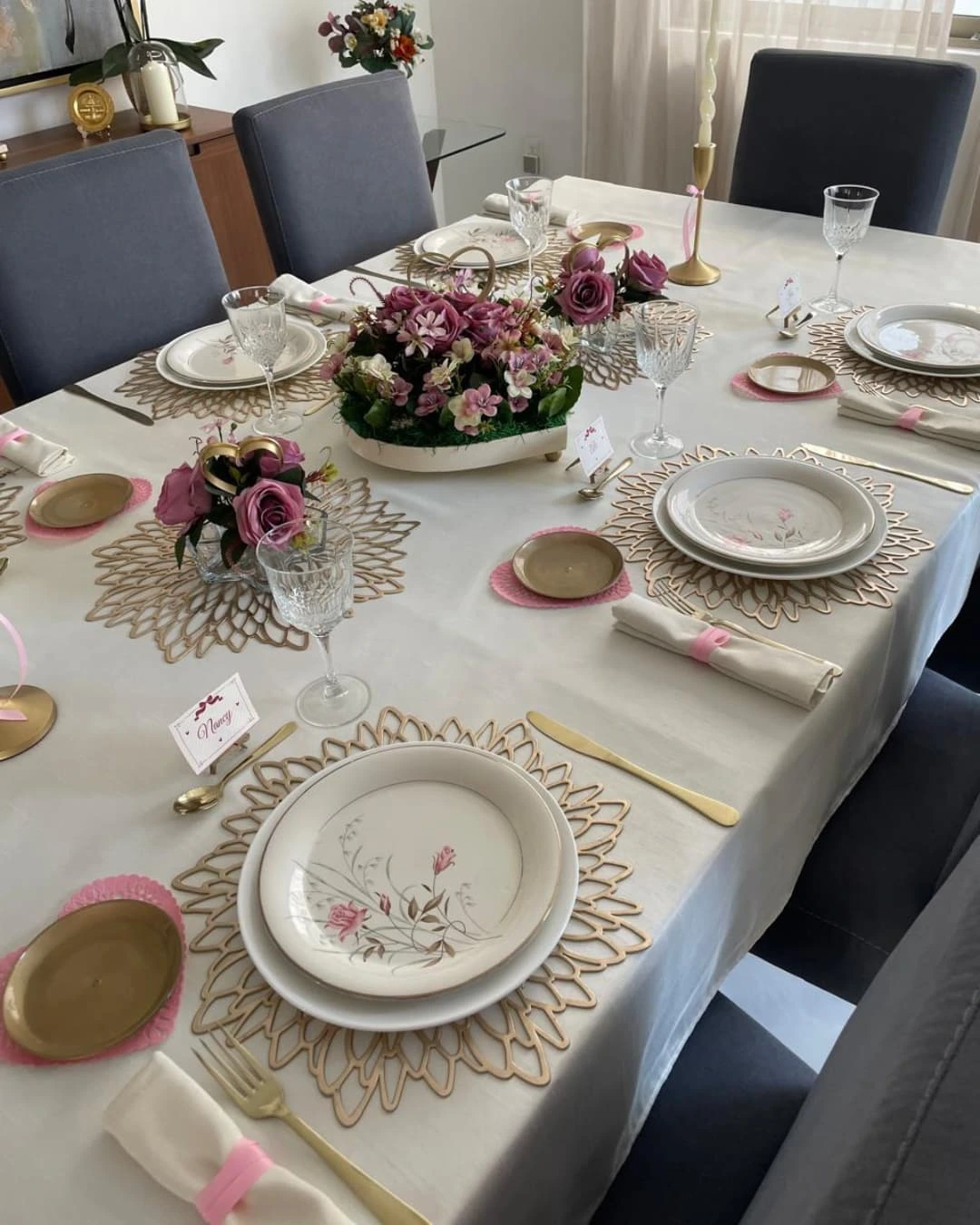
Deep red sounds romantic, but under candlelight it often reads darker than expected. In smaller dining areas, it can make the table feel closed in.
What worked better for me was letting warm neutrals carry most of the table. Creams, soft blush tones, and muted clay shades reflect candlelight instead of absorbing it. Then I added one deeper accent through napkins or a simple floral stem.
This keeps the table relaxed while still feeling considered. Nothing fights for attention.
If your space is small, lighter tones matter even more. They bounce candlelight around the table and soften edges. That alone can change how long people stay seated.
As color settles into the background, texture becomes the next quiet layer that shapes how the table feels.
Texture That Makes People Want to Stay Seated
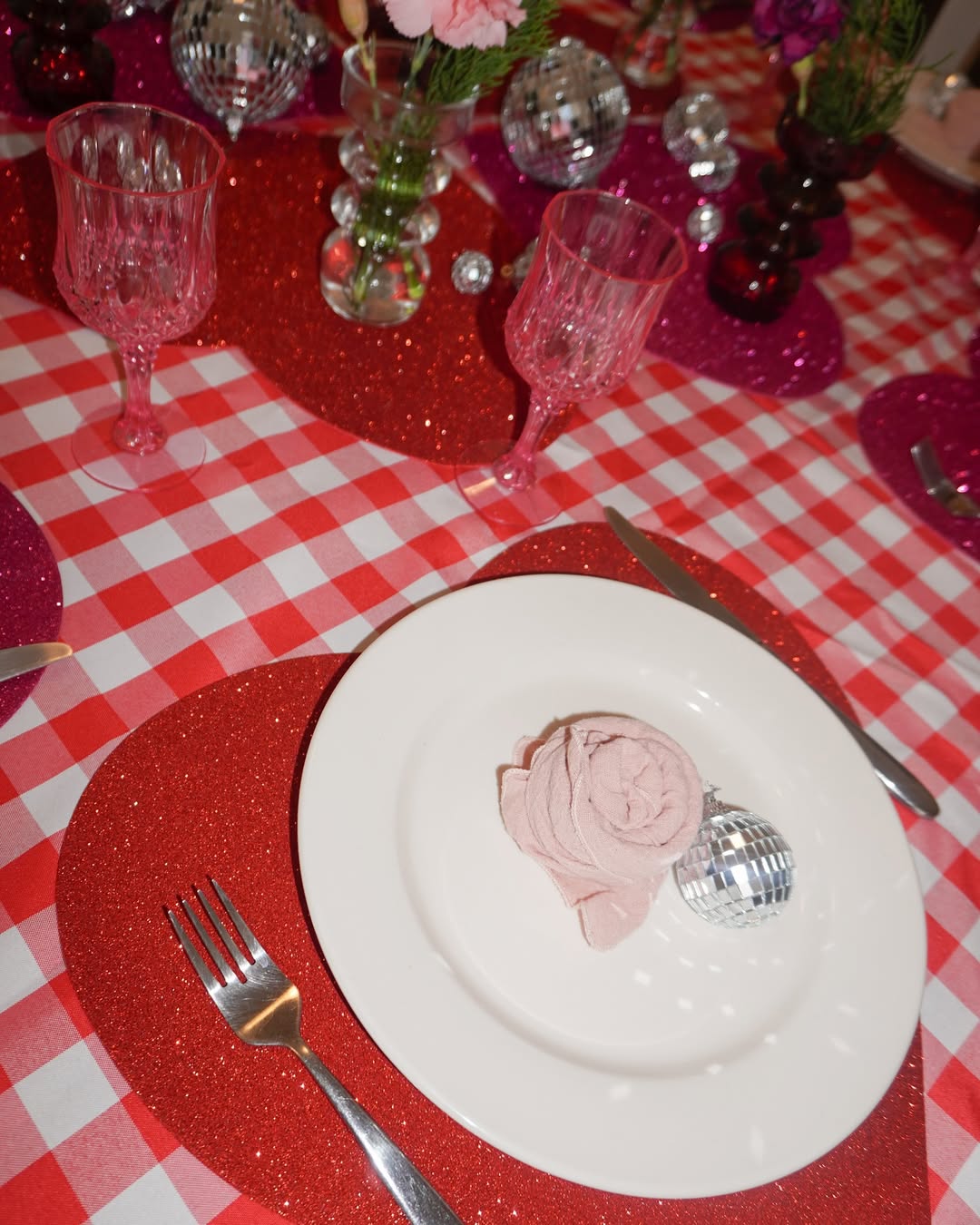
A bare table looks clean during the day, but at night it often feels cold and exposed.
I noticed dinners lasted longer once I added something soft under plates. A linen runner. Fabric napkins. Even a simple cotton tablecloth. The table felt calmer without looking dressed up.
Texture matters more in the evening because sound carries differently. Hard surfaces reflect noise. Soft ones absorb it. With fabric on the table, chairs scrape less. Plates settle instead of clatter. The whole meal feels quieter.
Designers often talk about layered lighting, and Architectural Digest applies that same layered thinking to how rooms feel overall. Their expert guidance on shaping atmosphere explains why relying on one flat surface rarely creates comfort on its own.
A quick check that helps. Sit down at the table and rest your forearms where you would during dinner. If the surface feels cool and loud, adding one soft layer will change that immediately.
When the table feels quieter, people relax without thinking about it. They lean in. Meals slow down.
Next comes how the table welcomes each person who sits down.
Place Settings That Feel Personal, Not Formal
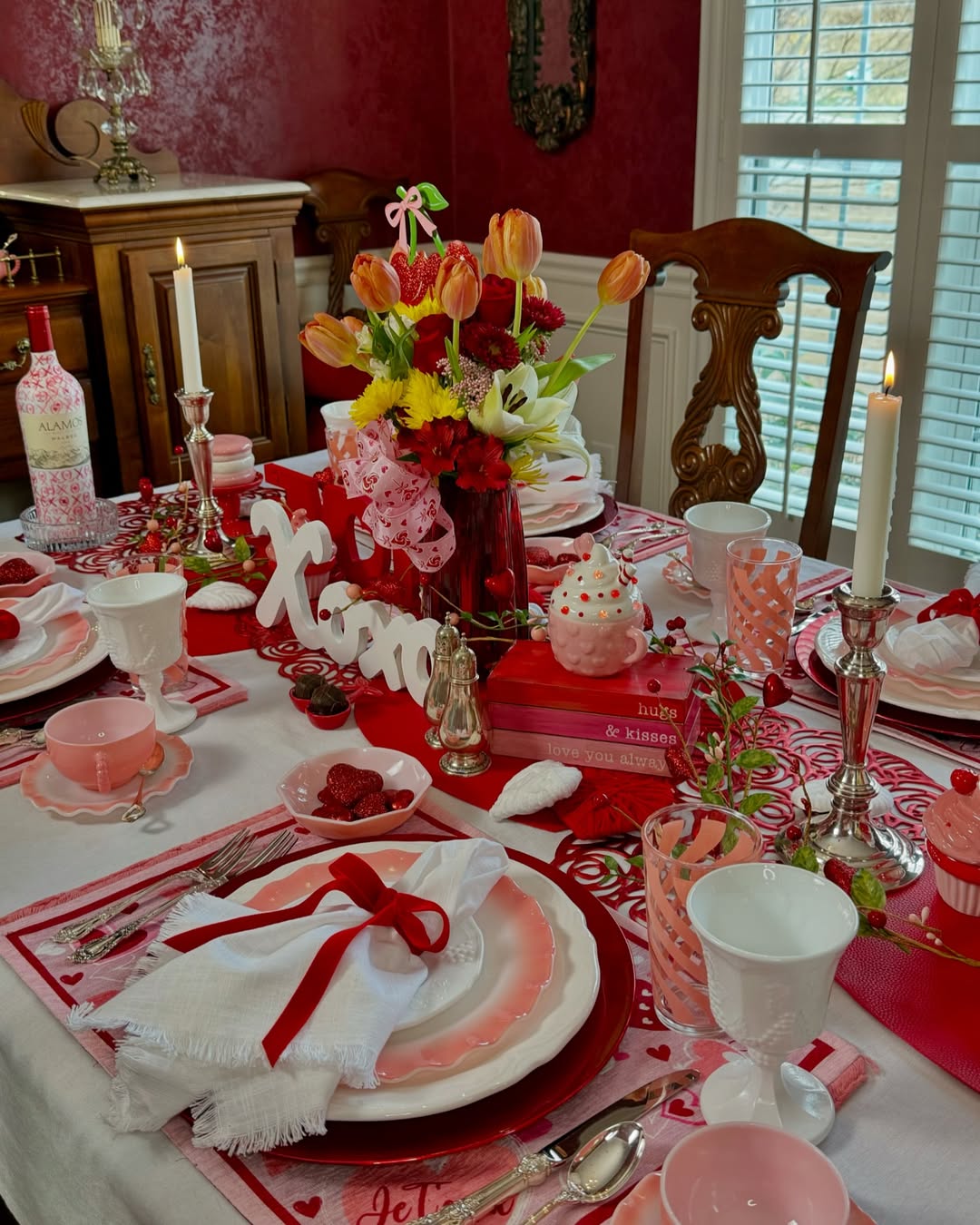
Perfect symmetry looks polished, but it can feel distant in real life. I learned this after setting a table that photographed well but felt stiff once dinner started.
Small variations make a difference. A folded napkin instead of a napkin ring. A handwritten place card. Plates placed with slight flexibility instead of exact alignment.
These details signal intention without pressure. Guests feel considered rather than positioned. That comfort shows up in how people sit, talk, and stay.
If you want to check this, imagine arriving at your own table as a guest. Does it feel like something you are meant to use, or something you are meant to admire?
Once place settings feel relaxed and human, the table is ready for the centerpiece to do less and allow connection to do more.
Centerpieces That Support Eye Contact
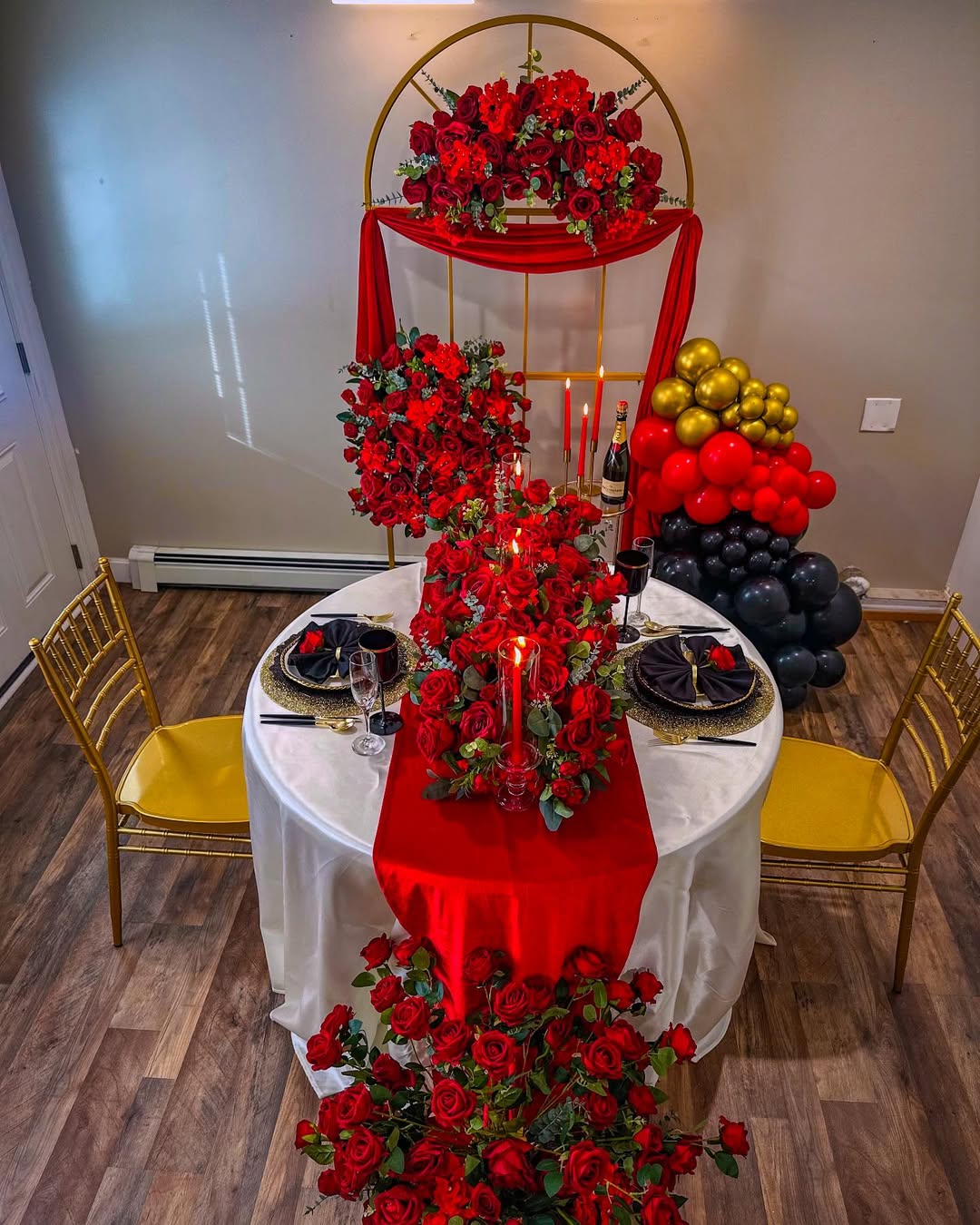
Tall centerpieces break connection. I avoid them now because they change how people sit and speak.
When guests have to look around flowers or decor to see each other, conversation slows. People speak less freely. Eye contact disappears.
Better Homes & Gardens shared designer Nate Berkus’s rule about keeping centerpieces low so everyone at the table can see each other with ease. I follow that approach every time. Low florals placed wide instead of tall. Candles grouped close to the table surface. One simple object that leaves space around it.
Negative space is not empty. It gives the table room to breathe.
A quick check that helps. Sit at the table and look across from where someone else would be. If anything blocks your view of their face, lower it or remove it.
With clear sightlines, people lean forward naturally. Conversations flow without effort. The table feels intimate without trying to be.
Timing the Table for the Evening Light
This is the part most people skip.
A table never looks the same at 5 p.m. as it does at 8 p.m. Light softens. Shadows move. What felt balanced earlier can feel busy later.
I now set the table twice. Once loosely during prep so everything is ready. Then a short edit right before guests sit down.
I dim the lights a bit more. I remove one or two items that feel loud. I shift candles so light falls toward faces, not straight up.
This final pass matters because it matches the table to the moment people actually experience it. The result feels calm and intentional. Not styled. Not rushed.
When the table settles into the evening, guests do too.