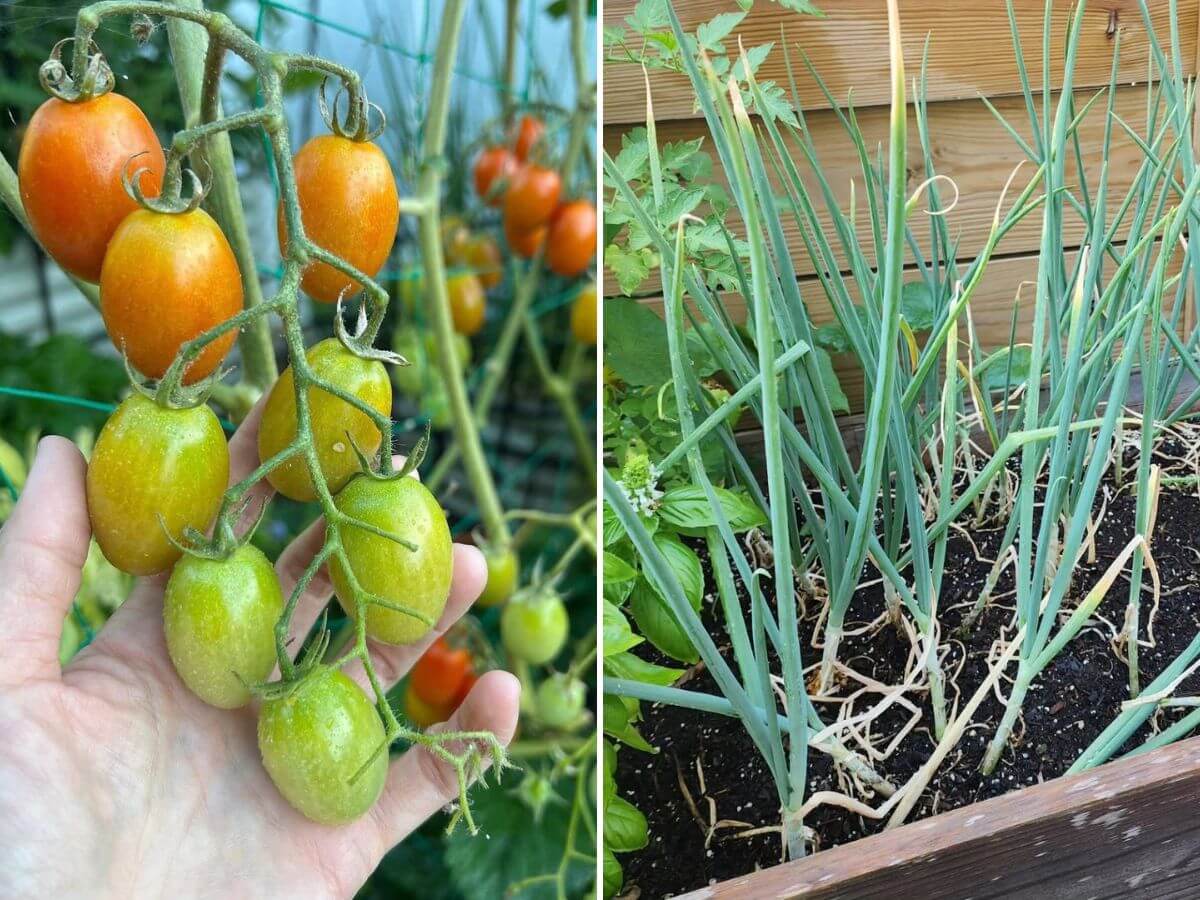
Vegetable Garden Ideas That Save Space and Still Give You a Big Harvest
I used to think I needed more space.
So I kept adding more pots, more plants, more corners filled with “just one more thing.” It looked full. But the harvest? Disappointing.
If your vegetable garden looks busy but doesn’t give you much back, you’re not alone. Most people run into this without realizing what’s actually going wrong.
That’s when I noticed something most beginners miss. A vegetable garden doesn’t fail because of space. It fails because of how that space is used.
Here is where things change.
Once you shift how you plan your layout, how you use sunlight, and what you choose to grow, everything starts to work differently. Even a small balcony or a tight backyard can produce more than you expect.
And the best part? You don’t need more space to get there. You just need a smarter setup.
Start With Strategy, Not More Plants
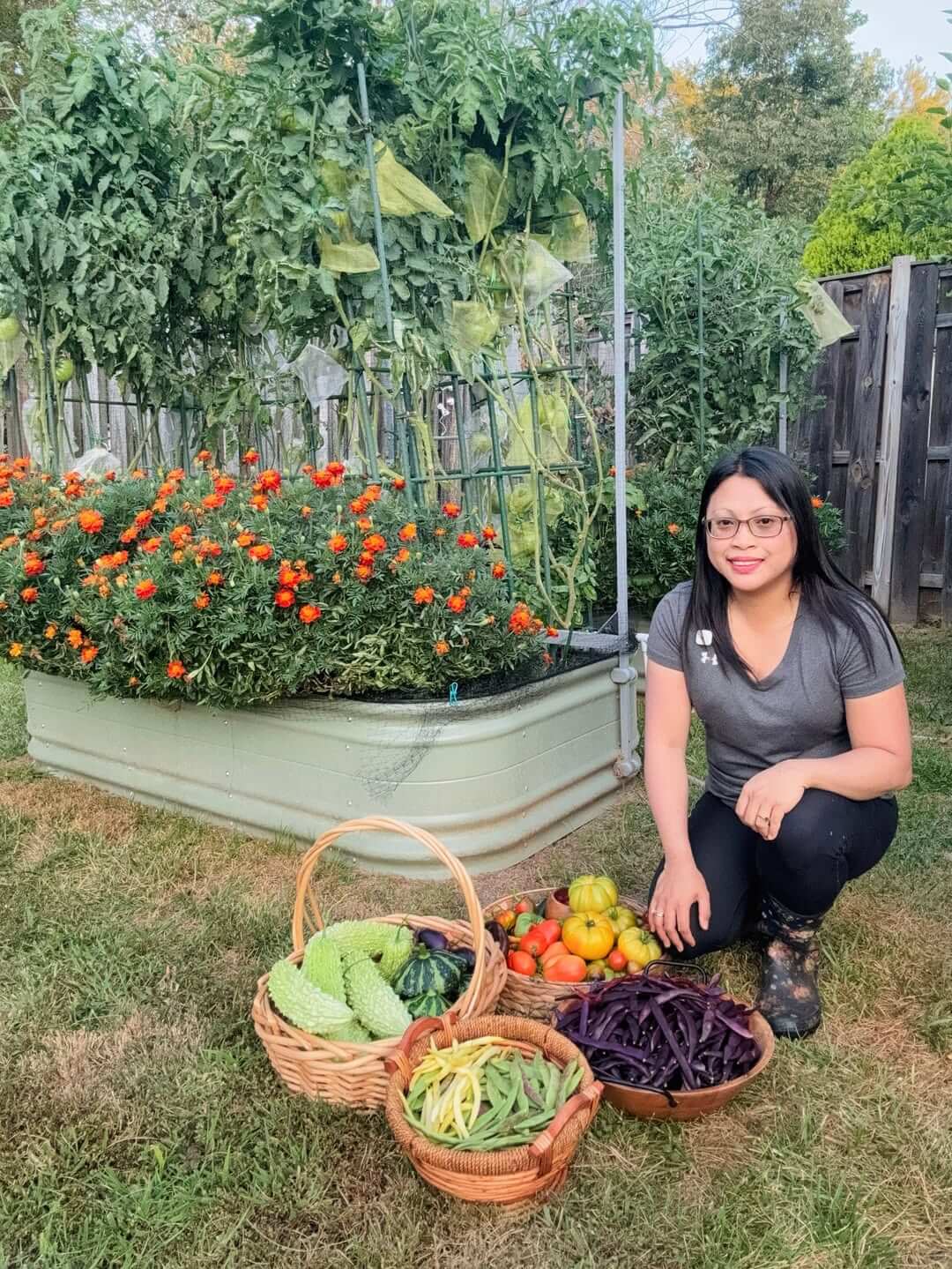
The biggest mistake I made early on was planting everything at once.
More plants felt like more food. In reality, it led to overcrowding, weak growth, and constant frustration.
Plants compete. For sunlight. For nutrients. For airflow.
So instead of asking what you can add, pause and look at what already exists. Think about what actually grows well in your space, what produces consistently, and what you can realistically support.
When I started removing plants instead of adding them, my harvest improved almost immediately.
Let’s break it down into what actually works.
Go Vertical Before You Go Wide
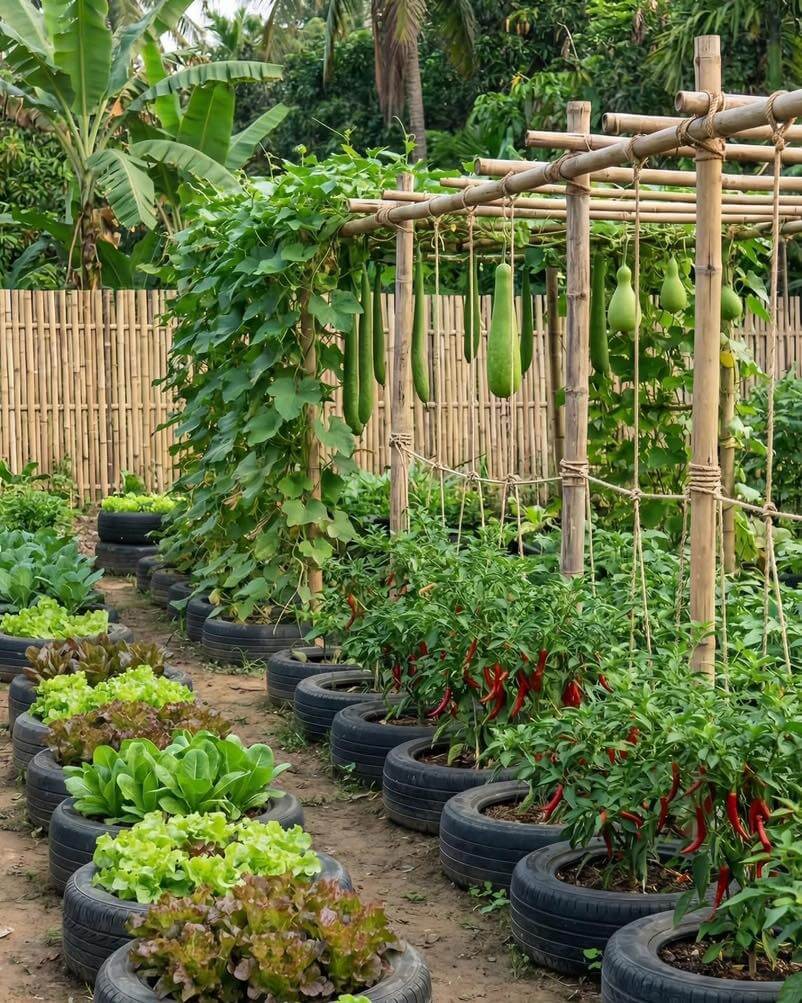
If you’re short on space, growing upward changes everything.
I remember the first time I added a simple bamboo support for my cucumbers. It freed up ground space and made harvesting easier without changing the size of my garden.
And this isn’t just personal experience. As noted by Homes & Gardens, “If you have a smaller growing space and have planted cucumbers in containers, they can be staked individually with bamboo.”
That one shift can change how much you grow in the same footprint.
Start small. Add one trellis or use a railing you already have. Even a single vertical setup can make your space feel twice as productive.
Here’s where this gets even better.
Use Containers Like a System, Not Random Pots
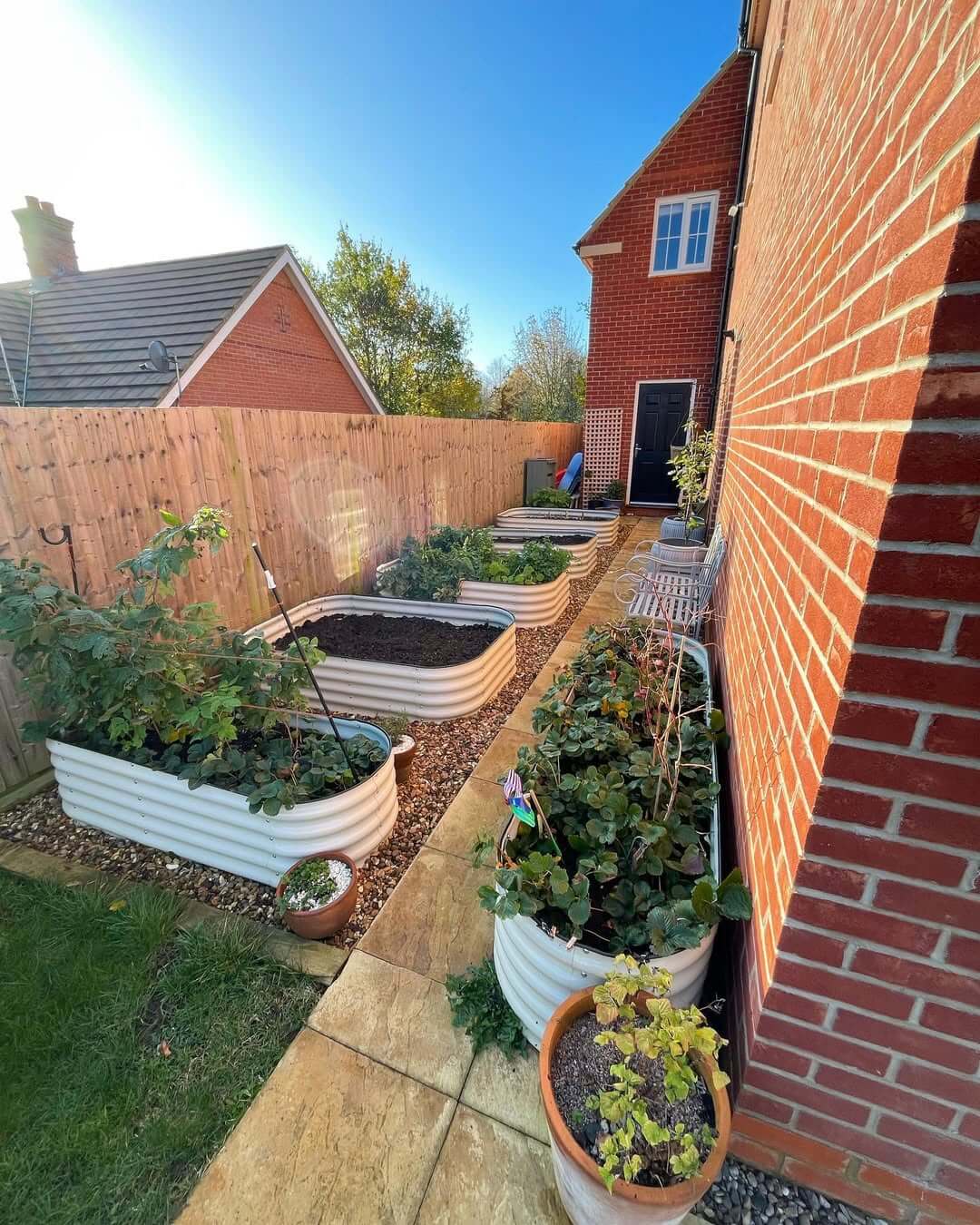
I used to place containers wherever they fit.
Some ended up in shade. Others got too much sun. Watering felt inconsistent, and growth followed the same pattern.
Once I grouped plants based on their needs, everything became easier to manage.
And there’s a clear reason for that. Better Homes & Gardens explains that “Almost all vegetables and many flowering plants need 6–8 hours of full sun every single day.”
That one detail changes how you should place everything.
When you start grouping sun-loving plants together and adjusting placement based on light, your garden becomes more predictable. And when it’s predictable, it performs better.
Now let’s talk about what you grow, not just where you grow it.
Choose Crops That Actually Produce More Food
Not every plant gives you the same return.
Some take up space and give you very little back. Others keep producing over and over again.
In a small garden, this difference matters more than anything else.
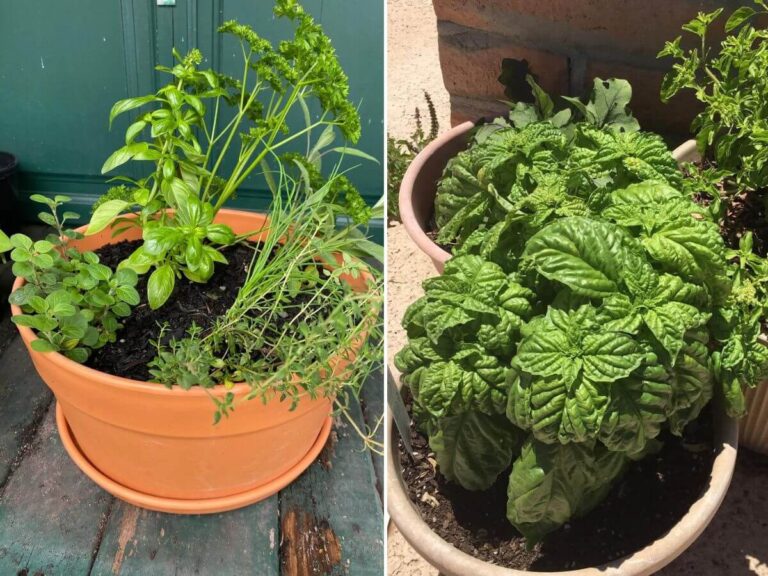
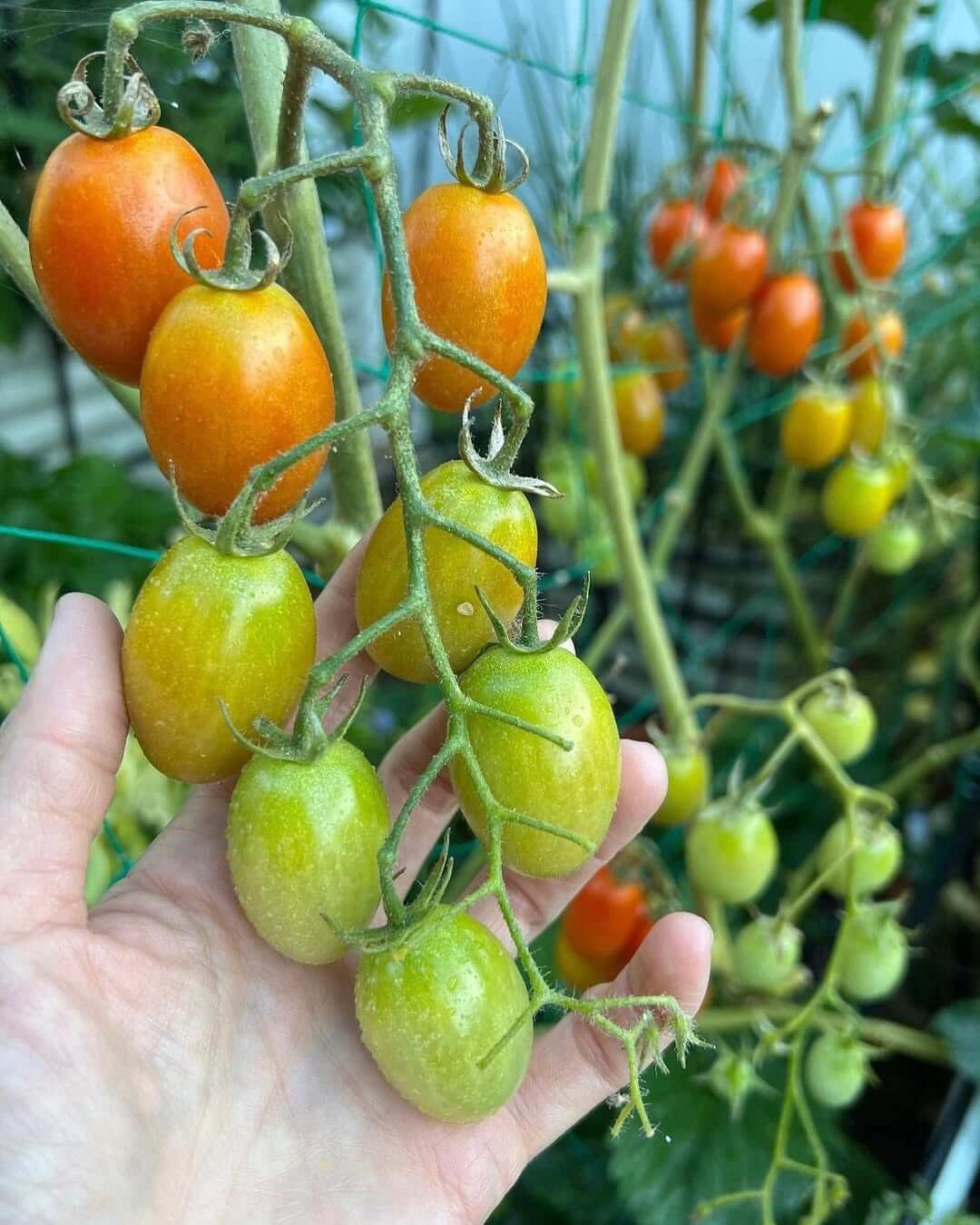
I started paying attention to what actually fed me, not just what looked good. Leafy greens kept coming back. Herbs stayed productive. Tomatoes and peppers gave me harvests over time instead of all at once.
That one shift changed how useful my garden felt.
If something isn’t producing much, replace it. Small changes like this add up faster than you expect.
This is where things start compounding.
Succession Planting Keeps Your Garden Productive
Most people plant once and wait.
It works for a while. Then everything slows down at the same time.
Succession planting fixes that.
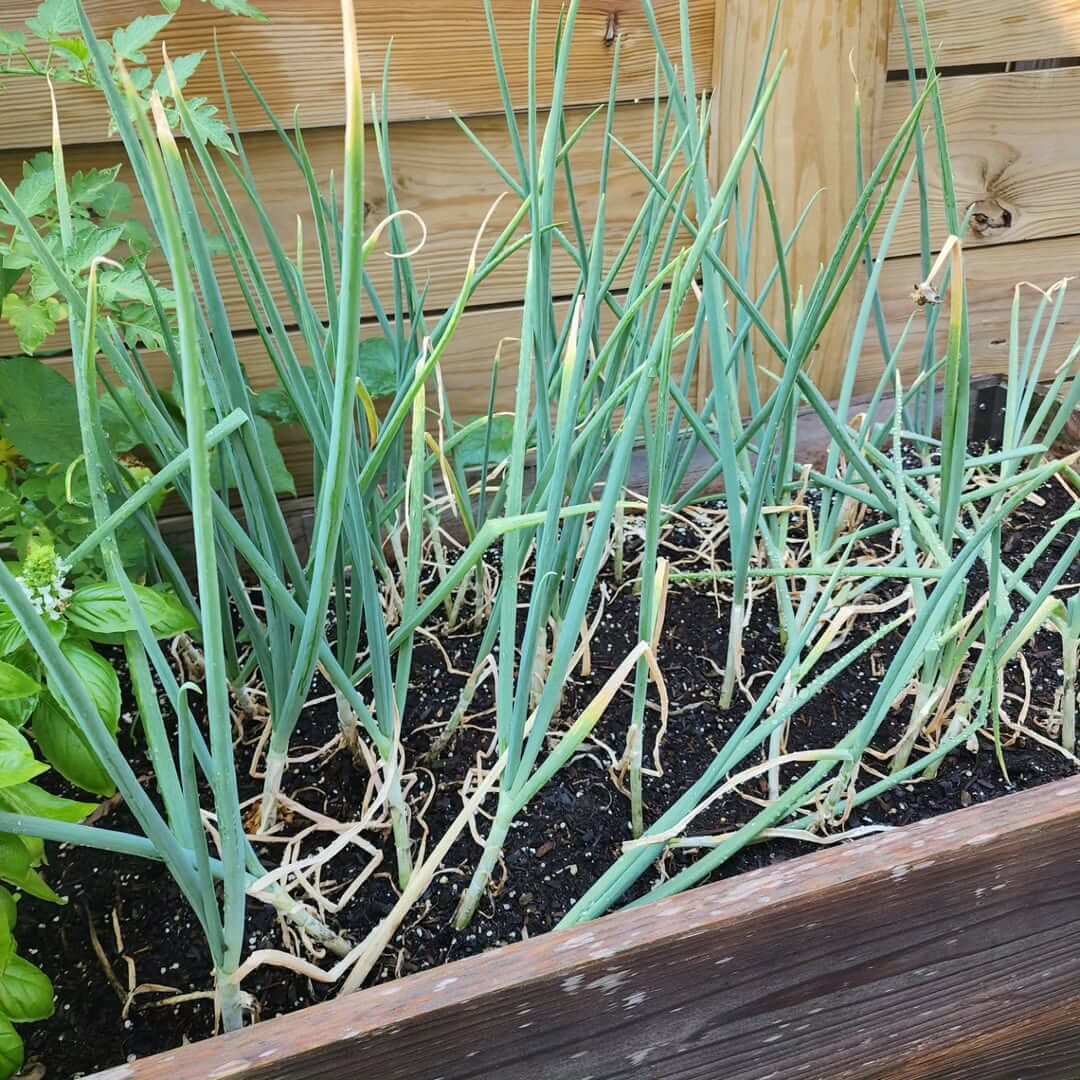
Instead of planting everything in one go, you stagger it. I started with just one extra round of greens a couple of weeks later. Then another.
Before I knew it, I wasn’t harvesting once. I was harvesting continuously.
Even a single extra planting cycle can extend your harvest in a noticeable way.
This is where small gardens start to outperform larger ones.
Maximize Sunlight Like It’s Limited Space
At one point, I had more space than before, but part of it stayed in shade most of the day.
The result was clear. Slower growth. Smaller harvests.
That’s when I stopped thinking about space and started thinking about light.
Even moving a container a few feet can make a difference. Corners that stay bright, walls that reflect light, and balconies that get longer exposure all matter more than size.
You don’t need more room. You need better placement.
If you’re planning your layout, this is something worth getting right early.
Raised Beds Make Small Spaces Work Harder
When your soil isn’t working, your plants won’t either.
That’s where raised beds come in.
Homes & Gardens points out that “Raised garden bed ideas offer a great planting opportunity in backyards that may have poor soil or ground to work with.”
And BC Gardeners’ World Magazine adds that “They’re also invaluable if you have poor soil, or have soil that doesn’t suit the plants you want to grow.”
I’ve seen this play out in real time.
A smaller raised bed with better soil outperformed a larger ground area that I struggled to manage.
When space is limited, control becomes more valuable than size.
Soil Quality Changes Everything
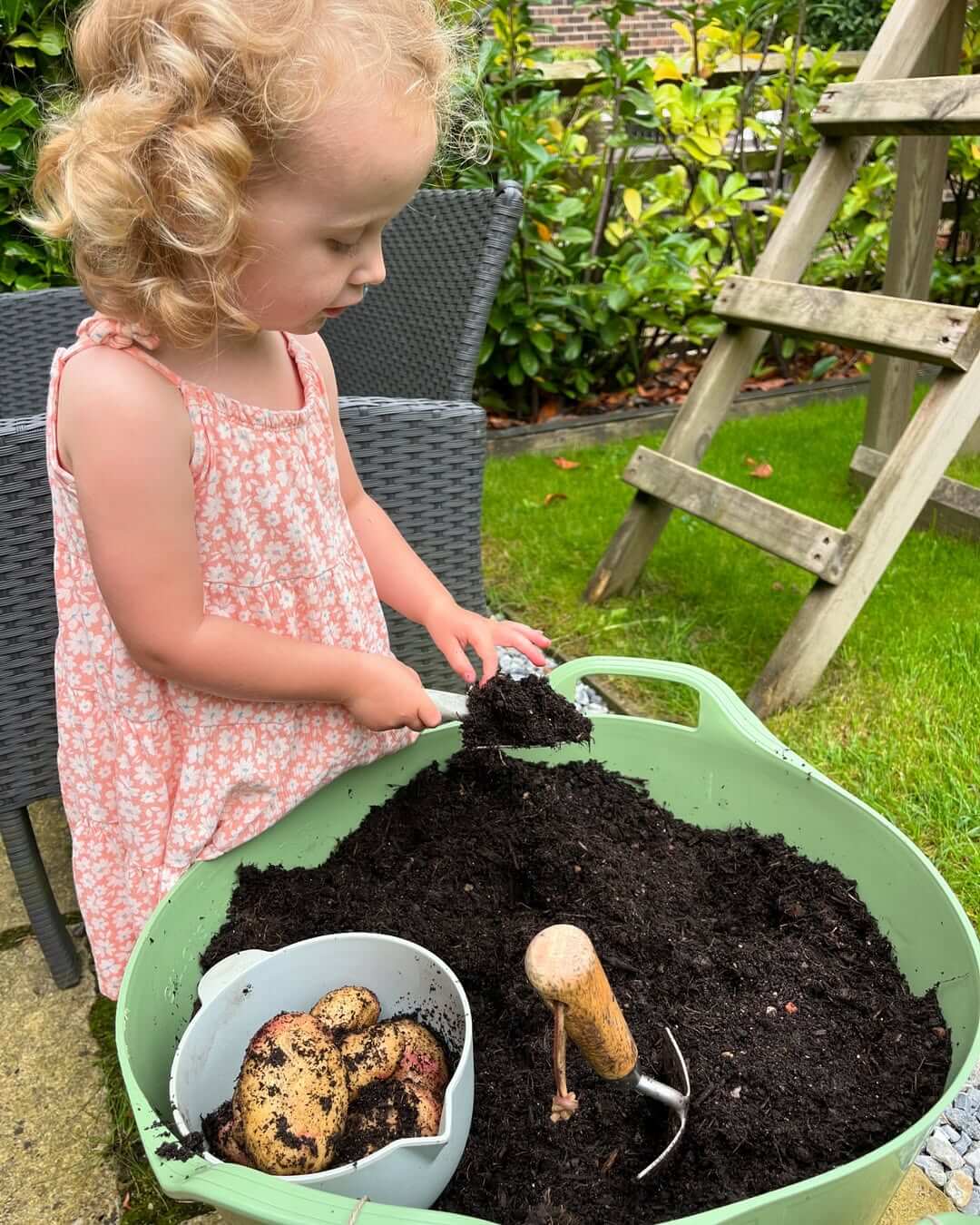
Once I improved my soil, everything else became easier.
Plants grew faster. Leaves looked healthier. Harvests lasted longer.
In a small garden, soil is where you gain your advantage.
Adding compost and organic matter doesn’t just help your plants. It changes how your entire setup performs over time.
Here is the part most beginners overlook.
Water Smarter, Not More Often
I used to water every day because it felt like the right thing to do.
It wasn’t.
Too much water weakens roots and slows growth. Once I switched to watering deeply and less often, my plants became stronger and more consistent.
Grouping plants with similar needs also made watering simpler and more effective.
Small adjustments here make a noticeable difference.
Create a Simple Layout Before You Start
Before planting anything now, I take a few minutes to plan.
Nothing detailed. Just a rough idea of where things go, where sunlight hits, and how everything fits together.
That small step prevents a lot of mistakes.
Even a quick layout can save you from rearranging everything later.
Small Tweaks That Make a Big Difference
Some of the biggest improvements come from small habits.
Regular harvesting encourages more growth. Keeping plants supported helps them stay healthy. Light pruning can improve how they produce over time.
These changes don’t take much effort, but they build on each other.
Small Space, Bigger Results
You don’t need more space to grow more food.
You need better decisions.
Once I stopped trying to fill every inch and started using space with intention, everything changed.
And that shift is what makes the difference.
If you’ve been feeling stuck with your garden, this is your sign that it’s not about starting over. It’s about adjusting what you already have.
Start small. Keep adjusting. Pay attention to what works.
Your vegetable garden will reward you for it.
If this gave you a new way to look at your vegetable garden, share it with someone who’s trying to grow more in a small space.
You may also want to read:
Herb Garden Ideas for Small Spaces That Still Produce Plenty