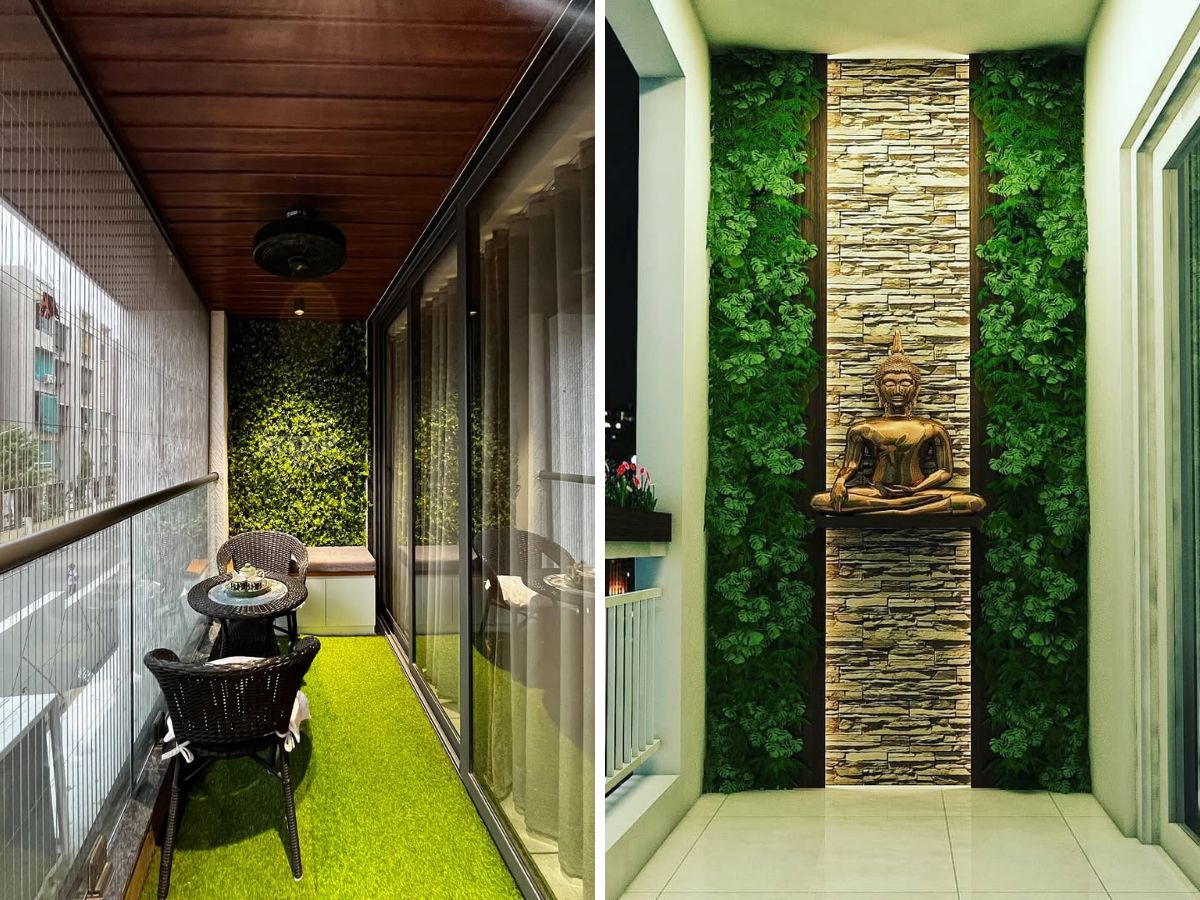
Vertical Garden Wall in Balcony: Easy Setup Guide
When I first thought about adding plants to my balcony, I almost gave up before starting. The space felt too small. The sun felt too harsh. And most examples online looked staged for a photo shoot, not built for real apartments.
That’s the truth about balcony gardening. It seems complicated until you understand how vertical garden walls actually work in tight spaces. Once that clicks, the idea shifts. What felt impossible starts to feel practical, even calming.
Vertical garden walls make sense because they solve real problems at once. They use height instead of floor space. They create privacy without cutting airflow. They soften heat and harsh views. And they let you grow plants even when there’s no room left for another pot.
This guide is built for real balconies, not perfect ones. You’ll see how to read your space, choose setups that won’t overwhelm it, and make simple decisions that lead to plants surviving, not struggling.
Let’s start with what your balcony can handle, because that single step decides everything that comes next.
Read Your Balcony Before You Buy Anything
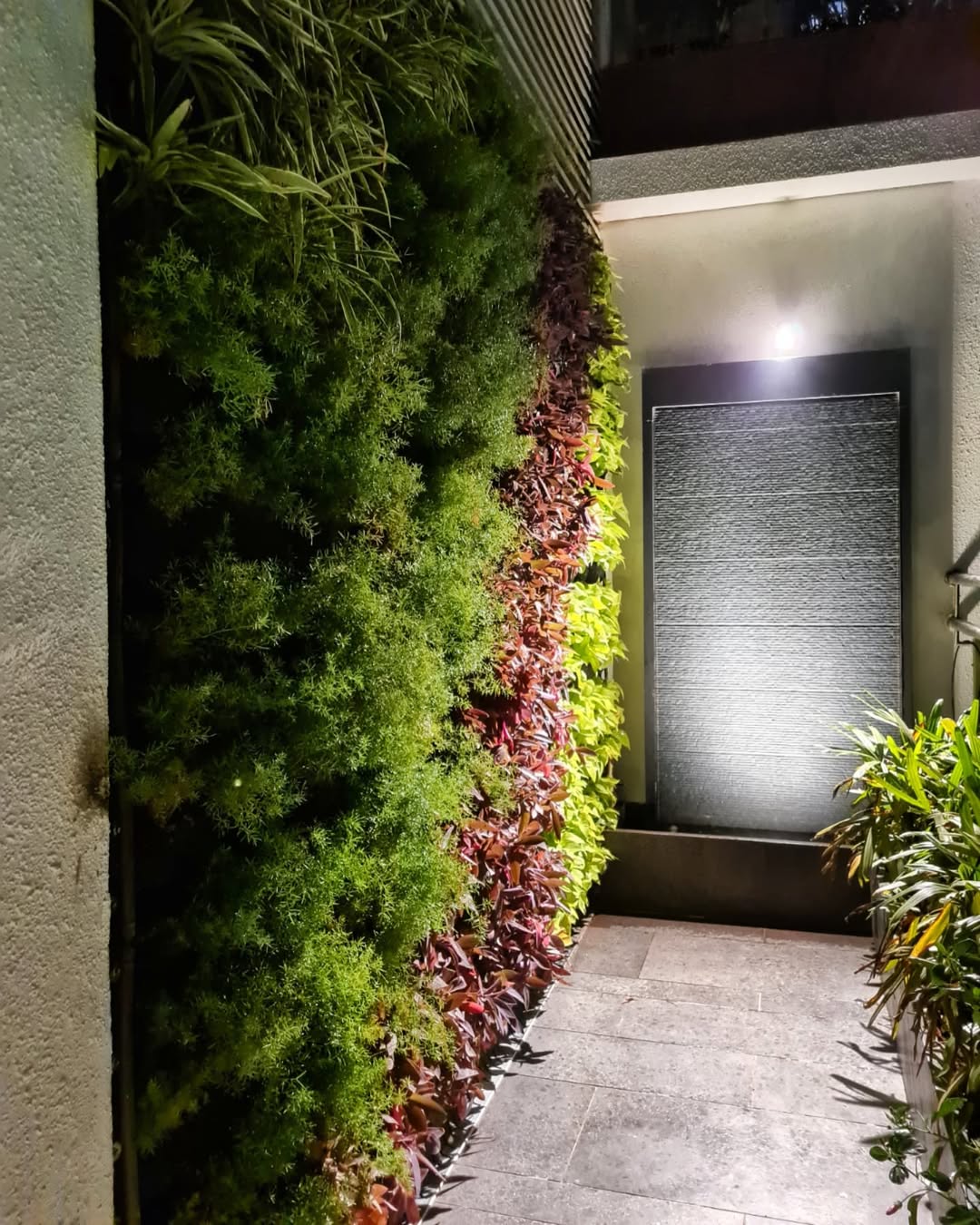
Before choosing plants or buying panels, step outside and watch your balcony for a full day. This single habit prevents wasted money and dead plants later.
Notice how sunlight shifts hour by hour. Some balconies get gentle morning light and shade by noon. Others heat up fast as nearby walls reflect sunlight back onto the space. Wind matters just as much. Higher floors often dry soil faster, even when the sun seems manageable.
Weight is another detail many people miss. Apartment balconies are designed for people and furniture, not rows of soaked planters. That’s why lightweight systems and shallow-root plants tend to last longer here.
Design-focused home experts often stress understanding a space before decorating it, and greenery follows the same rule. Homes & Gardens explains that knowing a balcony’s limits is what turns it into a calm, usable area rather than one that feels crowded or stressed.
Once you know how your balcony behaves, every later choice feels simpler and more confident.
Also read:
Pick a Vertical Garden Style That Fits Apartment Life
Vertical gardens don’t need to be permanent or expensive. The right setup depends on how much sun you get, whether drilling is allowed, and how involved you want to be week to week.
Wall-mounted pocket planters work well when you want something light and flexible. Fabric pockets drain faster than solid containers, which helps roots breathe and avoids soggy soil. The Spruce points out that these systems are one of the easiest ways to start vertical gardening in small spaces without heavy hardware.
Freestanding frames suit renters who want height without touching walls. These lean securely and still give plants room to grow upward. I’ve seen them work best for herbs and trailing plants that don’t need much depth.
Trellis-style setups reward patience. Instead of planting many pockets, you let climbing plants spread over time. Better Homes & Gardens explains that vertical structures like trellises improve airflow and reduce crowding, which matters a lot on balconies.
No matter the style, resist filling every space on day one. Leaving gaps helps plants settle and reveals what your balcony actually supports.
The Mistakes That Make Vertical Gardens Fail
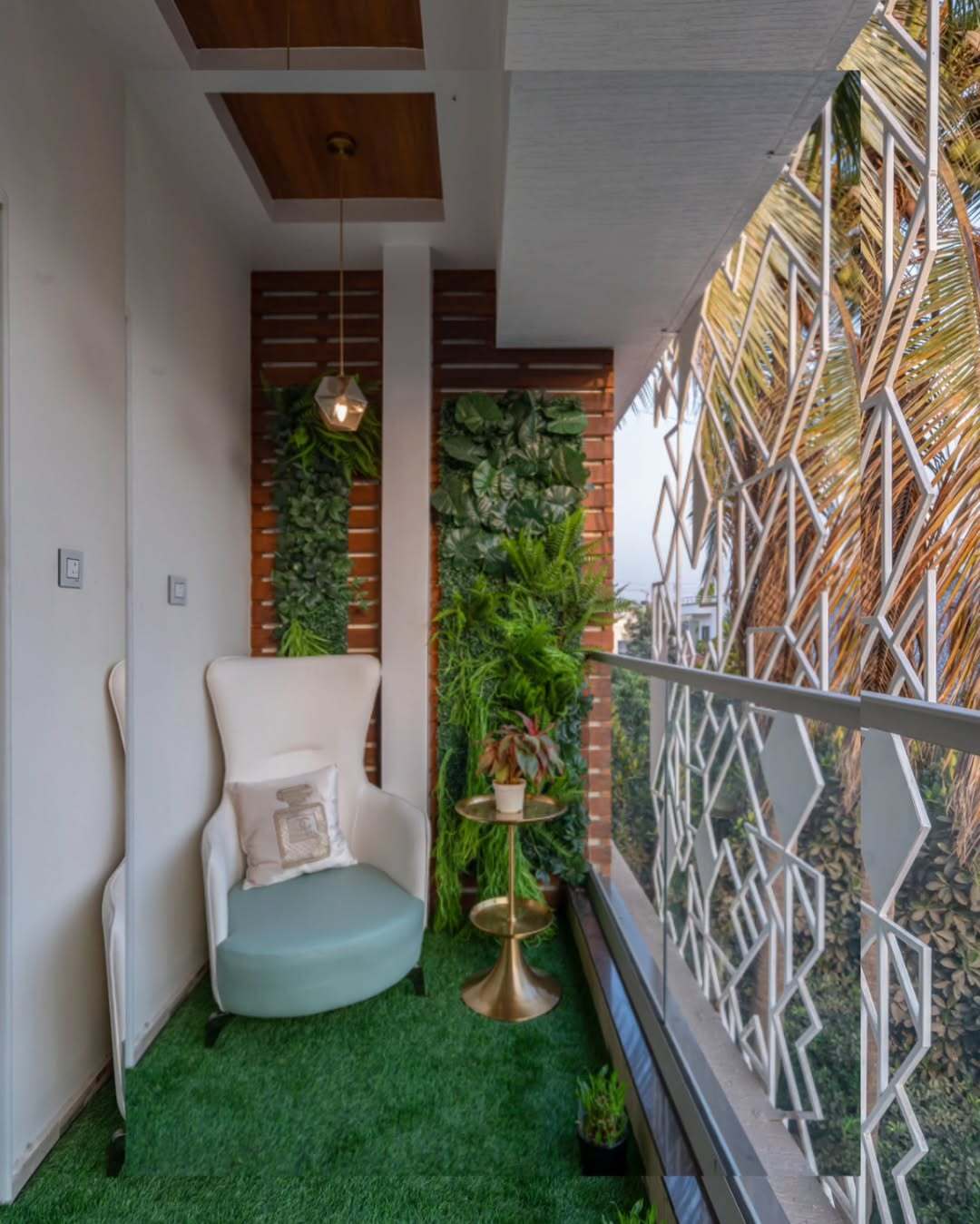
Most balcony vertical gardens struggle for one reason. Too many plants go in too fast.
Crowded roots compete for water. Leaves block airflow. A wall that looked full at first starts dropping leaves within weeks.
Access causes trouble too. If watering feels annoying or awkward, it stops happening regularly. Vertical gardens work best when every plant is easy to reach without effort.
Small-space gardening experts at Apartment Therapy stress that spacing and access matter more than filling every inch. Their guidance on vertical gardens for tight spaces shows how slower growth often leads to healthier walls.
When plants have room and attention feels manageable, survival rates rise quickly.
Choose Plants That Like Balcony Conditions
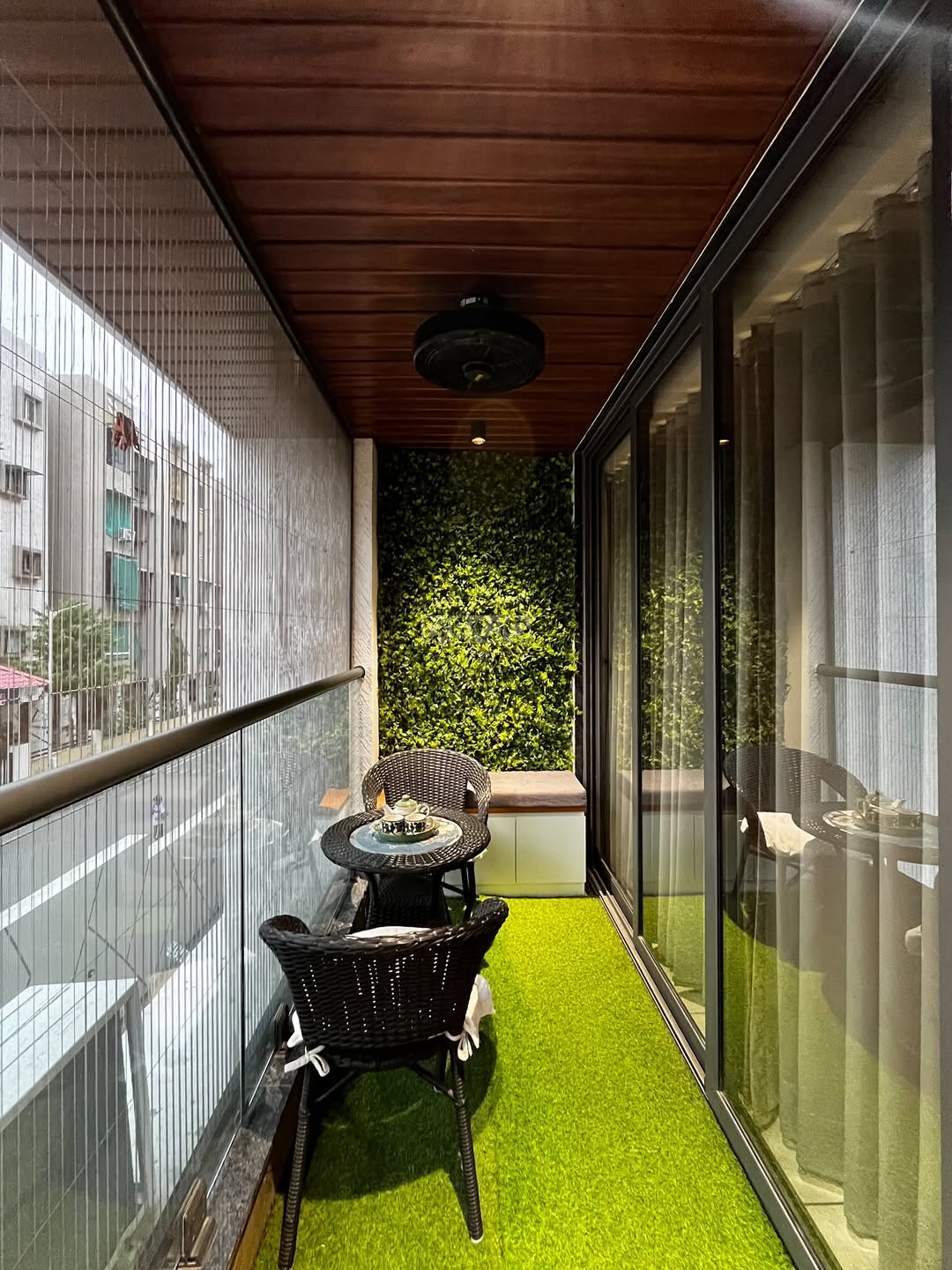
Balconies create their own climate. Heat bounces off walls. Wind pulls moisture from soil. Shallow containers dry out faster than ground beds.
That’s why plant choice matters more than appearance.
Herbs like thyme, oregano, and mint handle vertical setups well because they recover quickly from trimming and don’t need deep soil. Trailing plants soften hard edges and shade roots below. Upright plants do better when spaced so light reaches all sides.
Design publications like Architectural Digest often show living walls as visual features, yet they also stress that long-term success comes from choosing plants that suit the environment rather than the look alone.
Once plants match the space, soil and watering become easier to manage.
Keep Soil and Water Balcony-Friendly
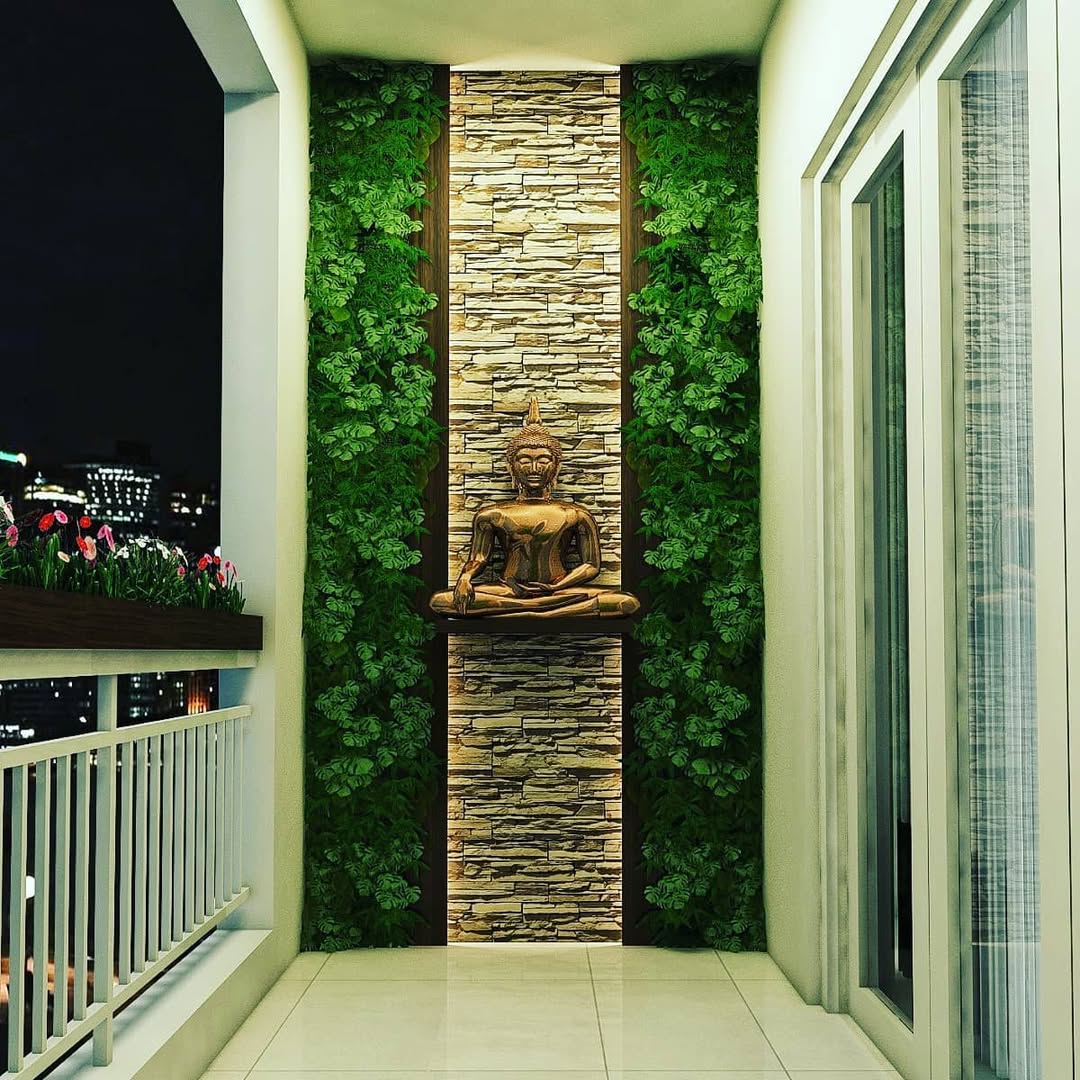
Heavy soil causes problems fast. It compacts, traps moisture, and adds unnecessary weight.
A lightweight potting mix with good drainage keeps roots healthier and makes watering less stressful. Water should pass through soil, not pool at the bottom.
Dripping water can cause issues with neighbors, so slow watering and drainage trays help. I’ve found that watering in the morning gives plants time to absorb moisture without runoff.
Lifestyle-focused sites like Real Simple often recommend vertical greenery because it keeps floors clear and spaces calmer. Their outdoor decor guidance ties vertical elements to easier maintenance and better flow, which starts with soil and drainage choices.
With this foundation in place, the setup feels far less intimidating.
Set It Up Without Overthinking
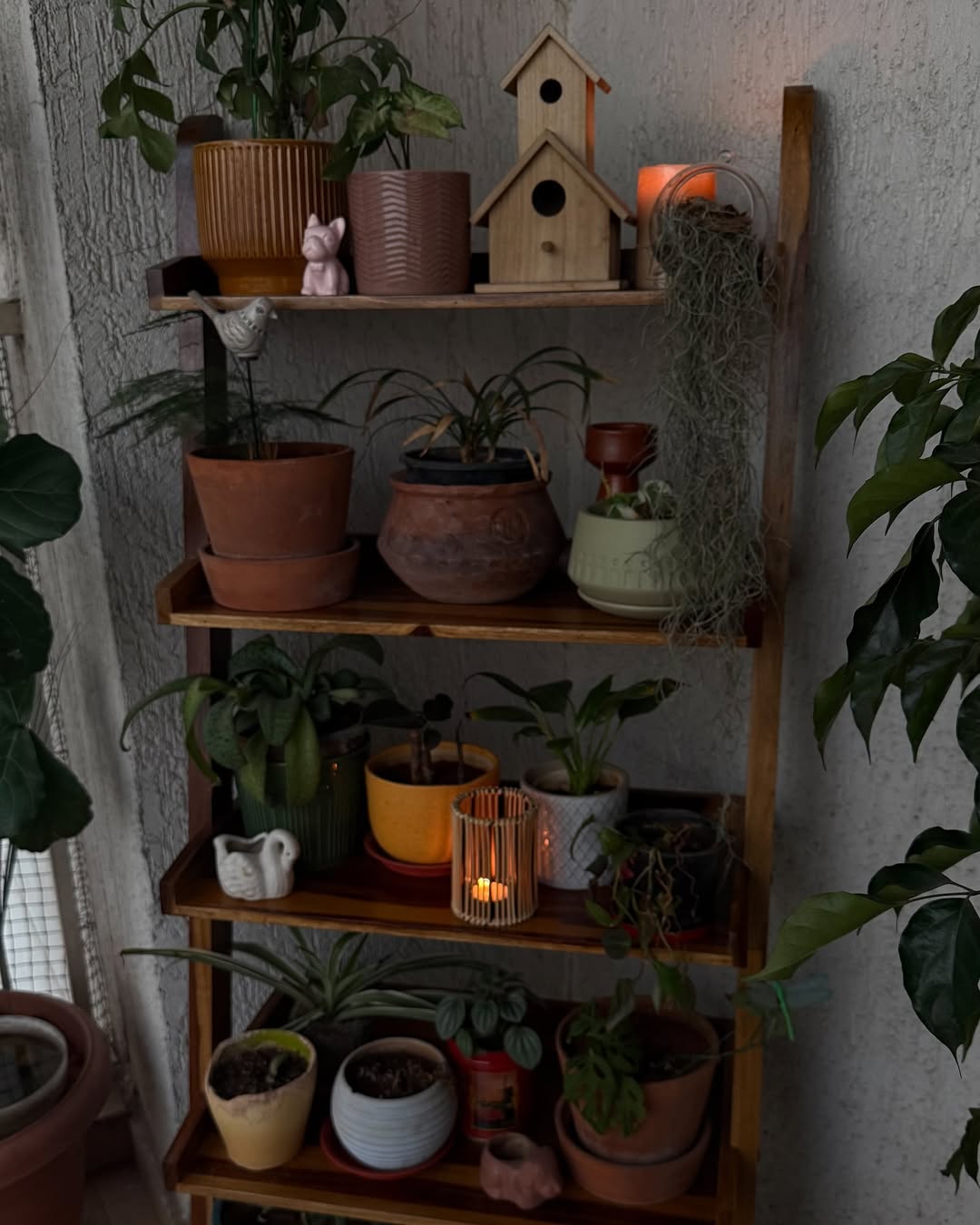
Start from the bottom and work upward. This keeps structures steady and makes spacing easier to judge.
Place plants loosely at first. Water lightly and give them a few days to settle. Roots adjust better when they aren’t packed tightly right away.
The first week sets the tone. Watch how water moves. Notice which areas dry faster. Make small changes instead of rushing fixes.
Home improvement experts at Bob Vila frame vertical gardens as practical space-saving solutions, not decor stunts. Their guidance reinforces that steady, simple setup leads to better results over time.
After the first week, care becomes part of a rhythm rather than a task.
Make It Work Long Term Without Daily Effort
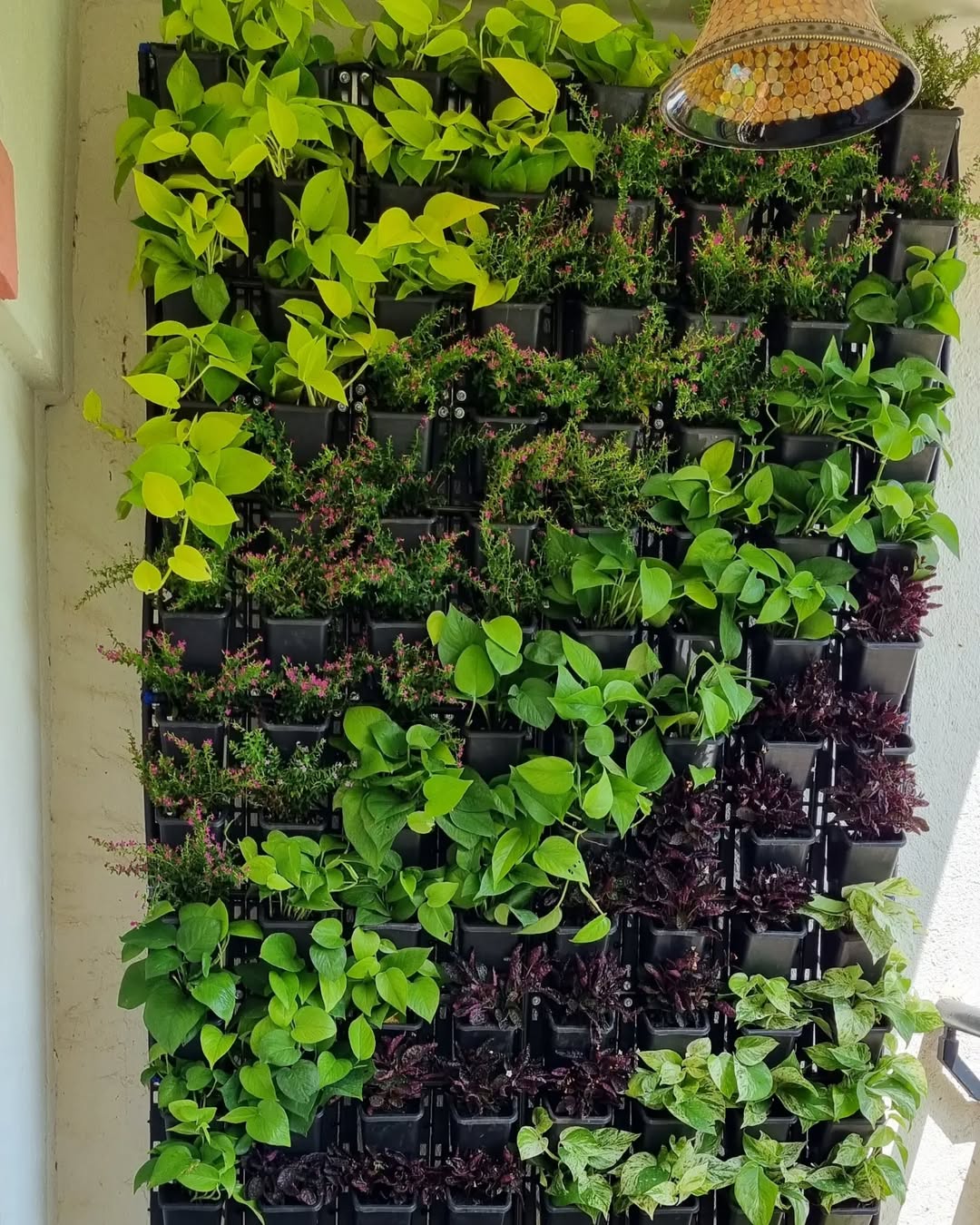
A vertical garden doesn’t need daily attention. It needs consistency.
A short weekly check helps catch issues early. Light trimming improves airflow. Rotating pots evens out sun exposure. Seasonal swaps keep plants comfortable rather than stressed.
Over time, the wall balances itself. Plants shade one another. Watering patterns settle. Growth feels natural.
House Beautiful often shows vertical gardens as visual highlights, yet they also emphasize layering and spacing. Their approach shows how thoughtful arrangement supports healthier plants and calmer spaces.
Why Balcony Vertical Gardens Change How You Use the Space
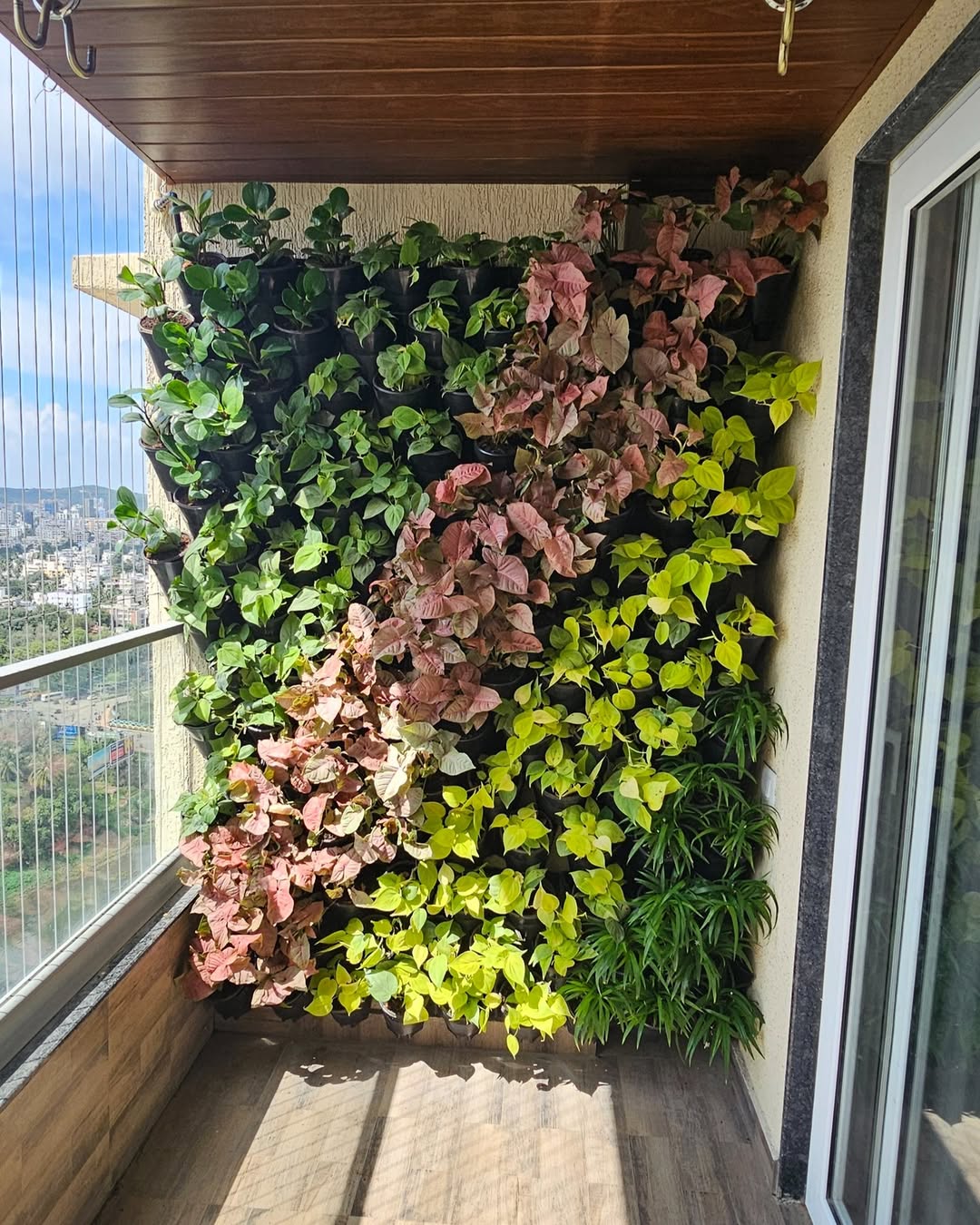
This shift surprises many people.
Once plants settle in, balconies feel quieter and cooler. Views soften. The space feels private without feeling closed off. Instead of storage, it becomes a place to pause.
Green walls absorb sound, block harsh angles, and reshape how a small area feels.
That’s the real payoff. A vertical garden doesn’t just add plants. It changes how the balcony fits into daily life.
By this point, most of the big decisions are clear. Still, a few practical questions tend to come up right before someone actually starts. These are the ones readers pause on, right before buying or setting things up.
Let’s walk through them.
Frequently Asked Questions About Balcony Vertical Garden Walls
Can I build a vertical garden on a rental balcony
Yes, many setups work without drilling. Freestanding frames, leaning trellises, and fabric pocket systems can all sit against a wall without permanent changes. The key is choosing lightweight structures that stay stable on their own.
How much sunlight does a vertical garden really need
Most vertical gardens do fine with partial sun. Morning light with afternoon shade works well for many plants. If your balcony gets strong afternoon sun, focus on heat-tolerant plants and lighter-colored containers to reduce heat buildup.
Will water drip onto the balcony below
It can if drainage isn’t planned. Using drip trays, watering slowly, and checking runoff during the first week helps prevent issues. Many people solve this by watering early in the day and letting excess moisture evaporate before evening.
Is a vertical garden safe for high-rise balconies
Yes, when weight stays low and structures are secured properly. Lightweight soil, shallow containers, and stable frames matter more than height. Avoid stacking heavy pots or using saturated soil mixes.
How often do vertical gardens need care
Most only need a short weekly check once established. Light trimming, checking soil moisture, and rotating plants if needed usually take a few minutes.
Final Thoughts
A balcony vertical garden doesn’t need perfection. It needs awareness, patience, and a setup that respects the space you already have.
When plants grow upward instead of outward, balconies change. They feel calmer. They get used more often. They stop feeling like leftover space.
Start small. Let the wall grow with you. Pay attention to what works on your balcony, not someone else’s.
If you’ve tried a vertical garden before or you’re planning one now, share what worked or what you’re unsure about in the comments. Real experiences help others start with more confidence, and I read every one.