All-Season Front Yard Landscaping Ideas That Stay Beautiful Year-Round
I used to think a beautiful front yard depended completely on the season.
Spring flowers looked amazing for a few weeks.
Summer greenery felt full and colorful.
Then everything slowly started fading.
By late fall, the flower beds looked tired.
The mulch looked dull after rain.
Bare patches started showing near the walkway.
And winter made the whole front yard feel empty no matter how much effort I had put into it earlier in the year.
Every season felt like starting over again.
New flowers.
Fresh planters.
Another attempt to rescue the yard before it started looking tired again a few months later.
That cycle became exhausting.
The frustrating part was realizing the nicest front yards in my neighborhood did not seem to struggle with this nearly as much.
Even during colder months, those homes still looked calm and welcoming from the street.
The landscaping never felt abandoned between seasons.
That was when I realized beautiful front yards usually are not built around flowers alone.
They are built around layered greenery, texture, lighting, and landscaping that still feels intentional even when nothing is blooming.
The best landscaping still works even when flowers disappear.
That completely changed the way I approached curb appeal.
Now I focus far more on creating a front yard that still feels balanced in winter, summer, cloudy weather, and everything in between.
And honestly, the yard became easier to maintain once I stopped chasing nonstop seasonal color.
If your front yard only feels beautiful for one season every year, these are the landscaping changes that finally made my yard feel complete year-round.
Why Some Front Yards Still Look Beautiful in Every Season
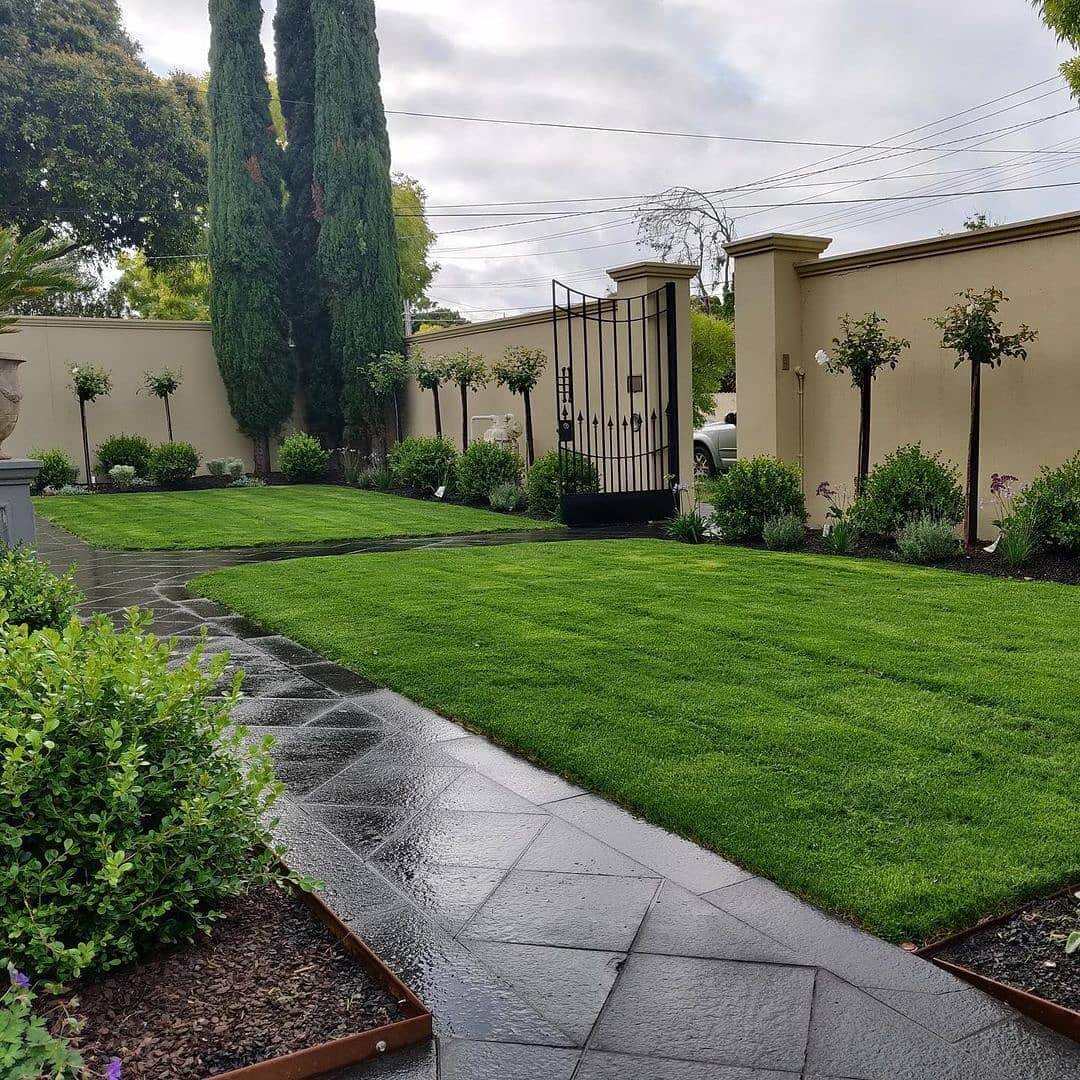
Some front yards still feel welcoming even in the middle of winter.
That usually has very little to do with flowers.
The biggest difference often comes from structure.
Layered greenery.
Consistent shapes.
Repeating textures.
Walkways that still look intentional when flower beds are not blooming.
Front yards usually stay beautiful longer when the design still works even without flowers blooming.
That was the shift that completely changed my own landscaping.
I stopped depending on seasonal color to carry the entire yard.
Instead, I started paying attention to what the space looked like during the quieter months when most flowers disappeared.
That is where landscaping either holds together or falls apart.
A front yard usually starts looking tired when every part of the landscaping depends on flowers doing all the work.
The nicest front yards usually feel calm year-round because the structure itself already works before seasonal color even enters the picture.
Build Around Evergreen Structure First
Evergreens changed everything for me.
Before adding them, the front yard looked empty for nearly half the year once flowers faded and smaller plants disappeared.
The whole house suddenly felt exposed during winter.
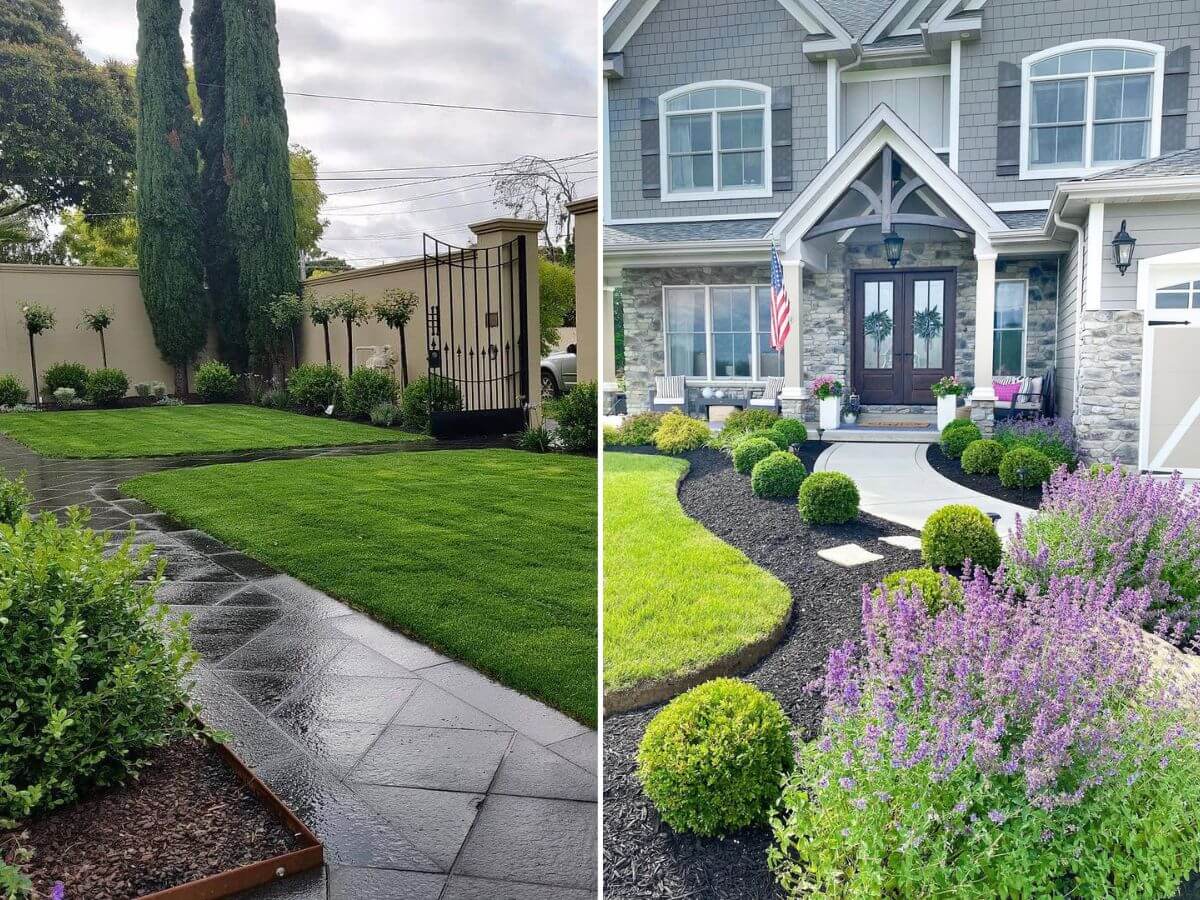
Once I started layering evergreen shrubs near the walkway and porch, the yard immediately felt fuller year-round.
Even in the middle of winter, the front yard still felt softer and more lived-in instead of bare and forgotten.
According to Better Homes & Gardens, “Plant a variety of evergreens to keep your yard looking classically beautiful through all the seasons.”
That advice made a huge difference once I actually applied it.
Smaller evergreen shrubs near walkways work especially well because they soften hard edges throughout the year without overwhelming the yard.
And honestly, winter curb appeal matters far more than most people realize.
People still come home every evening during winter.
The yard should still feel welcoming when they pull into the driveway.
Use Different Heights to Keep the Yard Feeling Layered
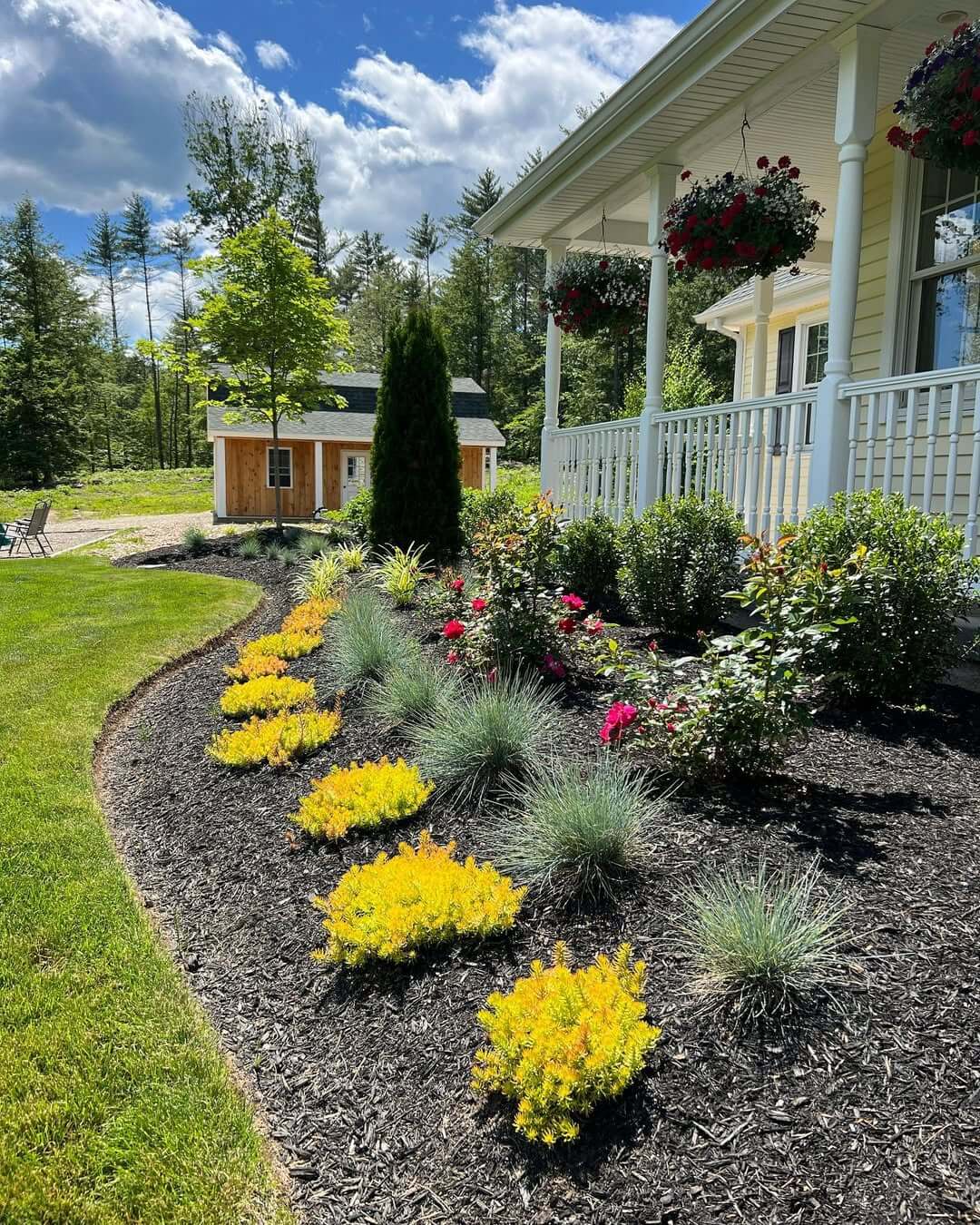
Flat landscaping usually starts looking empty once seasonal flowers disappear.
That is why layering matters so much.
Low greenery near pathways.
Medium shrubs around windows.
Taller trees or focal plants farther back near the house.
Those changing heights create depth even when fewer plants are actively blooming.
I noticed this after adding taller ornamental grasses behind shorter shrubs near our front walkway.
Suddenly the yard felt more dimensional instead of flat.
And during winter, the structure still looked intentional even after many flowers disappeared.
One simple trick that helped me was thinking about landscaping in three layers instead of individual plants.
Ground layer.
Middle layer.
Upper layer.
That single shift made the whole yard feel more balanced year-round.
And honestly, smaller front yards benefit from this the most because layered depth quietly makes compact spaces feel richer and more complete.
Add Hardscaping That Still Looks Good Without Plants
Beautiful landscaping should still feel intentional even on cloudy winter days.
That realization completely changed how I viewed walkways, stone borders, gravel, and mulch.
Before, I focused almost entirely on plants.
Once flowers faded, the yard felt unfinished.
Now I pay far more attention to the hardscape details underneath everything else.
Stone edging.
Gravel paths.
Defined mulch borders.
Large planters near the porch.
These details quietly hold the yard together even when seasonal plants are not at their peak.
I noticed this one winter after freshening the edging around our front flower beds.
Even after most of the flowers disappeared, the clean edging and stone borders still made the yard feel finished instead of abandoned for the season.
That consistency matters more than people expect.
Especially during colder months when greenery naturally becomes less colorful.
Choose Plants With Different Seasonal Moments
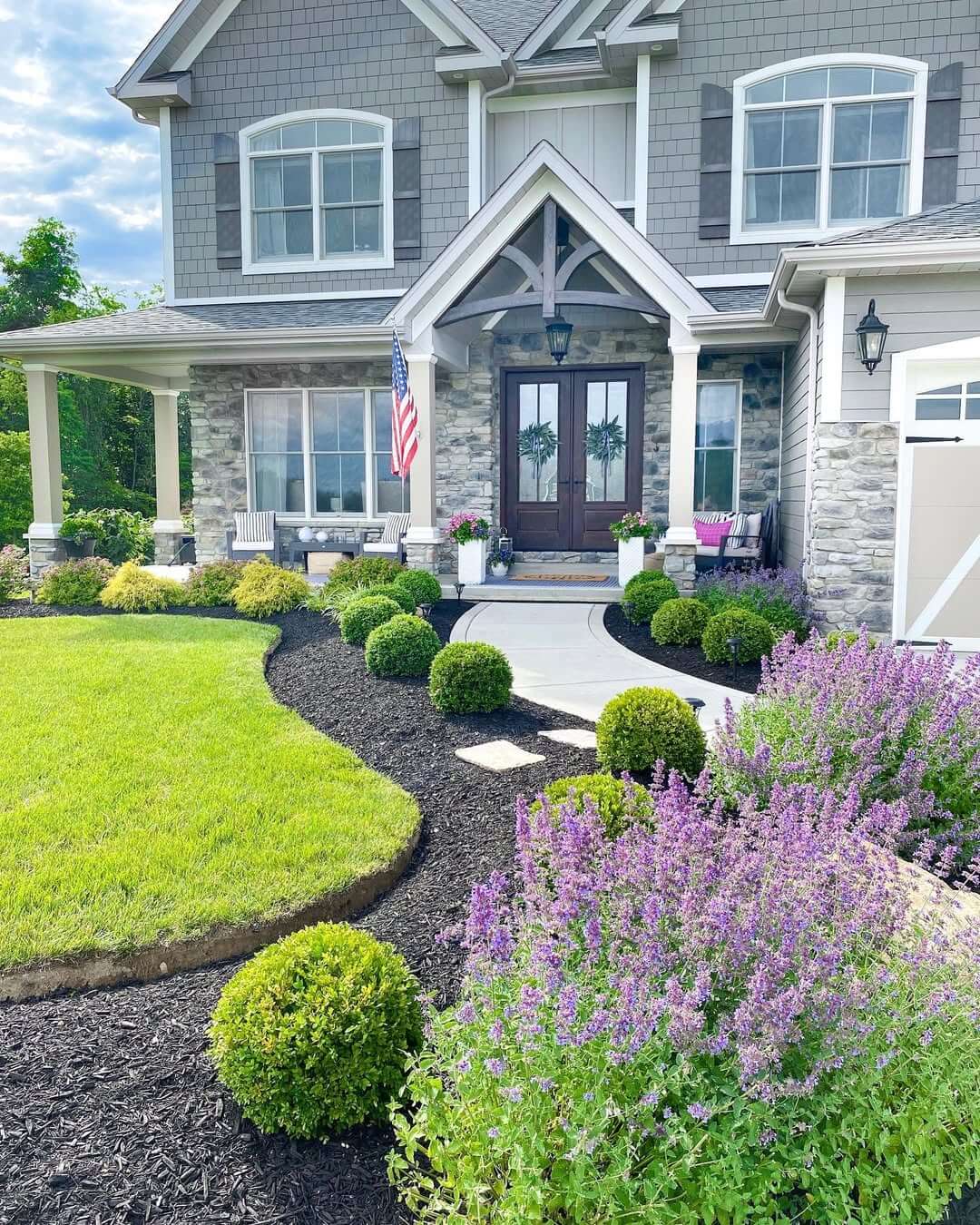
One mistake I used to make was choosing plants that all peaked at the same time.
Spring looked incredible for a few weeks.
Then the yard slowly faded all at once.
Now I try to spread visual interest throughout the year instead.
Something blooming in spring.
Interesting texture during summer.
Warm color during fall.
Evergreen structure during winter.
That balance keeps the front yard from feeling lifeless for long stretches.
I also started paying more attention to ornamental grasses, evergreen shrubs, and plants with berries or textured branches because they still add visual interest after flower season ends.
The yard feels more alive that way.
Even subtle seasonal shifts help the landscaping feel active instead of disappearing for months at a time.
And honestly, the front yard feels far less stressful when something beautiful is always happening, even quietly.
Use Outdoor Lighting to Extend the Landscaping Into Evening
Outdoor lighting quietly changed how the front yard felt at night.
Before adding it, the landscaping disappeared into darkness after sunset.
The walkway lost its warmth.
The porch felt flat.
And the entire front entrance suddenly felt colder during the evening.
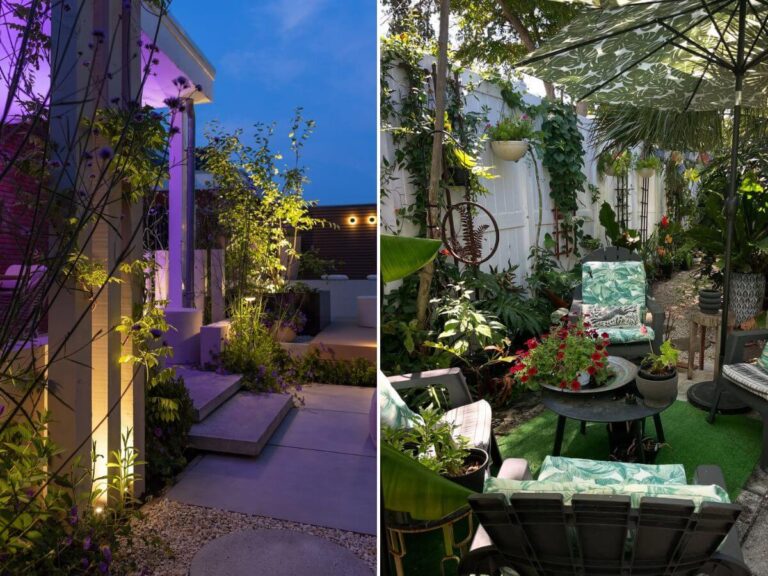
Then I added a few warm pathway lights and one soft uplight near a shrub beside the entrance.
The entire space suddenly felt layered after dark.
The yard felt deeper.
The walkway looked softer.
The landscaping still had presence even at night.
And honestly, most people actually see their front yard during early mornings and evenings far more often than the middle of the day.
That makes lighting one of the most overlooked parts of year-round curb appeal.
Even small front yards benefit massively from warm lighting because it creates depth without requiring more plants.
A softly lit walkway can completely change how welcoming the house feels during winter evenings.
Repeat the Same Plants Throughout the Yard
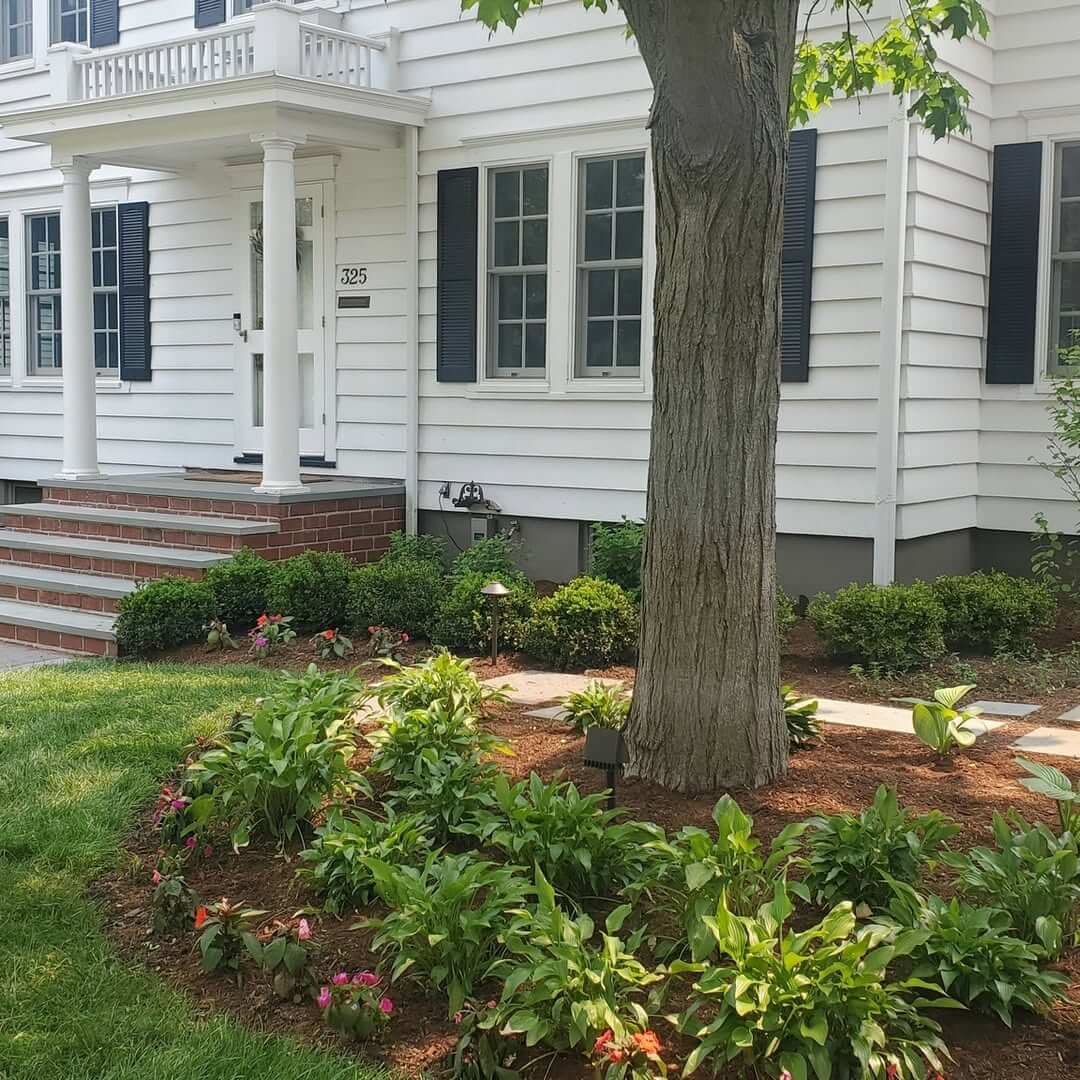
Repeating greenery creates stability.
That is one thing I started noticing in front yards that always looked polished no matter the season.
The same shrubs repeated along the walkway.
Matching greenery near the porch.
Similar textures carried throughout the yard.
Nothing felt random.
The eye moved naturally through the space.
That consistency matters even more once seasonal flowers fade because repeated greenery continues holding the design together visually.
I learned this after replacing several mismatched shrubs with repeating evergreens near our front entrance.
The whole yard immediately felt calmer.
And honestly, it started looking professionally planned instead of pieced together over time.
Repeating plants also helps smaller front yards feel less visually cluttered.
Everything starts feeling more connected.
Keep Seasonal Decor Minimal and Layered
Seasonal decor can easily overwhelm a front yard.
I learned this after trying to completely redecorate the porch every season.
Different signs.
Different planters.
Different colors constantly rotating in and out.
Eventually the entrance started feeling visually chaotic instead of welcoming.
Now I keep seasonal changes much smaller.
A wreath.
A few pillows.
Simple lanterns.
Maybe one seasonal planter near the door.
That softer approach keeps the front yard feeling stable year-round instead of dramatically changing every few months.
And honestly, the house feels calmer because the landscaping itself already carries most of the visual weight.
The decor simply adds small seasonal touches instead of trying to rescue the entire yard.
Make the Front Walkway Feel Consistent All Year
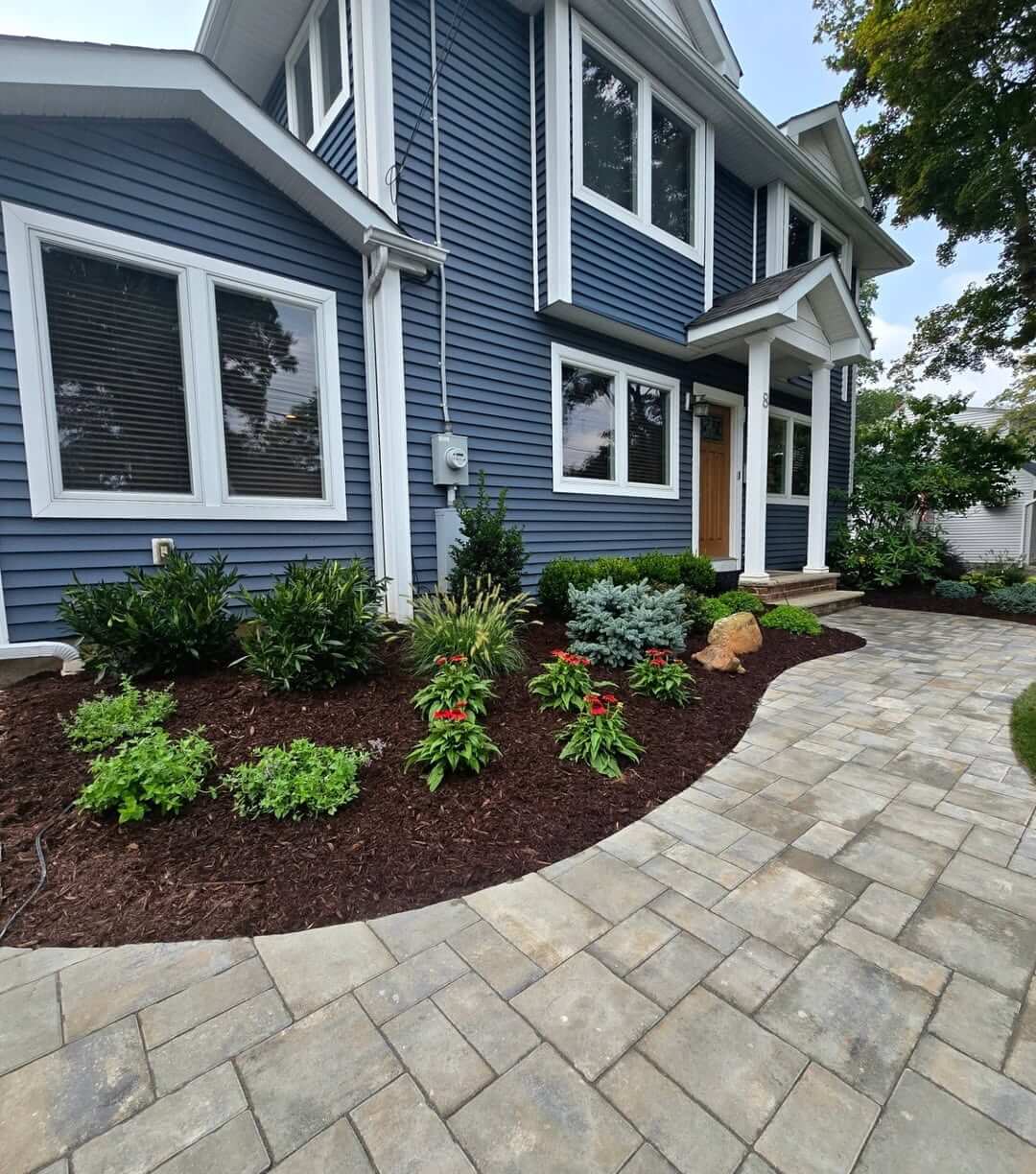
Walkways shape the entire first impression of a home.
That becomes even more obvious during winter or quieter seasons when fewer plants are blooming.
A clean walkway instantly makes the whole front yard feel more maintained.
Evergreen borders help.
Warm lighting helps.
Defined edging helps.
Stone paths also work beautifully because they continue adding texture even during colder months.
I noticed this after adding low evergreen shrubs along our front path.
The entrance stopped looking empty during winter because the walkway still had softness and shape around it.
That consistency matters more than people realize.
People often notice how the entrance feels long before they notice individual plants.
And when the walkway still feels warm and inviting during colder months, the whole house feels more welcoming too.
The Biggest Mistakes That Make Front Yards Look Tired Half the Year
A few landscaping mistakes show up constantly in front yards.
Relying only on flowers.
Huge empty mulch beds once plants disappear.
No evergreen structure.
Too many seasonal decorations fighting for attention.
Sparse landscaping that looks unfinished during colder months.
These things make the yard feel temporary instead of balanced.
According to BBC Gardeners’ World Magazine, “The key to providing year-round interest is to have a strong backbone of shrubs and trees.”
That backbone matters enormously once seasonal color fades.
And honestly, low-maintenance greenery often creates more lasting curb appeal than constantly replacing flowers every season.
According to Homes & Gardens, “These shrubs deliver year-round beauty with minimal effort, making them perfect for busy gardeners or anyone looking to refresh their outdoor space.”
That is exactly why evergreen structure matters so much in front yard landscaping.
Final Thoughts
The front yards that stay beautiful year-round usually are not the flashiest ones.
They are the ones designed to still feel calm and complete even when the seasons change.
Once I stopped relying completely on seasonal flowers, the whole yard became easier to manage.
Cleaner.
More balanced.
Far less stressful to maintain.
Evergreen structure.
Layered heights.
Consistent walkways.
Warm lighting.
Repeating greenery.
Those details quietly keep a front yard feeling alive long after flower season fades.
And honestly, that calmer kind of beauty usually lasts much longer than constantly chasing the next season.
Also read: