Best Small Trees for Front Yard Landscaping Without Messy Roots
I used to pick front yard trees based on how they looked at the garden center.
If the leaves were pretty or the shape felt charming, I assumed it would work.
That turned out to be a terrible strategy.
One tree eventually pushed roots too close to the walkway.
Another dropped messy berries across the front path every few weeks that stained the concrete and attracted birds constantly.
And one small tree that looked harmless at first slowly spread wide enough to crowd the porch and darken half the front windows.
The frustrating part was that the yard actually became harder to maintain instead of more beautiful.
Nothing felt calm anymore.
There was always something to trim, sweep, or clean up.
That completely changed the way I think about front yard trees.
Now I pay far more attention to how a tree behaves long term instead of just how it looks during the first season.
The best front yard trees usually do something quietly.
They soften the house.
They add shape.
They create shade and texture.
But they do not constantly create extra work.
The best front yard trees usually blend into daily life instead of constantly demanding attention.
And honestly, that balance matters even more in smaller front yards where every plant has a bigger visual impact.
Once I started choosing trees more carefully, the whole front yard started feeling calmer, cleaner, and much easier to manage.
If you want a front yard tree that adds beauty without creating future headaches, these are the ones that made the biggest difference for me.
What Makes a Front Yard Tree Low-Mess?
A tree can look beautiful and still become exhausting to live with.
That is usually the part people do not think about when choosing one.
Some trees grow too aggressively near walkways.
Some constantly drop berries, pods, or sticky debris across the yard.
Others simply outgrow the space and start swallowing smaller homes over time.
The best front yard trees usually stay manageable.
Cleaner branching.
Moderate growth.
Roots that behave better near walkways and foundations.
A shape that adds softness without overwhelming the house.
Oversized trees can quickly make compact front yards feel darker and more crowded.
I started paying attention to this after noticing how much calmer certain homes looked from the street. The trees framed the house naturally instead of dominating everything around them.
Softer tree shapes quietly improve curb appeal because the house still remains the focus.
Japanese Maple
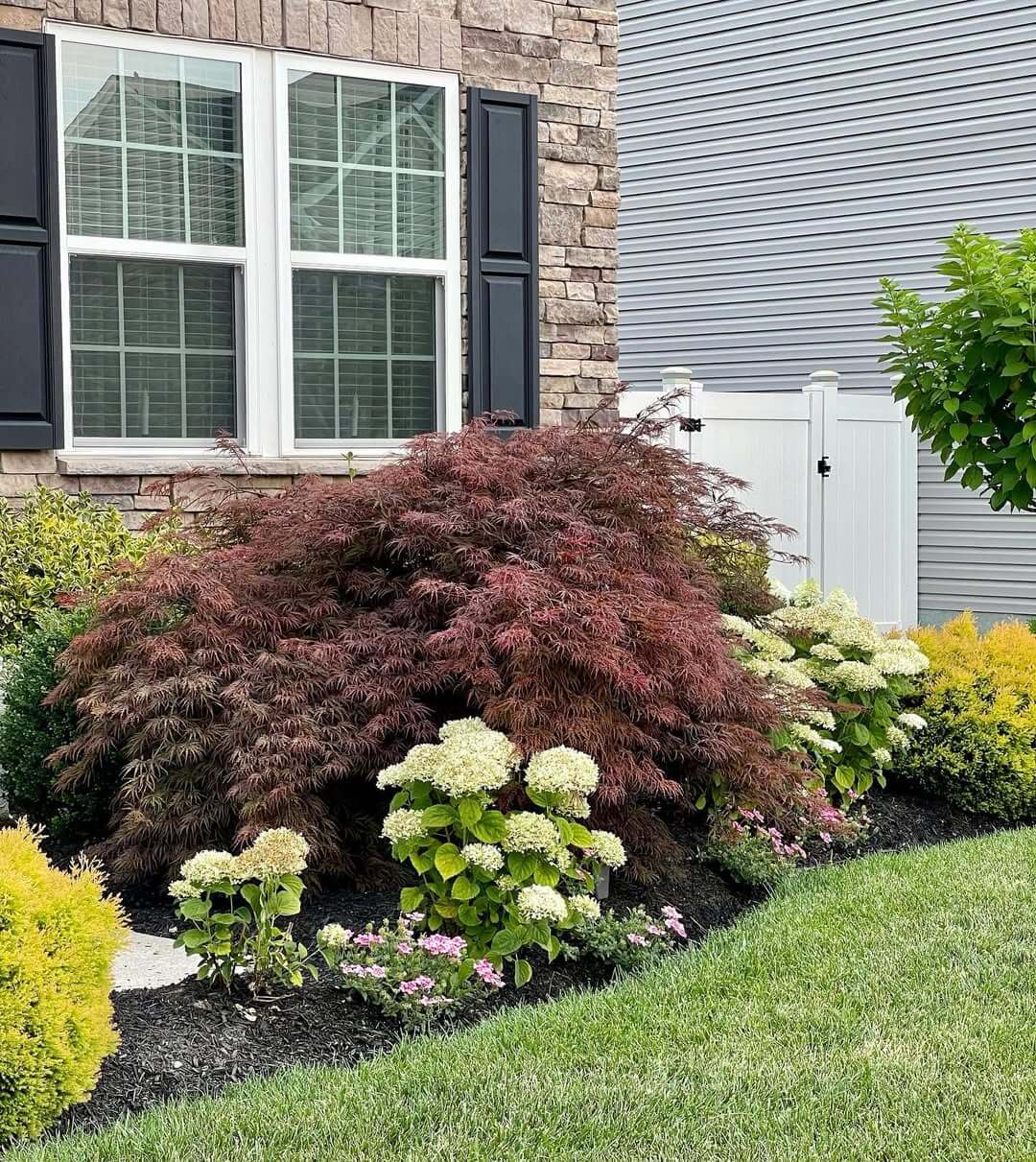
Japanese maples are one of the few trees that instantly make a front yard feel more peaceful.
The branching feels soft.
The shape feels sculptural without looking heavy.
And most varieties stay compact enough for smaller front yards without becoming overwhelming later.
I especially love dwarf Japanese maples near walkways or porch corners because they add texture without blocking the entrance visually.
That matters more than people expect.
Smaller homes usually look better with airy trees instead of dense bulky canopies that crowd the yard.
Japanese maples also work beautifully when paired with stone paths, darker mulch, or softer layered greenery nearby.
The whole front yard starts feeling calmer almost immediately.
And because the root systems are generally less aggressive than larger shade trees, they tend to behave much better near pathways and smaller planting areas.
Crepe Myrtle
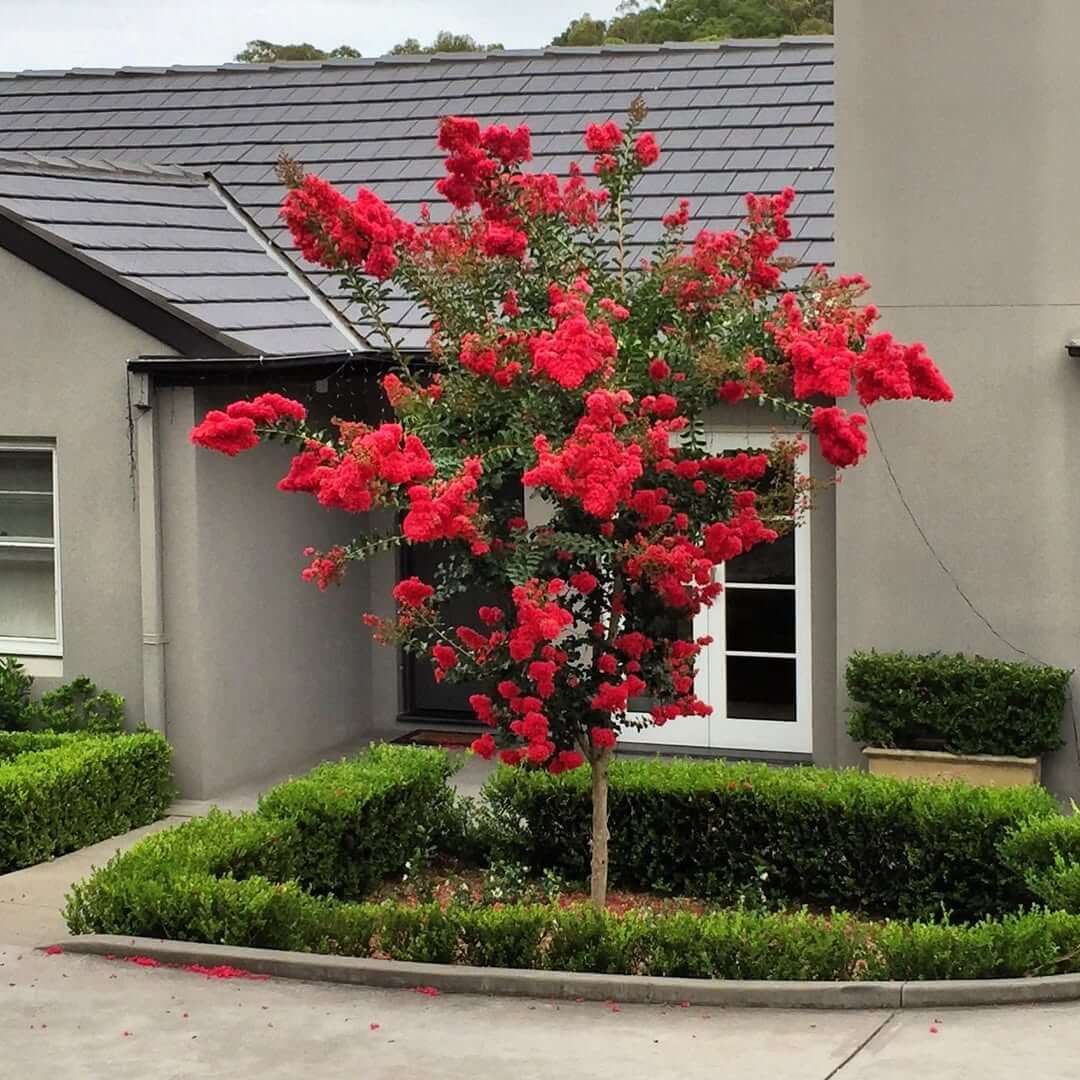
Crepe myrtles add color without making the yard feel visually heavy.
That is one reason they work so well in front yards.
The branching structure stays lighter and more open than many flowering trees, especially when smaller varieties are chosen near entrances or walkways.
I used to think every flowering tree would eventually turn messy.
Crepe myrtles changed my mind a little.
They still need occasional cleanup, but they do not usually create the nonstop debris problem that larger flowering trees sometimes do.
And the blooms can completely soften the front of a home during summer.
One mistake people make is planting oversized varieties too close to the house.
Smaller cultivars almost always work better in compact front yards because they keep the space feeling open instead of crowded.
The multi-trunk versions especially create a more relaxed upscale look near porches and pathways.
Serviceberry Tree
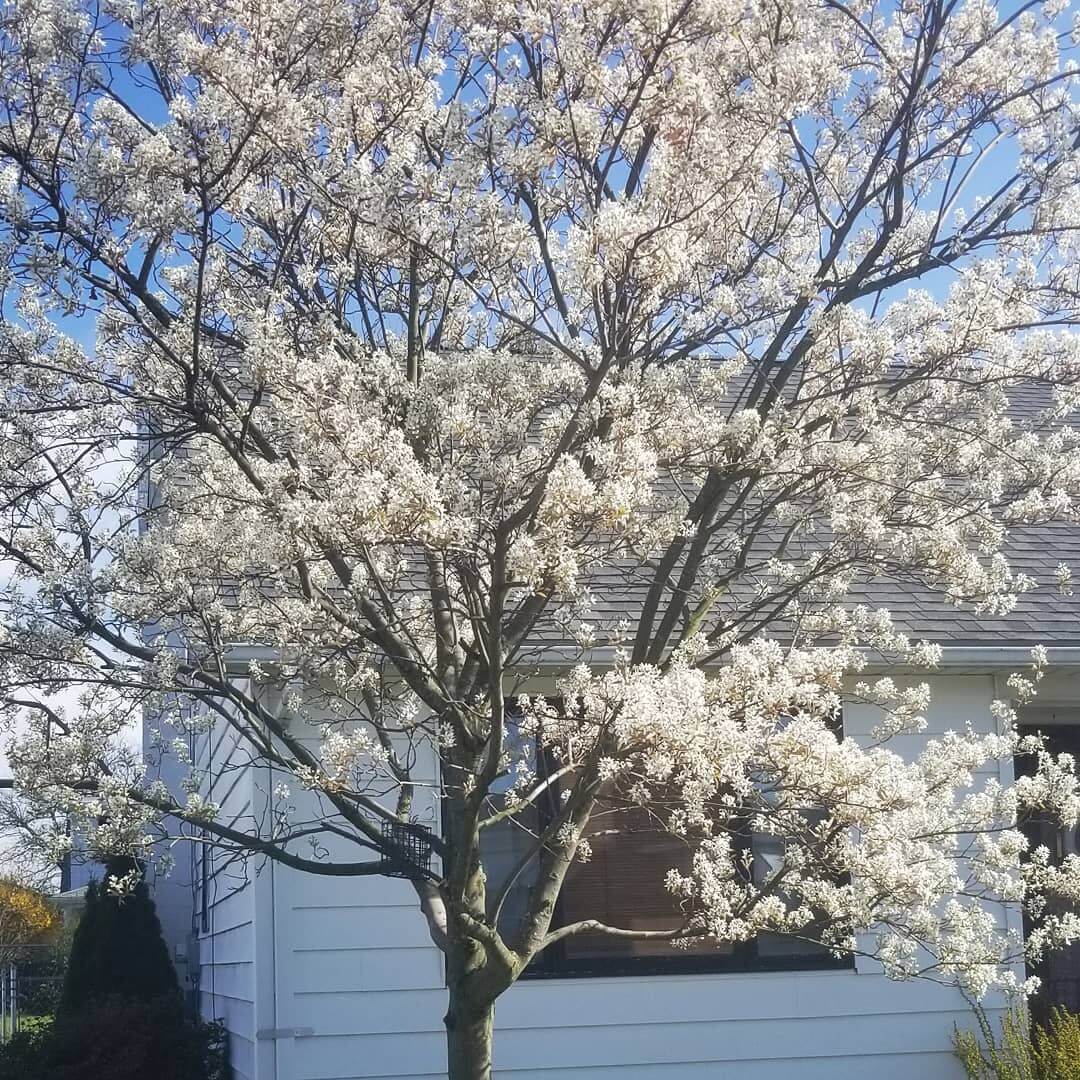
Serviceberry trees feel incredibly underrated for front yard spaces.
They have a softer shape that works beautifully with smaller homes.
The canopy stays airy.
The branches filter light gently instead of creating heavy shade.
And the overall structure feels much lighter than larger ornamental trees.
Lighter canopies help compact homes feel more open because they do not visually weigh down the yard.
Serviceberries do the opposite.
They add height without overwhelming the property.
I also love how they change through the seasons naturally without feeling dramatic or difficult to manage.
Spring flowers.
Gentle fall color.
A softer branching structure during winter.
Everything feels balanced.
And honestly, that quieter beauty usually ages much better than trendy fast-growing trees that quickly become too large for the yard.
Dwarf Magnolia
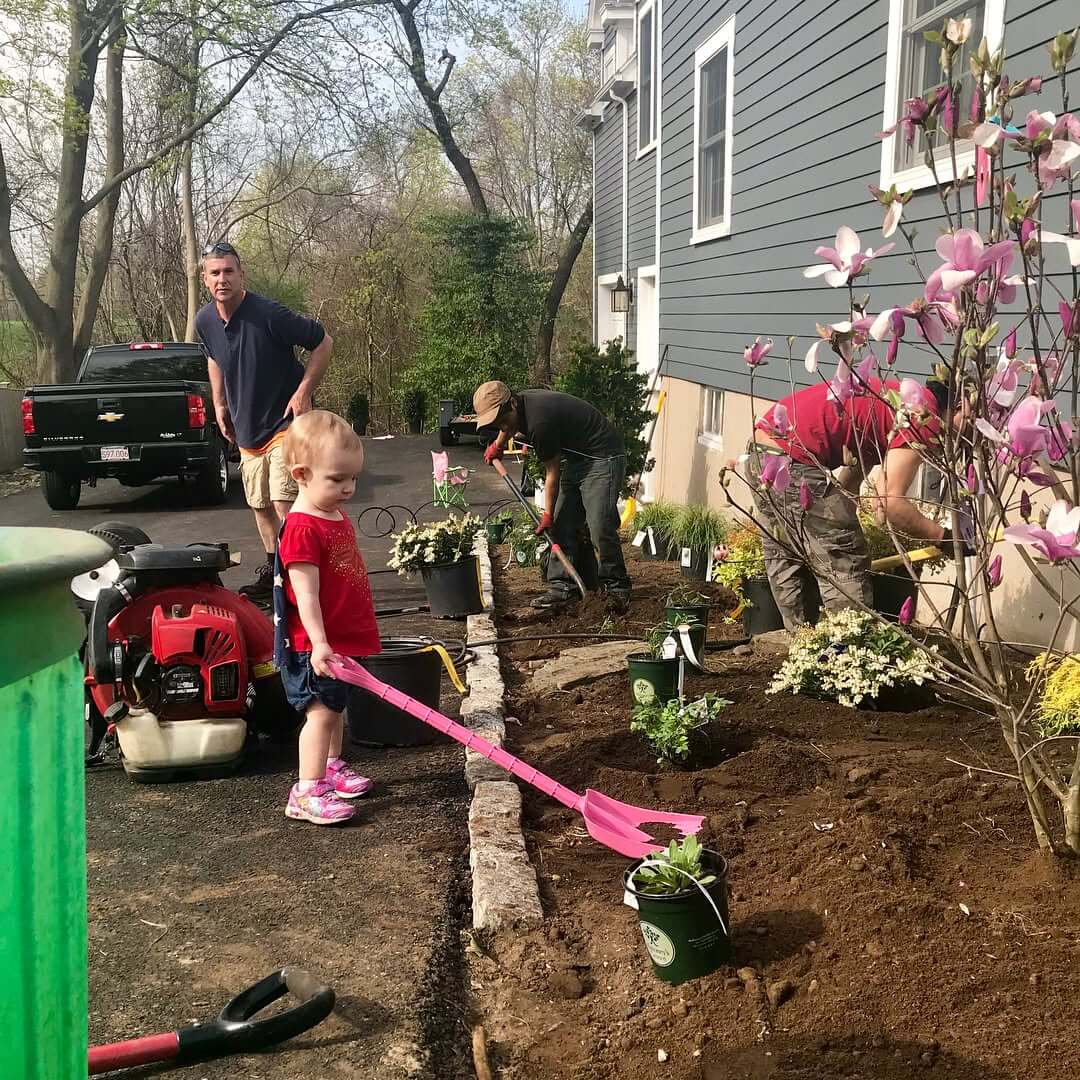
Dwarf magnolias bring a classic Southern feel without the giant root problems people often associate with larger magnolia trees.
The glossy leaves alone make the front yard feel richer.
And compact varieties work especially well near porches because they frame the entrance beautifully without taking over the entire yard.
I noticed this after seeing a smaller magnolia beside a front porch in our neighborhood that somehow made the whole house feel calmer and more expensive at the same time.
The greenery stayed clean year-round.
The shape stayed controlled.
Nothing looked overgrown.
That consistency matters a lot in front yard spaces.
Especially when you want the yard to look polished without constantly trimming or reshaping everything.
Dwarf magnolias also pair beautifully with lighter stone walkways and softer layered shrubs nearby.
The whole entrance starts feeling more intentional.
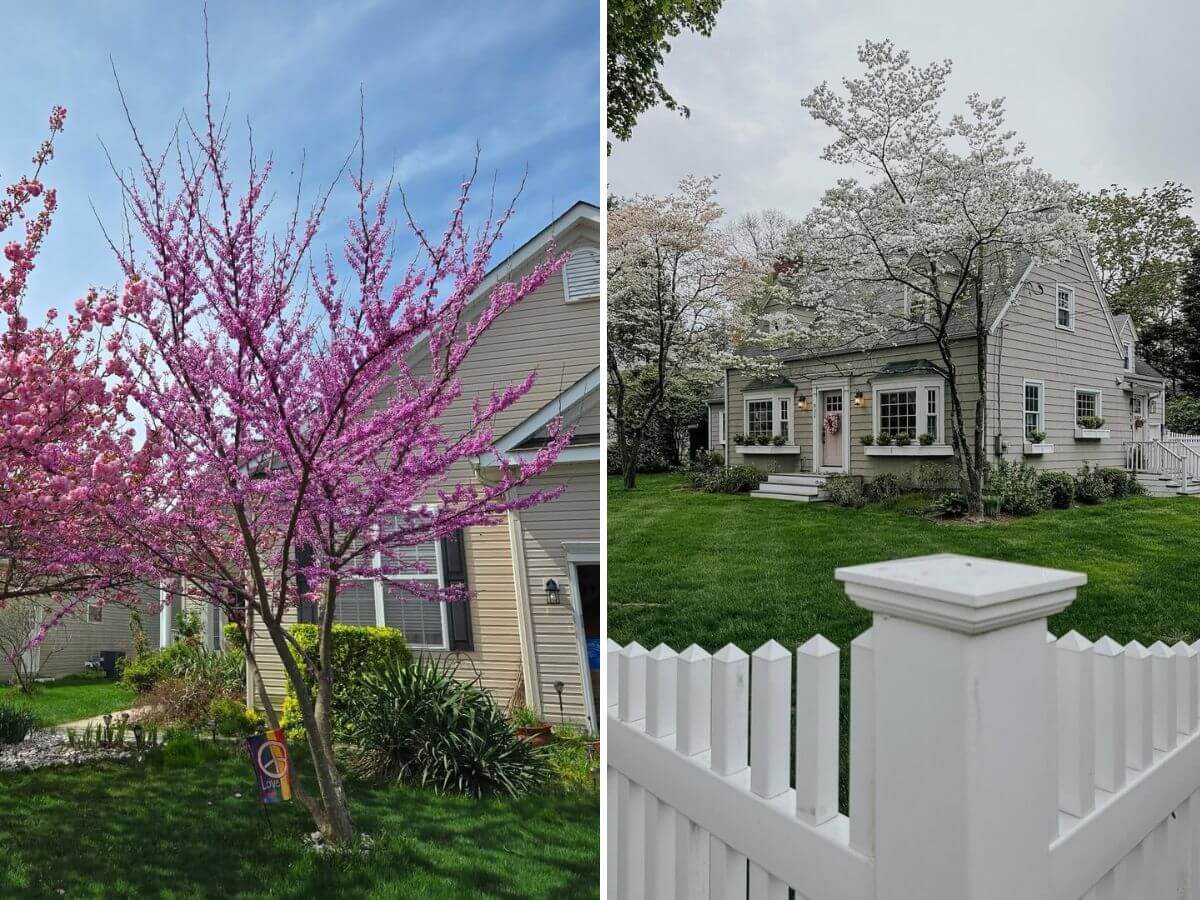
Eastern Redbud
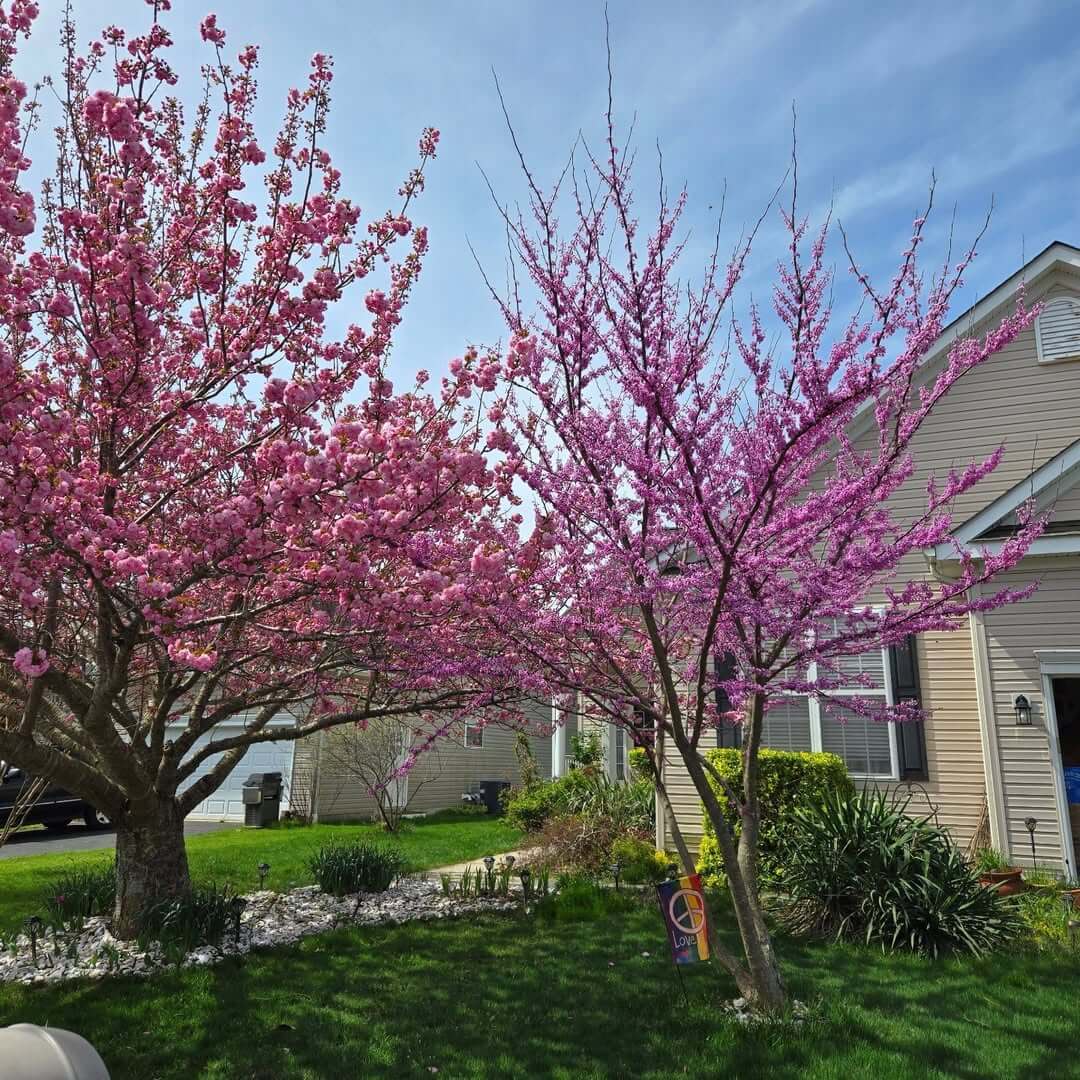
Eastern redbuds bring color into the front yard without making the space feel crowded.
The softer branching structure makes a huge difference visually.
The canopy feels open.
The shape feels relaxed.
And the tree usually stays manageable enough for smaller front yards without dominating the entire property.
I love how redbuds create filtered shade instead of dense heavy shade that darkens everything underneath.
That lighter feel helps smaller homes look cozier instead of boxed in.
The spring blooms also create a massive visual impact without requiring a huge tree.
And honestly, that balance is what makes redbuds work so well near smaller homes.
They add personality without overwhelming the yard.
Olive Tree
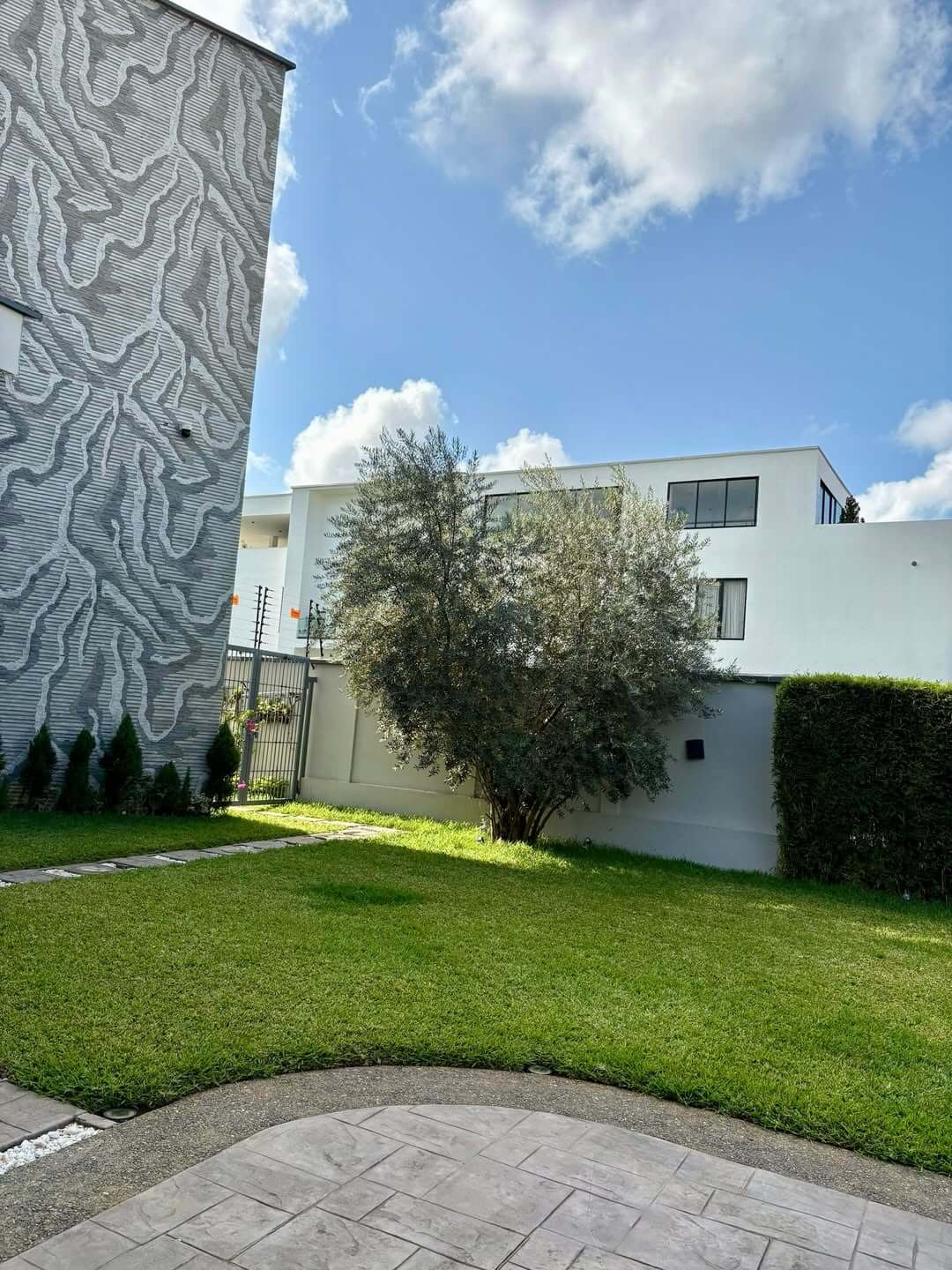
Olive trees work beautifully in warmer climates because the structure feels clean and sculptural without becoming visually heavy.
The softer gray-green leaves reflect light beautifully during the day.
And the branching naturally creates a calmer minimalist look.
I started noticing more fruitless olive trees in front yard spaces recently because they add shape without creating the mess that traditional fruit trees often bring.
That cleaner look works especially well in smaller front yards where clutter becomes noticeable very quickly.
The yard starts feeling calmer because nothing visually weighs the space down.
Olive trees also pair naturally with gravel, stone walkways, and drought-tolerant greenery.
And because the canopy stays lighter and more open, the house itself still remains the focus.
Dogwood Tree
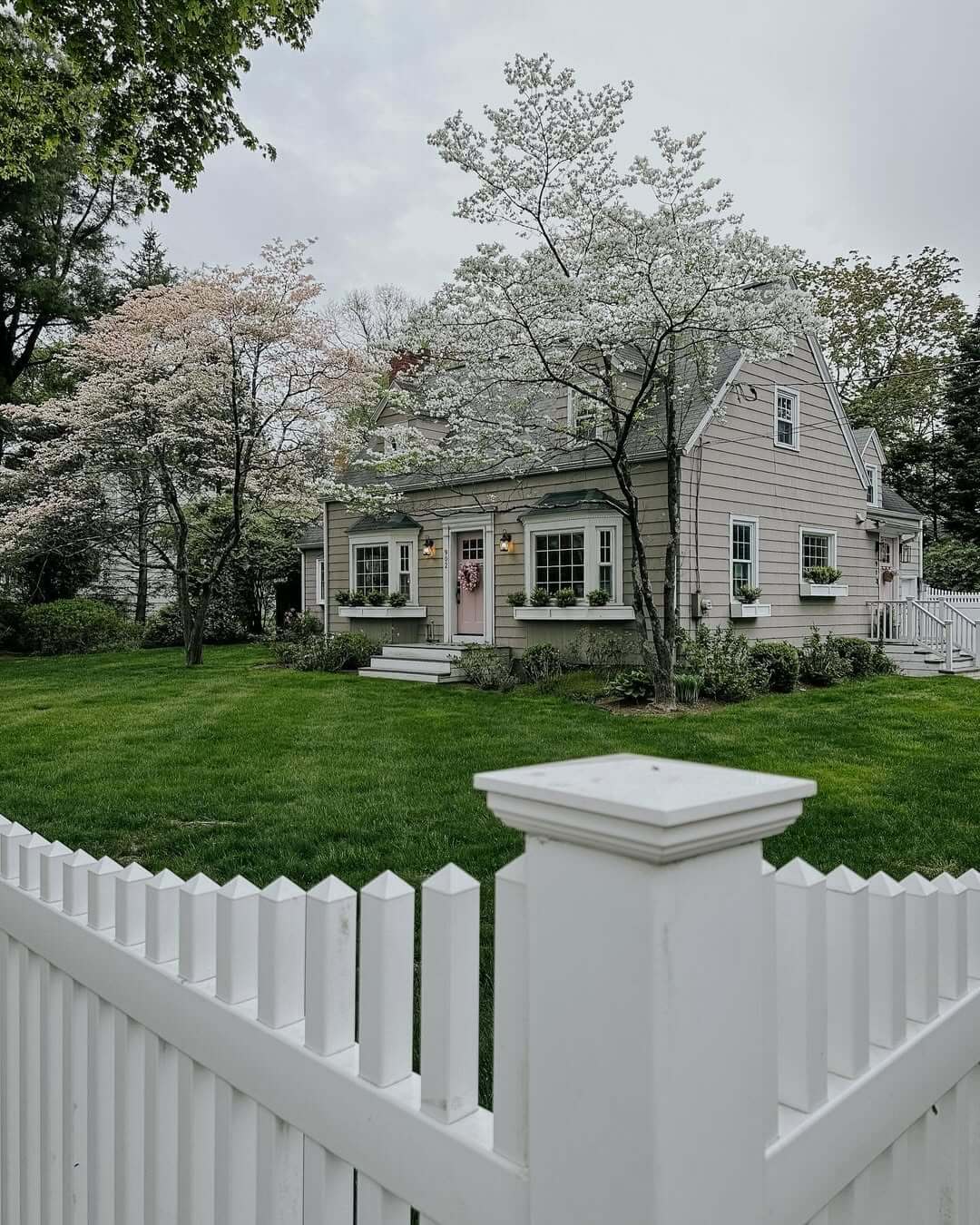
Dogwoods bring a softer more welcoming feel to traditional front yards.
The layered branches feel elegant without looking stiff.
And the spring blooms brighten the yard without requiring a massive tree canopy.
That balance matters a lot in compact spaces.
Some trees accidentally overpower smaller homes.
Dogwoods usually soften them instead.
I especially like dogwoods near curved walkways or cottage-style greenery because the branching naturally feels more relaxed and inviting.
And the moderate mature size helps the yard stay balanced long term.
Nothing feels oversized.
Nothing feels crowded.
The whole property simply feels calmer.
How to Prevent Tree Roots From Becoming a Problem Later
One of the biggest mistakes people make is planting trees based only on how they look today instead of how they will behave years later.
Roots need room.
Canopies expand.
Branches spread farther than most people expect.
That is why spacing matters so much.
According to Better Homes & Gardens, “Even small landscaping trees shouldn’t be planted too close to your house. Trees that will reach 30 feet tall or less should be sited at least 10 feet away from your home’s foundation or power lines; those that grow larger than that should be planted at least 15 feet away.”
That advice alone can prevent a lot of future frustration.
Walkways matter too.
According to Iowa State University Extension and Outreach, “Provide a minimum distance of 4-6 feet for smaller trees and 10+ feet for larger trees.”
That spacing helps reduce future issues near sidewalks and front paths.
Smaller front yards benefit the most from thoughtful tree placement because there is far less room for mistakes later.
The Biggest Mistakes People Make With Front Yard Trees
A few tree mistakes show up constantly in front yards.
Planting too close to the house.
Choosing fast-growing trees without checking mature size.
Ignoring root spread.
Picking messy fruit trees beside walkways.
Overcrowding the yard with multiple trees in a compact space.
These things slowly make the front yard feel harder to manage.
And visually, the entire property can start feeling heavier and more crowded over time.
According to Homes & Gardens, “When choosing the best trees for front yards, it is important to first work out what you want from the tree.”
That mindset changes everything.
Sometimes the best tree is not the flashiest one.
It is simply the tree that quietly fits the space well for years without constantly demanding attention.
Final Thoughts
The best front yard trees usually do not scream for attention.
They soften the house quietly.
They frame the walkway.
They add texture and shade without turning the yard into constant maintenance work.
And honestly, that balance becomes even more important in smaller front yards where oversized trees can quickly overwhelm the entire property.
Once I started choosing trees based on long-term behavior instead of just appearance, the whole front yard became easier to manage.
Cleaner.
Calmer.
Far more balanced.
The best front yard trees are usually the ones that quietly make the house feel better year after year without constantly demanding attention.
Also read:
Front Flower Bed Ideas That Make Any House Look More Welcoming
Low Maintenance Front Yard Landscaping Ideas That Still Look Expensive