Small Front Yard Landscaping Ideas That Make Your Home Look Bigger
I used to think the only way to make a small front yard feel bigger was by removing everything from it.
Fewer plants.
Less decor.
Less color.
So I tried stripping the yard down completely.
And honestly, it just made the front of the house feel empty instead of spacious.
The walkway still felt tight.
The flower beds still looked crowded.
And the porch somehow felt even smaller once everything lost its warmth and personality.
That was when I realized small front yards do not actually need less personality.
They just need better visual balance.
Once I started paying attention to the homes that always looked open and welcoming from the street, I noticed they all had something in common.
Nothing felt crowded.
The walkways felt open.
The plants looked intentional instead of scattered.
The eye moved naturally through the space without getting stuck in visual clutter.
Small front yards usually feel smaller when too many things compete for attention at once.
That completely changed the way I approached landscaping.
Instead of trying to fit more into the yard, I started focusing on spacing, flow, lighting, and cleaner shapes that helped the entire property breathe a little more.
And surprisingly, the house itself started looking bigger too.
The front entrance felt calmer.
The walkway looked wider.
Even the porch started feeling more welcoming instead of cramped.
If your front yard feels tight, cluttered, or visually boxed in, these are the landscaping changes that finally made my whole home feel more open.
Why Some Small Front Yards Feel Bigger Than Others
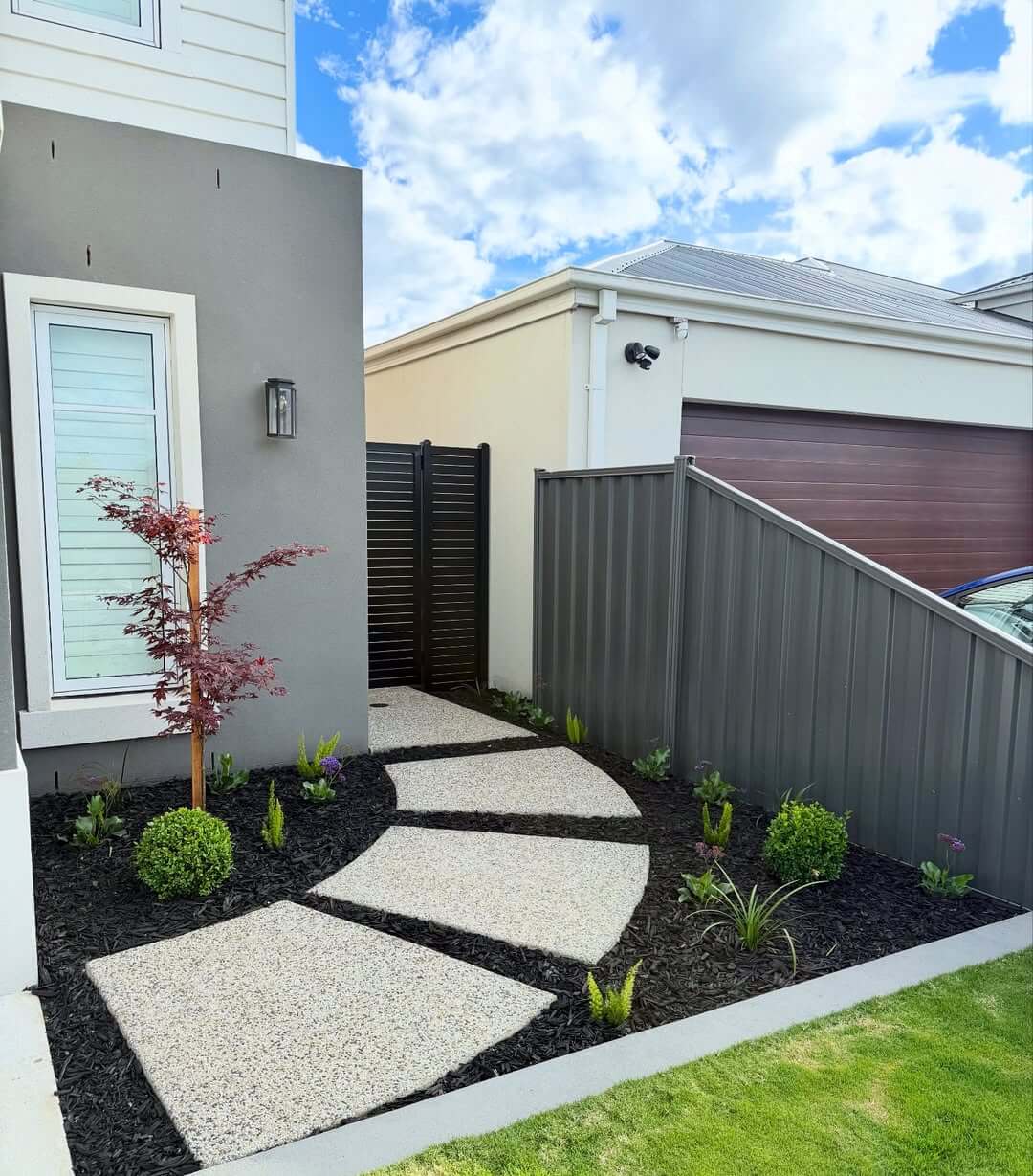
A small front yard usually starts feeling cramped when too many things compete for attention at once.
Too many flower colors.
Too many tiny decorations.
Too many disconnected planting areas breaking up the space visually.
The eye never gets a chance to rest.
That creates tension without most people realizing it.
Some of the smallest front yards I have seen actually looked the most open because the landscaping felt calmer and more organized. The plants repeated intentionally. The pathways felt clean. The colors worked together instead of competing.
The entire space flowed naturally.
Visual flow matters more than square footage in smaller yards.
Once I understood that, I stopped trying to “fill” every empty corner and started paying closer attention to how the yard actually felt from the sidewalk.
That one shift changed everything.
Keep the Landscaping Lower Near Walkways
Tall bulky plants near walkways can make a small front yard feel tighter almost immediately.
I learned this after planting thick shrubs beside our front path that slowly started swallowing the entrance over time.
The walkway looked narrower every season.
And the whole front yard started feeling boxed in.
Once I replaced those shrubs with lower greenery and softer ornamental grasses, the entrance suddenly felt wider and far more welcoming.
That openness changes the entire first impression of the house.
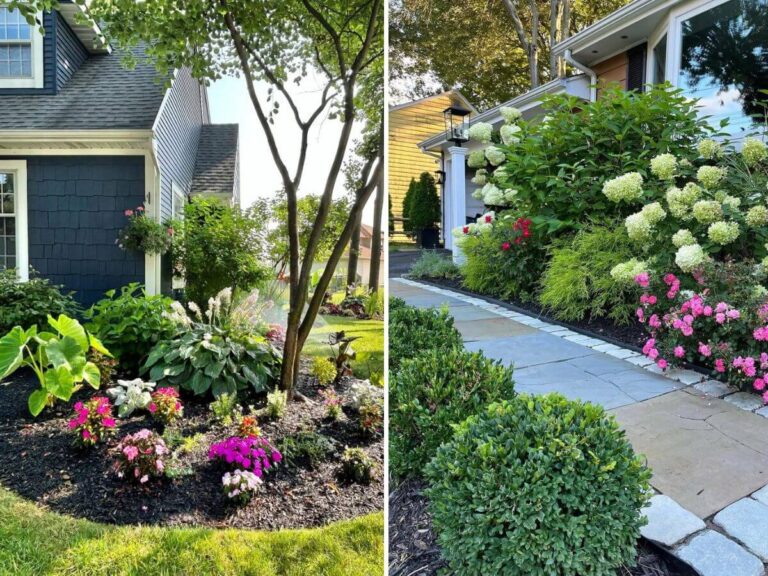
Try keeping shorter greenery closer to walkways and layering taller plants farther back near the porch or house itself.
Even small adjustments in height can completely change how spacious the yard feels.
Open walkways quietly make the entire property feel larger.
Use Repeating Plants Instead of Too Many Varieties
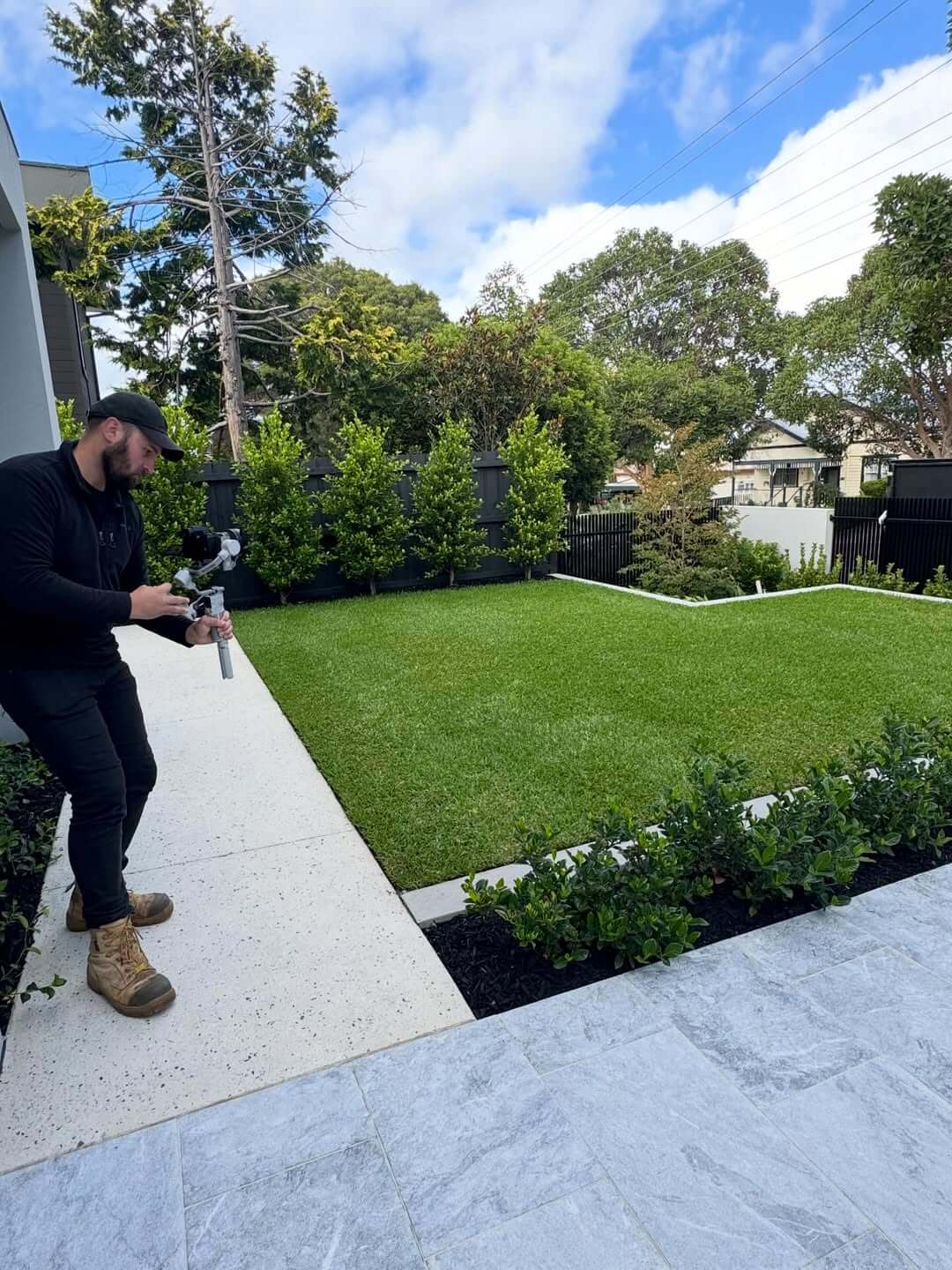
One mistake shows up constantly in small front yards.
Too many plant styles competing in a tiny space.
I used to do this myself because I thought variety would make the landscaping feel interesting. Instead, the yard started feeling visually crowded.
Nothing connected.
The eye bounced everywhere.
Once I started repeating the same greenery throughout the yard, everything immediately felt calmer.
A few repeated shrubs near the walkway.
The same ornamental grass near the porch.
Matching greenery beside flower beds.
Suddenly the space felt organized instead of cluttered.
According to Better Homes & Gardens, “repeating plants, groupings, colors, and shapes throughout your front yard landscaping creates a rhythm that draws your eye through a space.”
That rhythm matters even more in smaller yards because visual flow quietly creates openness.
Too many disconnected plants break the yard apart visually.
Repetition helps everything feel larger and calmer.
Create Wider-Looking Paths With Curves and Borders
The walkway quietly controls how spacious the yard feels.
Narrow harsh paths often make small front yards feel even tighter.
I noticed this after reshaping the border around our front walkway one weekend. The original path had sharp edges and flower beds pressing too closely against both sides.
The whole entrance felt squeezed.
Once I softened the curve slightly and gave the path more breathing room, the front yard immediately started feeling more open.
That surprised me more than adding new plants ever did.
Curved edges usually feel softer and more relaxed than rigid straight lines in compact spaces.
Even widening a path slightly near the entrance can create the feeling of openness without changing the size of the yard itself.
People often notice the feeling of a walkway before they notice the landscaping around it.
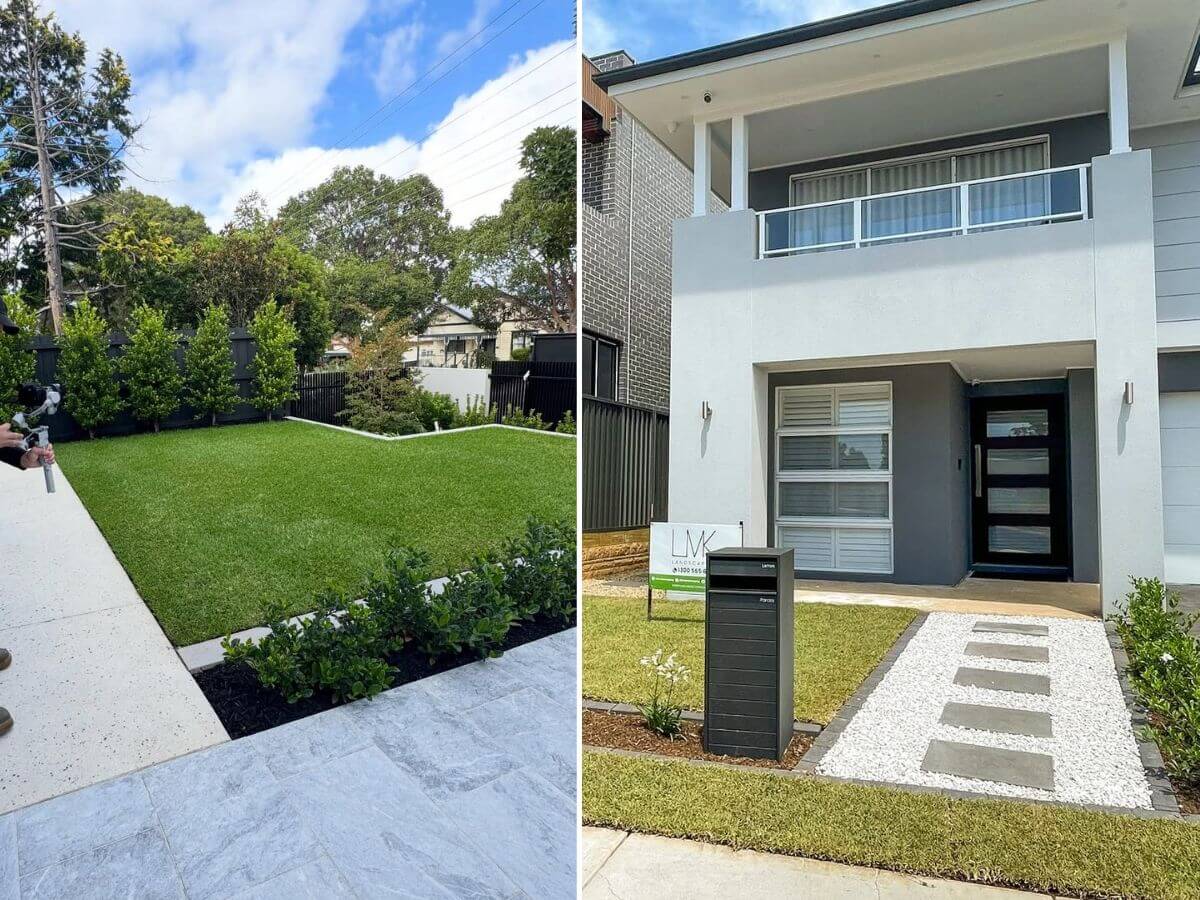
Use Light-Colored Gravel, Stone, or Mulch
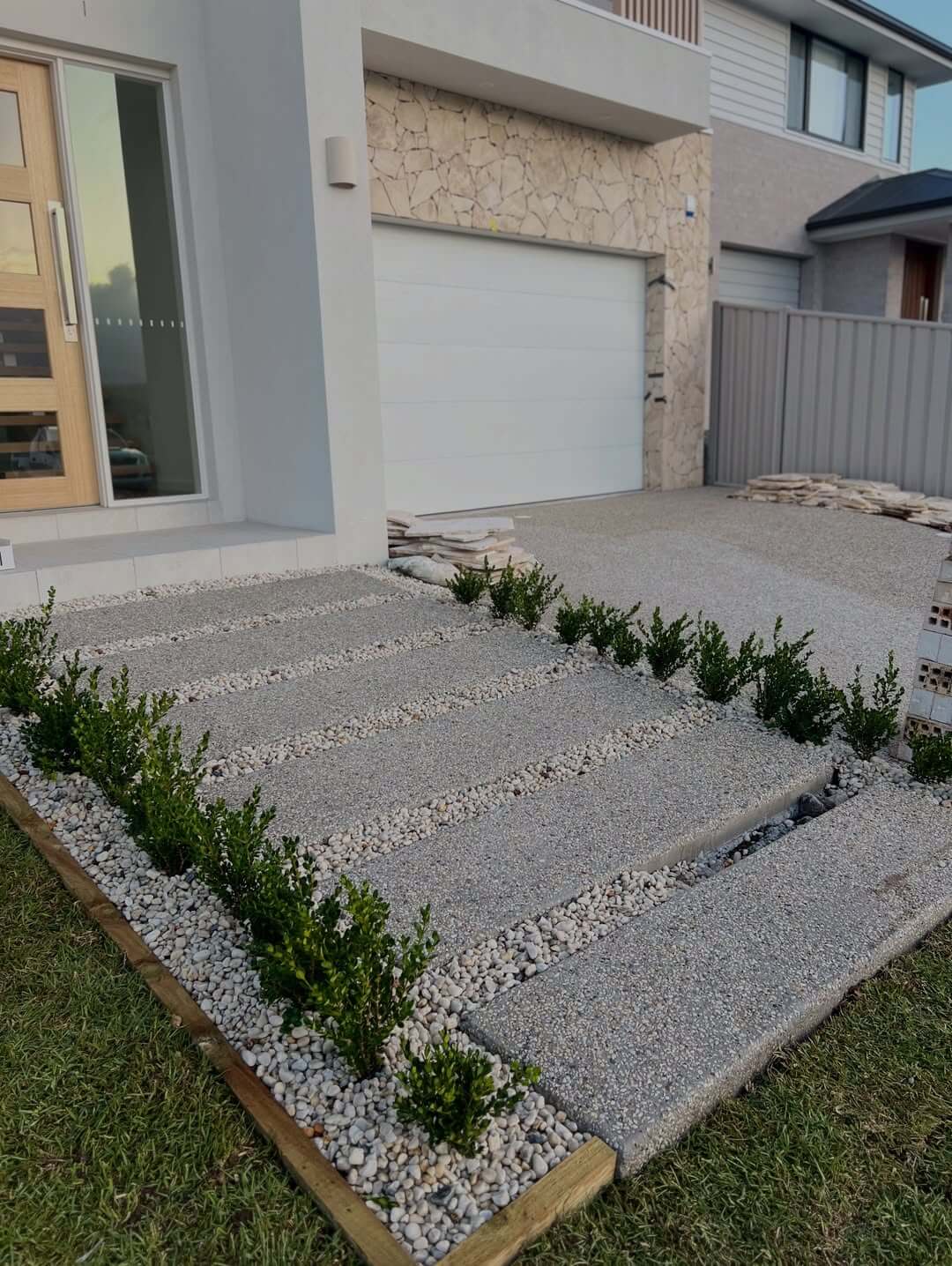
Dark cramped spaces almost always feel smaller.
That applies to front yards too.
Lighter gravel, pale stone, and softer natural mulch tones can help reflect more light throughout the yard, especially near walkways and entrances.
I noticed this after replacing a dark heavy gravel section near our porch with lighter stone that reflected sunlight during the afternoon.
The entire area suddenly felt brighter and more open.
And honestly, the house looked bigger simply because the entrance no longer felt visually heavy.
Small front yards benefit from brightness more than people realize.
Light-colored materials help create separation between greenery, walkways, and flower beds so everything feels less compressed together.
That visual breathing room matters.
Choose One Focal Point Instead of Several Small Decorations
Small front yards usually feel larger when the eye lands in one place naturally.
Too many little decorations interrupt that flow.
I learned this after filling our porch area with tiny planters, lanterns, and seasonal pieces that made the entire entrance feel crowded.
Nothing stood out because everything competed for attention.
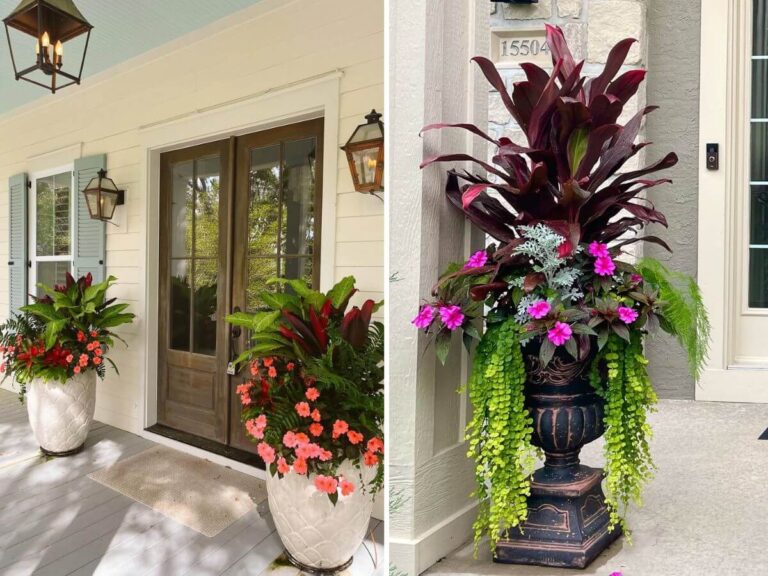
Once I simplified the space and kept only one larger planter beside the front door, the whole yard suddenly felt calmer.
And strangely enough, the entrance started looking bigger too.
According to BBC Gardeners’ World Magazine, “There are ways to make your small front garden look bigger, such as avoiding clutter, using one larger plant as a focal point rather than creating a busy look with lots of small pots, adding height with climbers, and using cool colours.”
That advice completely matches what I noticed in real life.
One strong focal point usually creates more impact than several tiny pieces scattered everywhere.
Let the Porch Area Breathe
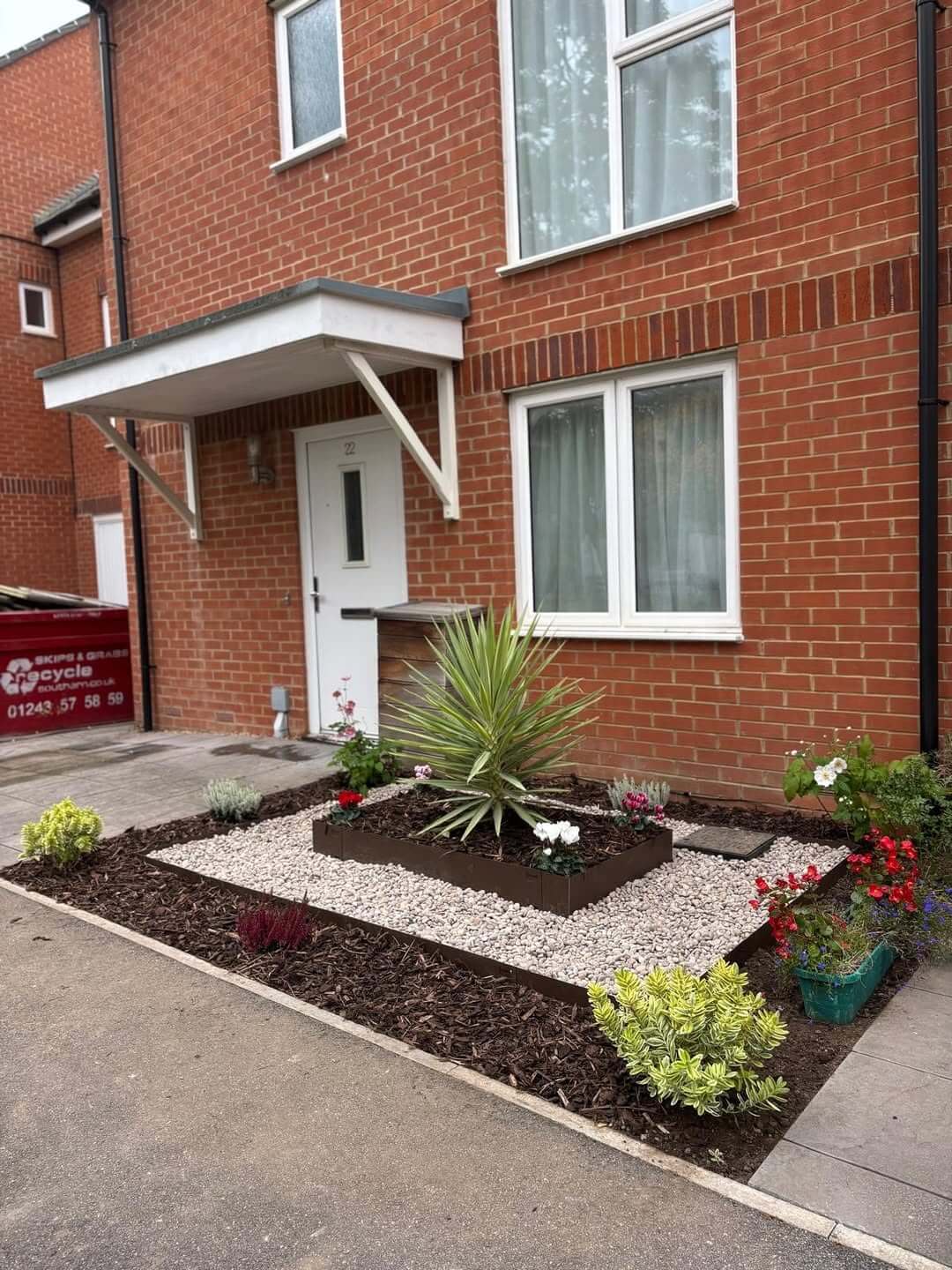
Front porches become visually crowded faster than people expect.
A few extra signs.
Too many planters.
Stacked seasonal decor in every corner.
Suddenly the entire front entrance starts feeling smaller.
I realized this after clearing almost everything off our porch except two matching planters and a simple lantern beside the door.
The whole front of the house instantly felt calmer.
And honestly, it looked much larger too.
Giving the porch area breathing room helps the eye move naturally across the entrance instead of stopping at clutter.
That open feeling quietly changes how spacious the whole property feels from the street.
Even smaller homes feel more open once the entrance has breathing room.
Use Vertical Space Instead of Filling the Ground
One of the smartest things you can do in a small front yard is pull the eye upward instead of filling every inch of ground space.
Slim trees.
Climbing greenery.
Wall planters.
Vertical lighting beside the entryway.
These details create height without making the yard feel crowded.
I started noticing this after adding a narrow climbing plant beside our porch instead of another flower bed below it.
The eye naturally moved upward toward the house instead of focusing only on the limited ground space.
That simple change made the whole front entrance feel taller and more open.
Height creates breathing room when it is used carefully.
Especially in compact yards where floor space already feels limited.
Make the Lawn Feel More Continuous
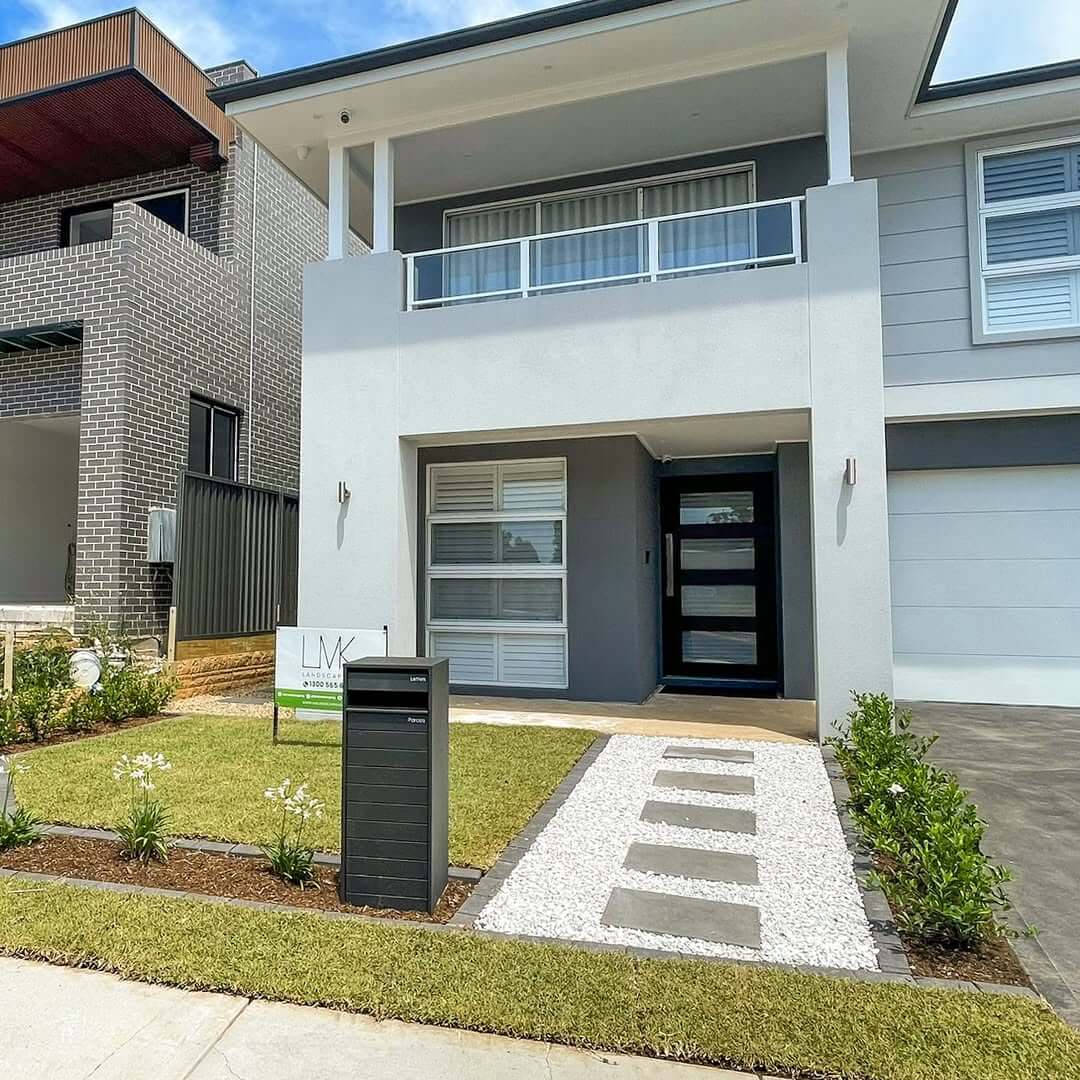
Breaking up a small yard too many times can make it feel even smaller.
Too many flower beds.
Too many edging changes.
Too many disconnected landscaping sections.
The eye keeps stopping instead of flowing naturally across the yard.
I noticed this after removing one small decorative border near our walkway that honestly did not need to be there.
The lawn suddenly looked wider because the space felt less interrupted.
That smoother flow matters.
Smaller front yards often feel larger when the lawn, pathways, and flower beds connect more naturally instead of being chopped into tiny sections.
Visual continuity quietly creates openness.
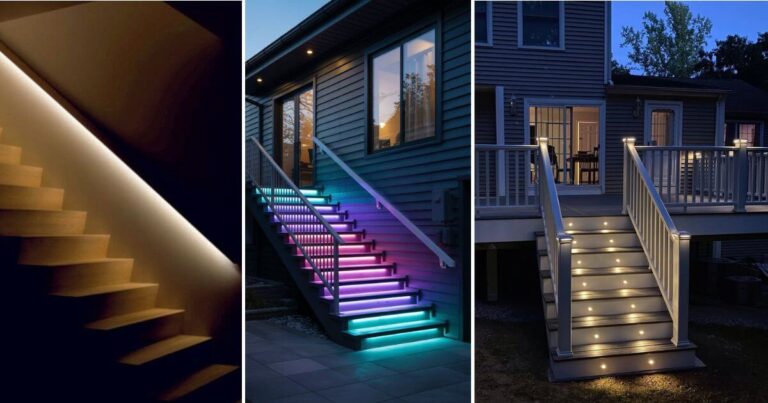
Use Lighting to Expand the Yard at Night
Small front yards shrink quickly after sunset without proper lighting.
Dark corners make compact spaces feel even tighter.
I ignored outdoor lighting for years because I assumed it only mattered for larger homes. Then I added a few warm pathway lights and one soft uplight near a small tree beside the porch.
The difference surprised me immediately.
The yard suddenly felt deeper at night.
The walkway looked softer.
The landscaping no longer disappeared into darkness.
Warm lighting creates depth, especially in smaller spaces where shadows can either soften the yard beautifully or make it feel boxed in.
Even a few low warm lights can completely change how open the front of the house feels during the evening.
The Biggest Mistakes That Make Small Front Yards Feel Smaller
Some landscaping mistakes instantly make compact yards feel tighter.
Oversized shrubs blocking pathways.
Tiny flower pots scattered everywhere.
Crowded flower beds filled with too many colors.
Bulky furniture near the entrance.
Fake grass sections mixed with random stone borders.
These things slowly create visual clutter even when each piece looks fine individually.
According to Real Homes, “Small pots, small plants and small paving units will make a small garden feel busier – and therefore smaller.”
That is exactly what happens in many front yards.
Too many tiny details break up the space visually.
Small front yards almost always feel larger when the landscaping becomes simpler, calmer, and easier for the eye to follow.
Final Thoughts
Small front yards do not need massive renovations to feel bigger.
Most of the time, the biggest difference comes from reducing visual clutter and creating better flow throughout the space.
Cleaner walkways.
Repeated greenery.
More breathing room near the entrance.
Warmer lighting.
One strong focal point instead of several small distractions.
Those details quietly change how the entire property feels.
And honestly, once I stopped trying to fit more into the yard, the whole front of the house finally started feeling calmer, brighter, and much more open.
Small front yards usually feel bigger when the landscaping gives the eye room to breathe.
Also read:
Best Small Trees for Front Yard Landscaping Without Messy Roots
Budget-Friendly Front Yard Landscaping Ideas That Don’t Look Cheap