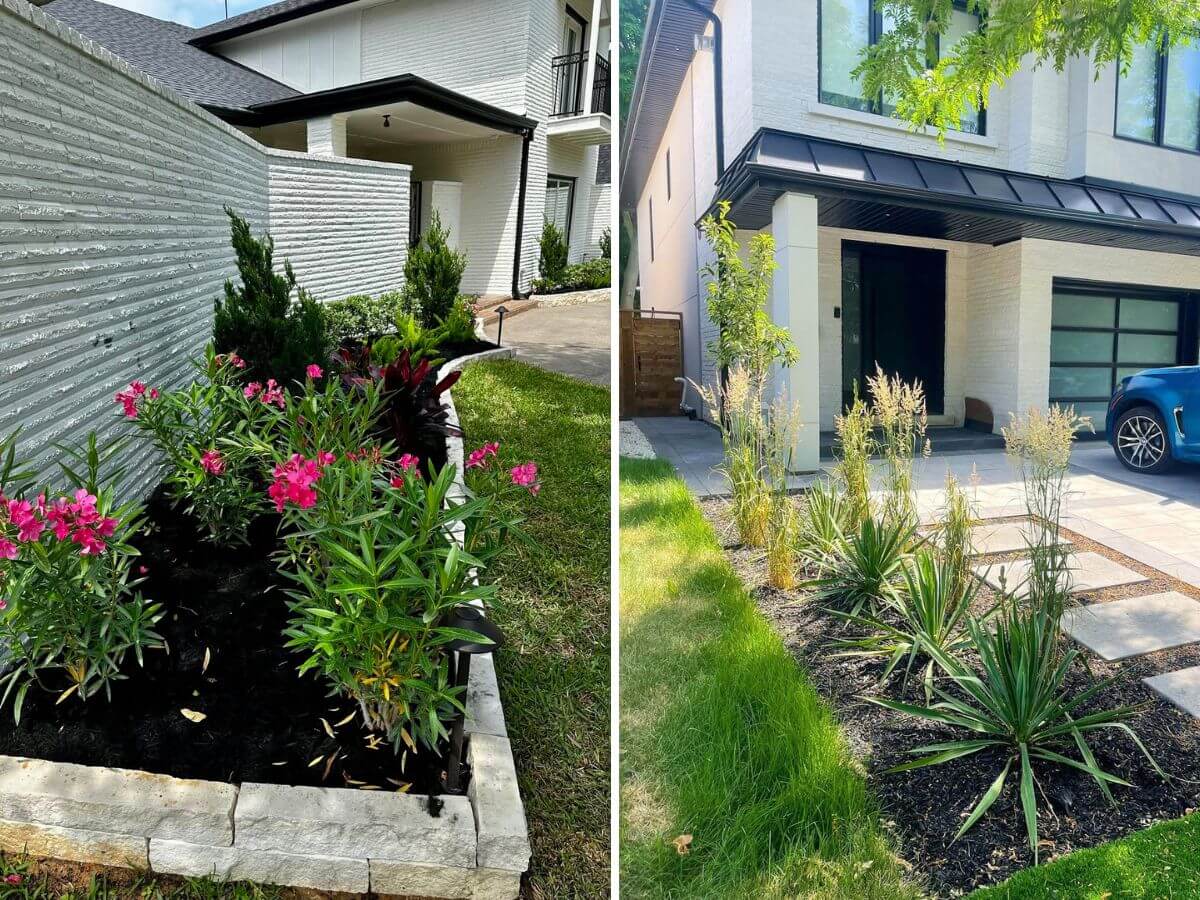
Budget-Friendly Front Yard Landscaping Ideas That Don’t Look Cheap
I used to assume budget landscaping automatically meant sacrificing style.
Cheap mulch.
Tiny plastic planters.
Random flowers stuffed into every empty space near the walkway.
Every spring, I kept buying small “affordable” decor pieces hoping the front yard would finally look polished without spending a fortune. And honestly, the yard usually just ended up feeling more cluttered.
Nothing really connected.
The flower beds looked random.
The porch felt crowded.
And somehow the entire front yard still looked unfinished no matter how many little things I added.
The frustrating part was that the yard never gave that calm feeling I actually wanted when pulling into the driveway after a long day.
Instead of feeling welcoming, the whole front entrance felt visually noisy and harder to maintain every season.
The strange part was realizing the homes that always looked the most expensive from the street often were not overflowing with decor at all.
They felt calm.
Balanced.
Simple in a very intentional way.
The landscaping flowed naturally around the house. The walkways looked clean. The greenery repeated softly throughout the yard instead of competing for attention.
Nothing felt forced.
The whole property simply looked settled.
That completely changed the way I approached front yard landscaping on a budget.
Instead of trying to buy more, I started focusing on structure, repetition, lighting, cleaner borders, and upgrades that quietly made the whole yard feel more intentional.
And honestly, that shift made a bigger difference than any expensive project ever could.
The front of the house started feeling calmer.
The yard became easier to maintain.
Even quiet evenings outside started feeling more relaxing once the landscaping stopped looking visually chaotic.
And weekends stopped turning into constant landscaping projects that still somehow looked unfinished afterward.
If your front yard still feels messy or incomplete no matter how much money you spend, these are the budget-friendly landscaping ideas that made the biggest difference for me.
Why Some Budget Landscaping Looks Expensive While Others Look Cluttered
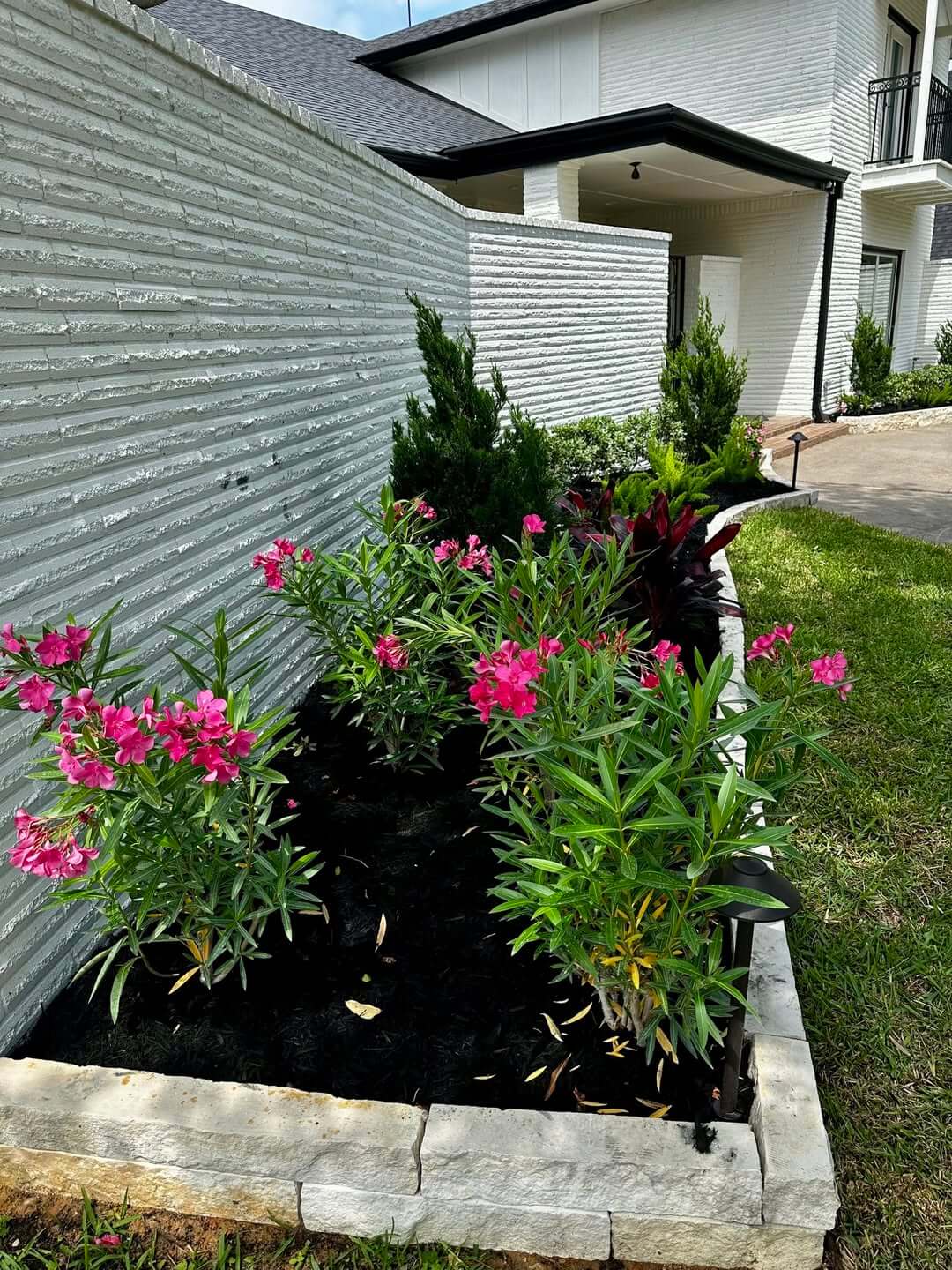
A lot of expensive-looking landscaping has very little to do with money.
It usually comes down to visual calm.
That surprised me because I used to think higher-end landscaping meant huge flower beds, expensive stonework, and oversized decor. But once I started paying attention to the homes that actually looked polished year-round, most of them were surprisingly restrained.
The materials repeated.
The greenery felt consistent.
The walkways looked intentional.
Nothing fought for attention.
Budget landscaping usually starts looking messy when too many disconnected ideas get packed into one small space. Different flower colors, random decor styles, tiny planters, and mismatched edging can make the yard feel visually chaotic even when money was spent.
The nicest front yards usually feel edited.
Not overloaded.
That calm feeling matters far more than people realize.
Focus on Structure Before Flowers
One of the biggest landscaping mistakes I used to make was focusing almost entirely on flowers.
Every season, I bought new blooms hoping they would somehow fix the yard.
But once the flowers faded, the whole space still looked unfinished.
That changed once I started paying more attention to the structure underneath everything else.
The walkway.
The flower bed edges.
The mulch borders.
The spacing between plants.
Those details quietly shape how polished the entire yard feels long before flowers ever bloom.
One weekend, I reshaped the border around our front flower beds and refreshed the edging near the walkway before buying a single new plant.
The difference surprised me immediately.
The whole front yard looked cleaner and far more intentional.
If you are working with a smaller budget, start there first.
Clean borders almost always create a bigger visual upgrade than adding more flowers.
Repeat the Same Plants for a Higher-End Look
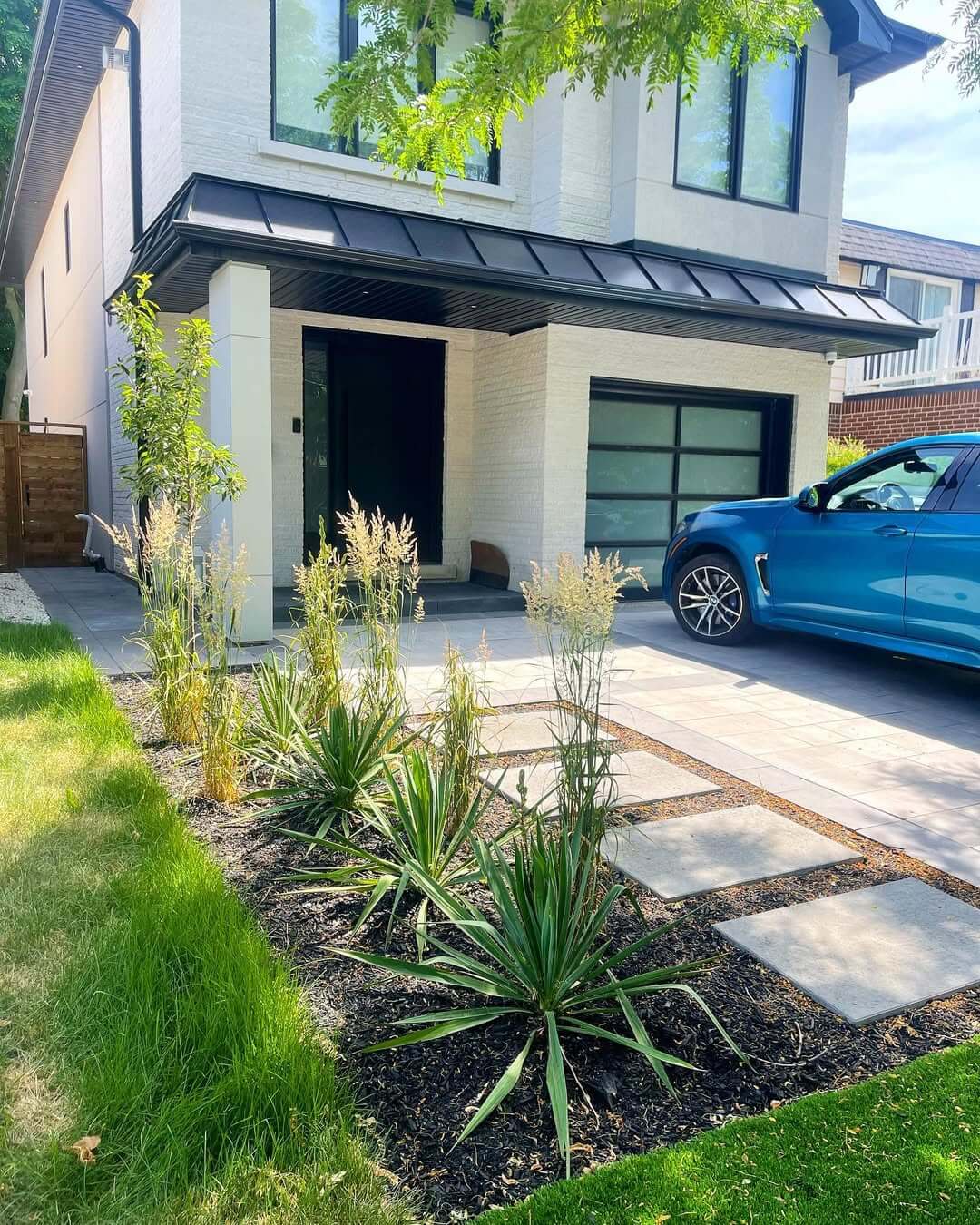
Too many plant styles can quickly make a front yard feel busy.
I learned this after planting a little bit of everything because I thought variety automatically made landscaping feel richer.
Instead, the eye bounced everywhere.
Nothing connected.
Once I simplified things and started repeating the same shrubs and grasses throughout the yard, everything immediately felt calmer.
The same greenery near the porch.
Matching shrubs beside the walkway.
Repeating ornamental grasses throughout the flower beds.
Suddenly the landscaping felt intentional instead of random.
According to Better Homes & Gardens, “it’s best to purchase no more than five types of plants.”
That advice completely changed how I approached landscaping.
And honestly, smaller front yards benefit the most from this because repetition helps compact spaces feel calmer and more open instead of visually crowded.
Use Mulch and Gravel Strategically
Fresh mulch quietly changes everything.
I underestimated this for years.
Old faded mulch can make even beautiful landscaping feel messy and neglected. Fresh dark mulch instantly creates contrast that helps greenery stand out while making the whole yard feel more maintained.
The edging matters just as much.
Sharp flower bed lines create structure that quietly makes the entire property look cleaner.
I also started using gravel in areas where grass constantly struggled to grow.
One awkward patch near our mailbox never looked healthy no matter how much I watered it. Eventually, I replaced the grass with gravel, darker mulch, and low greenery.
That tiny section suddenly looked intentional instead of frustrating.
According to Homes & Gardens, “it’s a fast, easy and budget-friendly way to elevate your space.”
That is exactly why mulch and gravel work so well.
The visual payoff feels immediate without turning into a massive renovation project.
Shrink the Lawn to Reduce Maintenance and Cost
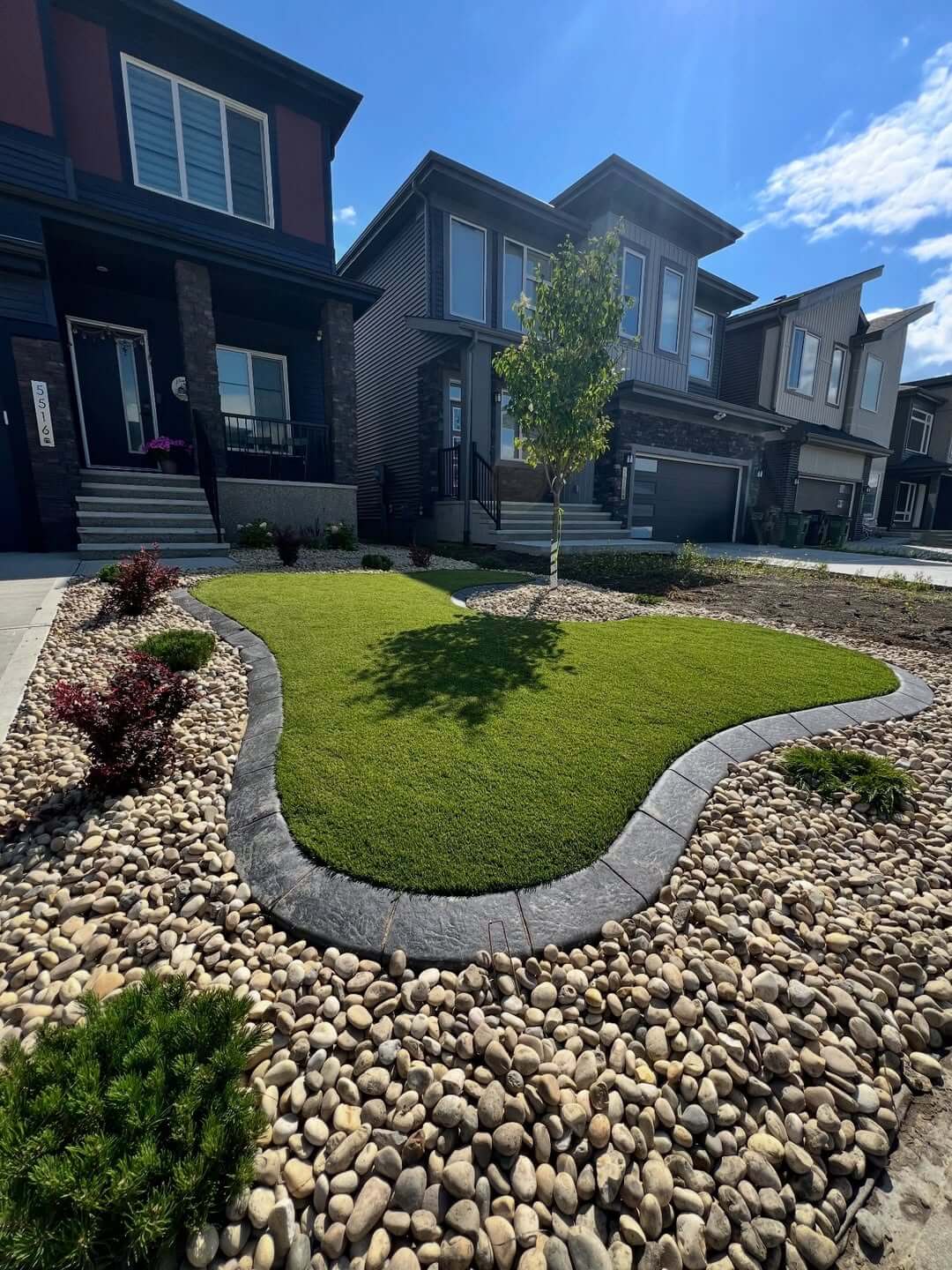
Large lawns create far more work than most people expect.
Mowing.
Edging.
Watering.
Patching dead spots.
Trying to keep every section green during summer.
I used to think every empty section of the yard needed grass because that felt normal. But once I started noticing higher-end landscaping, many homes actually broke up the lawn with mulch islands, layered greenery, gravel, or stone pathways instead.
The yard finally started feeling intentional instead of patched together over time.
One of the best changes I made was removing a difficult patch of grass near the front walkway that constantly looked dry and uneven.
I replaced it with mulch, shrubs, and a few larger stones.
The maintenance dropped almost immediately.
And honestly, the whole front yard started feeling calmer too.
Less lawn often creates a more intentional look while saving money long term.
Upgrade the Walkway Before Buying More Decor
Walkways quietly shape the first impression of the entire home.
That becomes obvious once you start paying attention to how people approach the front entrance.
A narrow uneven walkway can make beautiful landscaping still feel unfinished.
I realized this after reshaping the edge around our front path one weekend. The original border looked stiff and awkward against the flower beds nearby.
Once I softened the curve slightly and cleaned the edging, the whole front entrance suddenly felt softer and easier to come home to.
That surprised me more than adding new flowers ever did.
Even simple upgrades help.
Stone edging.
Fresh gravel.
Cleaner borders.
Wider curves near the entrance.
These changes often create a bigger impact than buying more decor pieces for the porch.
Use Lighting to Make the Yard Feel Finished
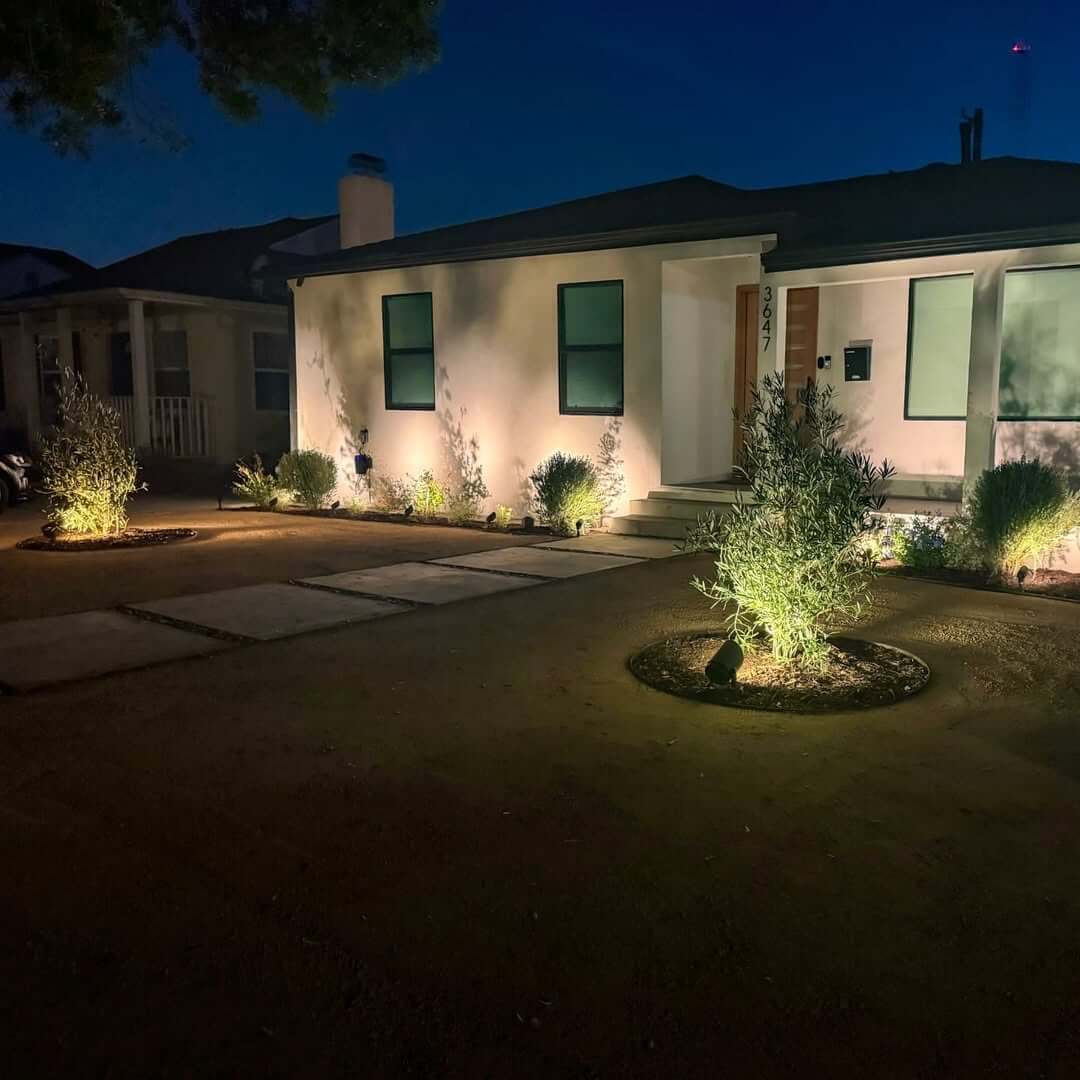
Landscaping completely disappears at night without lighting.
I ignored this for years because I assumed outdoor lighting only mattered for expensive homes.
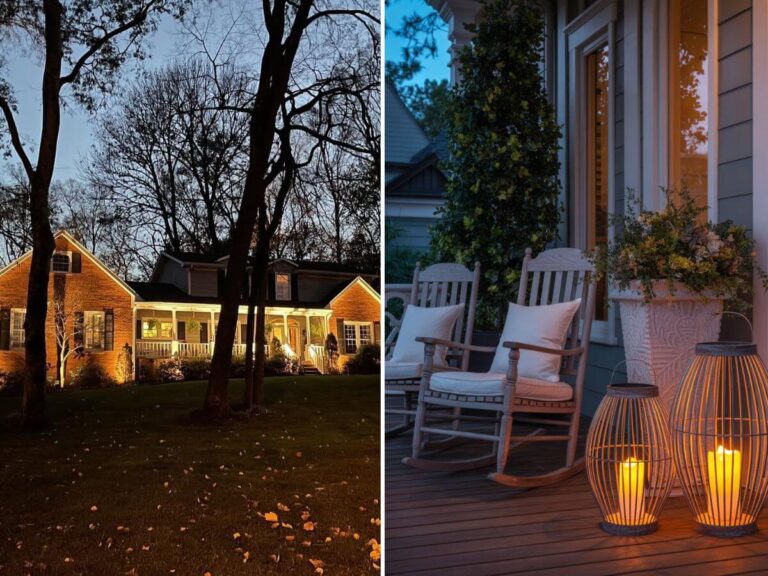
Then I added a few warm solar lights beside the walkway and near one shrub beside the porch.
The whole yard changed after sunset.
The landscaping suddenly had depth.
The walkway felt softer.
The front entrance finally looked welcoming during the evening instead of flat and dark.
Warm lighting almost always feels richer than harsh bright lighting.
And placement matters more than quantity.
A few warm lights near pathways, greenery, or flower beds usually work far better than flooding the yard with brightness.
That softer glow quietly makes the entire house feel calmer.
Choose Bigger Statement Pieces Instead of Tiny Decor
Tiny decor pieces can make a front yard feel cluttered surprisingly fast.
I learned this after filling our porch with small lanterns, seasonal signs, and random planters collected over several years.
Nothing really stood out anymore.
The entrance simply felt crowded.
Once I removed most of it and kept only one larger planter beside the door, the entire porch immediately felt calmer.
And honestly, more expensive.
Larger statement pieces create breathing room.
One strong planter.
One focal tree.
One lantern.
One bench.
Those pieces usually create more impact than lots of smaller items competing for attention.
The nicest front yards rarely feel packed with decor.
They feel relaxed.
Use Evergreen Shrubs for Year-Round Fullness
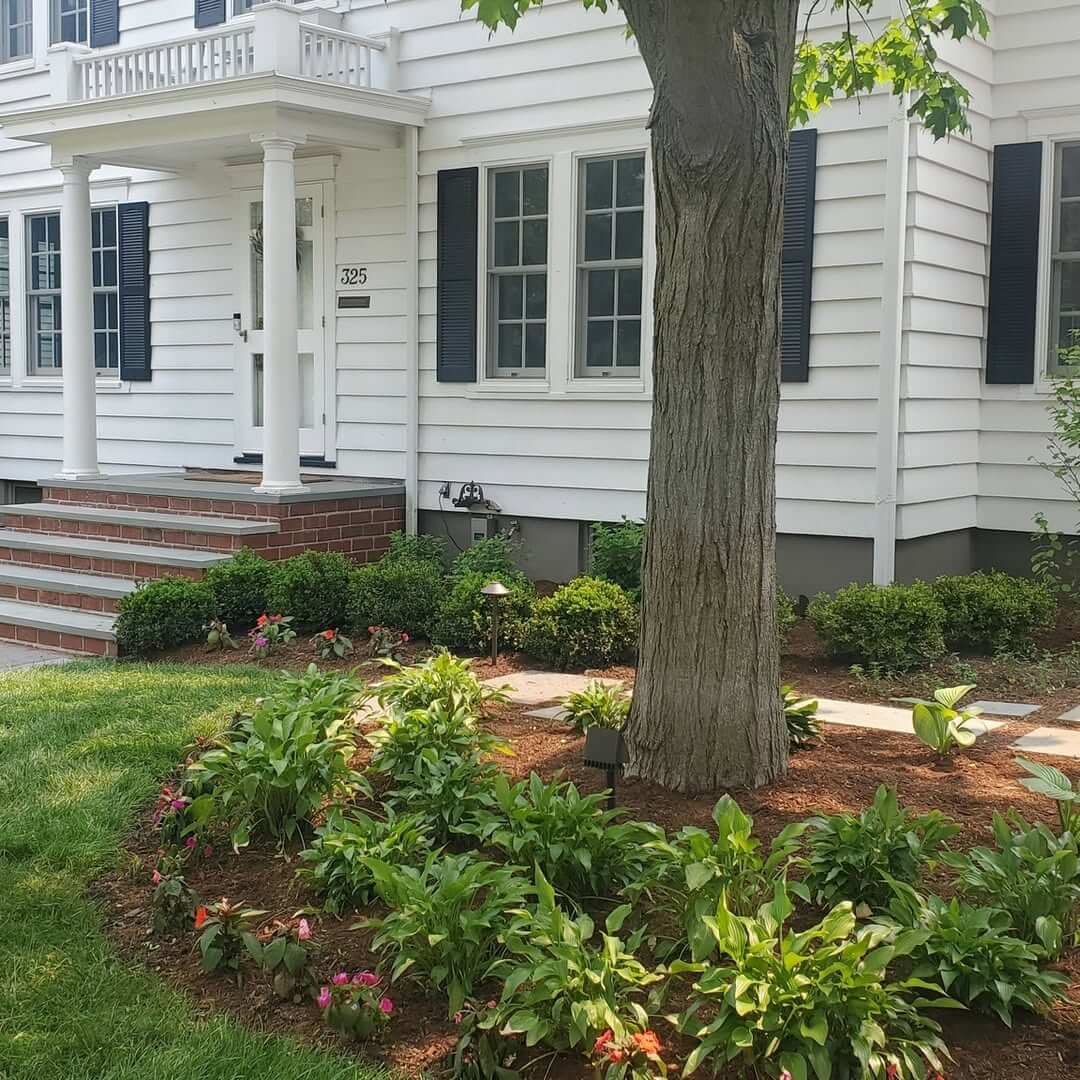
Evergreens quietly hold a front yard together.
That became obvious the first winter after I started adding them near our front walkway and porch.
Before that, the landscaping looked empty once flowers disappeared.
Now the yard still feels alive even during colder months.
Small evergreen shrubs create softness year-round without requiring constant upkeep.
And honestly, that consistent structure makes a yard feel more expensive because the landscaping never fully disappears between seasons.
Layering evergreens near the walkway, porch, or flower beds also helps smaller homes feel fuller without looking crowded.
The whole entrance starts feeling calmer throughout the year.
Keep the Color Palette Simple
Too many bright competing colors can make a front yard feel visually noisy.
I made this mistake once with bright red flowers, yellow planters, colorful decor, and patterned outdoor rugs all fighting for attention at the same time.
Nothing felt relaxing anymore.
Now I stick with softer combinations instead.
Layered greenery.
White flowers.
Muted purples.
Natural wood.
Stone tones.
Black planters.
The yard instantly feels calmer that way.
And smaller homes especially benefit from softer color palettes because the eye moves through the space more naturally instead of stopping at every bright object.
Simple color palettes almost always feel more timeless too.
Blend the Porch Into the Landscaping
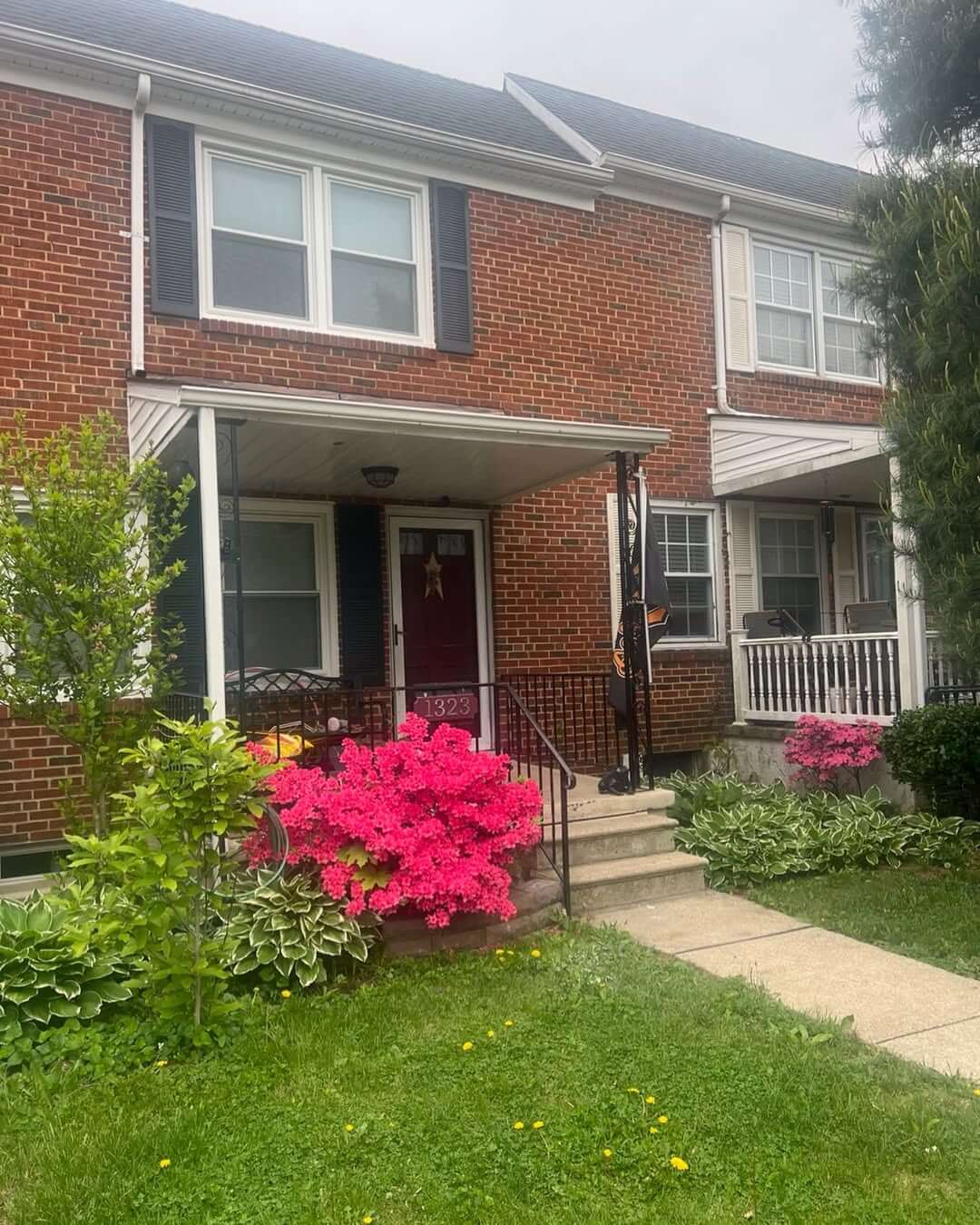
One thing I started noticing in expensive-looking homes is how naturally the porch connects to the landscaping around it.
Nothing feels visually separated.
The greenery flows naturally toward the entrance.
The materials repeat.
The flower beds soften the edges of the porch instead of stopping abruptly beside it.
I recreated this by repeating the same shrubs from our front flower beds inside the porch planters.
That one small change completely shifted how connected the entrance felt.
The porch stopped feeling like a separate decorating project attached to the house.
Everything finally worked together.
That softer flow quietly creates a more custom high-end feeling without requiring major renovations.
The Biggest Mistakes That Make Budget Landscaping Look Cheap
A few landscaping mistakes show up constantly.
Tiny scattered flower pots.
Too many landscaping styles mixed together.
Faded fake flowers.
Messy edging.
Sparse flower beds with awkward empty gaps.
Bright competing colors everywhere.
Oversized decor crowding the porch.
These things slowly create visual clutter even when money has been spent on the yard.
According to The Spruce, “Create a beautiful front yard using simple landscaping methods such as adding mulch, flower borders, window boxes, paths, gravel, and rocks, and more.”
That simplicity matters.
The biggest upgrade is usually simplifying the space instead of constantly adding more things.
Final Thoughts
Budget landscaping does not need to feel cheap.
Honestly, the nicest front yards usually are not the ones filled with the most expensive materials or endless decorations.
They are the ones that feel calm.
Balanced.
Intentional.
Once I stopped trying to constantly add more flowers and decor, the whole front yard became easier to maintain and far more welcoming to come home to.
Cleaner borders.
Repeating greenery.
Warm lighting.
Fresh mulch.
Better flow around the entrance.
Those smaller upgrades quietly changed the entire feel of the house.
And honestly, that softer kind of curb appeal usually lasts much longer than chasing expensive trends every season.
Also read: