Low Maintenance Front Yard Landscaping Ideas That Still Look Expensive
I used to think a beautiful front yard meant constant work.
More flowers. More trimming. More seasonal planting.
Every spring, I bought new plants convinced this would finally be the year the yard looked pulled together.
Instead, by late summer, the mulch looked faded, weeds pushed through the flower beds, and half the plants were struggling in the heat. The yard never looked calm for more than a few days at a time.
The frustrating part was how much time I was spending outside without getting the result I actually wanted.
The yard did not feel polished.
It felt crowded.
That was the moment I started paying attention to the front yards that always looked expensive no matter the season.
And honestly, most of them were surprisingly simple.
Clean borders.
Layered greenery.
A few plants repeated intentionally instead of dozens competing for attention.
Nothing looked overcrowded. Nothing looked difficult to maintain. The whole space just felt settled.
That completely changed the way I approached landscaping.
I stopped trying to fill every empty corner with more decor and started paying closer attention to structure, texture, spacing, and plants that could actually survive real life.
The strange part is that the yard started looking better with less work.
And once I made a few smart changes, weekends stopped feeling like nonstop yard maintenance.
If your front yard always feels unfinished no matter how many flowers you buy, these are the changes that made the biggest difference for me.
Why Some Front Yards Look Expensive Even When They’re Simple
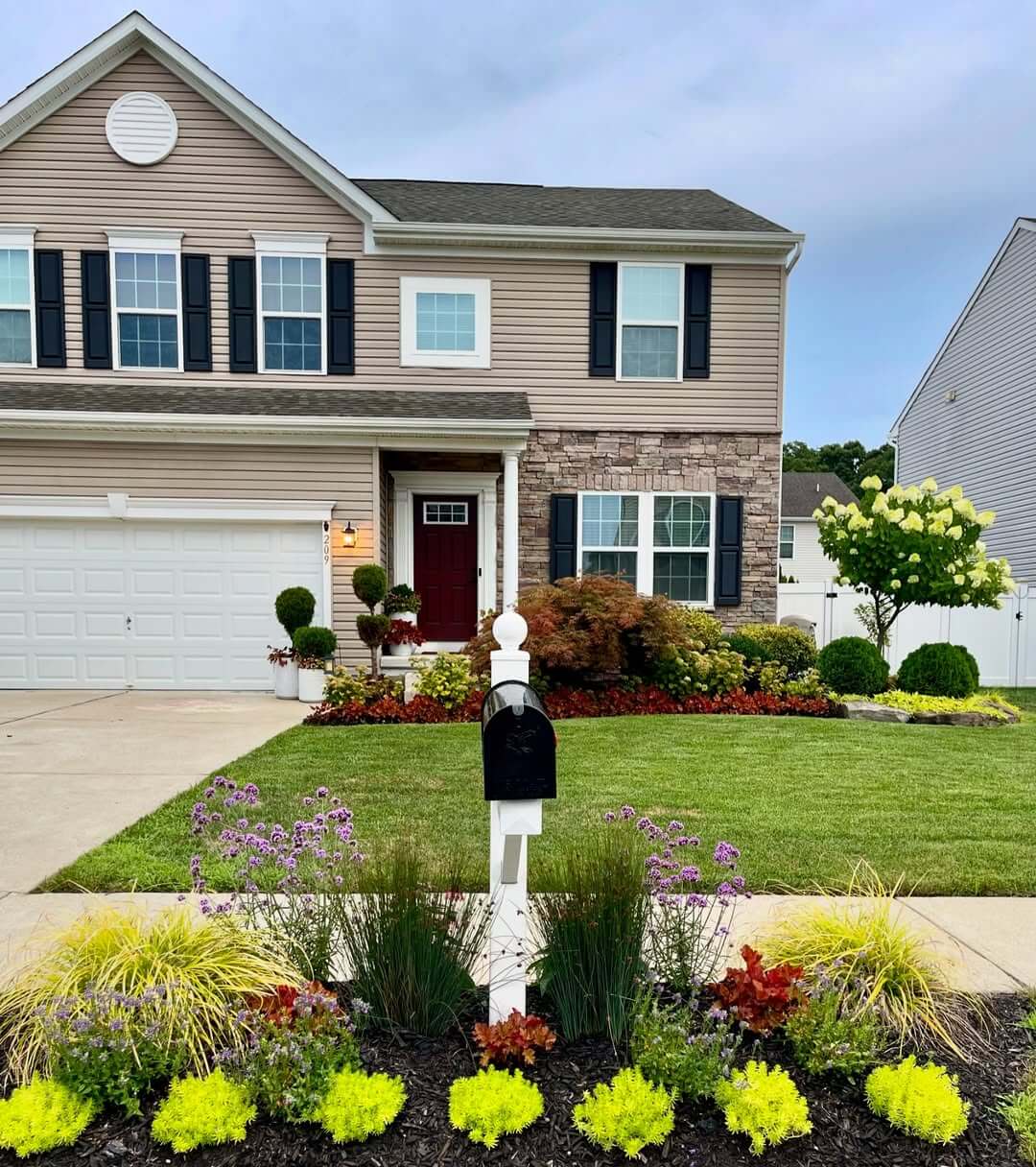
A lot of expensive-looking front yards have one thing in common.
They feel calm.
That surprised me at first because I assumed luxury landscaping meant huge flower beds, dramatic plants, and layers of seasonal decor. Yet the nicest yards in my neighborhood usually stick to a handful of repeating plants, natural textures, and clean lines that quietly guide your eye through the space.
The yard feels organized instead of busy.
That visual calm changes everything.
According to The Spruce, “Modern design is about restraint and intentionality.”
That idea completely changed how I looked at landscaping.
Once I stopped trying to decorate every empty spot, the whole yard started feeling more expensive. The front of the house finally looked softer and more balanced instead of packed with random pieces fighting for attention.
Expensive-looking yards rarely try too hard.
That is usually the difference.
Start With Fewer Plant Types
One of the easiest ways to make a front yard feel polished is repeating the same plants throughout the space.
At first, I worried the yard would feel boring if everything matched too closely.
It actually made the space feel calmer.
The eye moves more naturally when the same shapes and textures repeat along walkways and flower beds. Instead of jumping from one plant style to another, the whole yard starts feeling connected.
According to Better Homes & Gardens, “repeating plants, groupings, colors, and shapes throughout your front yard landscaping creates a rhythm that draws your eye through a space.”
That rhythm is what makes landscaping feel professionally planned.
A simple row of dwarf boxwoods or ornamental grasses usually looks far richer than ten different plant styles competing beside each other.
I learned this after replacing several random flowering plants near our walkway with repeating green shrubs. The yard instantly felt cleaner and far more settled, especially from the street.
And maintenance became much easier because every plant needed roughly the same level of care.
If you are starting fresh, stick to two to four plant varieties at most.
The whole yard usually feels calmer almost immediately.
Replace High-Maintenance Grass Where You Can
Large lawns create far more work than most people expect.
Mowing never really stops. Neither does edging, watering, patch repair, or pulling weeds that somehow return a week later.
I used to think every empty section of the yard needed grass because that felt normal. Then I started noticing how many expensive homes actually break up the lawn with gravel, mulch beds, layered shrubs, and stone pathways.
The yard instantly feels more intentional.
Small gravel sections around shrubs can cut watering dramatically.
Mulch islands around trees reduce trimming.
Even a narrow stone path adds structure while making the yard easier to maintain.
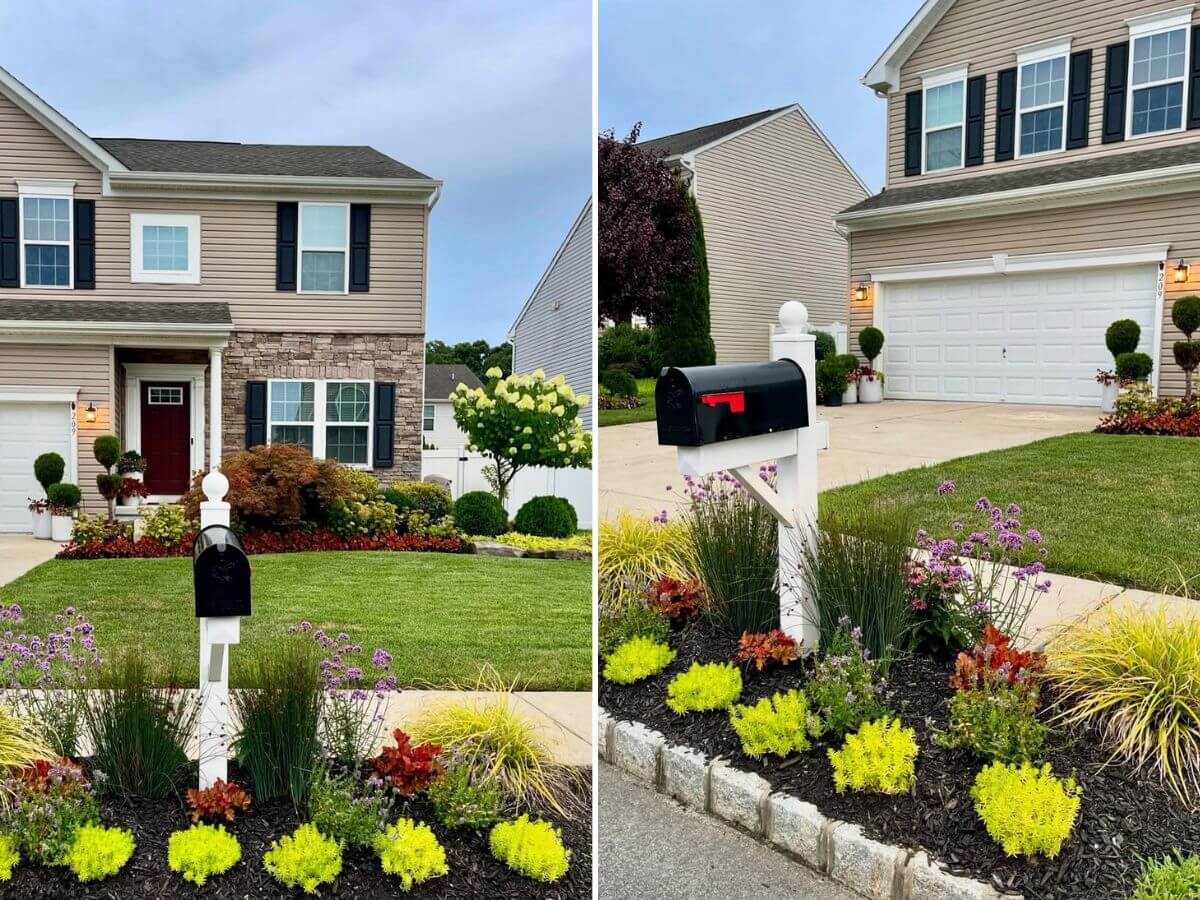
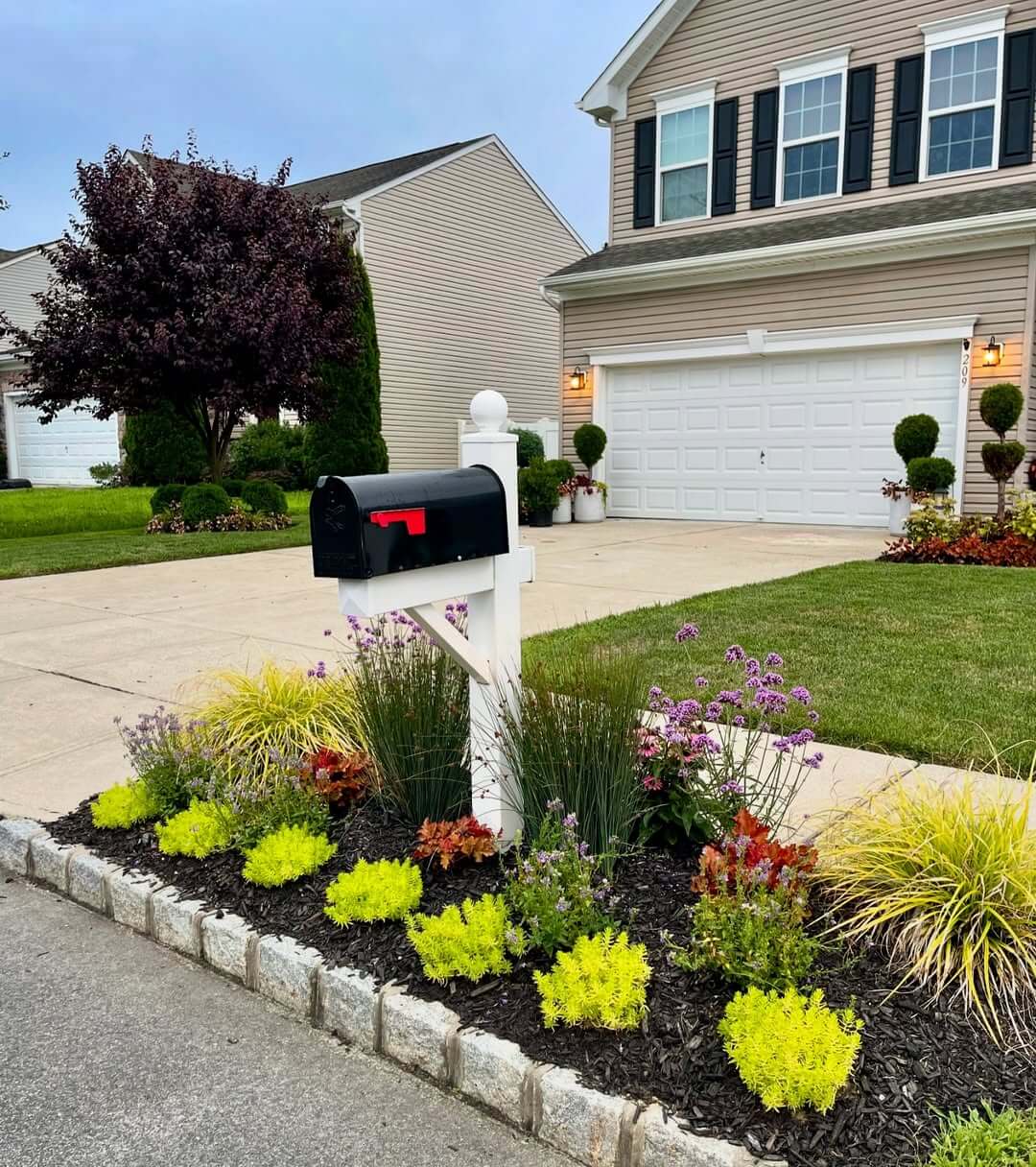
One of the smartest changes I made was removing a struggling patch of grass near the mailbox. I replaced it with dark mulch, low greenery, and a simple stone border.
That tiny corner stopped looking neglected almost overnight.
And I never had to fight brown summer grass there again.
If your yard constantly feels exhausting, shrinking the lawn is usually one of the fastest ways to make the whole space feel calmer.
Use Mulch That Actually Stays Looking Fresh
Mulch sounds like a small detail until you realize how much of the yard people actually see from the street.
Cheap faded mulch can make even beautiful landscaping feel messy.
Dark brown mulch usually creates the cleanest contrast against greenery. It makes shrubs and flowers stand out without pulling too much attention toward the ground itself.
Red mulch often feels harsher visually, especially once the color starts fading.
The bigger difference, though, comes from edging.
Sharp mulch lines instantly make landscaping look cleaner and more expensive.
Even simple flower beds feel more polished once the borders are clearly defined.
I started using a manual edging tool around the walkway every few weeks, and the yard immediately looked more maintained. The flower beds stopped blending awkwardly into the lawn.
That crisp separation changes the whole feel of the space.
According to Homes & Gardens, “A rocks and mulch combo is also one of the best front yard landscaping ideas for a low-maintenance gardening scheme”.
That combination works especially well in smaller front yards because it keeps everything visually clean without needing constant upkeep.
Focus on Evergreen Structure First
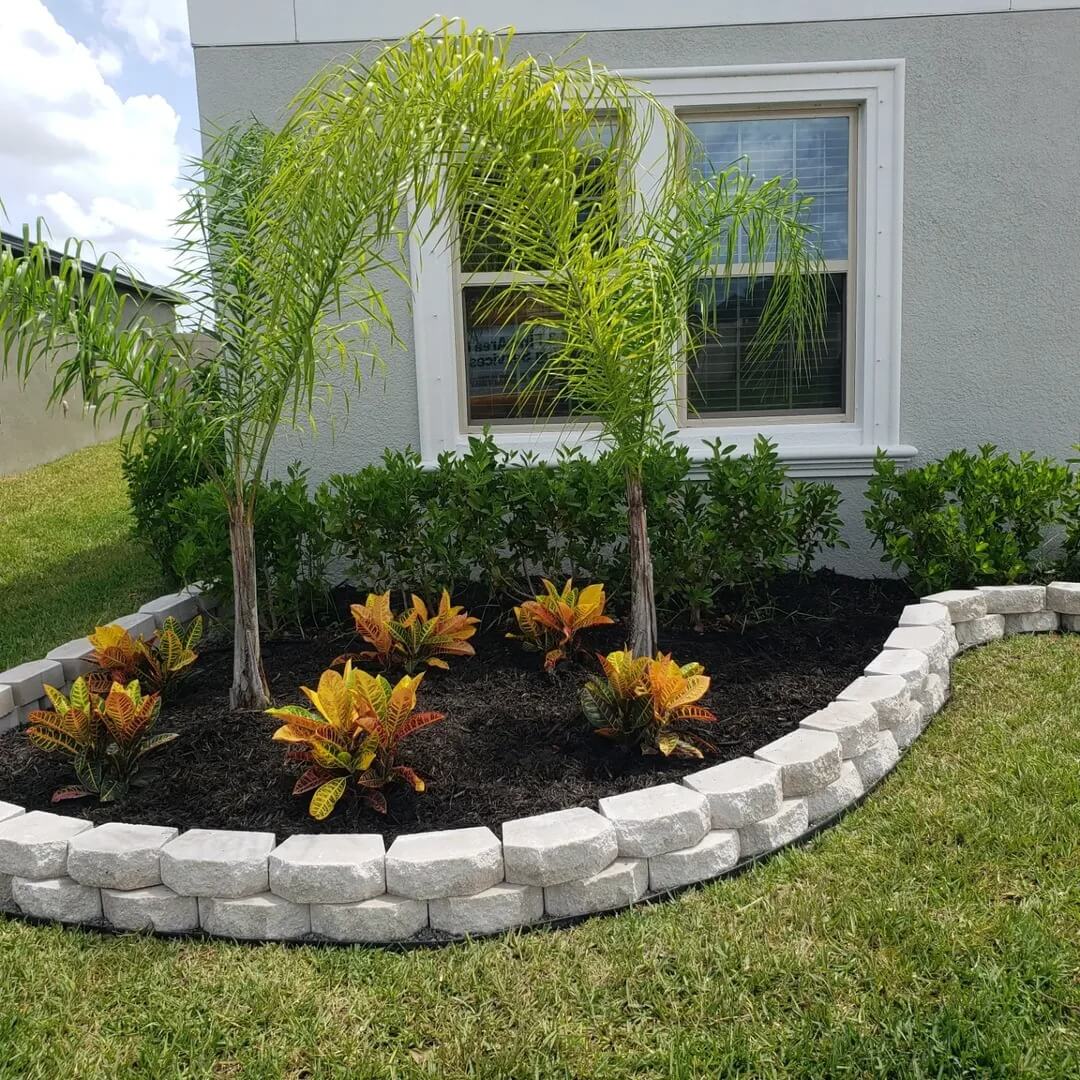
Flowers come and go.
Structure stays.
That was one of the biggest lessons I learned after planting flowers that looked amazing for a few weeks and empty the rest of the year.
Evergreen shrubs changed the entire look of the yard.
Even during colder months, the front of the house still had shape, fullness, and color instead of looking flat and forgotten.
That matters more than most people expect.
A front yard usually feels more expensive when it looks stable year-round instead of depending completely on seasonal flowers.
Try layering different heights near the front of the house.
Low greenery near walkways.
Medium shrubs near windows.
Something taller near the porch or entryway.
That layered look creates depth naturally.
And dwarf evergreens work especially well because they stay manageable for years without swallowing the yard.
No constant pruning.
No giant shrubs blocking windows.
Even in winter, the yard still feels finished instead of empty.
Add One Focal Point Instead of Lots of Decor
One strong focal point usually looks better than ten smaller decorations competing for attention.
I learned this after overcrowding my porch with tiny lanterns, seasonal signs, and random planters that made everything feel visually noisy.
Once I removed most of it, the space immediately felt calmer.
Now the eye actually lands somewhere.
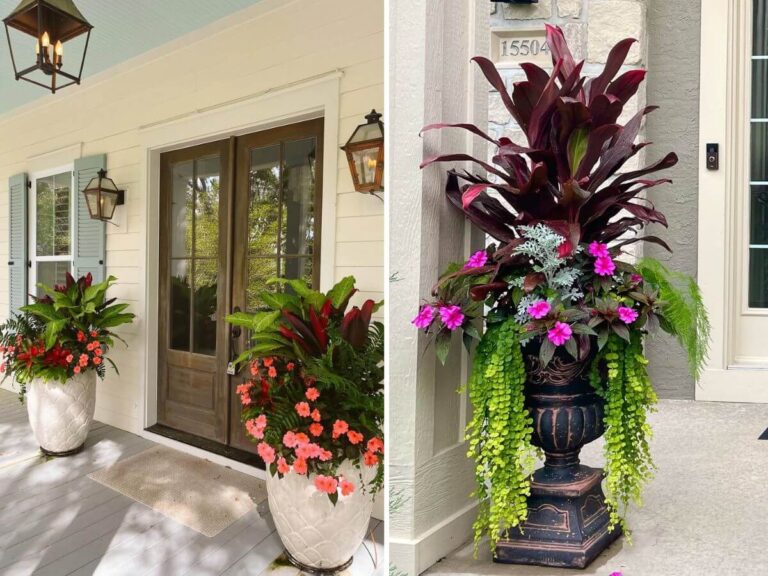
A large planter beside the front door often creates more impact than several tiny pots scattered across the porch.
A statement tree near the walkway can anchor the entire yard.
Even modern house numbers paired with greenery and lighting can make the front of a home feel more custom.
The nicest front yards usually feel edited, not crowded.
That is what gives them that relaxed, expensive look.
If your landscaping feels chaotic right now, try removing a few things before buying anything new.
That simple change often helps more than adding extra decor.
Use Lighting to Make Landscaping Feel Finished
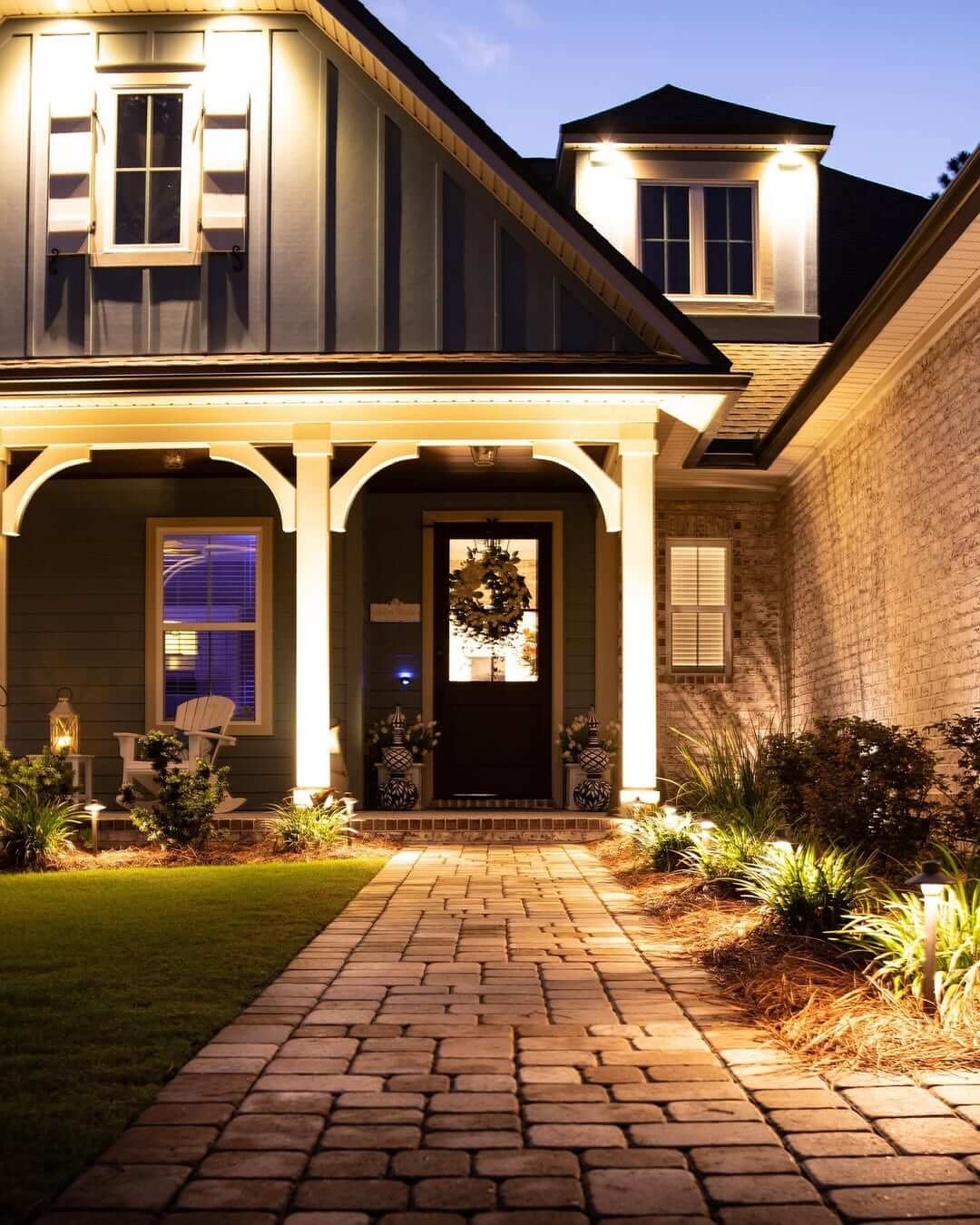
Landscaping can disappear completely at night without lighting.
I ignored this for years because I thought outdoor lighting was only for large homes or expensive renovations.
Then I added a few warm solar lights along the walkway.
The difference shocked me.
The yard suddenly felt softer and more layered after sunset. Shrubs cast subtle shadows across the path, and the front porch finally looked welcoming instead of dark and flat.
Warm lighting almost always feels richer than cool bright lighting.
Soft uplighting near a tree or shrub can also create depth without adding more plants or decor.
Even small front yards benefit from this.
You do not need a massive property for lighting to work beautifully.
A few low warm lights around pathways or flower beds can completely change how the house feels in the evening.
And honestly, that is when many people actually see their front yard most often.
Choose Plants That Match Your Climate
One of the biggest landscaping mistakes is forcing plants to survive where they clearly struggle.
I used to buy plants based only on appearance. If something looked beautiful at the garden center, I assumed it would work in the yard.
That became expensive fast.
Plants that naturally fit your climate usually need less watering, less attention, and fewer replacements throughout the year.
Native plants often stay healthier during weather swings too.
That means fewer dead patches, fewer drooping leaves, and far less frustration during extreme heat.
A neighbor near me replaced several thirsty flowering plants with drought-tolerant grasses and hardy shrubs last year.
Her yard still looks full during the hottest part of summer while many nearby lawns start turning patchy and stressed.
And she spends far less time maintaining it.
Landscaping almost always looks better when the plants actually want to be there.
Keep the Color Palette Tight
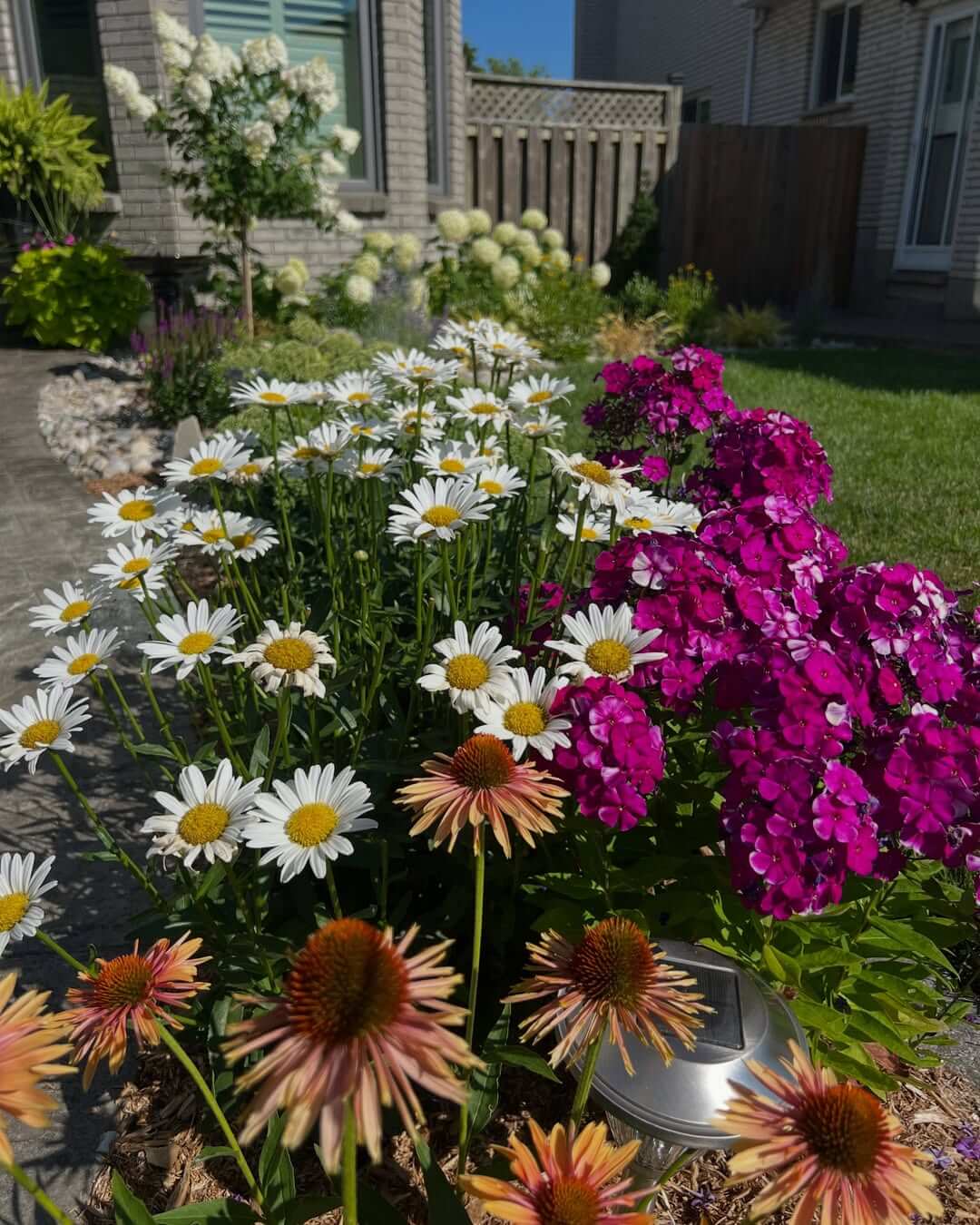
Too many flower colors can make a front yard feel visually overwhelming.
I made this mistake once with bright reds, yellows, pinks, and purple flowers all packed into the same flower bed.
Nothing stood out because everything competed for attention.
Now I stick with softer combinations that feel easier on the eyes.
Green and white.
Green and pale purple.
Natural stone tones mixed with layered greenery.
The yard instantly feels calmer.
That softer palette also helps smaller homes look more open because the eye is not bouncing between loud colors every few seconds.
If you still love seasonal flowers, keeping them grouped in one area usually looks far cleaner than scattering them throughout the yard.
The whole space starts feeling more intentional instead of random.
Make Walkways and Borders Feel Intentional
Walkways quietly shape how the entire yard feels.
A narrow uneven path can make beautiful landscaping feel unfinished almost instantly.
Wider pathways usually feel more welcoming and relaxed.
Curved flower beds often feel softer and more natural than random sharp corners cut into the lawn.
And clean edging changes everything.
One weekend, I reshaped the border around our front flower bed so the curve actually matched the walkway instead of fighting against it.
That tiny adjustment made the whole yard feel professionally planned.
It was honestly surprising how much cleaner everything looked afterward.
Stone edging, metal edging, or even a simple trench edge can create that same effect.
The point is not perfection.
The yard just needs to feel intentional.
The Biggest Mistakes That Make Front Yards Feel Cheap
A few landscaping mistakes show up again and again.
Tiny scattered planters.
Too many decor themes mixed together.
Sparse flower beds with random empty gaps.
Fake flowers fading in direct sunlight.
Overgrown shrubs blocking windows and walkways.
These things slowly create visual clutter, even when a lot of money has been spent on the yard.
One of the biggest upgrades is simply editing the space more carefully.
Remove what is not working.
Keep the strongest features.
Repeat materials instead of mixing too many styles together.
And leave breathing room between plants and decor.
That calm spacing is often what makes expensive-looking yards feel so relaxing.
Nothing is fighting for attention.
Everything feels settled.
Final Thoughts
The best low-maintenance front yards do not look empty.
They look intentional.
That was the biggest shift for me.
Once I stopped chasing more flowers, more decor, and more seasonal clutter, the entire yard became easier to manage.
And honestly, it looked far better.
A few repeating plants, cleaner borders, warm lighting, layered greenery, and stronger structure can completely change curb appeal without turning weekends into nonstop yard work.
That balance is usually what makes a front yard feel expensive.
Not how much stuff is packed into it.
Just thoughtful choices that still look beautiful months later.
Also read: