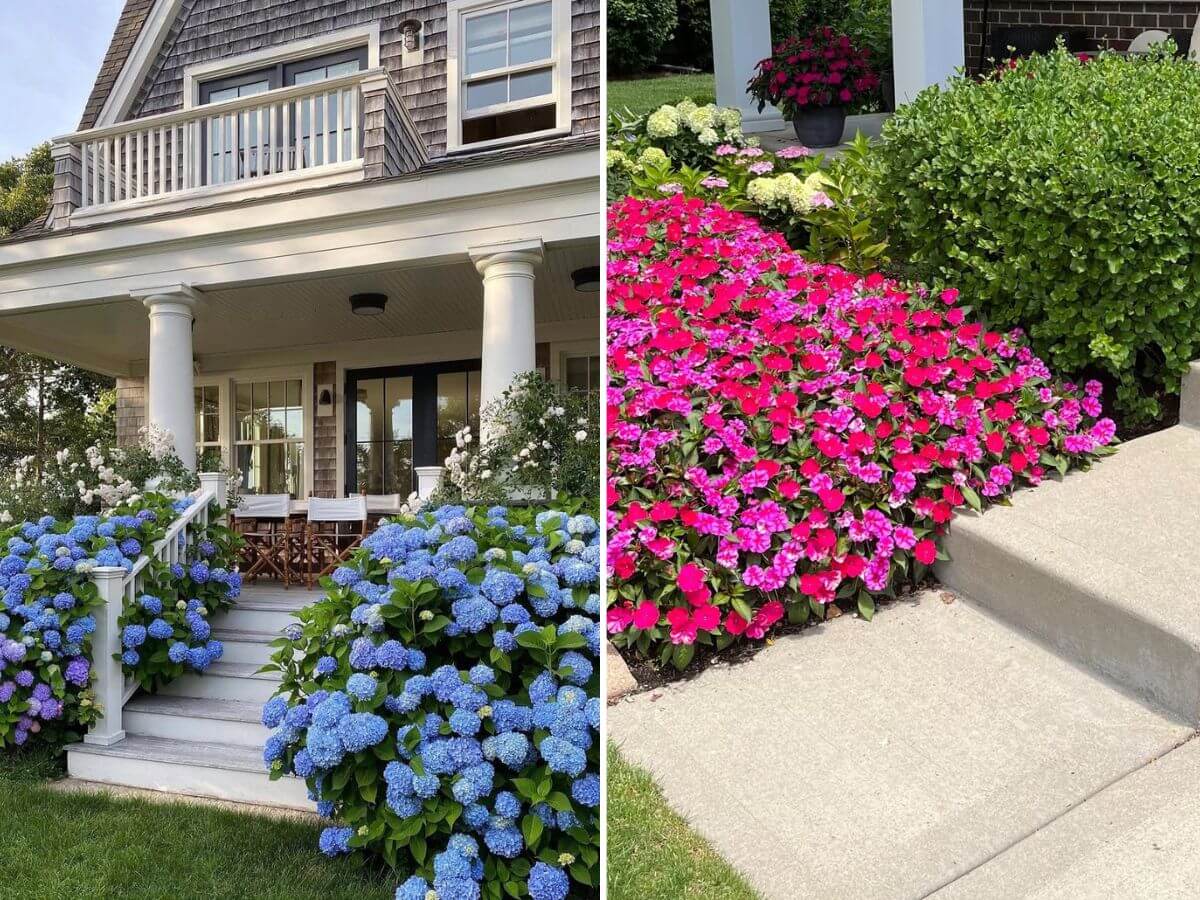
Front Yard Plants That Make Your Home Look More Expensive
I used to think expensive-looking front yards came down to money.
Huge landscaping projects. Perfect stone walkways. Professional garden designs that probably cost more than a kitchen remodel.
But after paying closer attention to the homes that actually felt warm and polished, I noticed something different.
Most of them were not packed with plants at all.
In fact, the best-looking front yards usually felt calmer than the others.
The plants had room to breathe. The greenery framed the house instead of covering it. Nothing looked random or overcrowded.
And honestly, that completely changed how I approached landscaping.
Because a front yard does not need hundreds of flowers to feel beautiful.
Sometimes a few well-placed plants do a much better job.
I noticed this even in smaller neighborhoods where homes sat close together. One house would feel bright, open, and welcoming while the one beside it looked visually stressful, even though both had similar square footage.
That difference usually came down to plant choices.
A soft row of boxwoods near the walkway. Hydrangeas beneath the windows instead of oversized shrubs. Ornamental grasses moving gently in the wind instead of stiff rows of crowded flowers.
Those small decisions changed everything.
The yard suddenly felt easier to look at.
Easier to maintain too.
And strangely enough, the whole house started feeling more expensive even though the actual changes were pretty simple.
That is the part most people miss about curb appeal.
The homes that feel polished usually are not filled with more plants. They are filled with better choices.
If your front yard currently feels crowded, flat, empty, or harder to maintain than it should, a few smart plant changes can completely shift the way the entire space feels.
And the best part is you do not need a giant budget to get there.
Why Expensive-Looking Front Yards Usually Feel Simpler
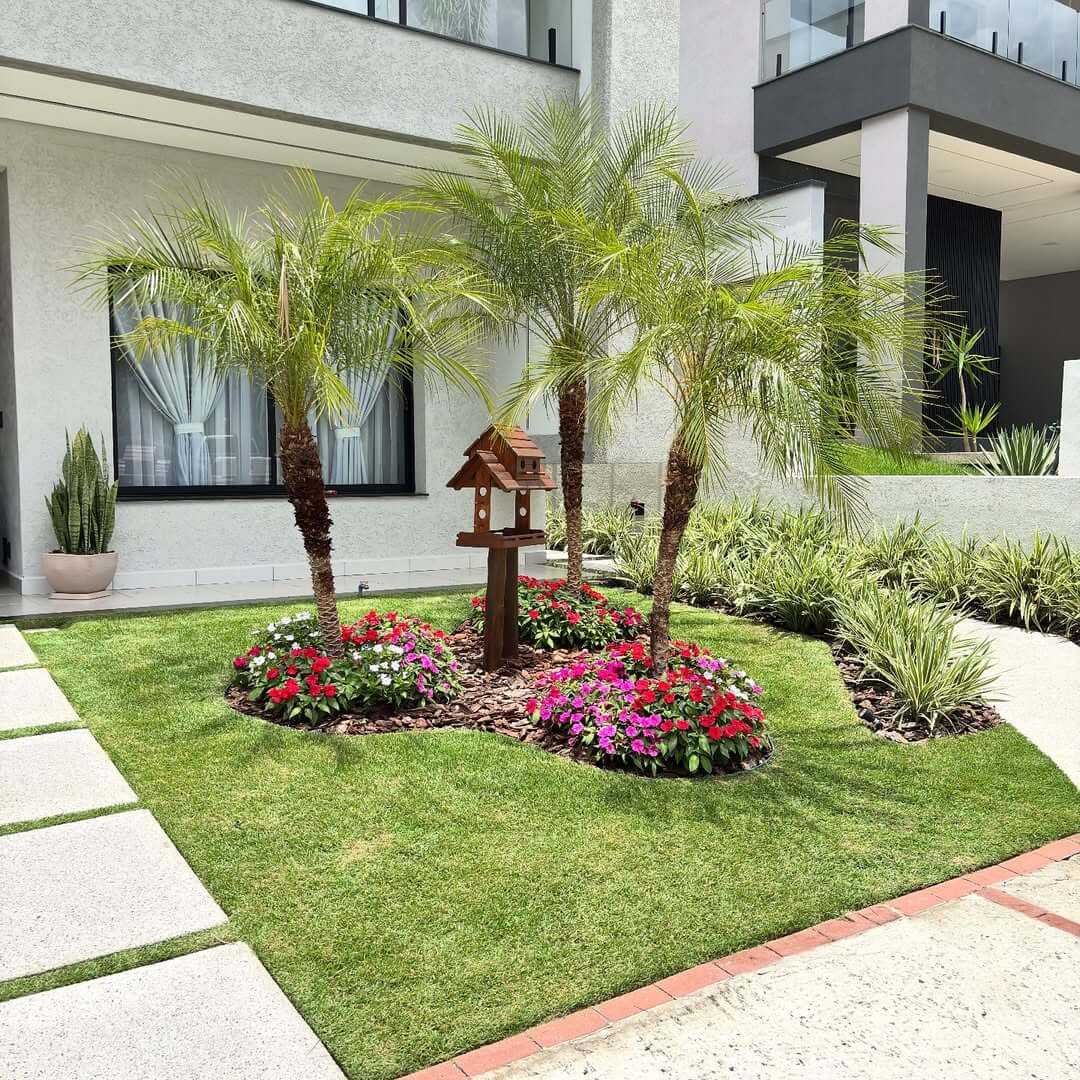
A lot of front yards feel busy because every plant is trying to become the center of attention.
Bright flowers in every color.
Shrubs planted too close together.
Different textures competing with each other.
The eye never gets a chance to rest.
The homes that feel polished usually keep things simpler.
One thing that helped me immediately was repeating the same plant groups instead of buying one of everything at the garden center.
That single change made the yard feel more intentional almost overnight.
In fact, Better Homes & Gardens recommends using “plants and repetition” instead of relying on “pretty little flowers” alone.
That idea completely changed how I planted my own front yard.
Instead of adding more colors, I started repeating the same greenery in smaller clusters. The yard immediately felt calmer and far less cluttered.
And strangely enough, calmer landscaping often feels more expensive.
That becomes even more noticeable in smaller front yards where too many plant varieties can quickly make the space feel crowded.
Once the overall structure starts feeling cleaner, the rest of the landscaping becomes much easier to shape.
Start With Evergreen Plants First
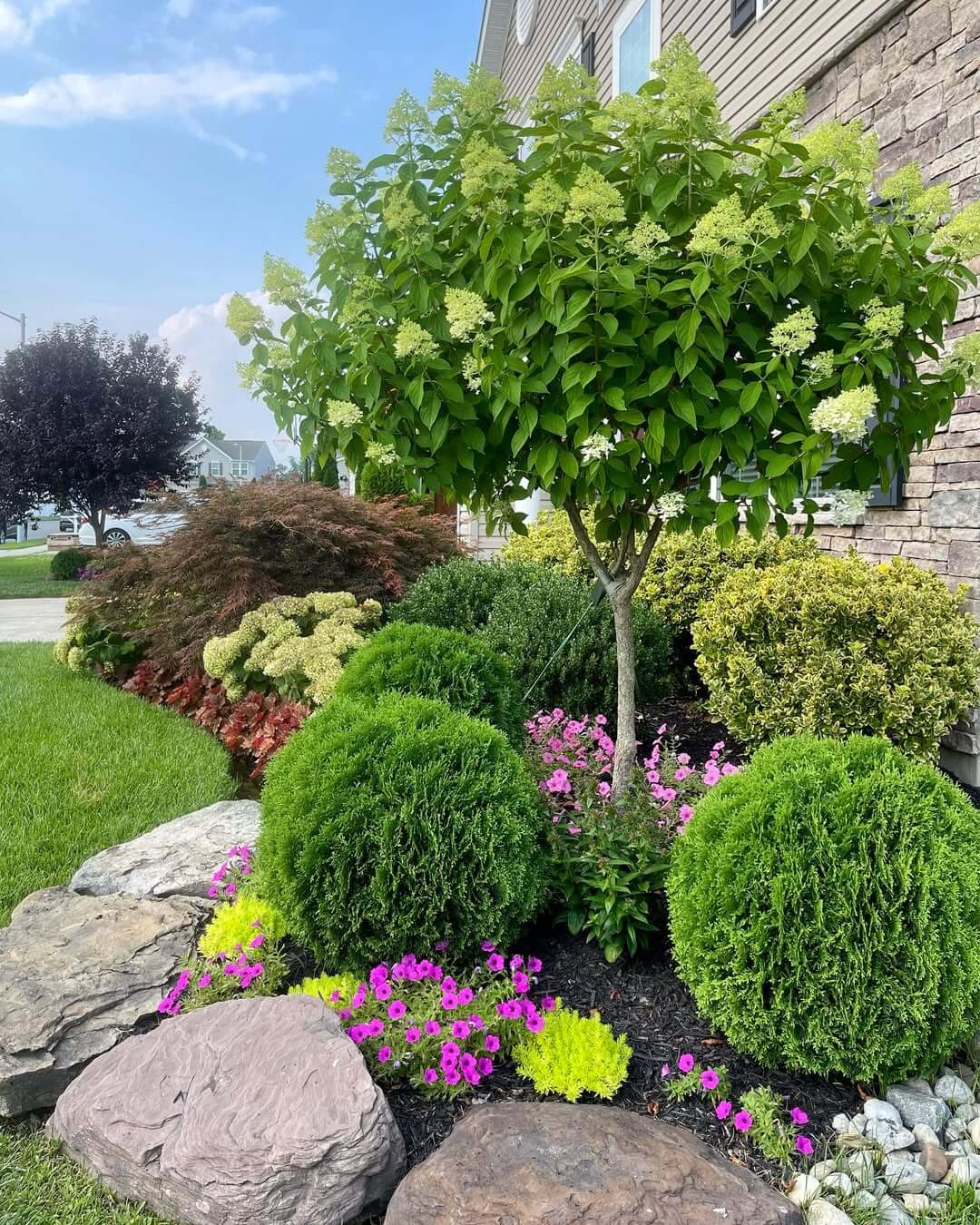
This was one of the biggest changes that made my front yard feel polished year-round instead of only looking good for a few months.
Evergreen plants quietly hold the whole yard together.
When flowers fade or trees lose leaves, evergreen shrubs still give the front yard shape and softness.
Without them, many homes suddenly look bare during colder months.
That is one reason evergreen plants work so well near entryways, walkways, and foundations.
They keep the yard from feeling unfinished.
According to The Spruce, “One easy way to have landscaping that lasts through four seasons is simply to plant evergreen shrubs.”
That advice sounds simple, but it changes the entire feel of a front yard.
Once I added rounded boxwoods and compact hollies near the front path, the space stopped feeling temporary. Even during winter, the entrance still looked warm and complete.
Arborvitae also work beautifully along corners because they add height without swallowing smaller homes.
And in compact front yards, that balance matters a lot.
Too much greenery pressed too close to the house can quickly make the yard feel darker and tighter.
A few structured evergreen plants usually create a cleaner look than dozens of seasonal flowers scattered around the yard.
Now let’s talk about the mistake that quietly makes many front yards feel chaotic.
The Front Yard Plant Mistake That Makes Homes Look Chaotic
I used to think more plants automatically meant better curb appeal.
More flowers.
More colors.
More texture.
But eventually the yard started feeling visually exhausting.
Nothing stood out because everything competed at once.
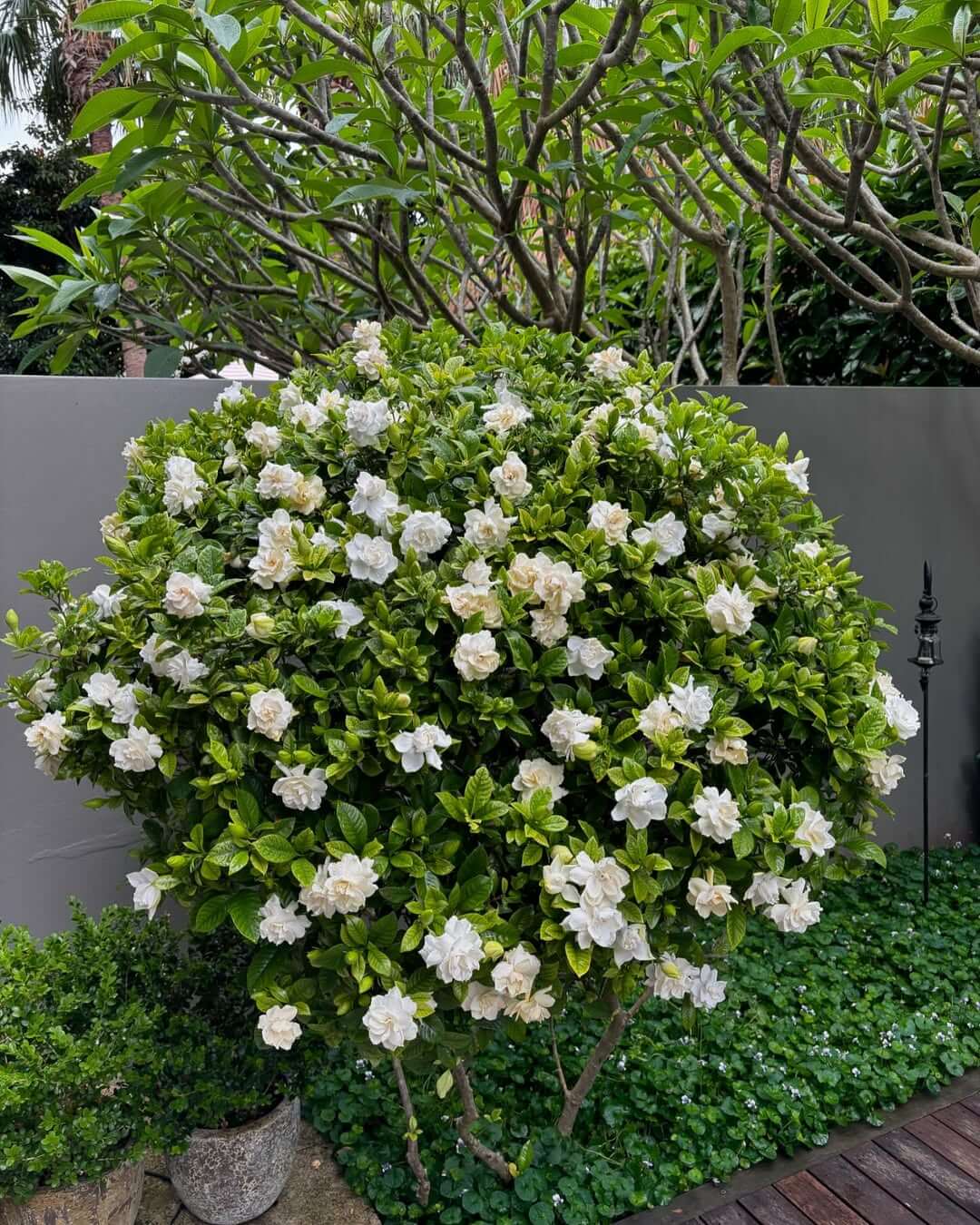
One of the fastest ways to make a front yard feel more expensive is limiting the color palette.
Deep greens mixed with white flowers almost always feel calmer and more timeless than five strong flower colors fighting for attention.
That softer contrast also tends to work better with brick, siding, stone, and darker exterior paint colors.
Another issue is mixing too many plant styles together.
Sharp tropical plants beside formal shrubs beside cottage-style flowers can make landscaping feel disconnected even when the plants themselves are beautiful.
Front yards usually look better when the plants feel connected instead of competing with each other.
And spacing matters too.
Oversized shrubs pressing into walkways can make even larger front yards feel cramped.
I noticed this after trimming back a row of overgrown bushes near our own entry path. Suddenly the front porch looked brighter, the walkway felt wider, and the whole entrance became easier to see from the street.
Small change.
Completely different feeling.
Once the clutter disappears, softer plants start making a much bigger visual impact.
The Plants That Instantly Soften a Home Exterior
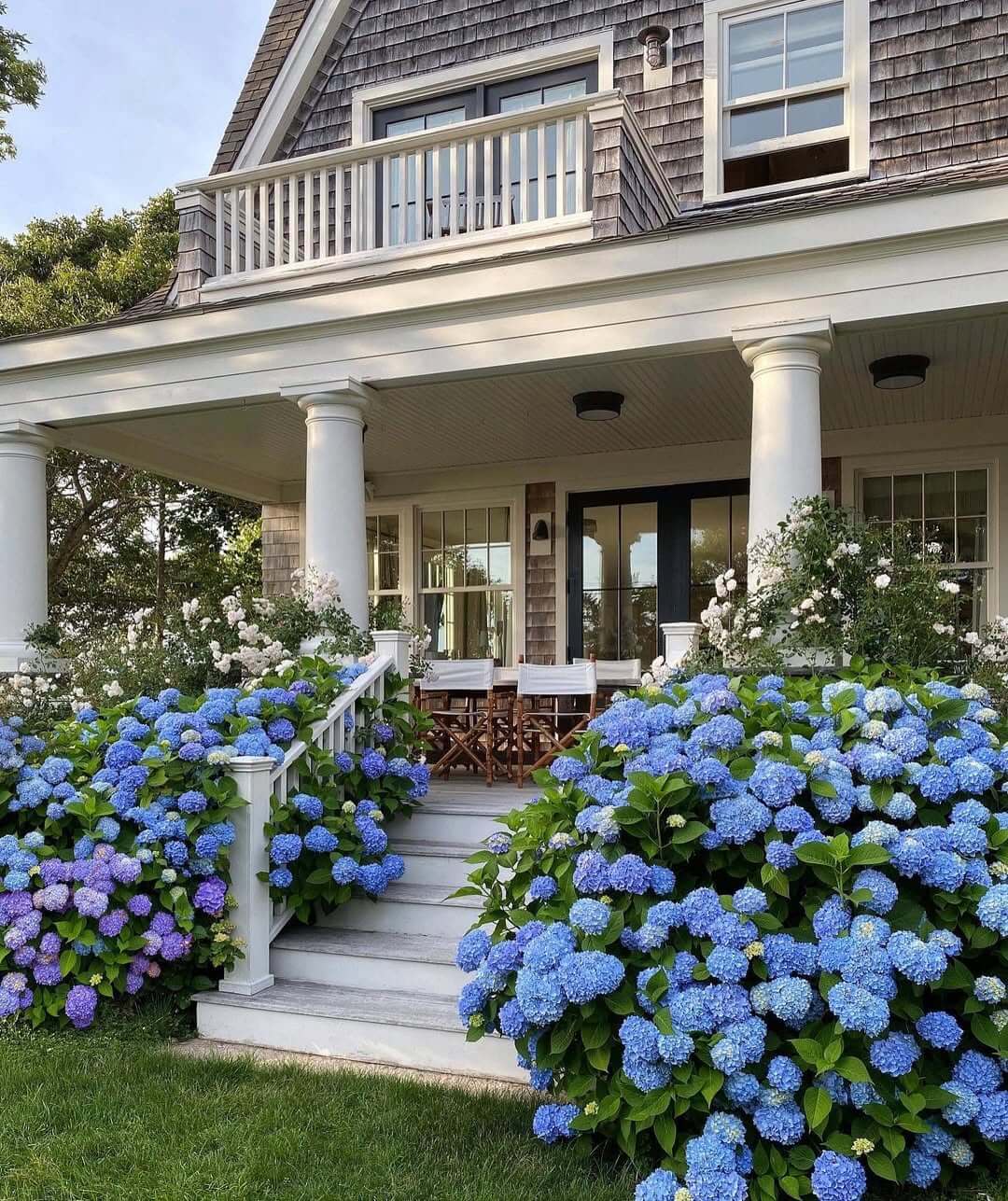
Some plants make a home feel warmer almost immediately.
Hydrangeas are one of my favorites for this.
Placed beneath front windows, they add fullness without making the space feel heavy. White hydrangeas especially can brighten darker exteriors and soften brick homes beautifully.
Lavender works especially well near walkways because the softer texture keeps the landscaping from feeling overly formal.
And when the breeze moves through ornamental grasses, the whole front yard suddenly feels more relaxed.
That movement matters more than people expect.
It keeps landscaping from feeling stiff or frozen in place.
I also started paying closer attention to softer flower tones instead of overly bright combinations.
Muted greens. White blooms. Dusty pink flowers.
Those colors usually age better visually and help the front yard feel calmer throughout the year.
According to Homes & Gardens, “opting for evergreen plants creates year-round interest and means that you don’t have to worry about your front yard looking neglected and bare during the colder months of the year.”
That balance between softer flowers and steady evergreen structure is what makes many expensive-looking front yards feel so polished.
The flowers bring warmth.
The greenery keeps everything grounded.
And that balance becomes even more important in smaller spaces where every plant has a bigger visual impact.
How to Make a Small Front Yard Look More Expensive
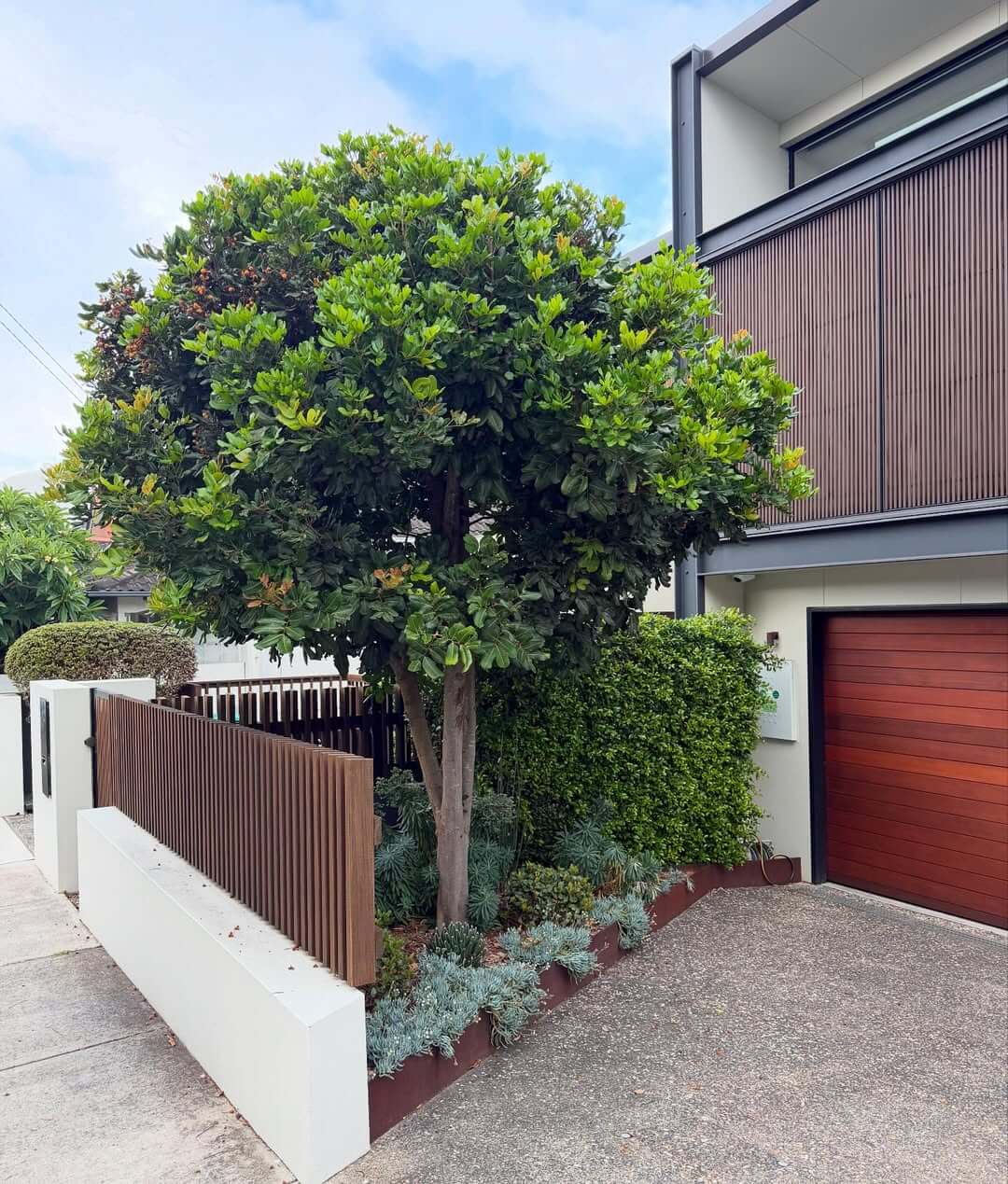
Small front yards usually look better when they are slightly underplanted instead of overcrowded.
I learned that lesson the hard way after trying to fill every empty corner with flowers.
The walkway suddenly felt tighter, and the front porch slowly started disappearing behind the plants.
The biggest improvement came from removing plants instead of adding more.
Leaving open space around walkways made the entire entrance feel wider and cleaner.
That breathing room naturally guides the eye toward the front door.
Repeating the same greenery also helps small spaces feel calmer.
When every plant changes shape and color every few feet, the yard starts feeling visually noisy.
But repeating boxwoods, ornamental grasses, or small flowering shrubs creates rhythm.
And rhythm makes the space feel far more polished.
Scale matters too.
Large shrubs planted too close to the house can overpower smaller homes quickly.
Compact plants usually work better because they frame the house instead of hiding it.
That balance is what gives smaller front yards that clean magazine-style look without making them feel crowded.
Easy Changes That Make Plants Look Professionally Styled
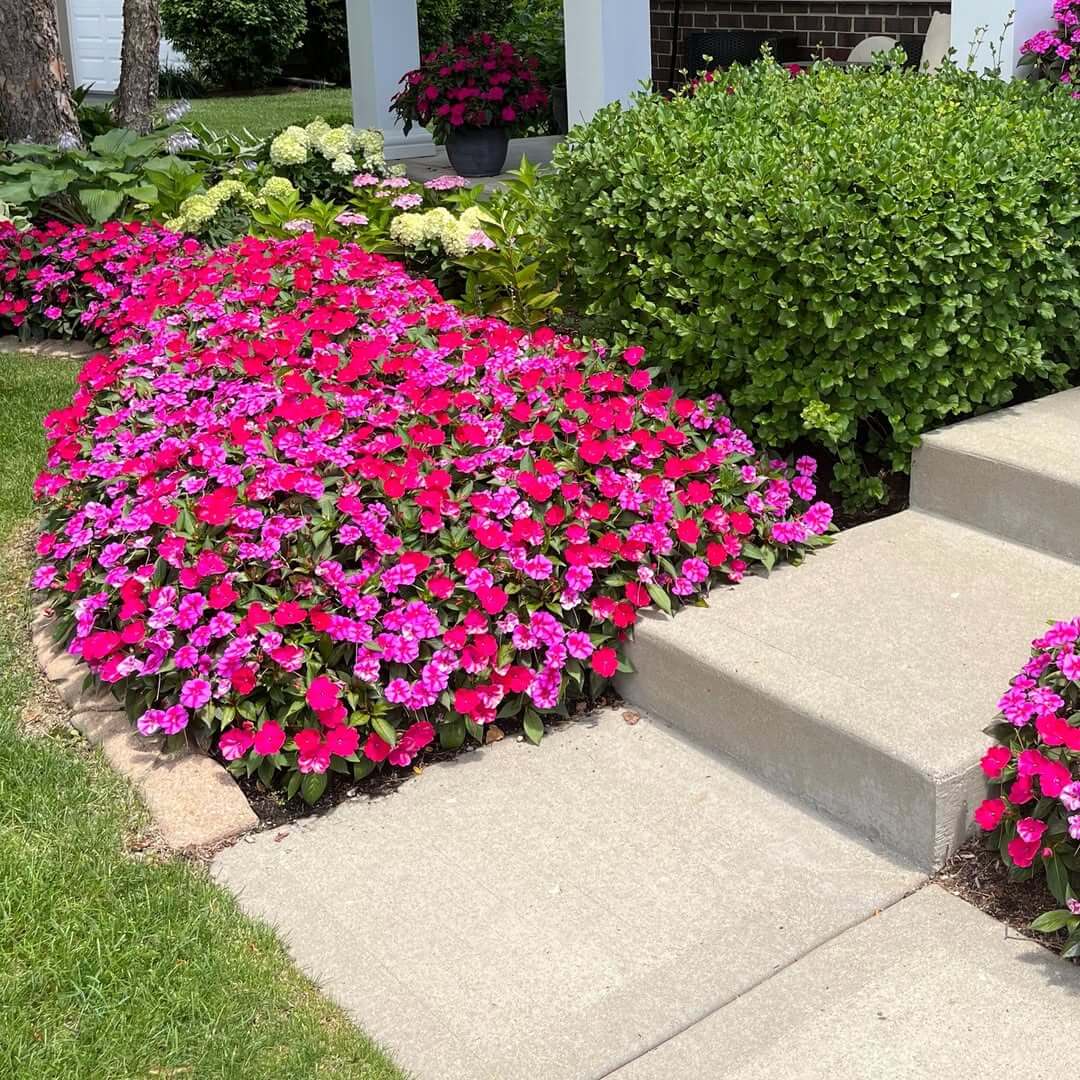
Some of the best curb appeal upgrades barely cost anything.
Matching mulch throughout the yard creates consistency immediately.
Keeping shrubs trimmed below window height helps the exterior feel brighter and more open.
Repeating the same flower color in smaller groups also makes landscaping feel more thoughtful.
One thing I always notice in expensive-looking front yards is restraint.
Nothing feels forced.
The walkway stays visible.
The plants support the house instead of distracting from it.
And honestly, maintenance plays a bigger role than people expect.
Healthy greenery almost always looks more polished than overcrowded flower beds that constantly look overgrown or uneven.
That is one reason simple front yards often age better over time.
They are easier to maintain, easier to refresh seasonally, and much easier to enjoy every day.
Final Thoughts
The front yards that feel the most expensive are rarely the ones trying the hardest.
They are the ones that feel calm, balanced, and welcoming from the moment you pull into the driveway.
A few evergreen shrubs.
Soft layers of greenery.
Plants that frame the walkway instead of swallowing it.
Enough breathing room for the house itself to shine.
Those details completely change how a home feels.
And honestly, that feeling stays with you longer than any oversized landscaping project ever could.
Because when the front yard finally feels calm, the entire home starts feeling more welcoming too.
Also read:
Front Flower Bed Ideas That Make Any House Look More Welcoming
Front Yard Trees and Plants That Instantly Boost Curb Appeal