Front Yard Trees and Plants That Instantly Boost Curb Appeal
I used to think curb appeal came from expensive landscaping.
Big flower beds. Fancy stone borders. Perfectly trimmed hedges.
The kind of front yards that look like they belong in a magazine.
But one afternoon, I walked through a neighborhood where nearly every home felt warm and welcoming before I even reached the front porch. None of the yards looked overly designed. Most were actually pretty simple.
No giant fountains.
No massive flower beds.
Just clean walkways, balanced greenery, and trees that framed the house instead of hiding it.
And strangely enough, those homes felt more expensive than the ones trying the hardest.
That completely changed how I looked at front yard landscaping.
Because most homes do not need more plants.
They need better structure.
I started noticing how certain trees softened harsh rooflines. How layered shrubs made small homes feel deeper. How a simple row of evergreen plants could make an entryway feel calmer almost instantly.
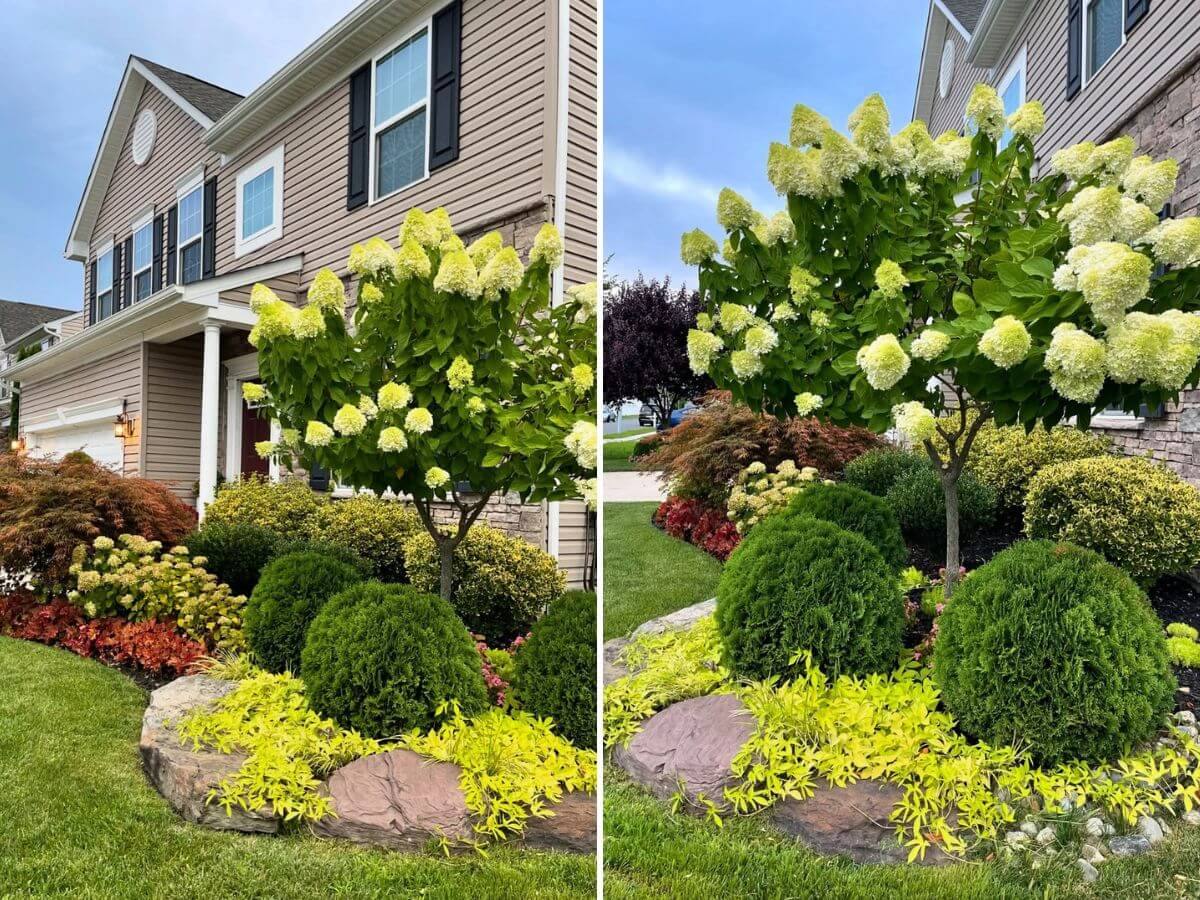
A Japanese maple near the porch suddenly made a plain exterior feel softer. Hydrangeas below front windows added fullness without making the space feel crowded. Even ornamental grasses brought movement that made the whole yard feel more relaxed.
Even smaller front yards started looking cleaner and more intentional once I stopped treating landscaping like decoration and started treating it like part of the home itself.
And honestly, that shift matters more than people realize.
Because curb appeal is not only about impressing neighbors.
It changes how your home feels every single time you pull into the driveway after a long day.
If your front yard feels empty, crowded, flat, or unfinished right now, the good news is you usually do not need a complete overhaul.
A few smart changes with the right trees and plants can completely change the feel of the space.
Why Some Front Yards Look Expensive Without Trying Too Hard
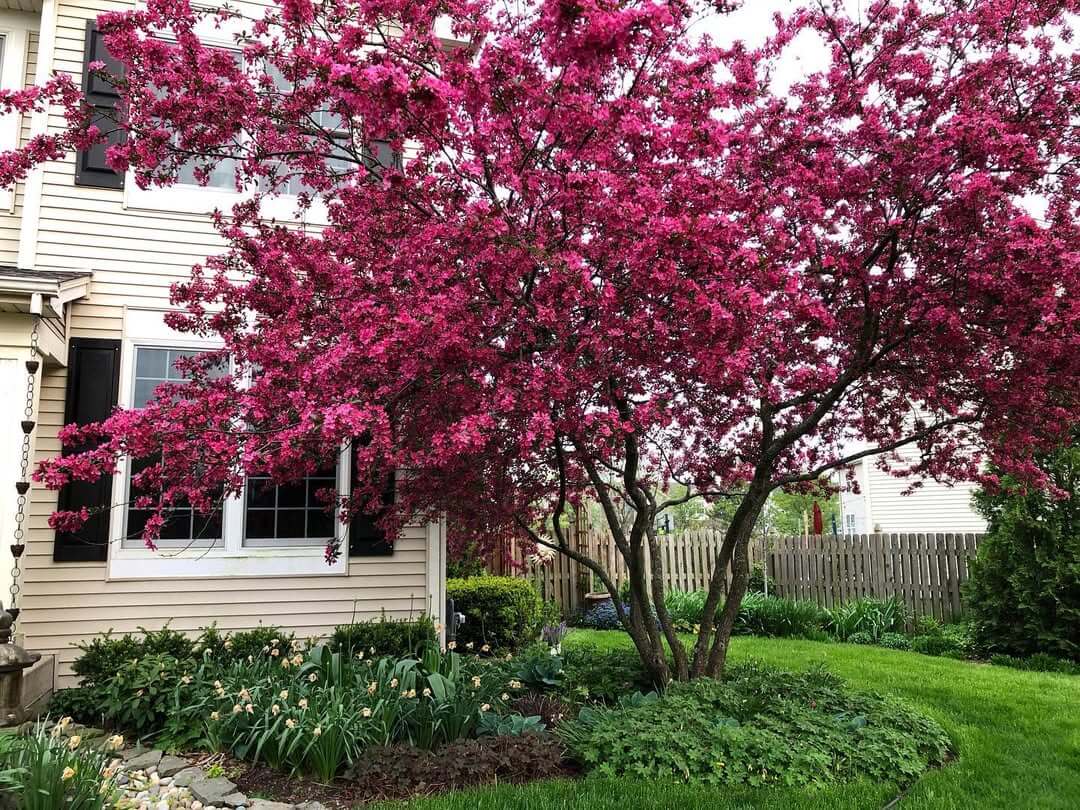
A lot of front yards feel busy because everything competes for attention at the same time.
Bright flowers. Oversized shrubs. Tiny trees squeezed into corners. Different mulch colors.
Nothing has room to breathe.
The yards that feel polished usually keep things simpler. There is a clear shape to the landscaping. Your eyes move naturally from the walkway to the porch without getting distracted every few seconds.
One thing that helped me immediately was repeating the same plant groups instead of buying one of everything at the garden center.
Three matching shrubs often look better than seven unrelated plants.
The same goes for color.
Deep greens mixed with white flowers almost always feel calmer than yards packed with strong reds, oranges, pinks, and yellows all at once.
That softer look also tends to hold up better through changing seasons and different lighting throughout the day.
And this is where the layout starts making a real difference.
Start With Trees First, Not Flowers
This surprised me the most.
Most homeowners start landscaping by buying flowers first because they add quick color.
But flowers do not shape a yard.
Trees do.
In fact, Better Homes & Gardens explains that “Trees (and larger shrubs) are the first components to consider when planning how to landscape front yards.”
Once I started thinking about trees as the framework of the yard, everything became easier.
The placement of the smaller plants finally made sense.
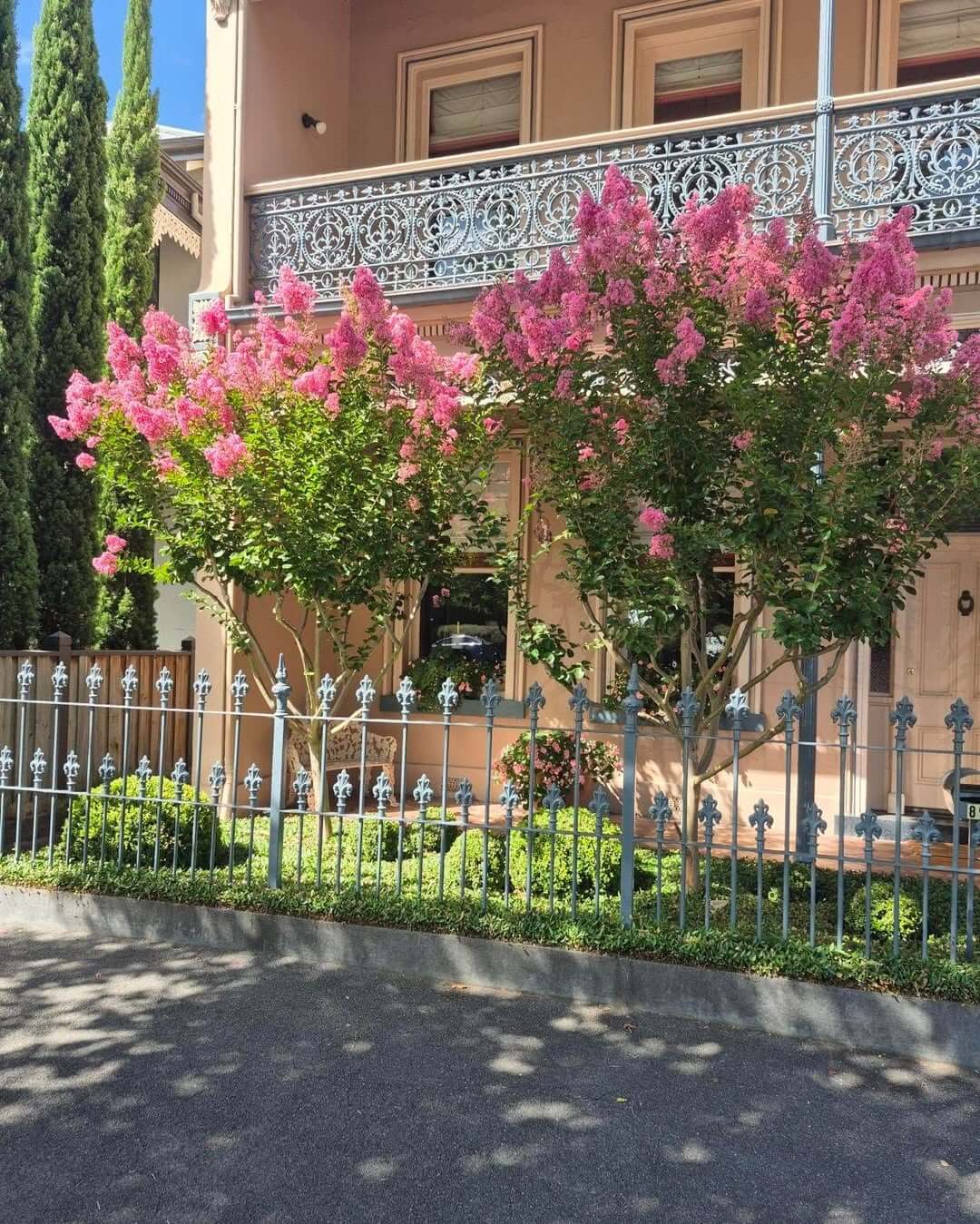
A rounded ornamental tree near the walkway can soften sharp rooflines immediately. A narrow upright tree near the garage helps balance wide front-facing homes. Even one flowering dogwood near the porch can make a builder-grade exterior feel more custom.
If your yard feels flat right now, start there.
Stand across the street from your home and look at the overall shape.
Does the house feel too wide?
Too boxy?
Too empty near the entrance?
One carefully placed tree often fixes more visual problems than an entire flower bed.
Smaller front yards benefit from this even more.
Instead of stuffing every corner with plants, pick one focal tree and allow the rest of the landscaping to support it.
That single decision keeps small spaces from feeling cluttered.
And once the tree placement feels right, layering becomes much easier.
The Biggest Mistake That Makes Front Yards Feel Unfinished
I see this everywhere now.
Every plant sits at nearly the same height.
The shrubs are level.
The flowers are level.
The yard ends up looking flat even when the plants themselves are beautiful.
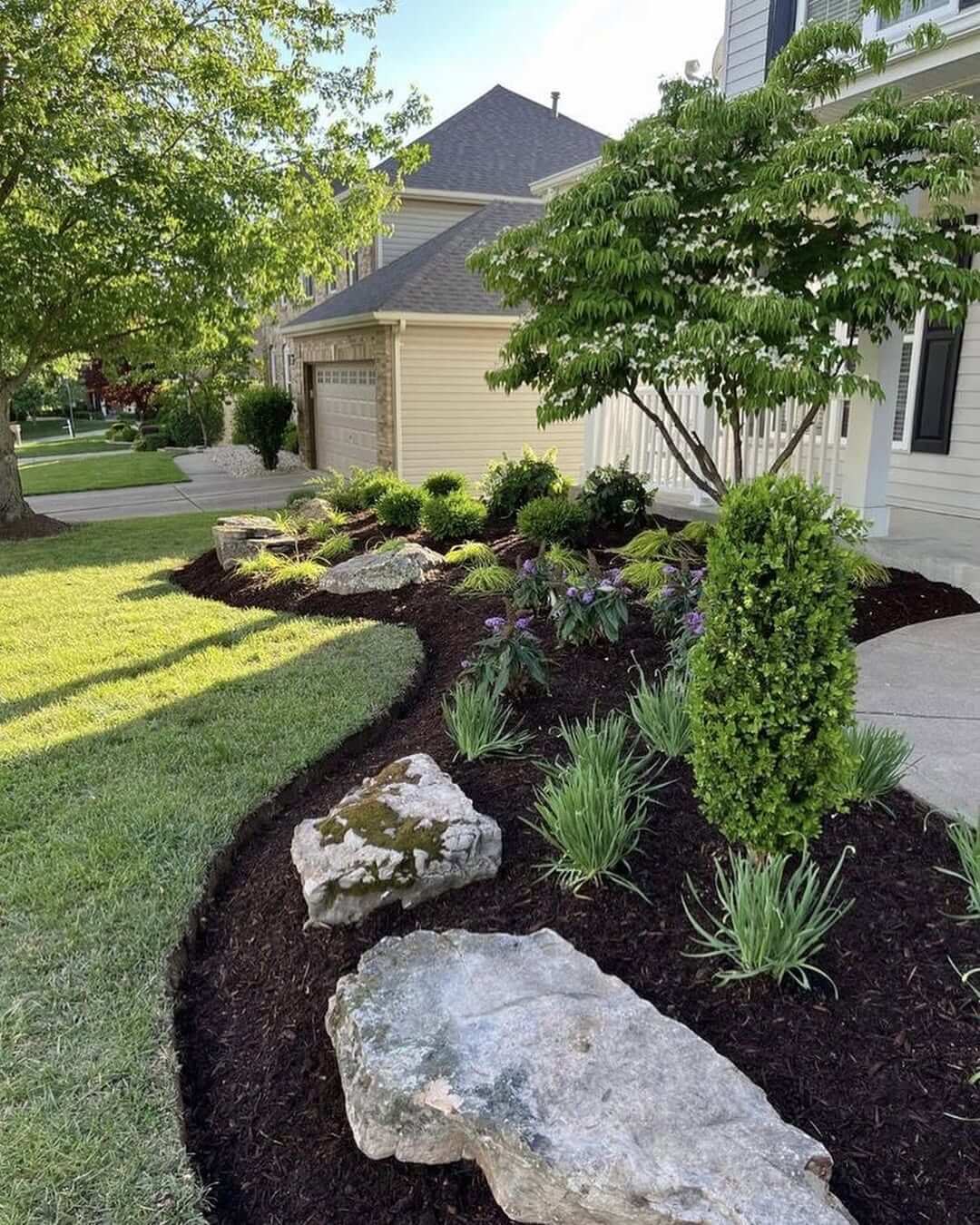
Depth is what gives landscaping that professionally planned look.
That usually comes from layering.
The Spruce puts it simply: “Grow tall shrubs and perennials towards the back of flower beds and plant low-growing ornamentals and groundcovers towards the front.”
That one idea changes almost everything.
Now whenever I plant anything near the front walkway, I think in rows.
Tallest plants toward the house.
Medium shrubs in the middle.
Lower texture plants near the edge.
The yard instantly feels deeper and more intentional.
Even if you are working with a tiny strip of soil near the foundation, layering still works.
A slim arborvitae behind smaller flowering plants creates dimension without taking up much room.
And there is another benefit people rarely talk about.
Layered landscaping photographs beautifully.
That matters more than people realize.
Homes with balanced front yards tend to feel warmer in listing photos, holiday photos, and everyday pictures shared online.
Now let’s talk about the plants that quietly hold the whole yard together.
The Plants That Keep Front Yards Looking Good Year-Round
Seasonal flowers are fun.
But they are not what make a front yard feel complete in the middle of winter.
Structure matters more.
That is why evergreen shrubs work so well.
According to Homes & Gardens, “Evergreen shrubs are the unsung heroes of any well-designed front yard.”
That line stuck with me because it is true.
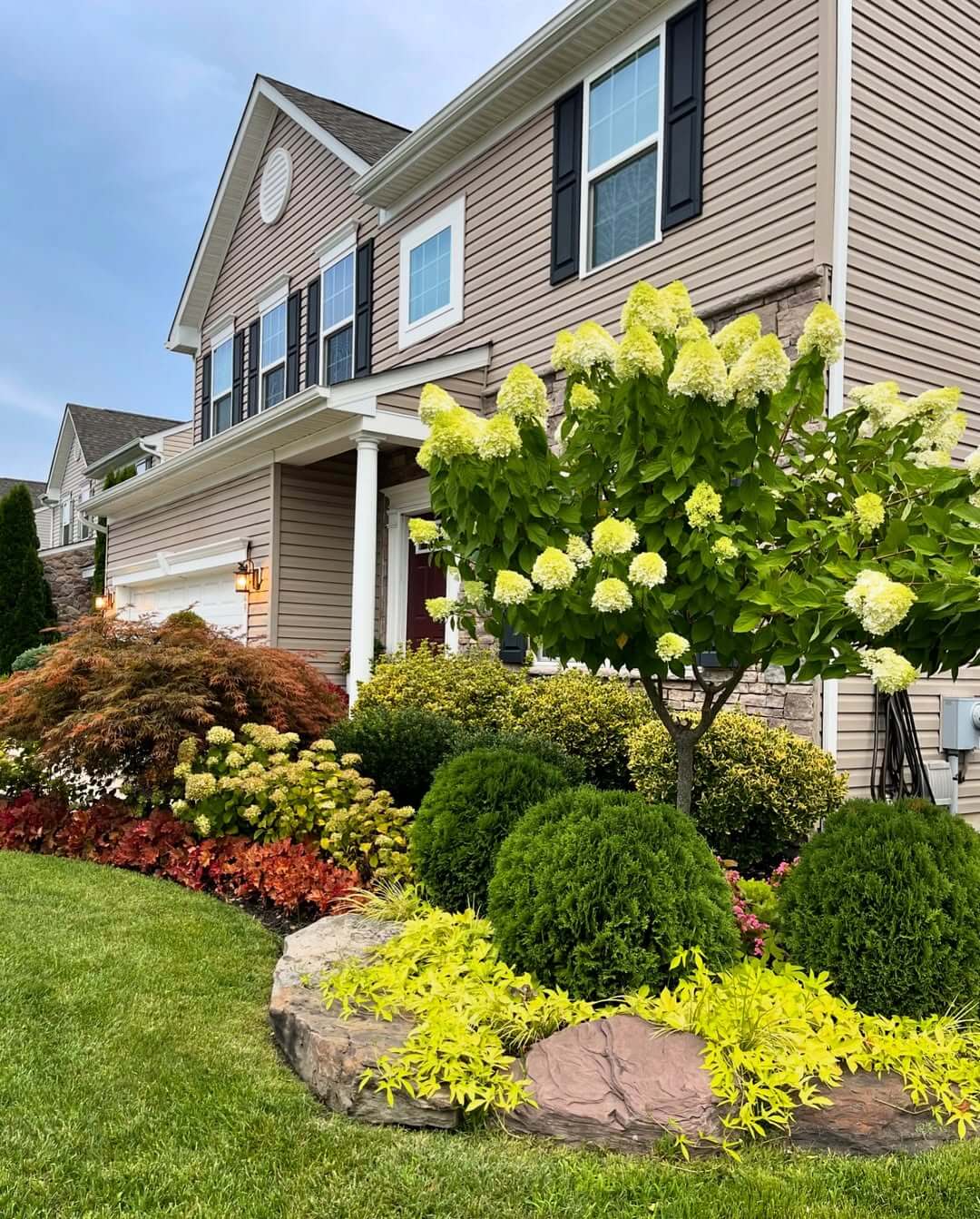
When flowers fade or trees lose leaves, evergreen shrubs still give the yard shape.
Without them, many front yards suddenly feel empty for half the year.
I learned this the hard way after planting too many seasonal flowers one spring.
By late fall, the flower beds looked patchy and the front porch suddenly felt bare.
Now I treat evergreen shrubs like anchors.
They hold the whole design together.
Soft boxwoods, compact hollies, and rounded evergreen shrubs near the walkway create that steady green backdrop that makes the rest of the yard feel calmer.
Ornamental grasses also help more than people expect.
They move with the wind, which keeps landscaping from feeling stiff.
That little bit of motion makes the yard feel alive.
Lavender near walkways can also soften the front yard while adding color and texture without overwhelming the space.
And if you want quick curb appeal without constant maintenance, repeat the same plant groups instead of planting too many flower types.
A clean row of matching shrubs almost always looks more polished than random scattered blooms.
How to Make a Small Front Yard Look Bigger
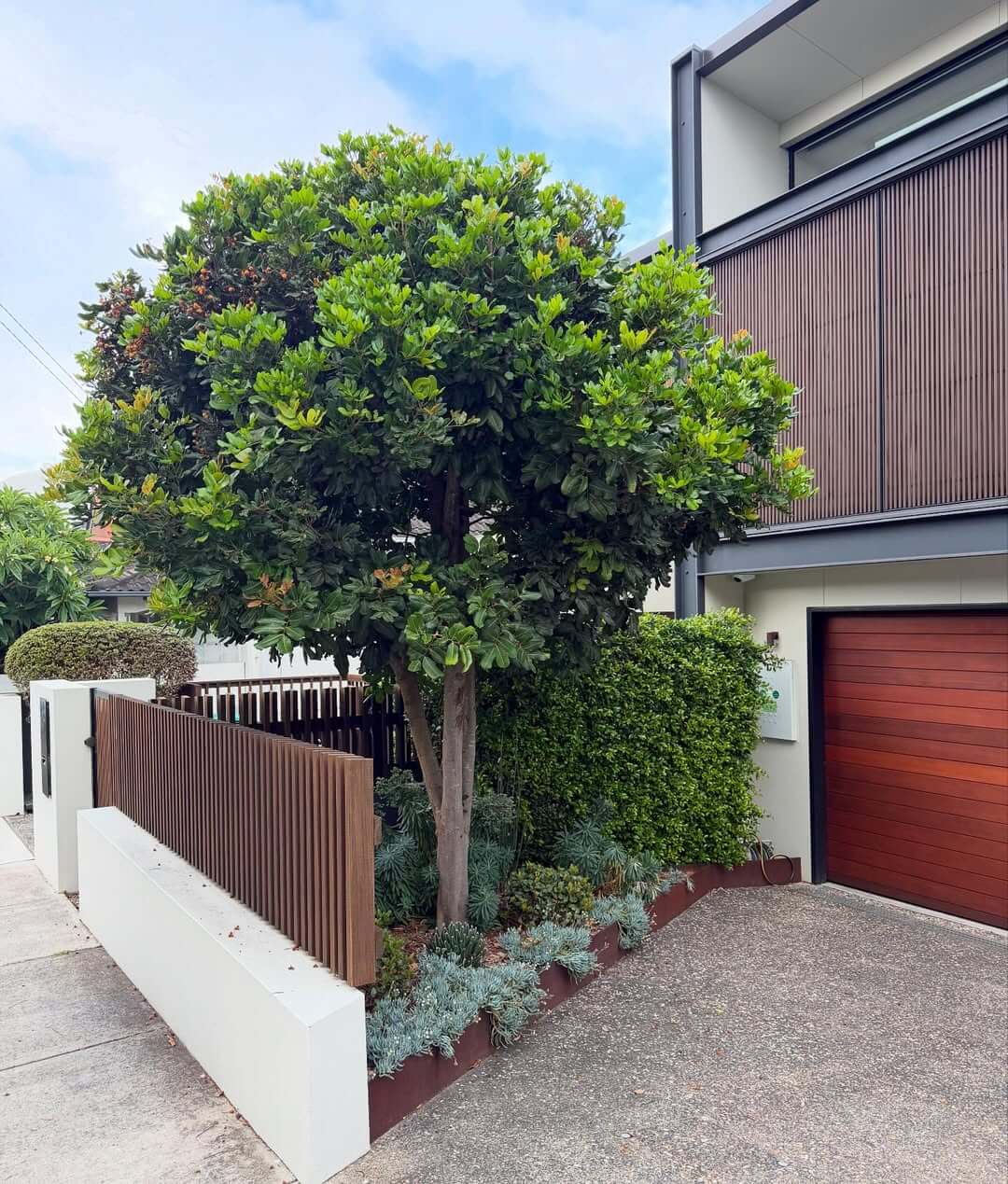
This is where restraint matters.
A small front yard packed with too many plants starts feeling crowded fast.
I used to think adding more flowers would make the space look fuller.
Instead, it made the yard feel smaller.
The biggest improvement came from removing plants.
Not adding them.
Leaving open space around walkways instantly made the yard breathe better.
That breathing room guides the eye naturally toward the entrance.
Another trick that works surprisingly well is sticking to fewer plant varieties.
When every plant shape and color changes every few feet, the yard feels visually noisy.
Repeating the same greenery creates rhythm.
That rhythm makes the space feel larger and calmer.
Small yards also benefit from softer color palettes.
Too many bright flowers can overpower the front of the home.
Deep green foliage mixed with white blooms usually feels cleaner and more timeless.
And if your walkway feels narrow right now, check whether shrubs are leaning into the path.
Trimming plants back a few inches can completely change how spacious the entry feels.
A small adjustment like that can make the entire front yard feel more open.
Easy Changes That Make Landscaping Look Professionally Planned
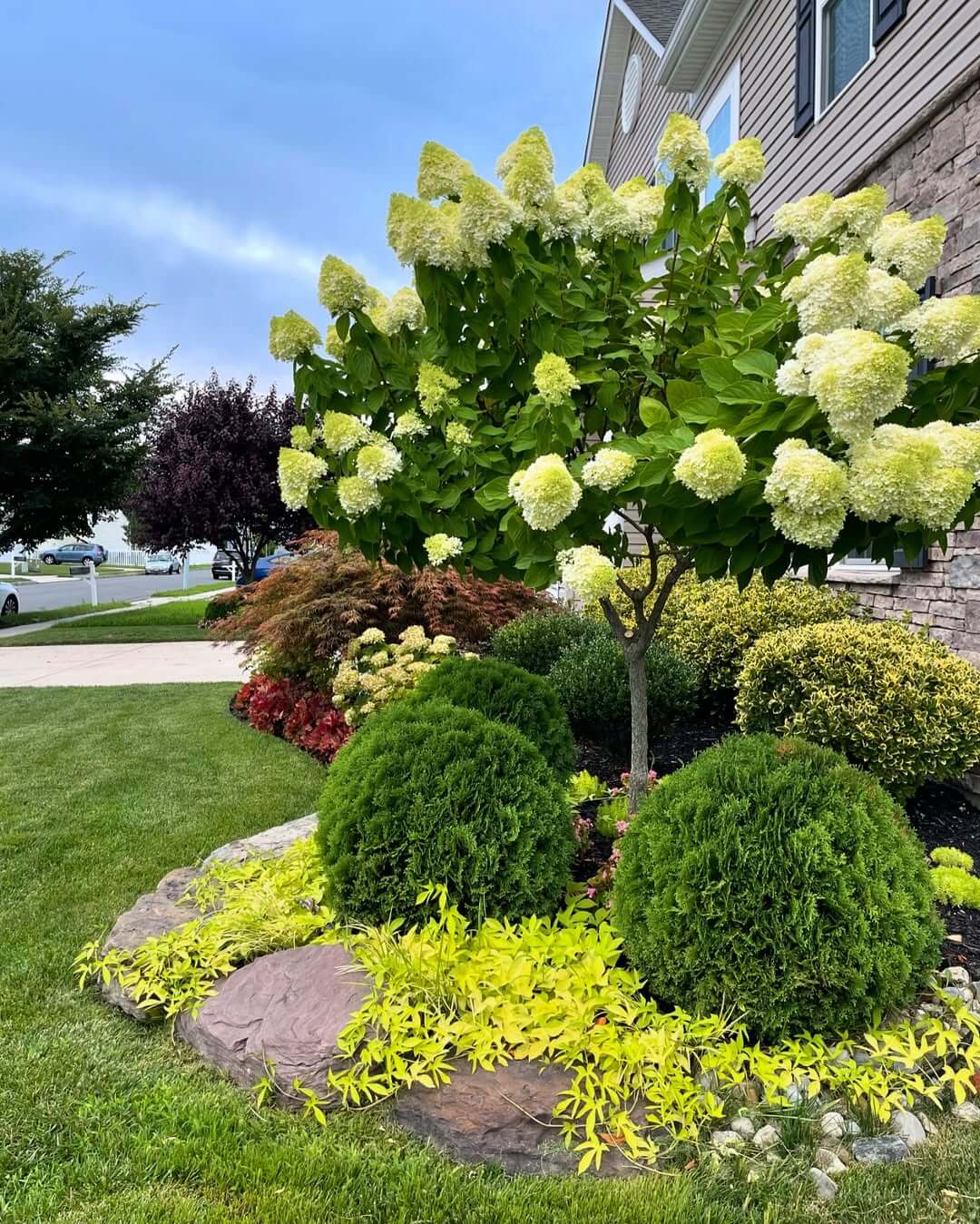
Some of the best curb appeal upgrades cost very little.
Matching mulch throughout the yard creates instant consistency.
Curved planting lines soften harsh edges near sidewalks and driveways.
Keeping shrubs below window height helps homes feel brighter from both inside and outside.
One thing I always notice in polished front yards is repetition.
The same shrub appears more than once.
The same flower color repeats in smaller groups.
Nothing feels random.
You can also frame the walkway naturally instead of lining it with stiff rows of identical flowers.
A few slightly fuller plants near the start of the path can make the entrance feel warmer without looking overly designed.
And honestly, maintenance plays a bigger role in curb appeal than people admit.
A simple yard that looks clean usually feels more inviting than an overcrowded yard that constantly looks overgrown.
That balance is what people respond to first.
Final Thoughts
The front yards that stay memorable are rarely the loudest ones.
They are the yards that feel welcoming before anyone reaches the front door.
A well-placed tree.
Layered greenery.
A calm color palette.
Enough breathing room for the house to shine.
Those details change the feeling of a home fast.
And the best part is you do not need a massive budget to get there.
A few thoughtful choices usually matter far more than filling every inch with plants.
Once the structure feels right, the whole yard starts working together.
You stop noticing individual plants and start noticing how calm the whole home feels.
That is usually the moment a front yard finally starts feeling complete.
Also read:
Best Small Trees for Front Yard Landscaping Without Messy Roots