Japandi Dining Room Ideas That Feel Calm, Clean, and Livable
I didn’t expect a dining room to change how a home feels.
But the first time I walked into a Japandi-style space, I noticed something immediately. It felt quiet. Not empty, not cold. Just calm in a way that made you want to sit down and stay a little longer.
And if you’ve ever looked around your own dining space and felt like something was off, you’re not alone.
Most dining rooms try to do too much. Too many colors, too many pieces, too much competing for attention. It looks fine at first, but it rarely feels peaceful when you actually sit in it.
That’s the difference.
Japandi takes a different approach. It removes the noise so the space finally feels easy to be in.
In fact, as Apartment Therapy puts it, “The result is a serene, curated, and highly livable look that prioritizes both beauty and function.”
That balance is what makes this style work so well in real homes.
Here’s how to create a Japandi dining room that feels calm, looks clean, and still works for everyday life.
What Japandi Really Means (Beyond the Aesthetic)
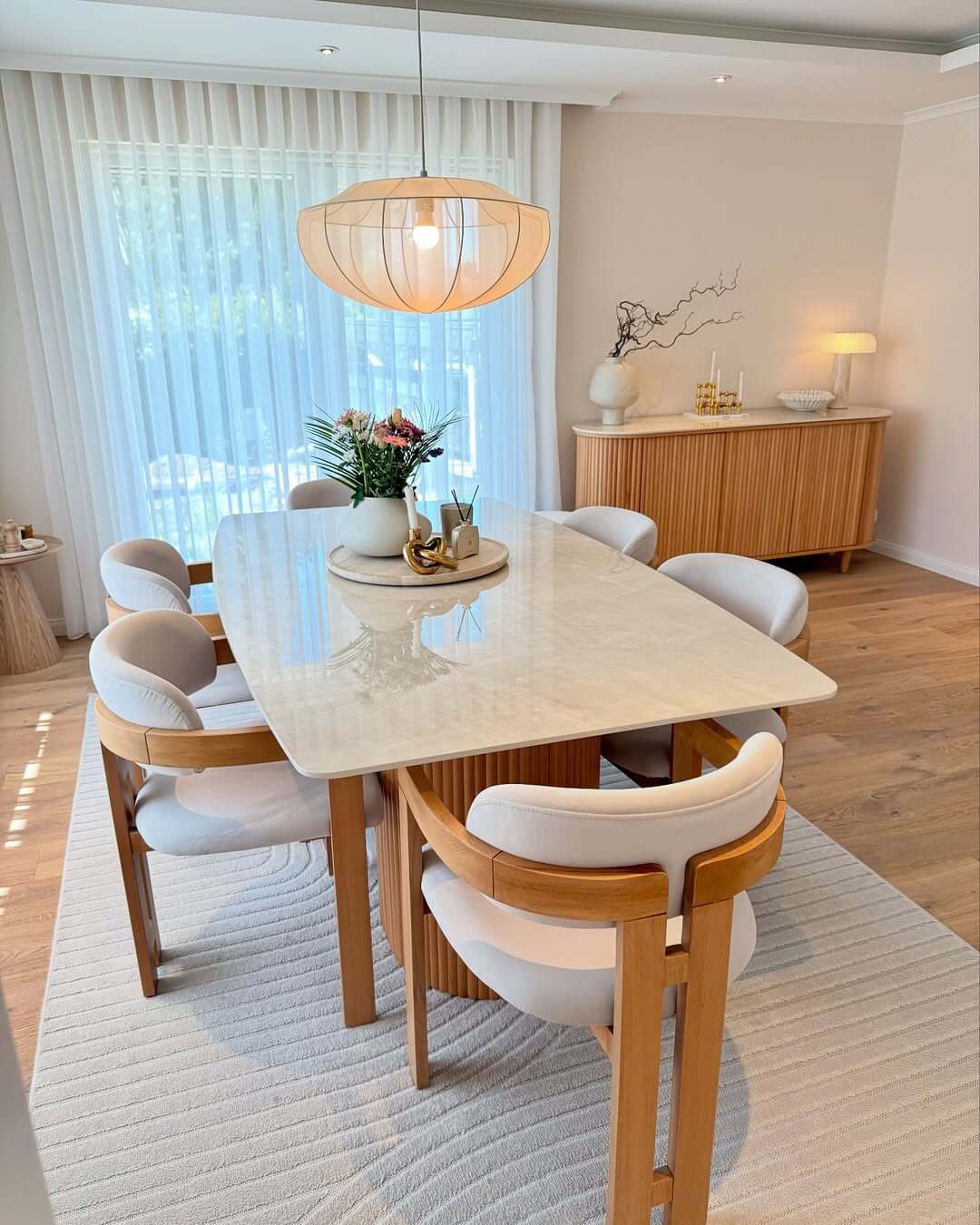
At a glance, Japandi looks minimal.
But it’s not about having less just for the sake of it. It’s about keeping what matters and removing what doesn’t.
The style blends the simplicity of Japanese interiors with the warmth of Scandinavian spaces.
According to The Spruce, “Japandi design combines light, bright, and functional aspects of Scandinavian design with warm, sophisticated elements of Japanese design. As a result, Japandi is minimalist, earthy, and organic.”
Minimal does not mean empty. It means intentional.
Once you see it that way, the whole approach becomes easier to apply.
Start With Less Than You Think You Need
Most people start by adding.
Japandi starts by removing.
Look around your dining space. What feels unnecessary? What’s just there out of habit?
Try this. Remove a few visible items and step back.
When I did this, the room instantly felt lighter without adding anything new.
That’s the foundation you build on.
Choose Pieces That Feel Calm, Not Just Minimal
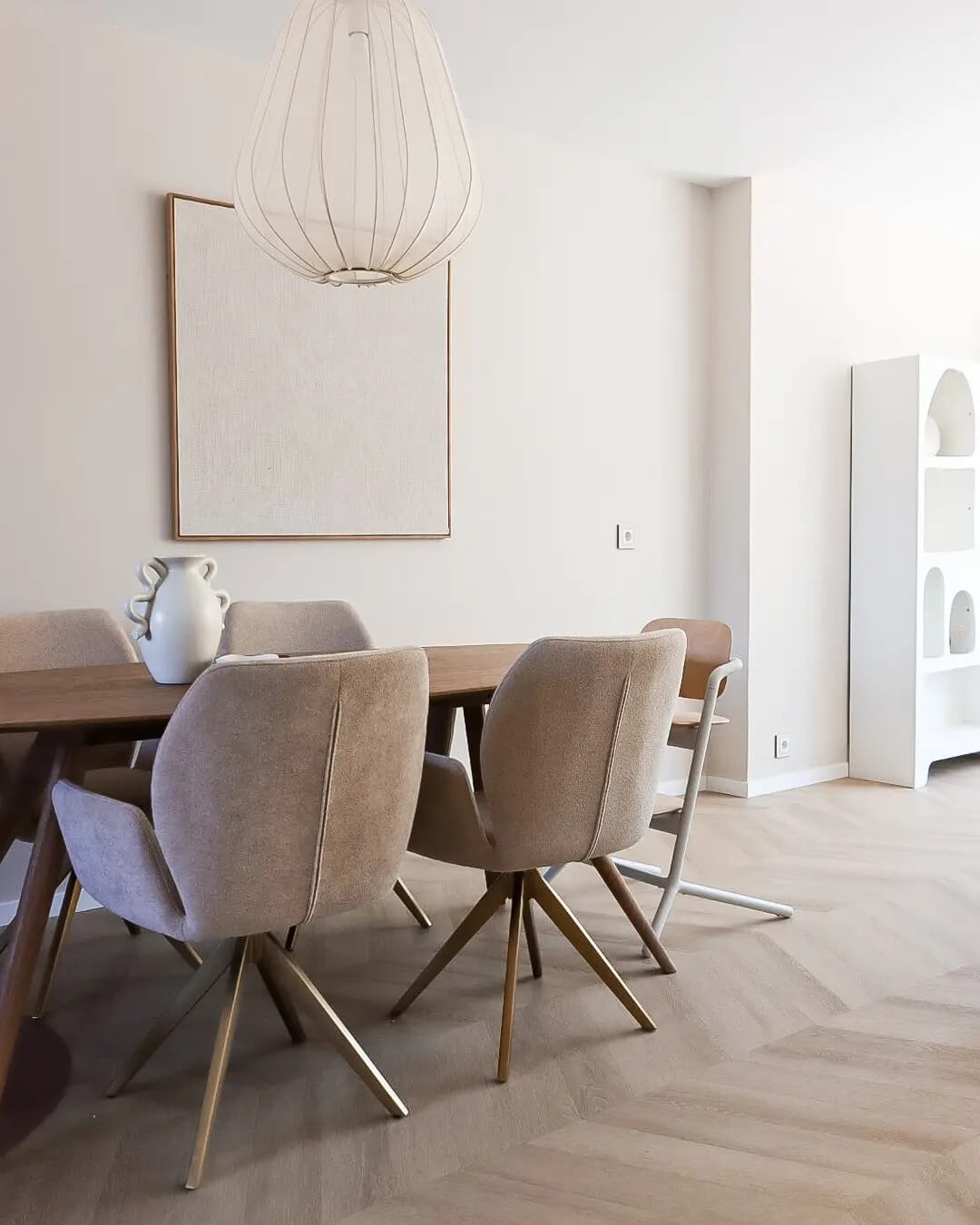
Minimal spaces can feel cold if you’re not careful.
Japandi avoids that by focusing on how things feel.
Look for softer edges, natural finishes, and materials that don’t reflect too much light.
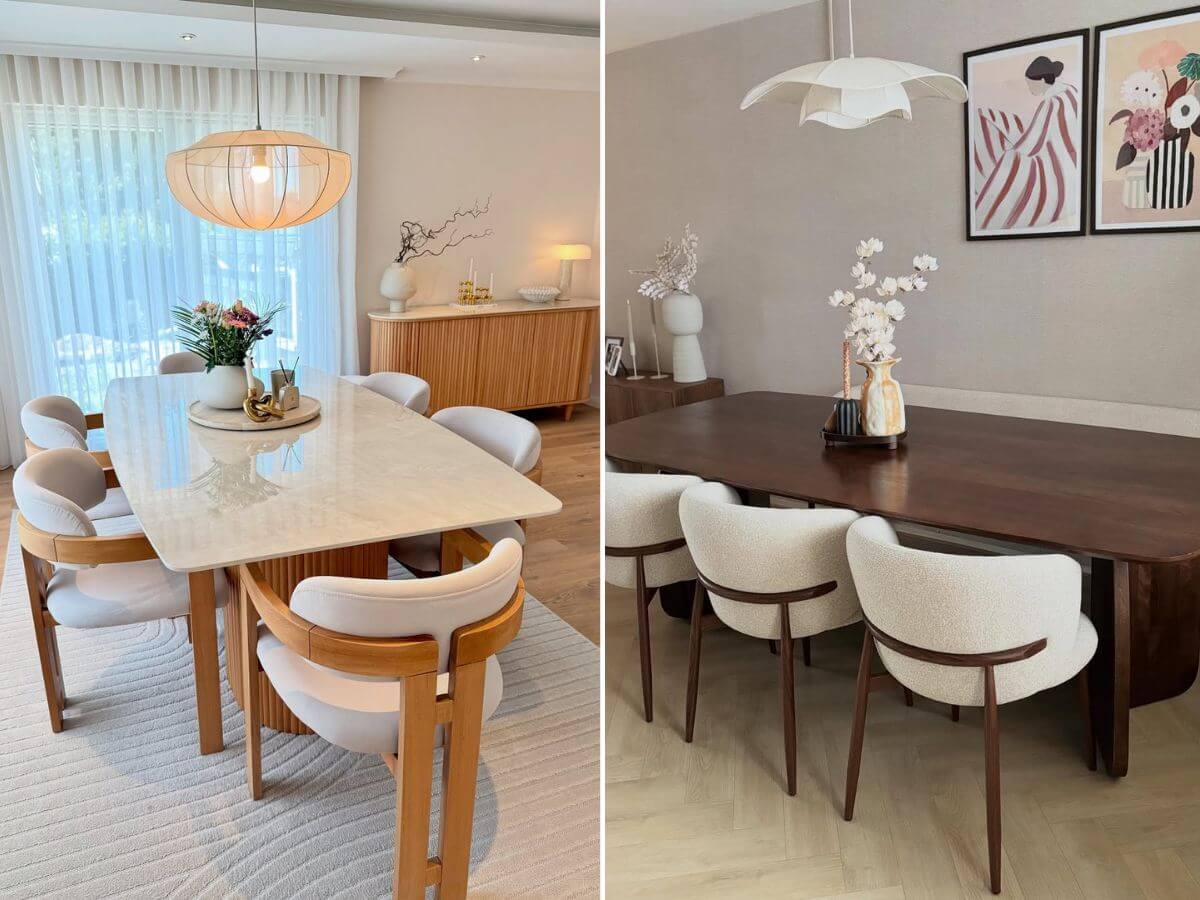
I swapped a glossy table for a softer wood finish once. Same setup, completely different mood.
That’s the kind of shift you’re aiming for.
Focus on Natural Materials That Age Well
Natural materials do most of the work here.
Wood, linen, ceramic, stone. These add texture without clutter.
According to Better Homes & Gardens, “Japanese design is grounded in simplicity and a connection to nature. It features clean lines, rough-hewn textures, a neutral color palette, natural materials, and minimal styling.”
That connection to nature softens the space in a way nothing else does.
Even one natural element can shift the entire room.
Keep the Color Palette Quiet and Grounded
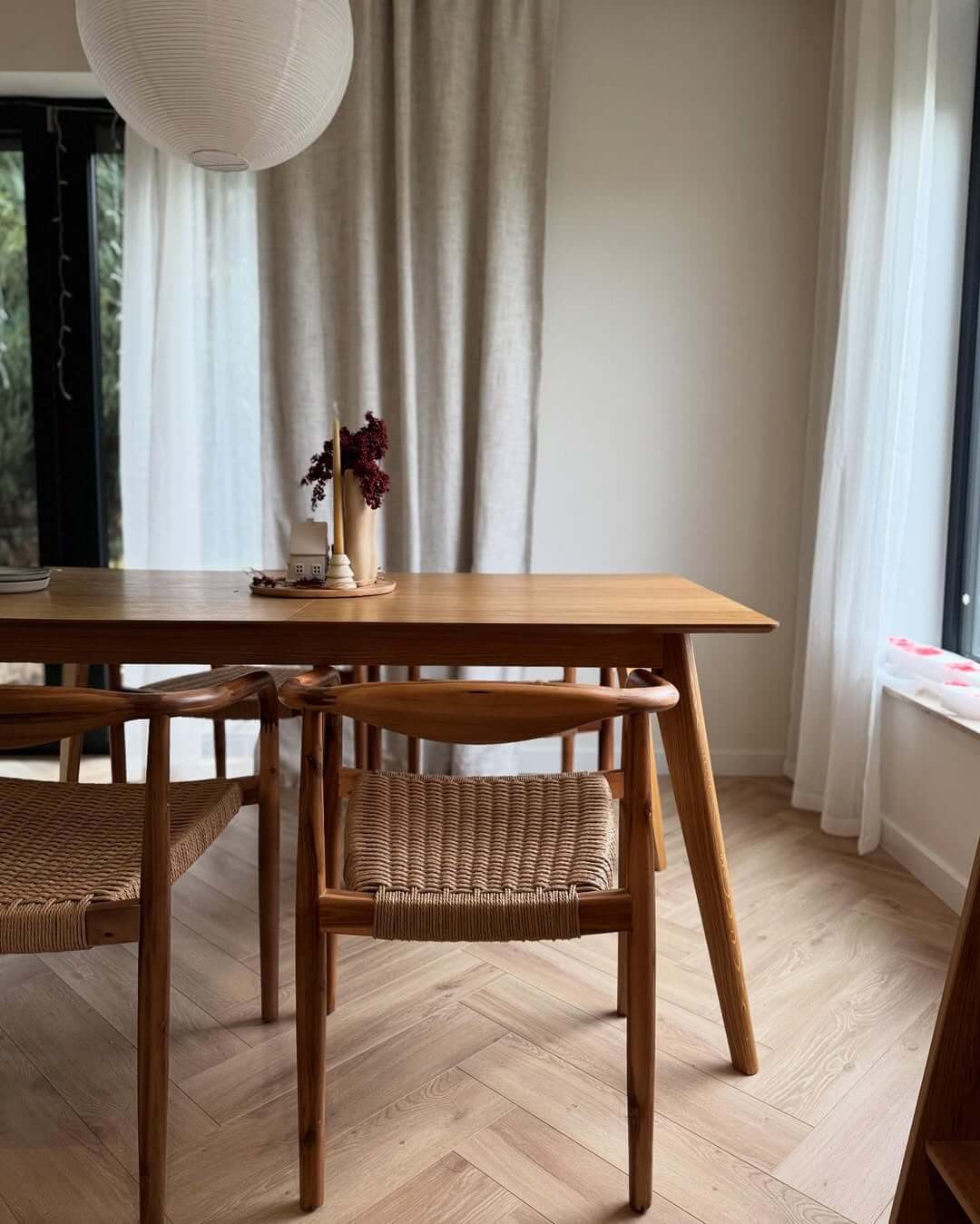
Color can either calm a space or make it feel busy.
Here’s a quick check. Look around your dining room. How many colors stand out right away?
If it feels scattered, simplify.
Japandi works best with neutrals, soft earth tones, and muted contrasts.
When I reduced my palette, the room felt more connected without changing anything major.
Let Function Lead Every Decision
This is what keeps the space livable.
Every piece should have a reason to be there.
Not just visual, but practical.
A chair should feel comfortable for a full meal. A table should feel easy to use.
If something looks good but gets in the way, it doesn’t belong.
Lighting Should Feel Soft and Intentional
Lighting can change the entire feel of the room.
Too bright, and it feels harsh. Too cold, and it loses warmth.
The goal is soft, even lighting that supports the calm mood.
Try this tonight. Turn off your overhead light and switch to something softer.
If you want more ideas on this, check out Dining Room Lighting Ideas That Set the Perfect Mood.
Once you notice the difference, adjusting the rest becomes easier.
Make It Comfortable Enough for Daily Use
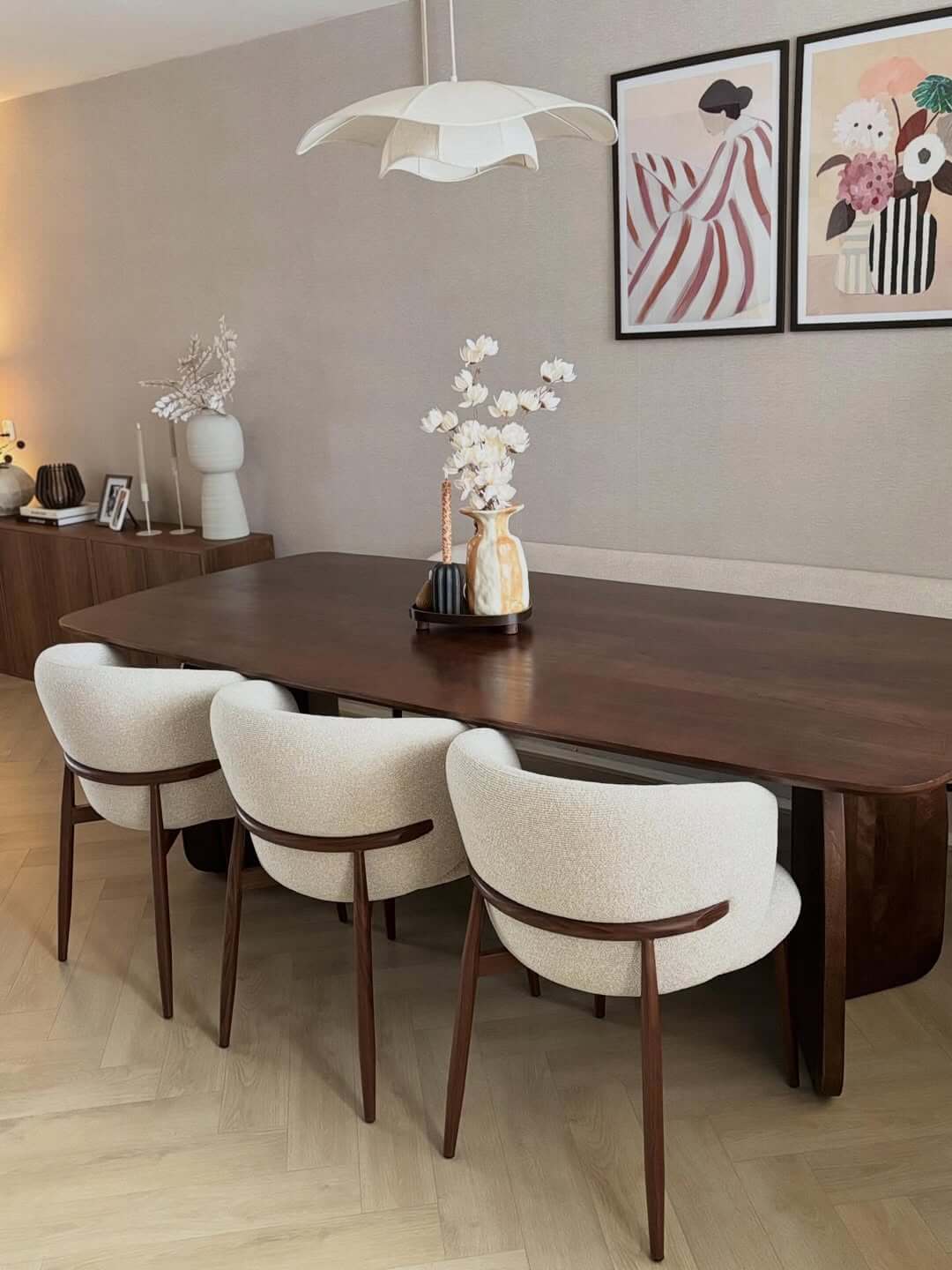
A calm space only works if you use it.
Japandi is not about perfection. It’s about ease.
Comfortable seating, good spacing, and a layout that fits your routine matter more than anything else.
If it feels too strict, it won’t last.
Add Personality Without Clutter
You don’t need much to make the space feel yours.
One or two meaningful pieces are enough.
If something doesn’t add to the mood, it doesn’t stay.
That’s how you keep the space clean without making it feel empty.
How to Make a Small Dining Room Feel Japandi
Small spaces actually make this easier.
There’s less to manage, which means less clutter.
Focus on fewer pieces, better spacing, and clean lines.
Let the room breathe.
Common Mistakes That Break the Japandi Feel
- Too many decor pieces
- Mixing too many styles
- Ignoring comfort
- Adding items with no purpose
When in doubt, remove something first.
Putting It All Together Without Overthinking It
Start by clearing the space.
Choose calm, functional pieces.
Add natural materials.
Keep colors simple.
Adjust the lighting.
Add one personal touch.
That’s enough.
Why Japandi Feels So Good to Live In
This style works because it removes friction.
Less clutter. Less distraction. More space to slow down and actually enjoy the moment.
And over time, that changes how the room feels. It becomes a place you use without thinking about it. A place that feels easy to sit in, not something you have to maintain.
Before you change anything, pause for a second.
Would this make the room feel calmer or busier?
If you had to change just one thing in your dining room today, what would it be?
Also read:
Luxury Dining Room Ideas That Feel Elegant but Still Livable