Kitchen Lighting Ideas That Fix Why Your Kitchen Feels Off
I used to think my kitchen just needed better organization.
I cleaned the counters. Rearranged things. Even added a few new pieces.
It looked better.
But it still didn’t feel right.
Some areas felt too dark. Others felt too harsh. And cooking at night always felt slightly uncomfortable, even though nothing seemed obviously wrong.
I couldn’t figure out why a kitchen that looked clean and put together still felt so off.
If your kitchen feels like that, you’re not imagining it.
That feeling usually has nothing to do with your layout or decor.
It comes down to how your lighting is working.
Once I fixed that, the entire space felt different.
It became easier to cook, easier to move around, and far more comfortable to spend time in.
Here’s what made the difference, and what you can try today to fix it in your own kitchen.
Why Your Kitchen Feels “Off” Even When It Looks Fine
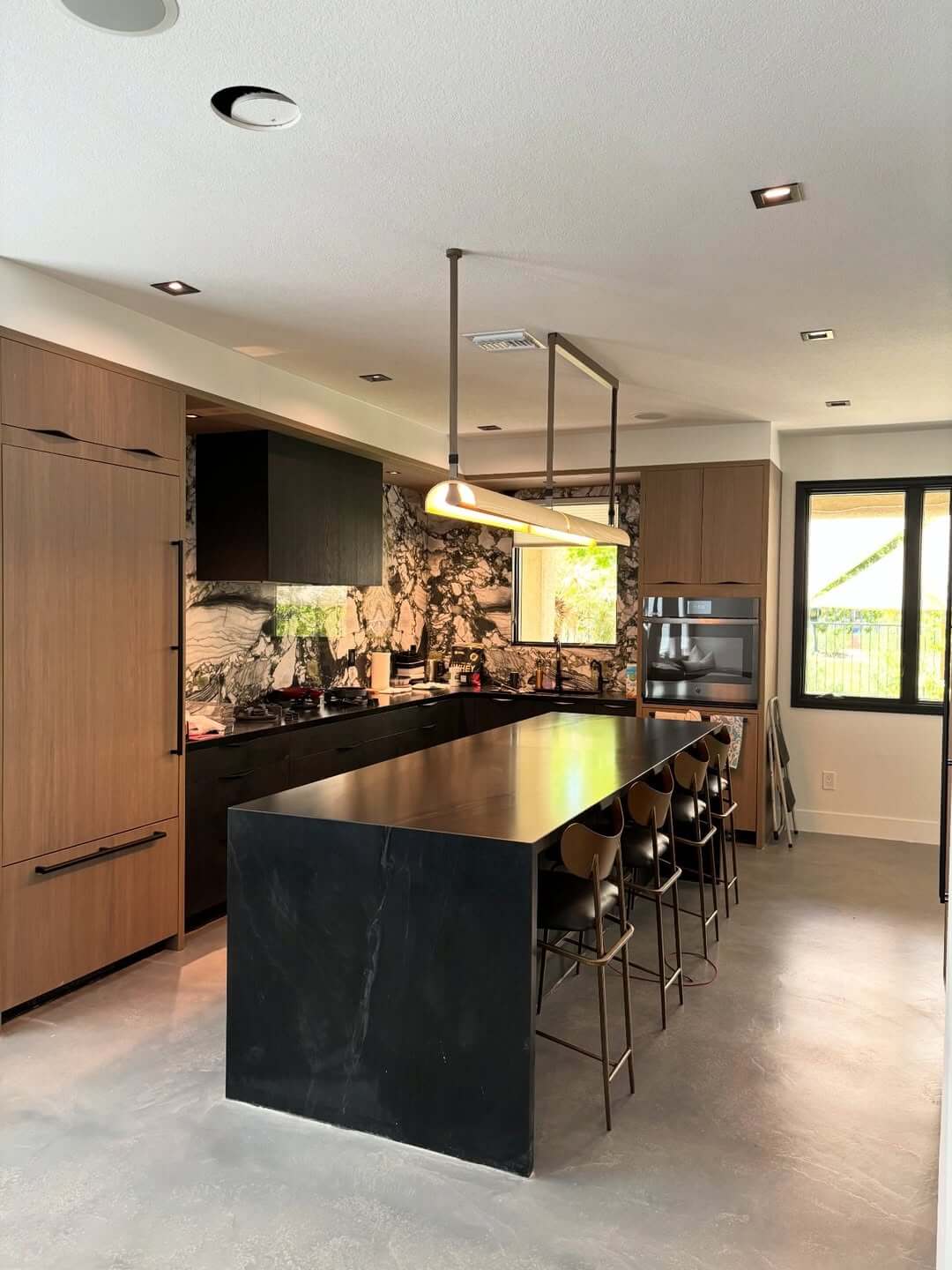
A kitchen can look clean and still feel wrong.
That usually comes down to how light is working in the space.
Too much light in one area. Not enough in another. Shadows where you don’t expect them.
I had all three at once.
At first, I thought I needed brighter bulbs.
But that only made things harsher.
That’s when I realized something important.
It’s not about having more light.
It’s about having the right light in the right places.
And that starts with how you actually use your kitchen.
Start With Function, Not Fixtures
Before thinking about what lights to buy, look at how you move through your kitchen.
Where do you prep? Where do you cook? Where do you clean?
That’s where your lighting should work best.
When I paid attention to this, I noticed my prep area was always slightly dim.
I was relying on overhead lighting that sat behind me, which created shadows.
That’s a common problem.
As Zephyr and Stone explain, “task lighting focuses on specific areas where detailed work is performed, such as countertops, stove areas, and sinks.”
That’s exactly what I was missing.
Try this today.
Stand in your kitchen and go through your normal routine.
Notice where your hands fall into shadow.
That’s where lighting needs to change.
Fix Shadows First (This Changes Everything)
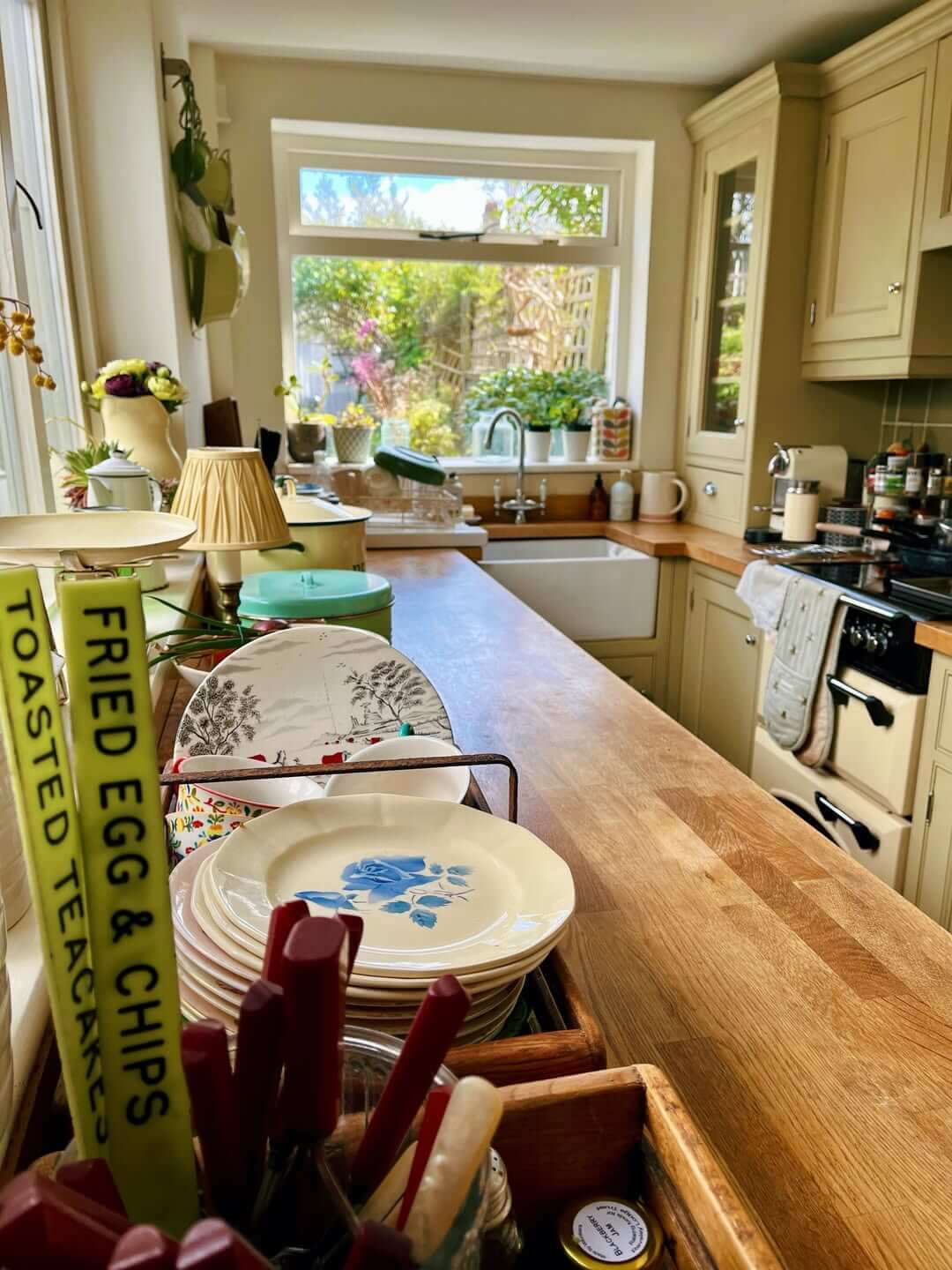
Shadows are the biggest hidden issue in most kitchens.
I didn’t even realize how much they were affecting me until I fixed them.
The problem usually comes from one thing.
Your main light is behind you.
So when you lean forward to prep or cook, your body blocks the light.
The fix is simple.
Bring light in front of you.
Under-cabinet lighting works well.
Even a small additional light source can change everything.
Once I did this, tasks that felt frustrating became easy again.
And once shadows are gone, the next issue becomes clear.
Use Layered Lighting Instead of One Bright Source
I used to rely on one main light in the center of the kitchen.
It made everything bright, but also flat.
There was no depth. No balance.
And in some spots, it made things worse.
As Architectural Digest India notes, “a single source of light may result in shadows and dark patches within the kitchen.”
That explained exactly what I was seeing.
So I stopped relying on one source.
Instead, I added layers.
A main light for overall visibility.
A softer light for certain areas.
A focused light for work zones.
You don’t need a full setup to start.
Just add one extra light where it matters most.
Choose the Right Light Tone (Warm vs Cool)
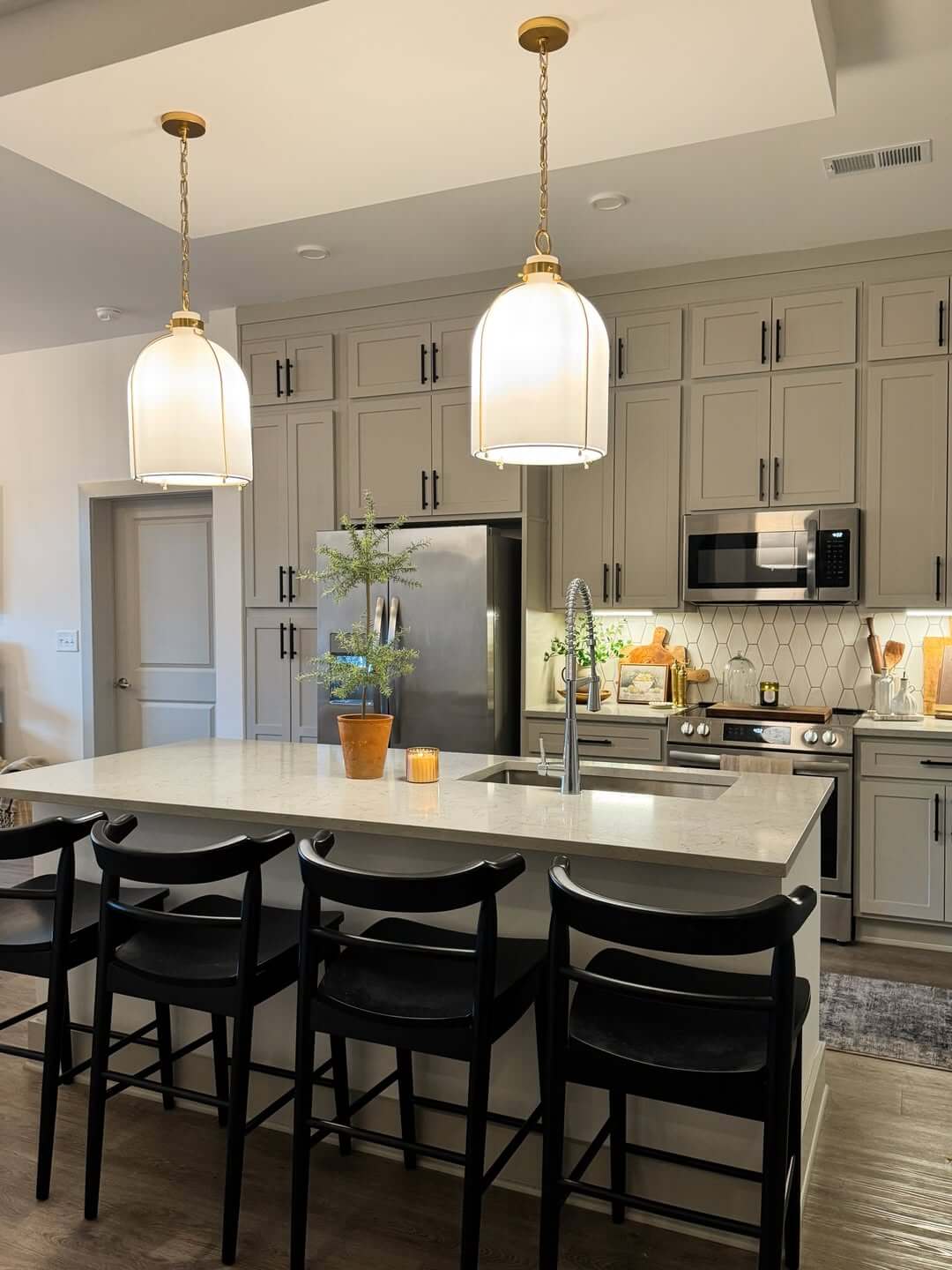
This is something I completely overlooked at first.
I had bright lights, but they felt cold.
The kitchen looked sharp, but not comfortable.
That’s when I started paying attention to light tone.
According to Crompton, “warm light creates a cosy, relaxing atmosphere, while cool light offers crisp brightness ideal for focus and clarity.”
That helped me rethink everything.
I didn’t need the same type of light everywhere.
Warmer tones made the space feel more inviting.
Slightly cooler tones worked better where I needed clarity.
Try this: Swap one bulb in your kitchen and notice how it feels at night.
Make Your Kitchen Feel Brighter Without Adding More Light
At one point, I thought I just needed more lights.
But adding more didn’t fix the problem.
It made things brighter, not better.
What worked instead was improving how light moved through the space.
Clearing visual clutter helped.
So did placing lights where they could spread more evenly.
Before adding anything new, try adjusting what you already have.
Use Lighting to Create Zones in Your Kitchen
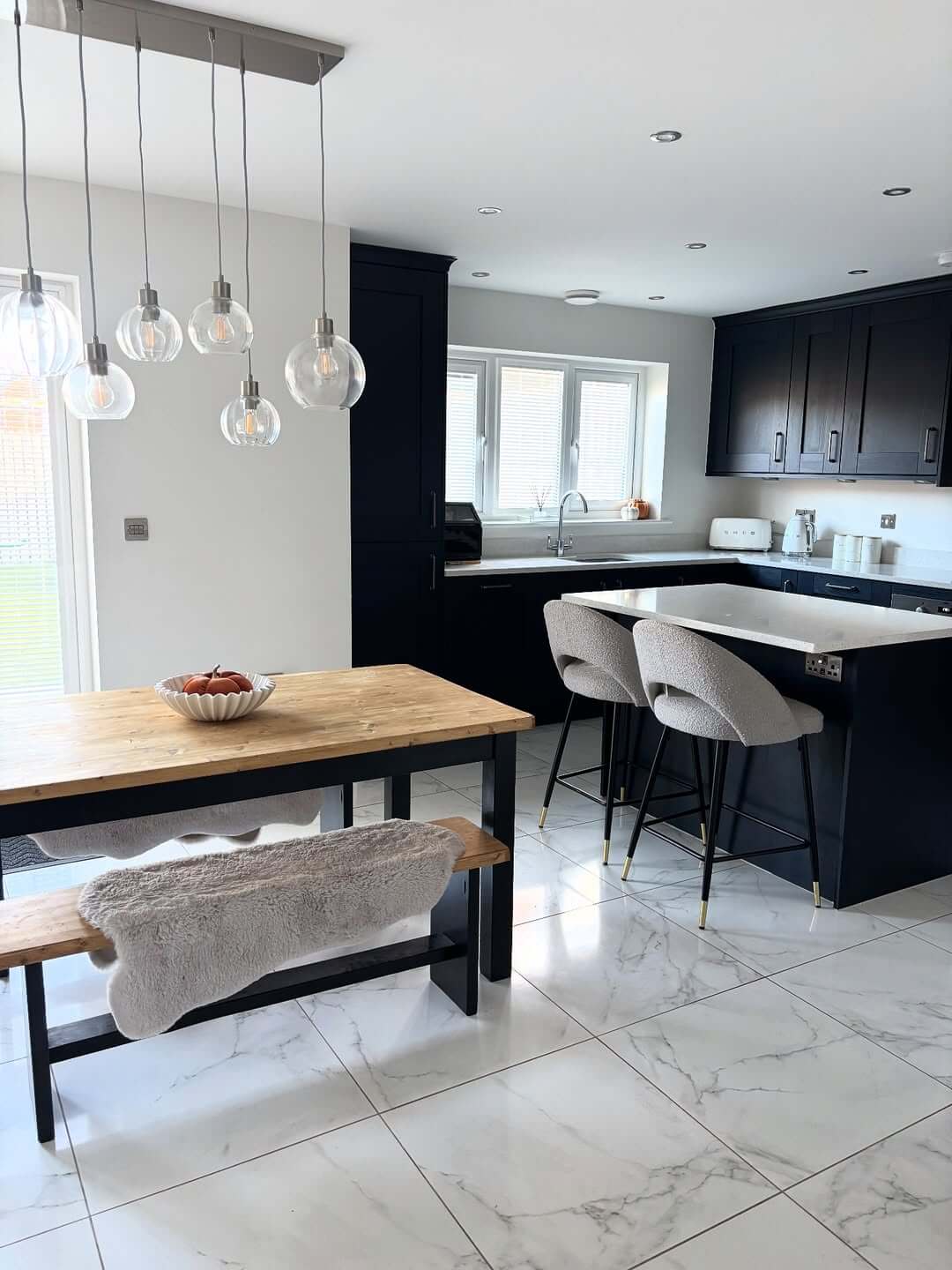
Once lighting starts working properly, you can take it a step further.
You can use it to define areas.
Brighter light for prep.
Softer light for dining or sitting.
This made my kitchen feel more organized without changing anything physically.
You don’t need a big setup.
Just vary the intensity slightly between areas.
Small Kitchens: Lighting Mistakes That Make Them Feel Worse
Smaller kitchens can feel off even faster.
Too much harsh light makes them feel cramped.
Poor placement creates dark corners.
The biggest improvement comes from even lighting.
No overly bright spots.
No hidden dark areas.
Just balance.
Small Changes That Make the Biggest Difference
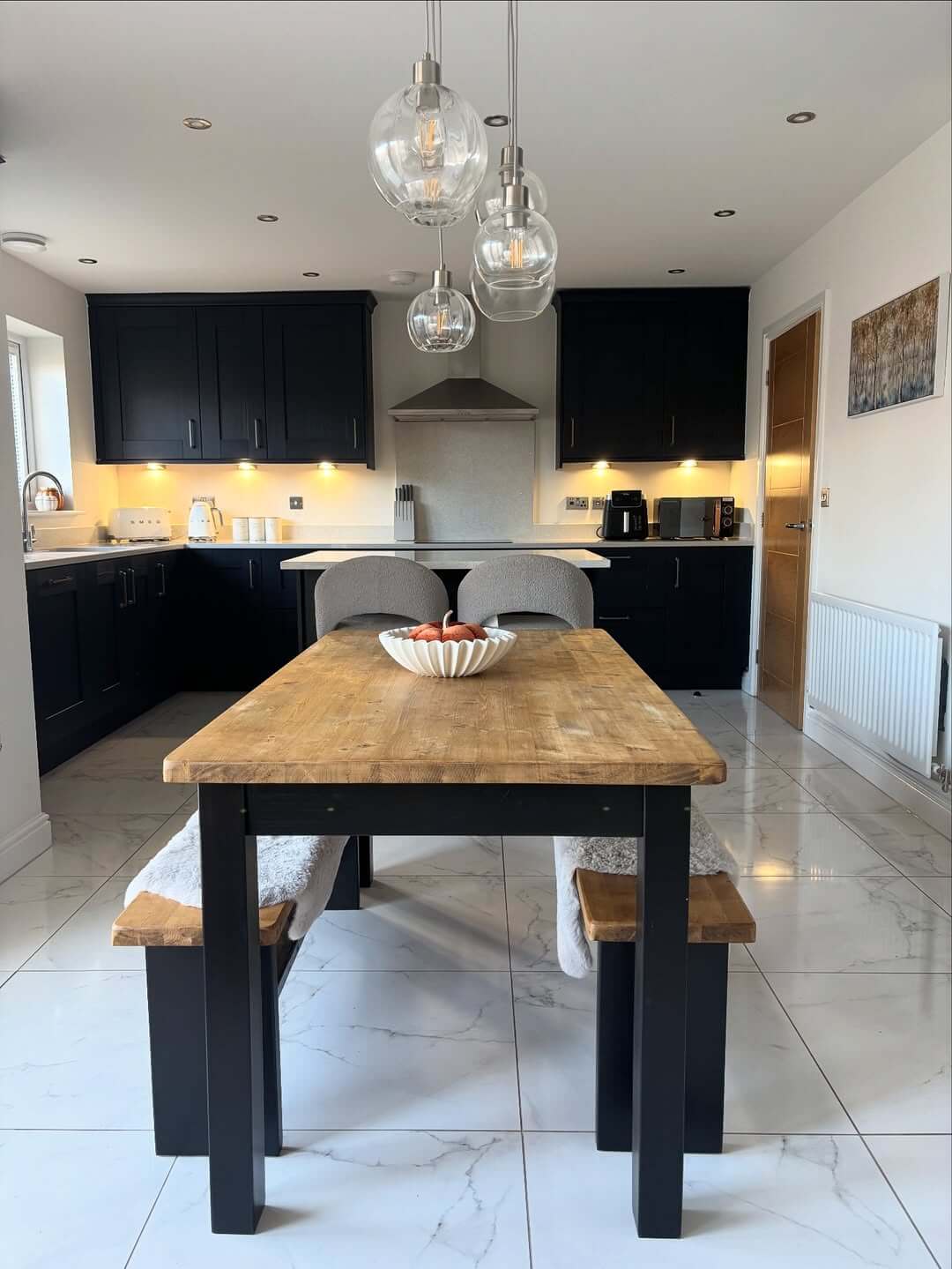
Some fixes take minutes but change everything.
- Swap one bulb to a warmer tone.
- Add a light under a cabinet.
- Move one light source slightly forward.
- Reduce one harsh overhead light.
You don’t need to redo everything.
Just start with one.
Common Kitchen Lighting Mistakes to Avoid
Some issues are easy to miss.
Relying on one central light.
Placing lights behind you.
Ignoring light tone.
Adding brightness without fixing placement.
Fixing just one of these can shift how your kitchen feels.
How to Fix Your Kitchen Lighting Without Renovating
You don’t need a full remodel.
Most of my changes didn’t involve replacing fixtures.
I worked with what I had.
I adjusted placement, tone, and layering.
That’s what made the difference.
Focus on how the light works.
Final Thoughts
Lighting shapes how your kitchen feels every single day.
It affects how you cook, how you move, and how comfortable the space feels.
You don’t need a full redesign to fix it.
Start with one small change today.
Then notice how your kitchen feels the next time you step into it.
That quiet moment when your kitchen finally feels easy to use?
That’s when you know you got it right.
Also read:
Designing a Modern Farmhouse Kitchen That Fits Any Space
The Ultimate Guide to Choosing the Perfect Kitchen Cabinet Color