Laundry Room Design Ideas That Feel Stylish Without Sacrificing Storage
Laundry rooms are often the last space people think about decorating. They get whatever paint is left over, a couple of wire shelves, and maybe a basket tucked into the corner. The room works, but it rarely feels inviting.
The surprising part is that a well-designed laundry room isn’t about expensive cabinets or luxury finishes. It’s about creating a space that helps your daily routine while making the room feel like a natural extension of your home.
When good design and practical storage work together, laundry becomes less frustrating because everything is exactly where you expect it to be.
I realized this while helping redesign a narrow laundry room that looked clean but never seemed to stay organized. The shelves were attractive, the paint color was beautiful, and the appliances were new. Yet every laundry day ended with clutter covering the countertop because the room had been designed to look good instead of supporting the way it was actually used.
Once we rearranged the storage, created a better work surface, and made a few simple design changes, the difference was immediate. The room looked more polished than before, but it also became easier to keep that way throughout the week.
If you’re planning a laundry room makeover or simply want your current space to feel more finished, these laundry room design ideas will help you create a room that’s both stylish and practical without sacrificing valuable storage.
Design Around Your Daily Laundry Routine First
Before choosing paint colors, cabinet styles, or decorative accessories, spend a few days paying attention to how you actually use your laundry room.
Where do you naturally set the basket when you walk in?
Where do you reach for detergent?
Where do clean clothes usually end up before they’re folded?
The answers reveal far more than any design trend ever could.
A beautiful room that interrupts your routine quickly becomes frustrating. A thoughtfully planned room quietly makes every laundry day easier.
Instead of thinking about the room as one large space, divide it into small work zones.
Create one area for washing supplies, another for folding clothes, another for hanging garments, and another for storing items you don’t use every day. Even the smallest laundry room becomes easier to manage when every task has its own place.
One thing I’ve learned is that convenience usually wins over good intentions. If the stain remover is across the room instead of beside the washer, you’ll probably leave it on the countertop after using it. If the hamper sits too far from the dryer, clean clothes often end up piled on top of the machine instead.
That’s why your layout matters just as much as your decorating choices.
This idea is supported by Homes & Gardens, which explains that “designing a room that caters to the various tasks involved will make it easier and more enjoyable.” When your room supports the way you naturally move through laundry day, staying organized feels much less like work.
Once your routine guides the layout, you can begin choosing storage that keeps everything tucked away without making the room feel closed in.
Choose Cabinets That Hide Clutter Without Feeling Heavy
Storage is one of the first things people think about during a laundry room makeover.
The challenge is adding enough of it without making the room feel smaller.
Tall cabinets can hide detergents, extra paper towels, cleaning supplies, and seasonal items that don’t need to stay out every day. They keep visual clutter under control while giving the room a cleaner appearance.
That doesn’t mean every wall needs to be covered with cabinets.
A combination of closed cabinets and a few open shelves often creates the best balance. Closed storage hides everyday mess, while open shelves give the room personality and keep your most-used items within easy reach.
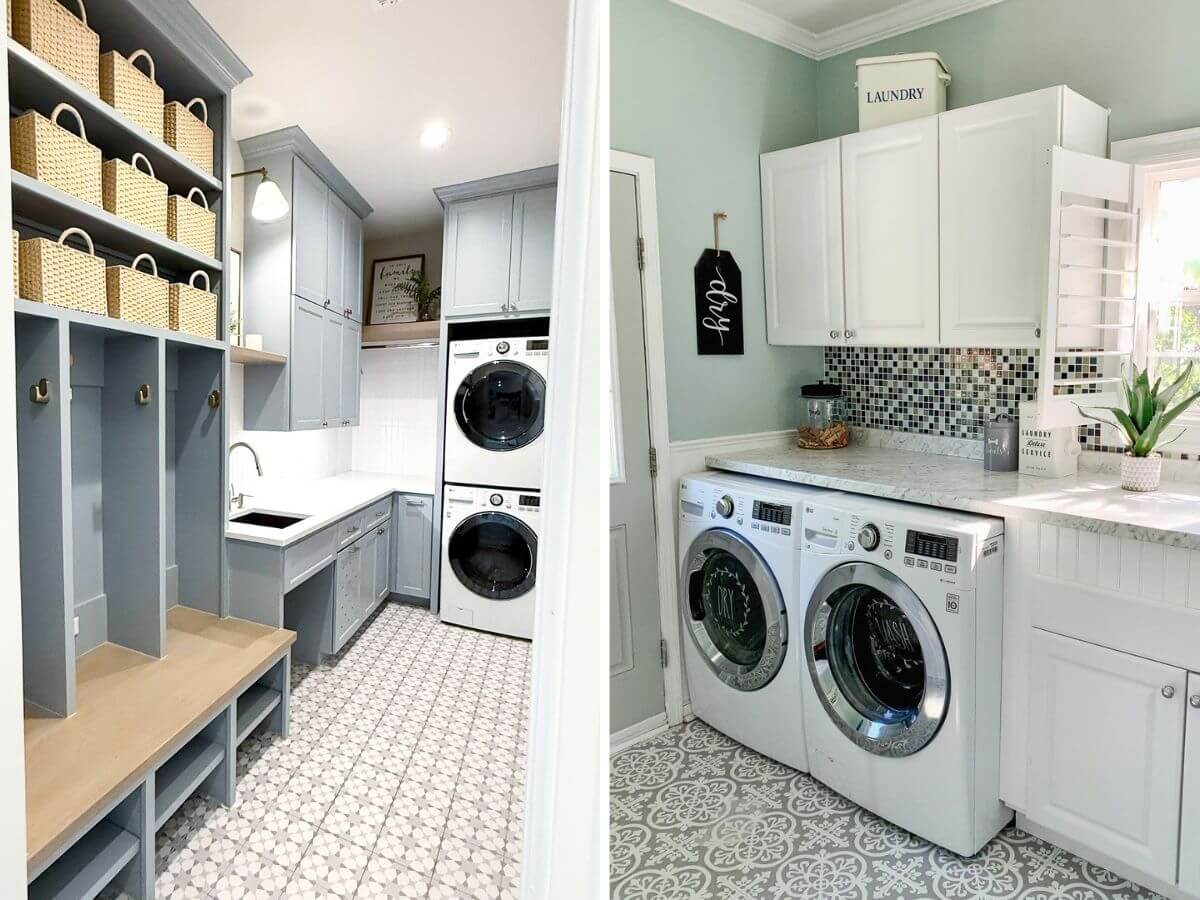
If your laundry room is small, choose cabinet colors that blend with the walls instead of creating sharp contrasts. Similar tones allow the room to feel more open while still giving you plenty of storage.
Hardware also deserves attention.
Simple black handles can give white cabinets a modern look. Warm brass adds character without overpowering the room. Matte nickel blends easily into almost any decorating style.
Before ordering cabinets, think about what you’re actually storing.
Do you need room for a vacuum, ironing board, broom, or pet supplies? Planning around your belongings usually creates a more useful layout than choosing cabinets first and hoping everything fits later.
According to The Spruce, “Combine open and closed storage in a modern laundry room for both practical and visual reasons.” That balance helps the room stay functional without looking crowded.
Once storage is working for you instead of against you, the next design decision can completely change how spacious the room feels.
Make the Room Feel Bigger With Smart Color Choices
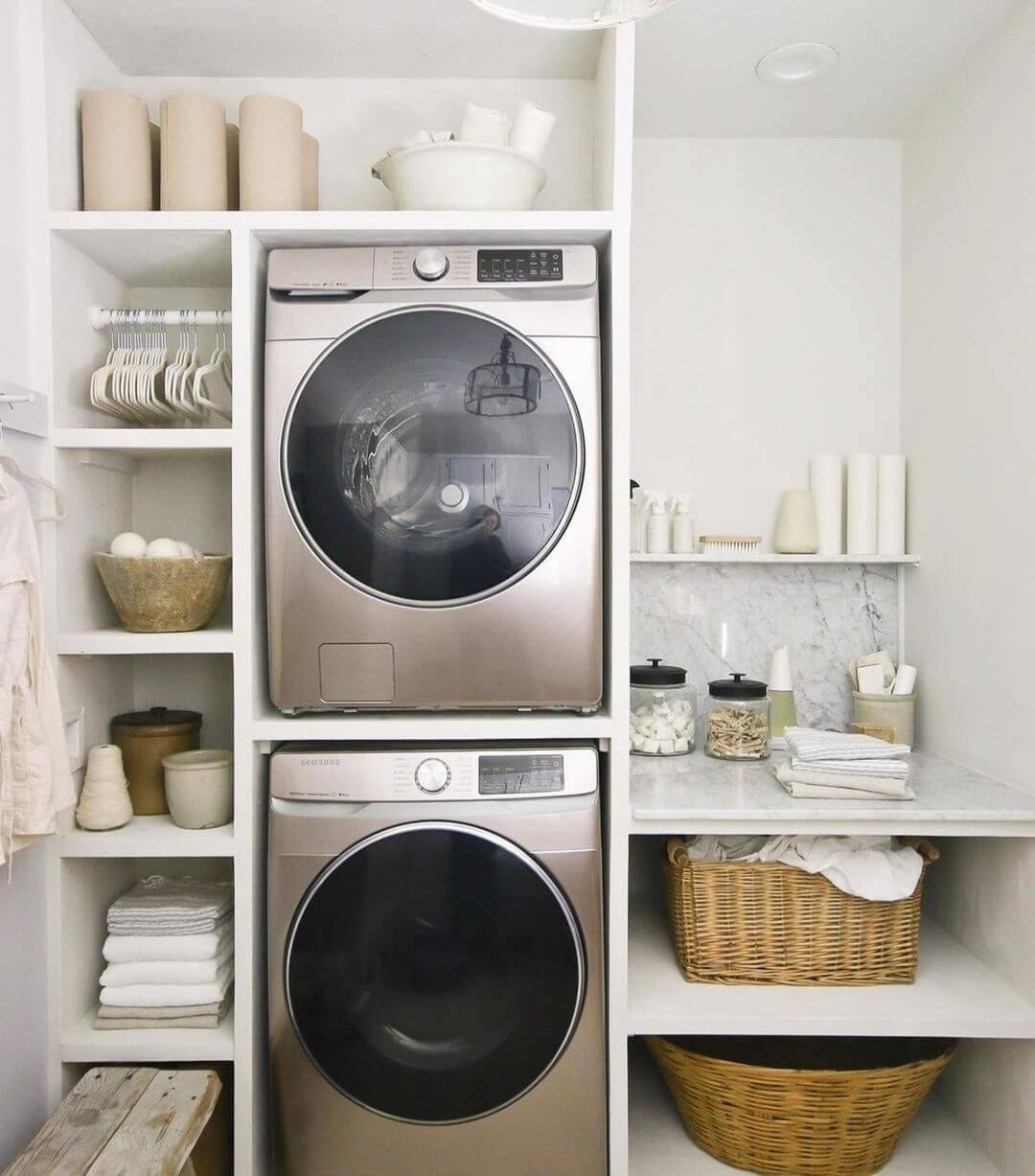
Paint is often the first thing people notice, but color does much more than make a room look attractive.
The right palette changes how spacious the room feels.
Soft whites remain popular for a reason. They reflect light, brighten dark corners, and make even compact laundry rooms feel more open.
Warm greige adds a little softness if pure white feels too crisp. Sage green brings in color without overwhelming the room. Light wood finishes add warmth while keeping the space bright.
One mistake I see quite often is introducing too many competing colors.
A navy cabinet, black countertop, patterned wallpaper, bright baskets, and colorful containers might all look beautiful individually. Together, they can make a small laundry room feel busy before you’ve even started a load of laundry.
Instead, choose one dominant color and let natural materials provide contrast.
Matching baskets, similar storage containers, and coordinated finishes create a calmer atmosphere because your eyes aren’t constantly jumping from one bold element to another.
If your laundry room connects directly to your kitchen, mudroom, or hallway, borrowing a few of the same colors or finishes creates a smoother transition between spaces. The laundry room starts feeling like part of your home’s design instead of an isolated utility area.
Another trick I like is limiting decorative accents to one or two statement pieces. A framed print, a woven basket, or a small plant adds personality without competing with the rest of the room.
Once your color palette creates a calm foundation, it’s time to focus on one feature that works harder than almost anything else in the room: the countertop.
Turn Countertops Into One of the Hardest Working Features
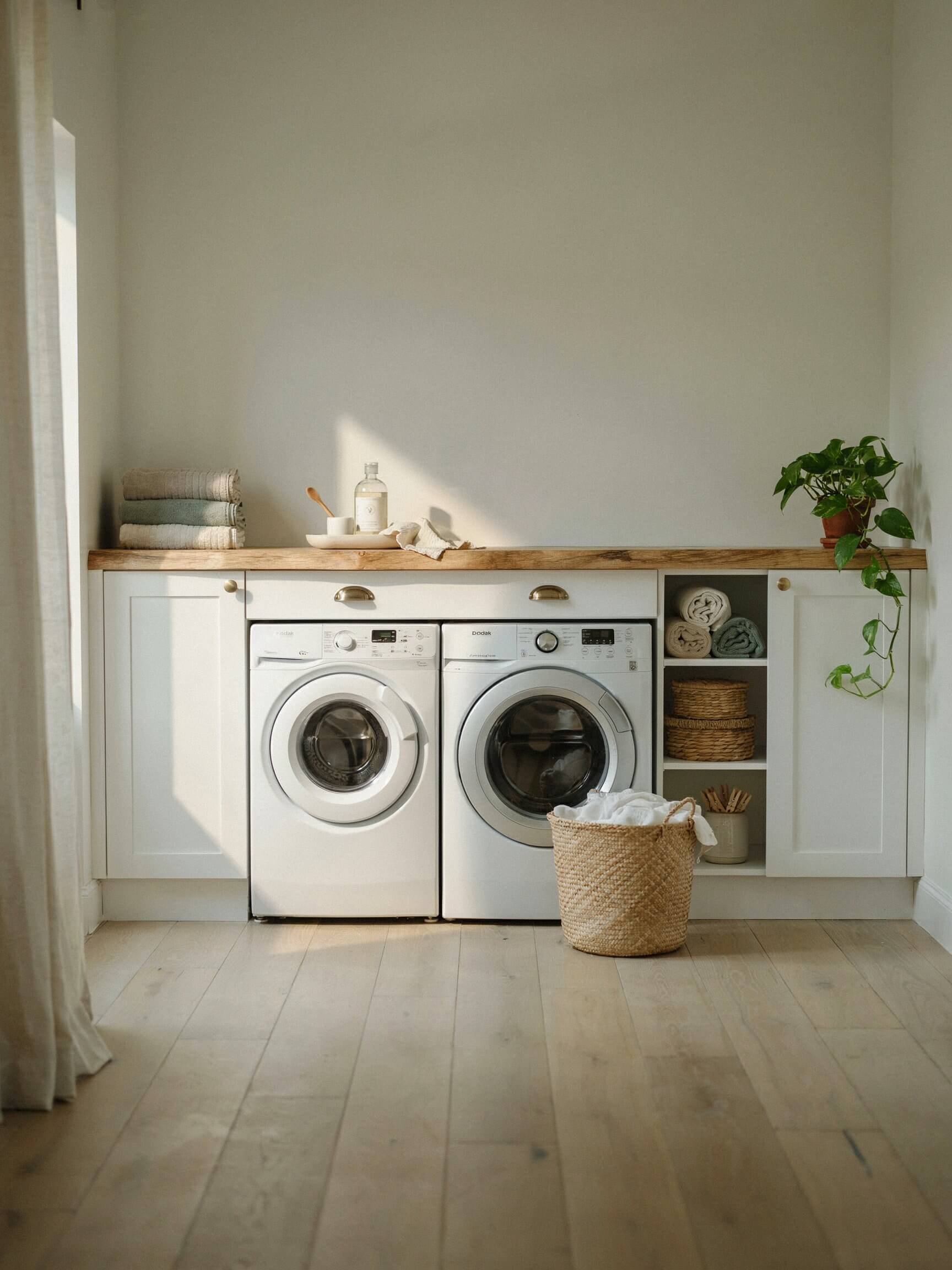
A countertop does much more than cover your washer and dryer.
It becomes the place where shirts are folded before they wrinkle, towels are stacked, stains are treated, and baskets are sorted before clothes make their way back to the closet.
Without a dedicated work surface, those jobs usually move to the dining table, the bed, or the nearest empty chair.
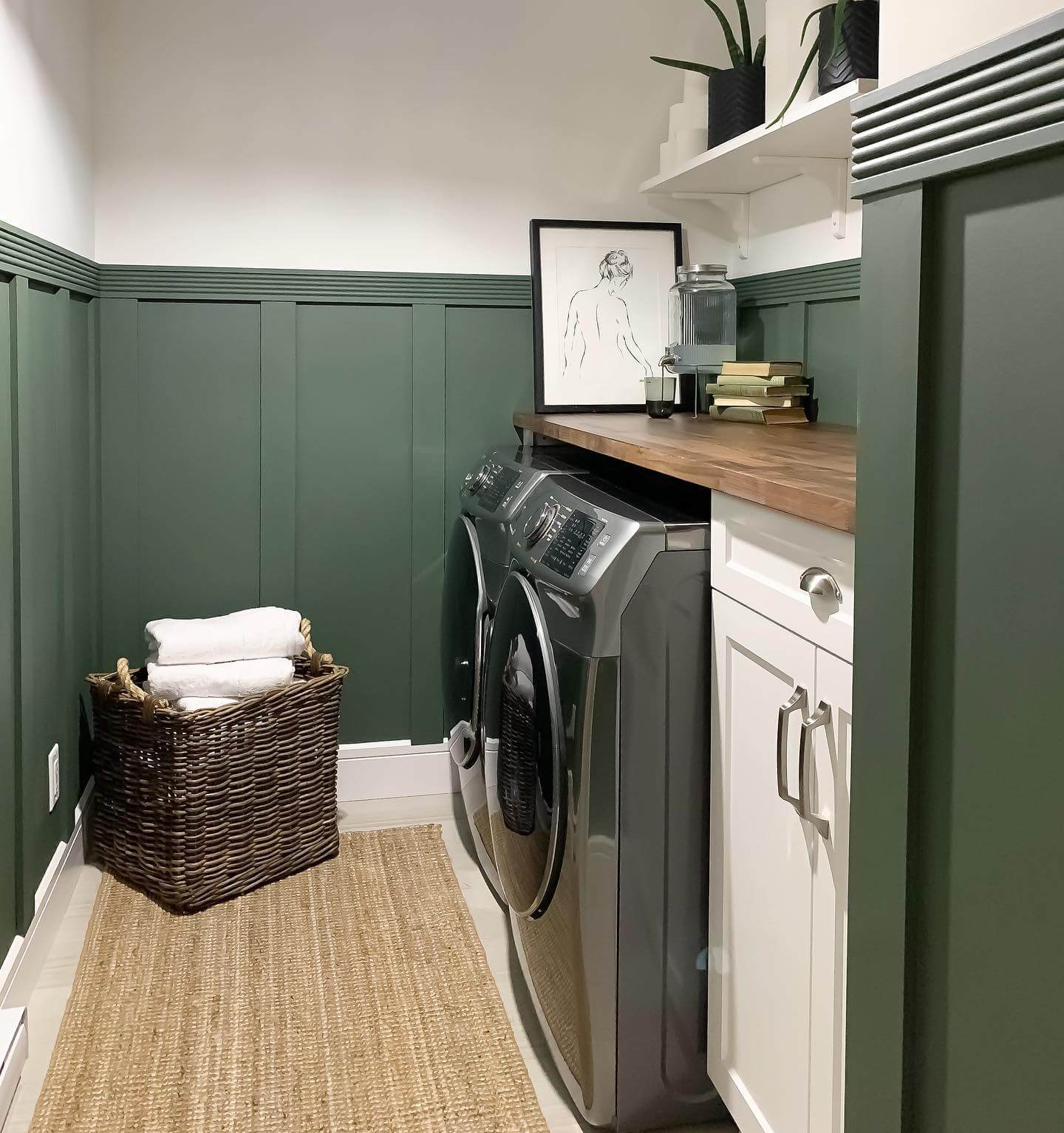
If your washer and dryer sit side by side, adding one continuous countertop across both appliances instantly creates a larger workspace. It also gives the room a cleaner, built-in appearance without requiring a full renovation.
Even in a compact laundry room, a narrow counter beside the washer can make a noticeable difference. That small landing spot is often all you need for detergent, a laundry basket, or a stack of freshly folded clothes.
The material you choose matters less than how you’ll use it.
Wood adds warmth and softens a room filled with appliances. Quartz offers a polished look that’s easy to wipe clean. Laminate remains a budget-friendly option that still delivers a practical work surface.
I always suggest leaving part of the countertop clear instead of filling every inch with decorative pieces. An empty surface gives you room to work when laundry day gets busy.
Once your work surface is doing its job, the next feature can completely change how the room looks and feels every time you walk in.
Layer Lighting Instead of Relying on One Ceiling Fixture
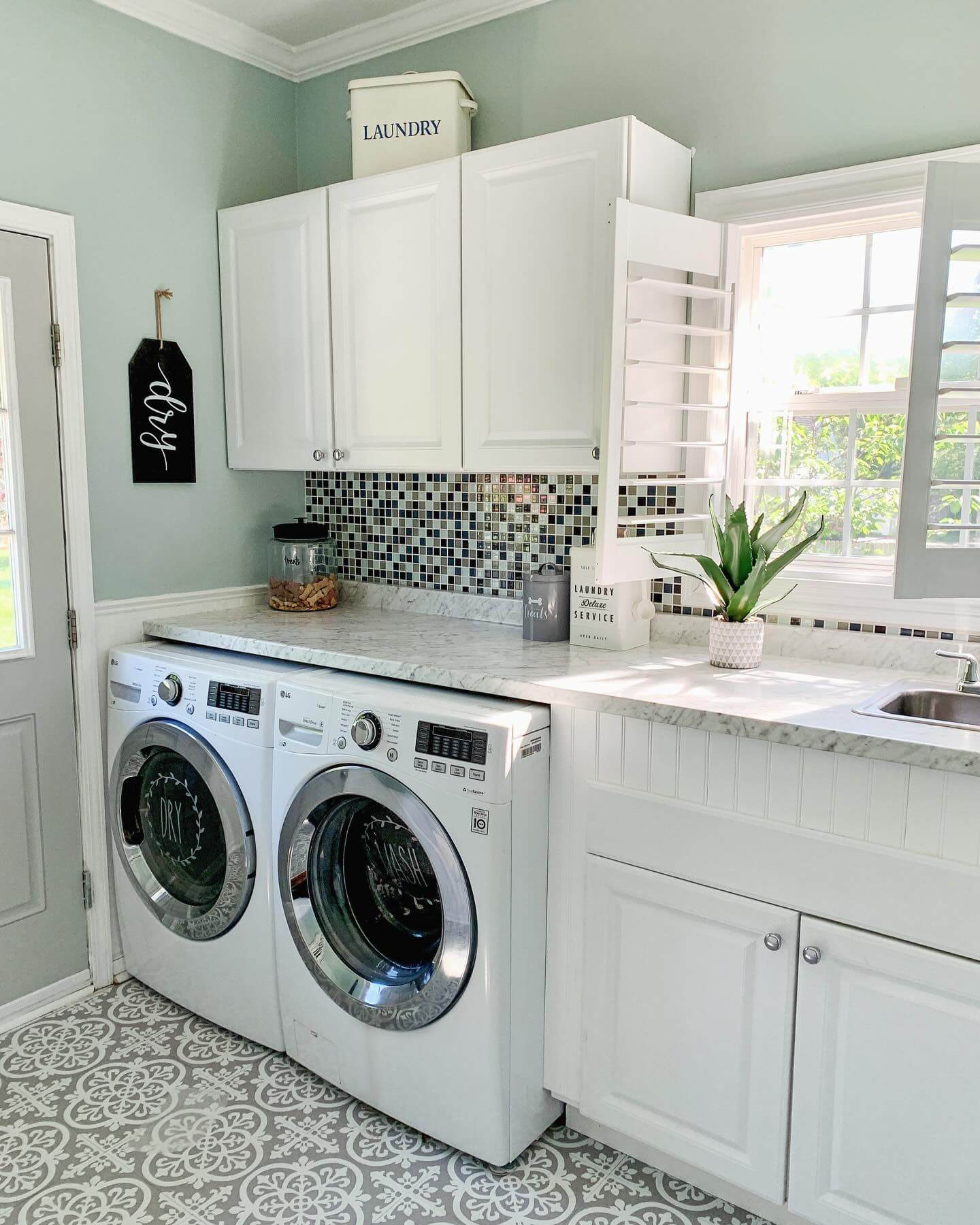
Many laundry rooms have one ceiling light that’s expected to do everything.
The result is often harsh shadows, dim corners, and a room that feels more like a storage closet than part of the home.
Instead of depending on one fixture, think about lighting in layers.
Start with bright overhead lighting that fills the room evenly.
Next, add task lighting wherever you actually work. Under-cabinet lighting above the countertop makes folding clothes easier while helping you spot stains before they become permanent.
If your laundry room has a window, avoid blocking it with oversized cabinets whenever possible. Natural daylight changes how colors look, brightens the room, and makes everyday chores feel less enclosed.
Small details also make a difference.
Warm lighting often creates a softer atmosphere than harsh daylight bulbs, especially if your laundry room connects to the kitchen or mudroom.
This is one place where expert guidance can make a real difference.
Better Homes & Gardens recommends, “Use under-cabinet fluorescent tubes or LED under-cabinet fixtures to illuminate the countertop so you can match socks or check clothing for spots and stains that might require pretreatment.”
It’s a practical reminder that good lighting isn’t only about appearance. It also helps you complete everyday tasks more comfortably.
With the lighting working for you, the room is ready for the finishing touches that add warmth without creating visual clutter.
Add Texture Without Making the Room Feel Busy
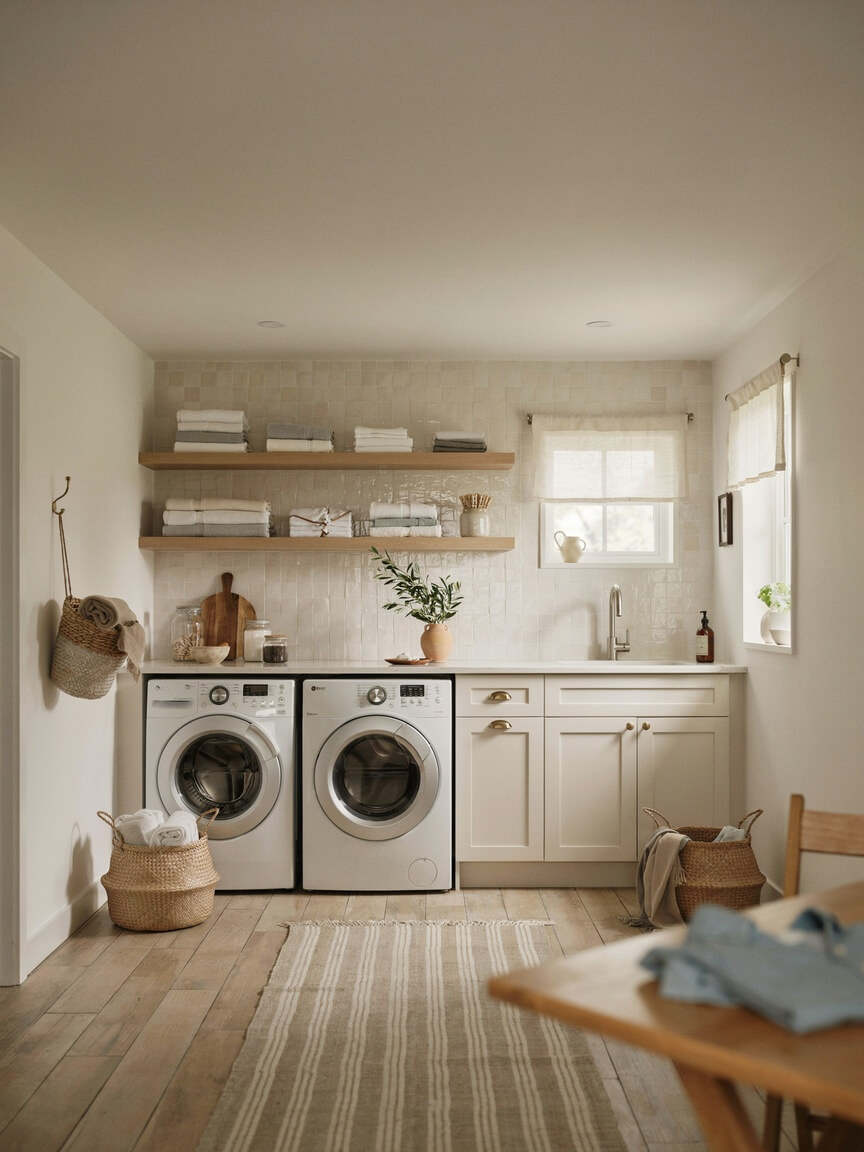
A laundry room filled with smooth white cabinets can sometimes feel a little flat.
Texture helps bring warmth into the space, but it works best when it’s added with intention.
One of the easiest places to start is with natural materials.
Wood shelving, woven baskets, canvas hampers, or a simple cotton runner can soften the room without making it feel crowded.
Tile is another opportunity to add character.
Instead of covering every wall with bold patterns, consider using an interesting backsplash behind the countertop or washer. It becomes a focal point while allowing the rest of the room to stay calm.
Wallpaper can work beautifully too, especially on one accent wall. A subtle botanical print, soft stripe, or textured pattern adds personality without taking over the room.
Hardware is another design element that’s easy to overlook.
Choosing one finish for cabinet handles, hooks, and light fixtures helps everything feel connected. Whether you prefer matte black, brushed brass, or satin nickel, repeating the same finish throughout the room creates a more polished appearance.
One tip I always follow is introducing texture slowly.
After adding one woven basket, step back and look at the room before bringing in another decorative piece. Giving your eyes a little breathing room often creates a more welcoming space than filling every shelf.
Now that the room feels warmer, it’s time to find storage opportunities hiding in places many homeowners overlook.
Build Storage Into Places You Normally Ignore
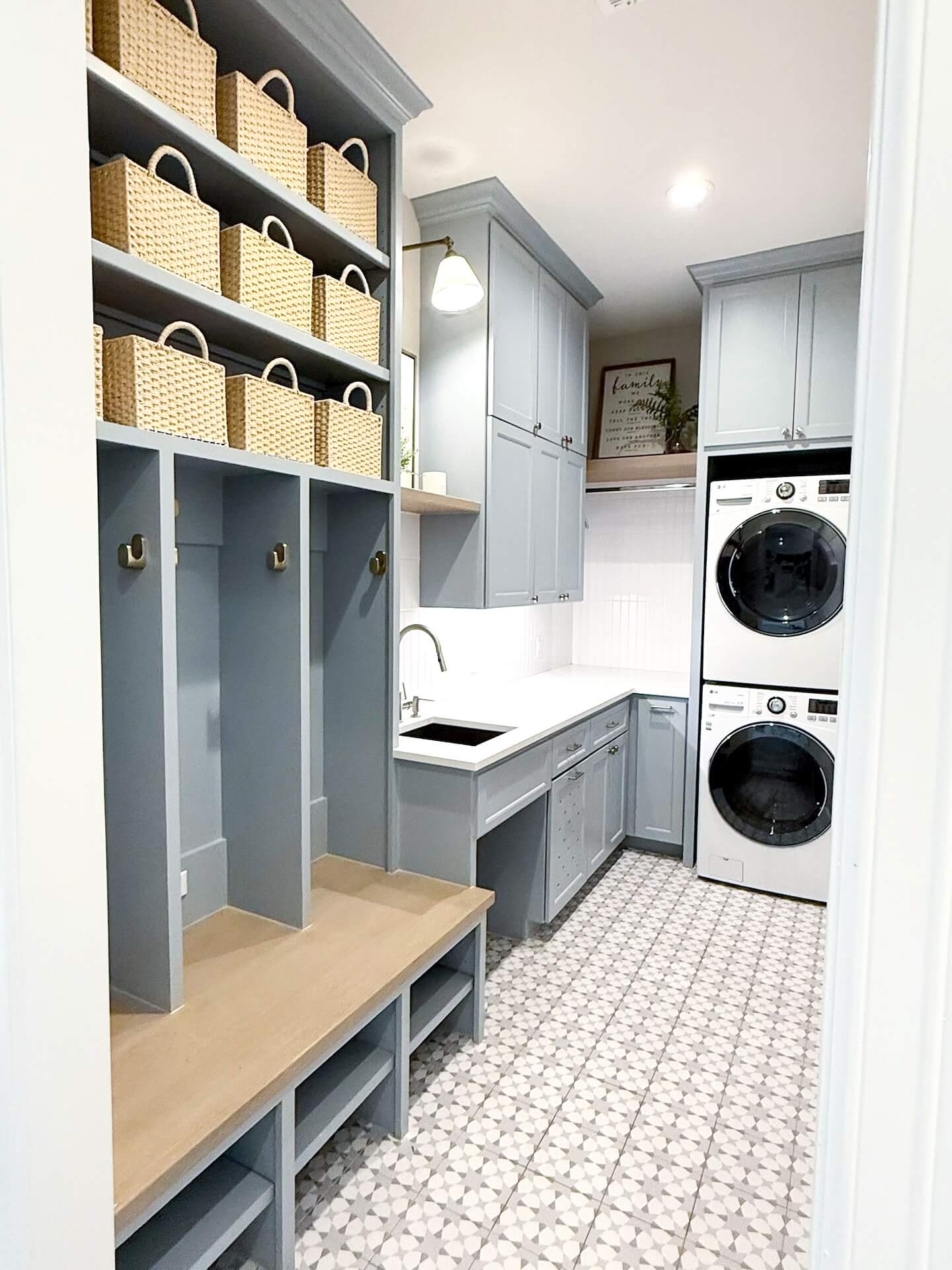
One of the biggest differences between an average laundry room and one that feels custom designed is how every inch is used.
Many homes already have storage space. It simply hasn’t been put to work yet.
Look above your washer and dryer.
Could one or two shelves fit there?
Look behind the door.
Would a slim organizer hold cleaning supplies or ironing accessories?
Look beside the appliances.
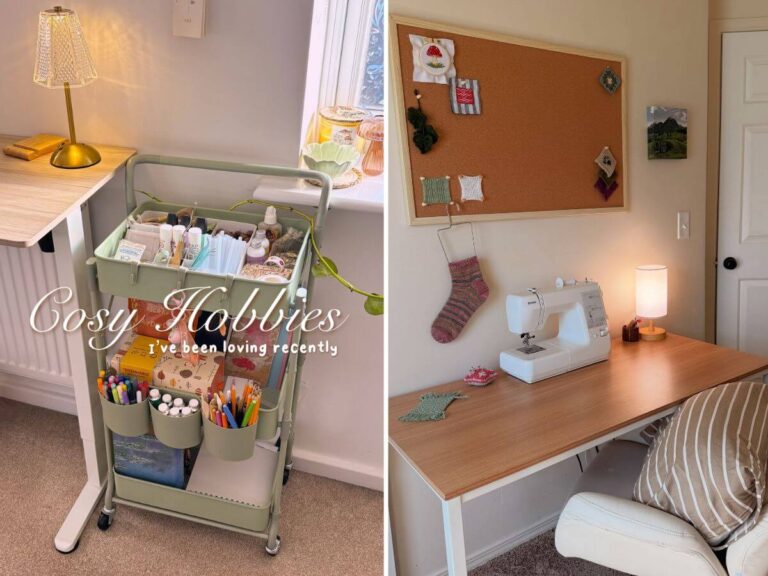
Even a narrow gap can often hold a rolling cart for detergents, dryer sheets, and stain removers.
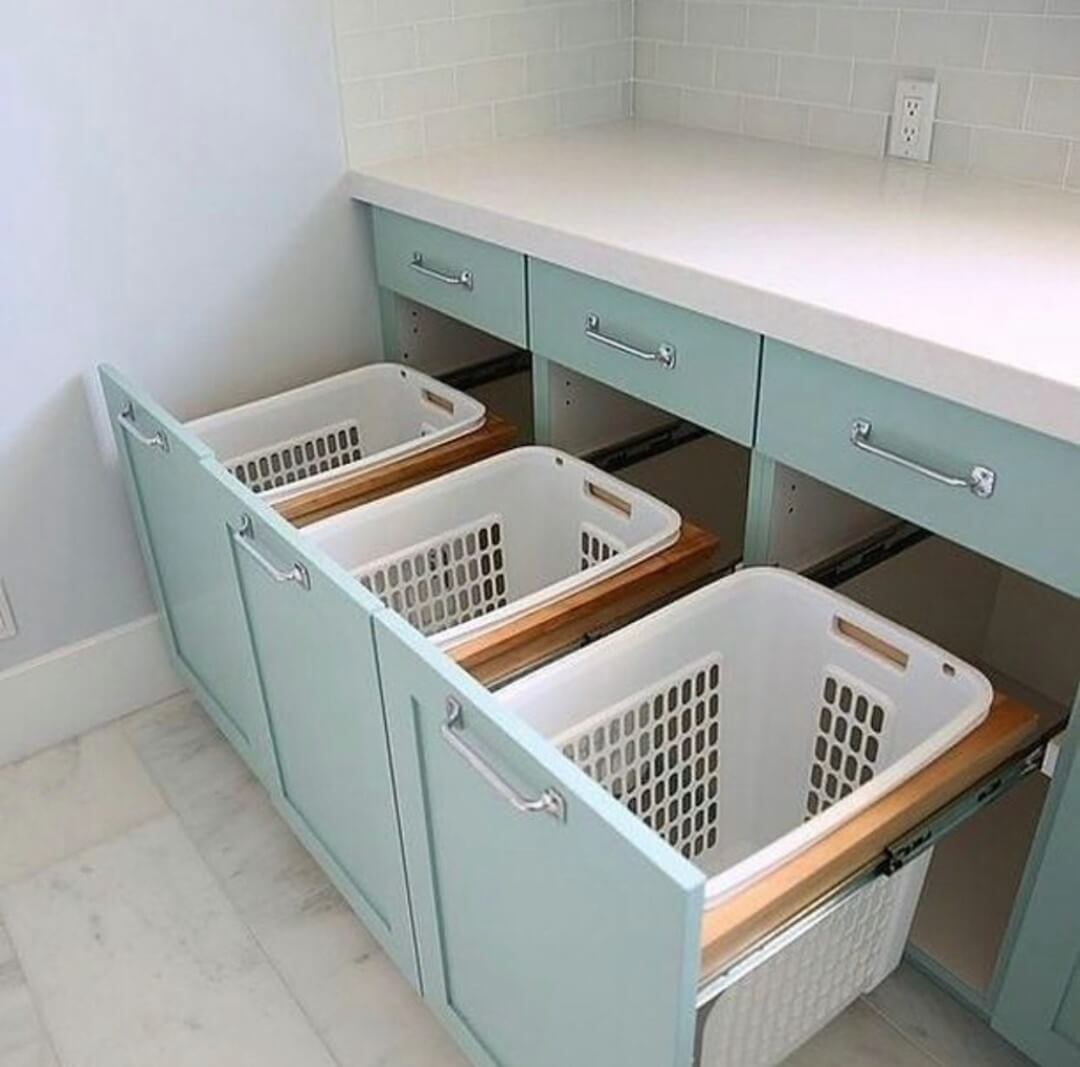
The space beneath countertops also deserves attention. Pull-out baskets, drawers, or open cubbies make it easy to separate clean towels, pet supplies, or reusable shopping bags without adding another piece of furniture.
Vertical space is especially valuable in small laundry rooms.
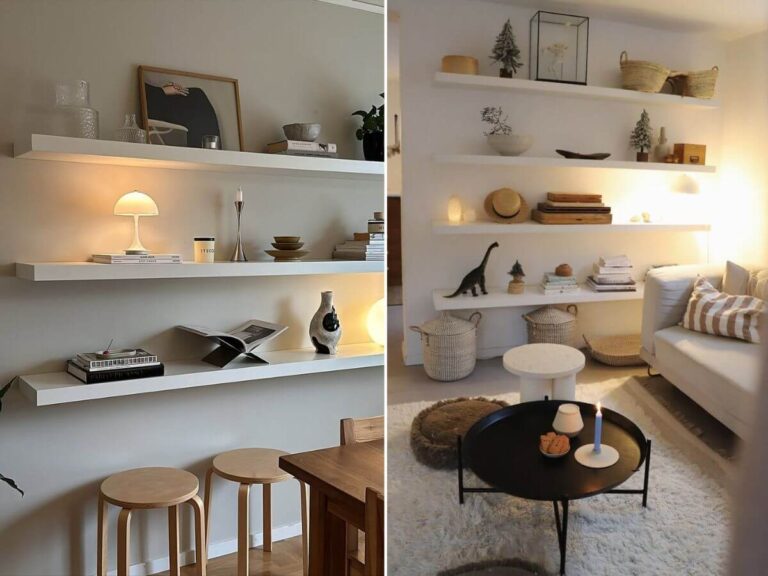
Instead of adding another floor cabinet, consider stacking storage upward. Hooks, floating shelves, tall cabinets, and wall-mounted drying racks all increase storage while keeping the floor open.
I also like creating one flexible shelf that can change with the seasons. During winter, it might hold bulky blankets waiting to be washed. During summer, it becomes a place for beach towels or picnic linens. That flexibility helps the room adapt without needing constant reorganization.
Once storage is working smarter, decorating becomes much easier because every practical item already has a place.
Decorate With Pieces That Still Earn Their Space
The best-looking laundry rooms aren’t filled with decorations that simply collect dust.
Instead, every decorative piece serves a purpose while adding warmth to the room.
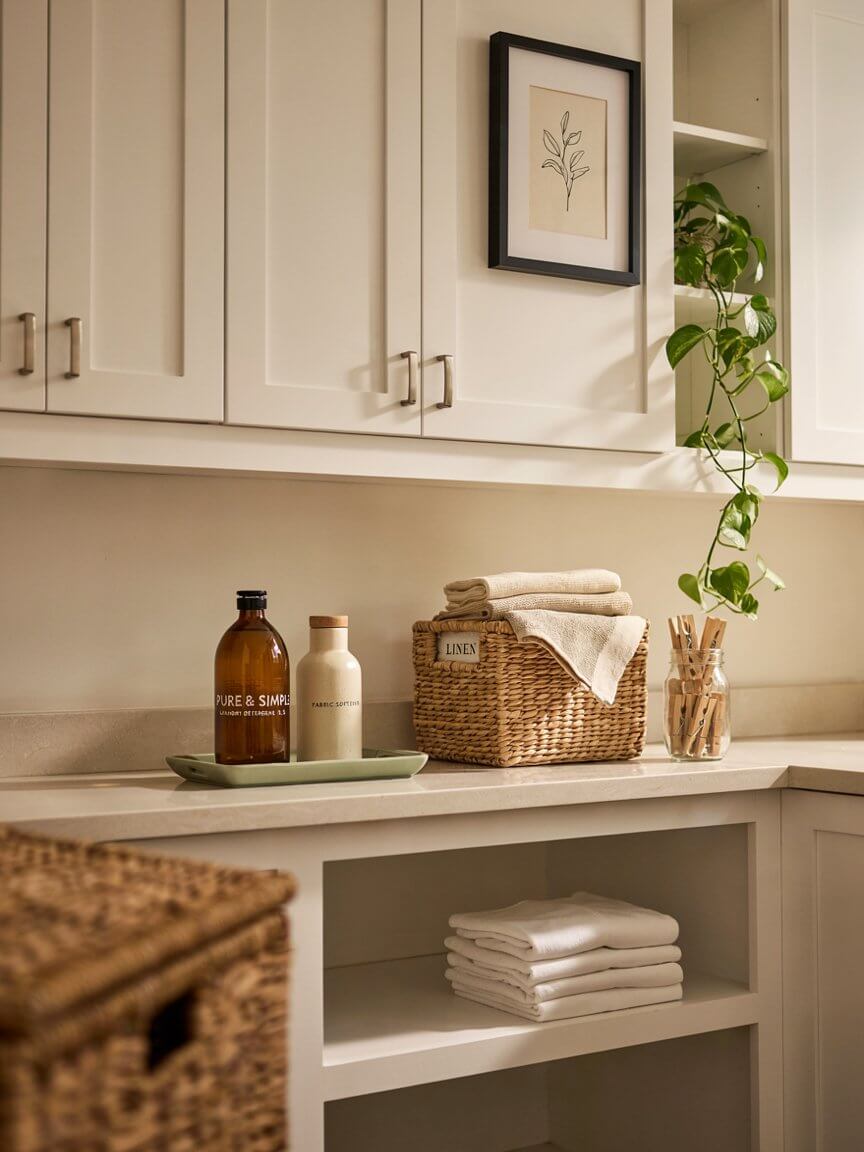
A woven basket can hold extra hand towels while softening the look of open shelving. A glass jar filled with clothespins becomes both storage and décor. Even a stylish hamper can make the room feel more intentional without taking up extra space.
Plants are another simple addition.
A small pothos, snake plant, or faux greenery can bring life into the room without requiring much maintenance. If your laundry room doesn’t receive natural light, a realistic artificial plant still creates the same welcoming effect.
Artwork also deserves a place here.
Instead of covering every wall with signs about laundry, choose one framed print or family photo that makes the room feel connected to the rest of your home. That small detail often has a bigger impact than filling every available wall.
Decorative trays are another favorite of mine. They keep detergent bottles, dryer sheets, and stain removers grouped together while making the countertop feel cleaner and more organized.
Whenever I decorate a laundry room, I ask one simple question before adding anything.
Does it make the room more useful, more welcoming, or both?
If the answer is neither, it probably doesn’t belong there.
Once you’ve created a room that feels warm and organized, the next goal is making sure it still looks great years from now.
Design Choices That Stay Beautiful for Years
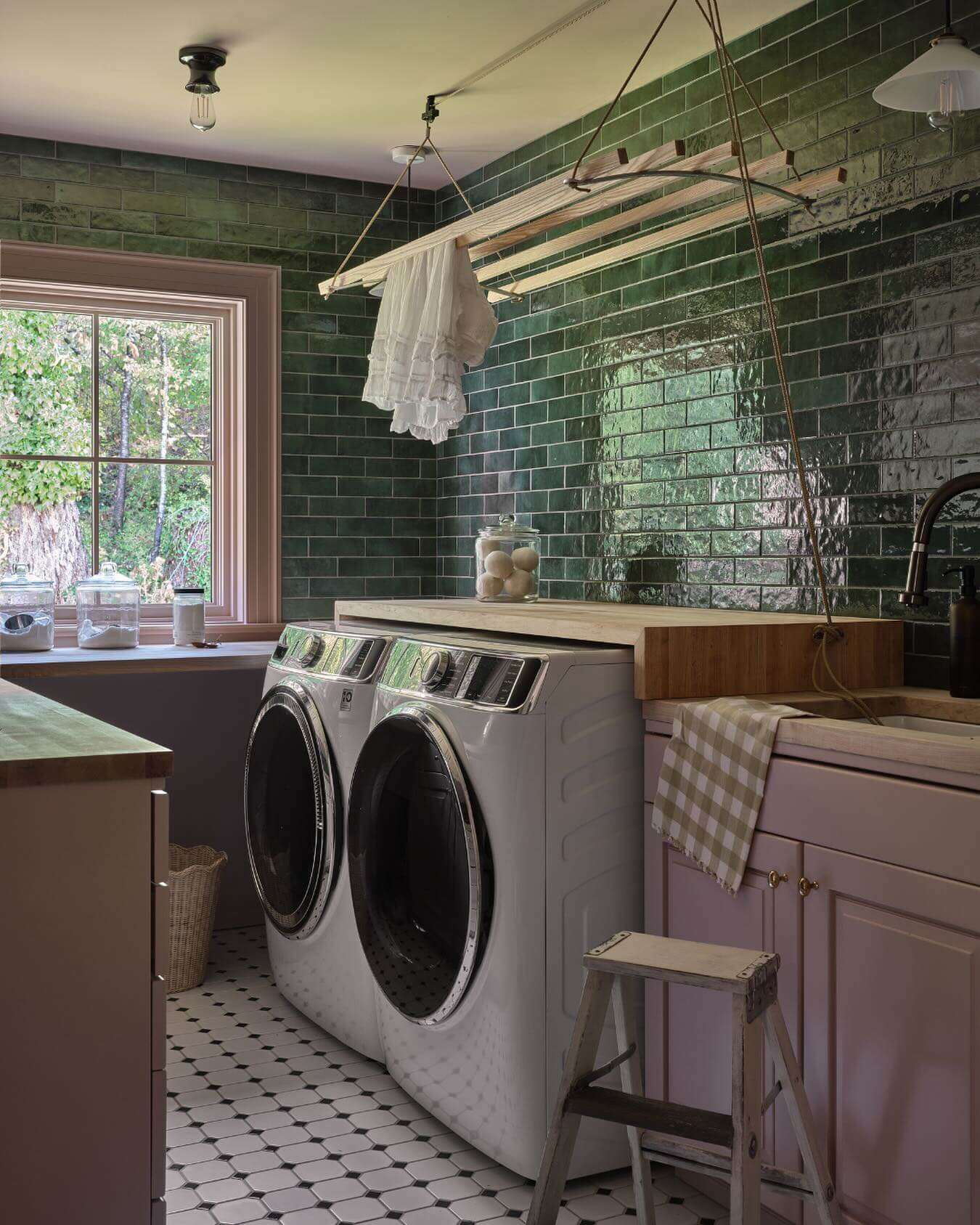
Laundry rooms don’t need to follow every decorating trend to feel current.
In fact, the rooms that age the best usually keep the larger design choices timeless while letting smaller accessories bring in personality.
Cabinets, countertops, flooring, and lighting are expensive to replace. Choosing classic finishes for those features gives you much more flexibility later.
You can always introduce seasonal colors with towels, baskets, artwork, or small decorative pieces. Those updates are inexpensive and easy to change whenever your style evolves.
Another habit that’s saved me money over the years is buying fewer pieces with a clear purpose instead of filling the room all at once.
A quality hamper you’ll use every day is often a better investment than several decorative items that eventually end up in storage.
I also recommend repeating materials throughout the room.
If you’ve chosen warm wood shelves, bring that same wood tone into a picture frame or countertop accessory. Repeating colors and finishes creates a room that feels thoughtfully designed without looking overly styled.
The goal isn’t chasing trends.
It’s creating a laundry room you’ll still enjoy using several years from now.
Even with good planning, a few common decorating mistakes can make the room feel less practical than it should.
Laundry Room Design Mistakes That Are Easy to Avoid
Some laundry rooms become difficult to use because of one or two design decisions that seemed like a good idea at the time.
One of the most common is installing too much open shelving.
Open shelves look beautiful in photos, but they also put every detergent bottle, cleaning product, and extra roll of paper towels on display. Mixing open shelves with closed cabinets usually creates a cleaner balance.
Another mistake is choosing dark paint colors in a very small room without enough lighting.
Rich colors can look stunning, but they also absorb light. If the room has no windows, balancing darker shades with lighter cabinets or brighter lighting usually creates a more comfortable space.
Many homeowners also underestimate how much countertop space they actually need.
Even an extra foot of workspace can make folding clothes, treating stains, or sorting laundry much easier.
Ignoring vertical storage is another missed opportunity. Empty wall space often provides enough room for shelves, hooks, or drying racks that free up valuable floor space.
One last mistake is trying to decorate every available surface.
Leaving a little empty space makes decorative pieces stand out more while giving the room room to breathe. The result feels calmer, cleaner, and much more inviting.
When you avoid these common mistakes from the beginning, your laundry room becomes much easier to maintain long after the makeover is finished.
Conclusion
Beautiful laundry room design isn’t about spending the most money or following every new trend. It’s about creating a space that supports your daily routine while feeling like a natural part of your home.
A thoughtful layout, practical storage, good lighting, timeless finishes, and carefully chosen decorative touches all work together to create a room that’s enjoyable to use every single week.
You don’t need to change everything at once.
Start with one improvement that solves your biggest frustration. Add a better countertop, rethink your storage, brighten the lighting, or clear one wall for vertical storage. Small changes have a way of building on each other.
Before long, your laundry room won’t just look more stylish. It’ll feel easier to use, easier to maintain, and much more enjoyable every time laundry day comes around.