Backyard Landscaping Ideas That Feel Like a Private Retreat
There’s a reason some backyards instantly make you want to stay outside.
You step through the back door and everything feels different.
The noise from the street fades away. The neighboring houses seem less noticeable. The plants soften the edges of the yard. A comfortable chair waits in the shade. Somehow the space feels calm, private, and welcoming.
Then there are backyards that never quite create that feeling.
They may have beautiful plants. They may have plenty of space. Yet they still feel exposed, unfinished, or disconnected from daily life.
The difference usually isn’t how much money was spent.
It’s how the landscaping supports the experience.
The best backyard landscaping isn’t really about plants.
It’s about creating a place where you want to spend time.
A place for morning coffee.
A place to unwind after work.
A place where conversations last longer.
A place where you can escape for thirty minutes without ever leaving home.
I’ve noticed that the backyards people enjoy most aren’t necessarily the largest or most expensive. They’re the ones that feel intentional. Every pathway leads somewhere. Every planting serves a purpose. Every seating area feels like an invitation to slow down.
The good news is that creating a backyard retreat doesn’t require a massive property or a complete landscape overhaul.
A few thoughtful changes can completely transform how your yard feels.
In this guide, I’ll share backyard landscaping ideas that help create privacy, comfort, and a stronger connection to the outdoors, whether you’re working with a sprawling yard, a suburban backyard, or a compact outdoor space.
Start by Defining What a Private Retreat Means to You
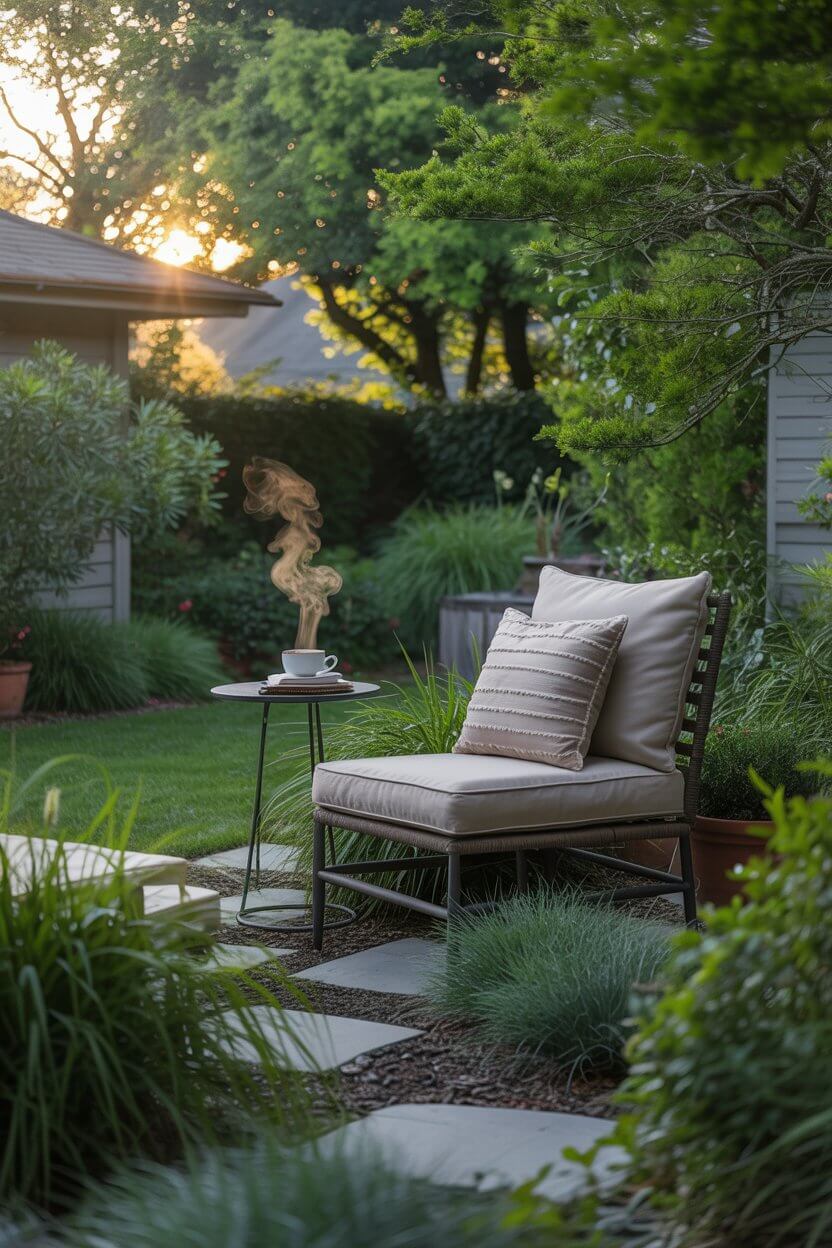
Before planting anything, take a step back and think about what you’re actually trying to create.
This is where many landscaping projects go wrong.
People start buying plants before identifying the problem they’re trying to solve.
Yet a backyard retreat can mean very different things depending on the homeowner.
For some people, it’s a quiet reading corner hidden behind greenery.
For others, it’s a gathering space where family and friends naturally want to spend time.
Some homeowners want more privacy.
Others want a backyard that feels like a vacation destination.
None of these goals are wrong.
The important thing is knowing which one matters most to you.
Start With One Simple Question
When you step into your backyard, what’s the biggest thing preventing you from relaxing?
Maybe neighboring windows overlook the yard.
Maybe there’s no comfortable place to sit.
Maybe the space feels empty and disconnected.
Or maybe the yard simply doesn’t feel inviting enough to use regularly.
Identifying that problem gives you a clear starting point.
I’ve found that the most successful landscaping projects don’t try to solve ten problems at once. They focus on one meaningful improvement and build from there.
Think About How You Already Live
One mistake I see often is creating a backyard designed for an imaginary lifestyle.
People build outdoor dining areas but never eat outside.
They install elaborate entertaining spaces but rarely host guests.
A better approach is building around habits that already exist.
If you drink coffee every morning, create a coffee spot.
If you love reading, create a quiet corner.
If your family spends evenings outdoors, focus on gathering spaces.
The backyard becomes more useful when it supports your real life rather than a fantasy version of it.
Once you know what kind of retreat you’re creating, the next step is making the yard feel separated from the outside world.
And that’s where privacy becomes incredibly valuable.
Use Landscaping to Create Privacy Without Feeling Closed In
One reason resorts feel relaxing is that they create separation.
Not isolation.
Separation.
You aren’t constantly reminded of what’s happening beyond the property.
The same principle works at home.
A backyard doesn’t need tall fences everywhere to feel private.
In many cases, strategic landscaping works even better.
Layer Plants Instead of Building Walls
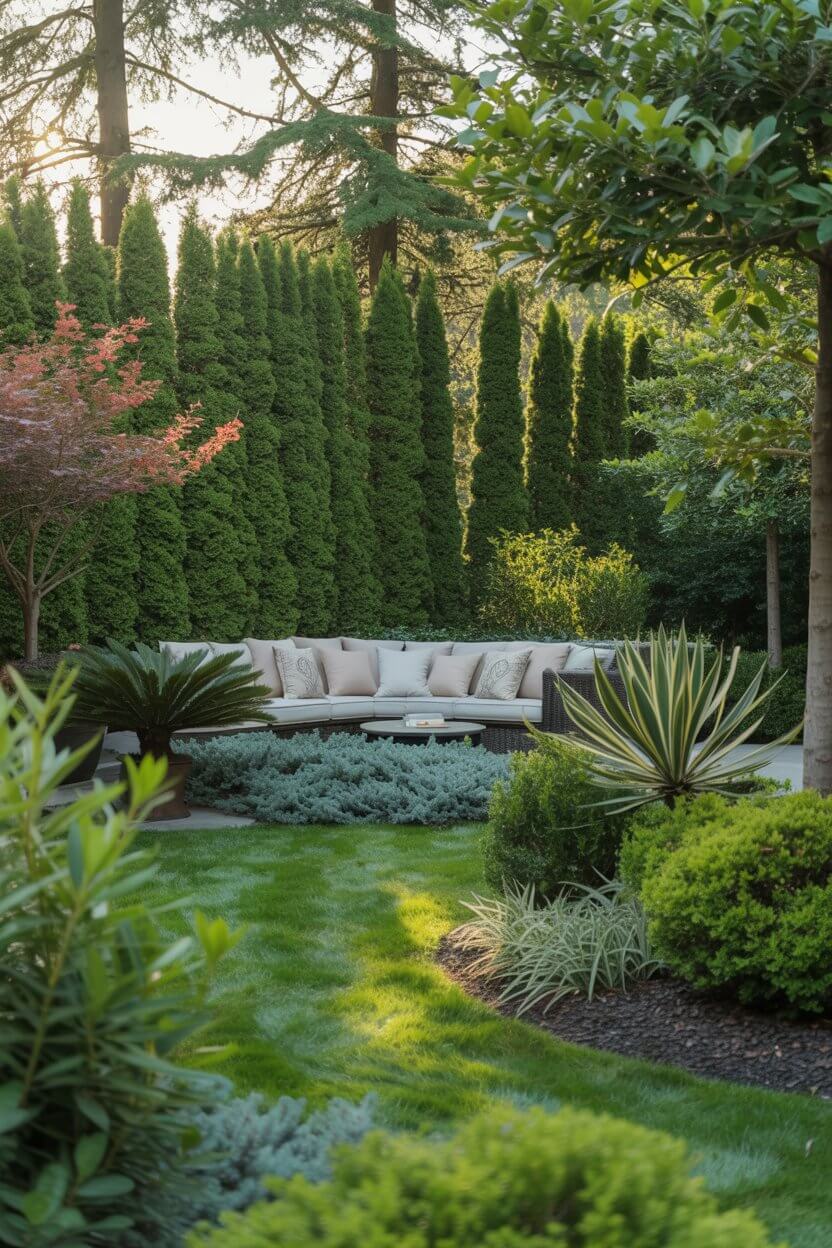
One of the easiest ways to make a backyard feel softer and more secluded is layering plants at different heights.
Tall plants create the backdrop.
Medium-sized shrubs fill the middle.
Lower plantings soften the foreground.
The result feels much more natural than a solid visual barrier.
The team at Homes & Gardens shares a similar approach, writing, “One of the best is to put in neat raised beds and layer planting, from tall to mid-height to low to make your flower beds pack a punch.”
That’s great advice because layered landscaping creates privacy while still allowing the yard to feel open and welcoming.
Focus on the Views You Want to Hide
You don’t need to screen the entire yard.
Start with the views that bother you most.
A neighboring window.
A busy street.
A utility area.
A fence line.
Sit in your favorite outdoor chair and look around.
What immediately catches your eye?
That’s often where landscaping can make the biggest impact.
Use Trees and Shrubs Strategically
Privacy landscaping doesn’t have to feel formal.
Rows of trees and shrubs have been used for decades to create natural screening.
The University of Minnesota Extension explains how rows of trees and shrubs can serve as living screens, writing “Windbreaks are plantings of single or multiple rows of trees or shrubs that are planted for:” One of the listed uses is “Living screens.”
That concept works beautifully in residential backyards.
A carefully placed row of shrubs can create a stronger sense of retreat without making the space feel enclosed.
Create Privacy Around Where You Sit
One thing I’ve learned is that people don’t necessarily need privacy throughout the entire yard.
They usually want privacy where they spend time.
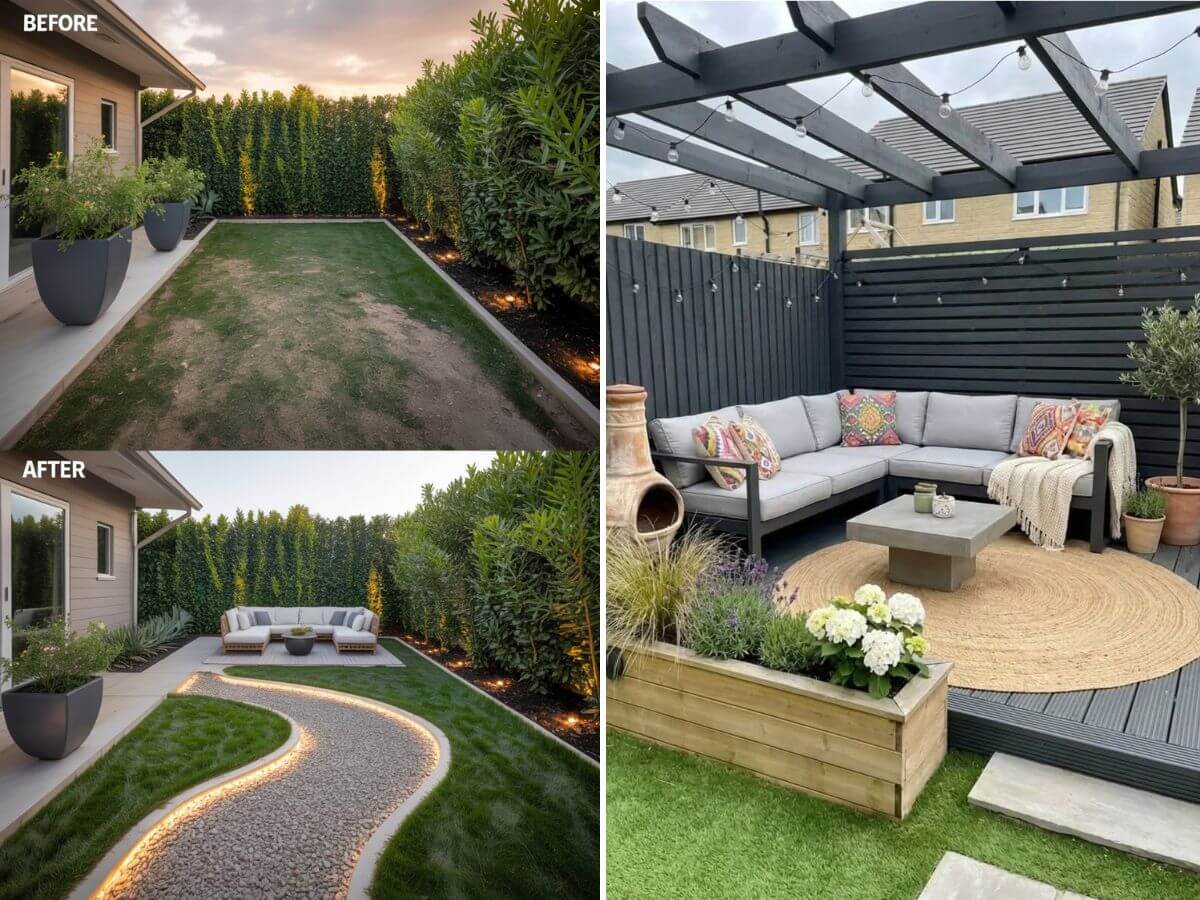
A seating area surrounded by ornamental grasses, shrubs, or large planters often feels much more secluded than the rest of the yard.
Privacy isn’t only about blocking views. Comfort matters too.
Sometimes a backyard feels exposed because there isn’t enough shade or separation from the surrounding environment.
The editors at Better Homes & Gardens highlight how thoughtful layout changes can improve both comfort and privacy, writing, “Moving the patio away from the hot walls instantly made the space cooler and adding a pergola created even more shade and privacy.”
Small adjustments like adding overhead structure, repositioning seating, or creating shaded zones can dramatically change how a backyard feels without requiring a complete redesign.
That’s why I prefer landscaping around destinations rather than landscaping around property lines.
And speaking of destinations, every backyard retreat needs somewhere worth spending time.
Create One Destination Inside Your Backyard
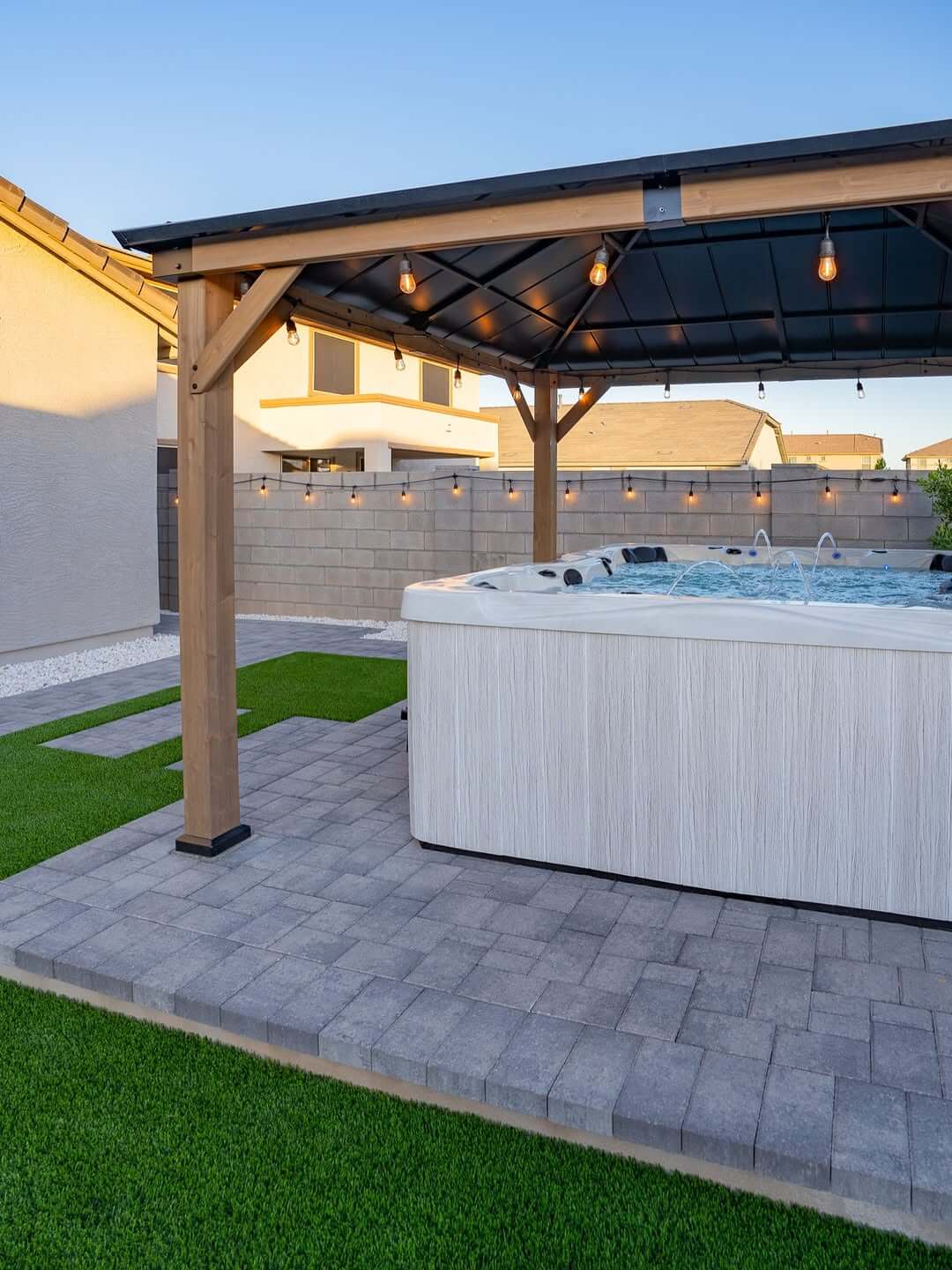
One of the biggest landscaping mistakes homeowners make is treating the entire backyard the same way.
Everything receives equal attention.
Everything serves the same purpose.
The result often feels flat.
The most inviting backyards usually have a destination.
A place that naturally draws people outside.
A place that gives the yard a reason to exist beyond simply looking nice.
Build Around One Activity First
Before creating multiple zones, start with one.
A reading corner.
A fire pit area.
A coffee spot.
A shaded seating area.
A small dining space.
Choose the activity you want to do most often and build around it.
I’ve found that one well-designed destination often gets used more than an entire backyard filled with random features.
Create a Morning Coffee Spot
If you already enjoy coffee every morning, this might be the easiest win.
Place a comfortable chair somewhere with a pleasant view.
Add a small table.
Introduce a few surrounding plants.
That’s it.
You don’t need a major renovation to create a daily ritual that gets you outside.
Design a Reading Retreat
Some of the most relaxing backyard spaces I’ve seen are surprisingly simple.
A comfortable chair.
A little shade.
Some greenery.
A nearby side table.
The goal isn’t creating a magazine-worthy setup.
The goal is creating a space you actually want to use.
Add a Gathering Area
For many homeowners, a private retreat isn’t about solitude.
It’s about connection.
A seating area surrounded by landscaping can become the place where conversations happen, where family gathers, and where people naturally spend more time outdoors.
Once the destination exists, the next step is helping the rest of the backyard support it.
That’s where pathways become incredibly useful.
Use Pathways to Make the Backyard Feel More Intentional
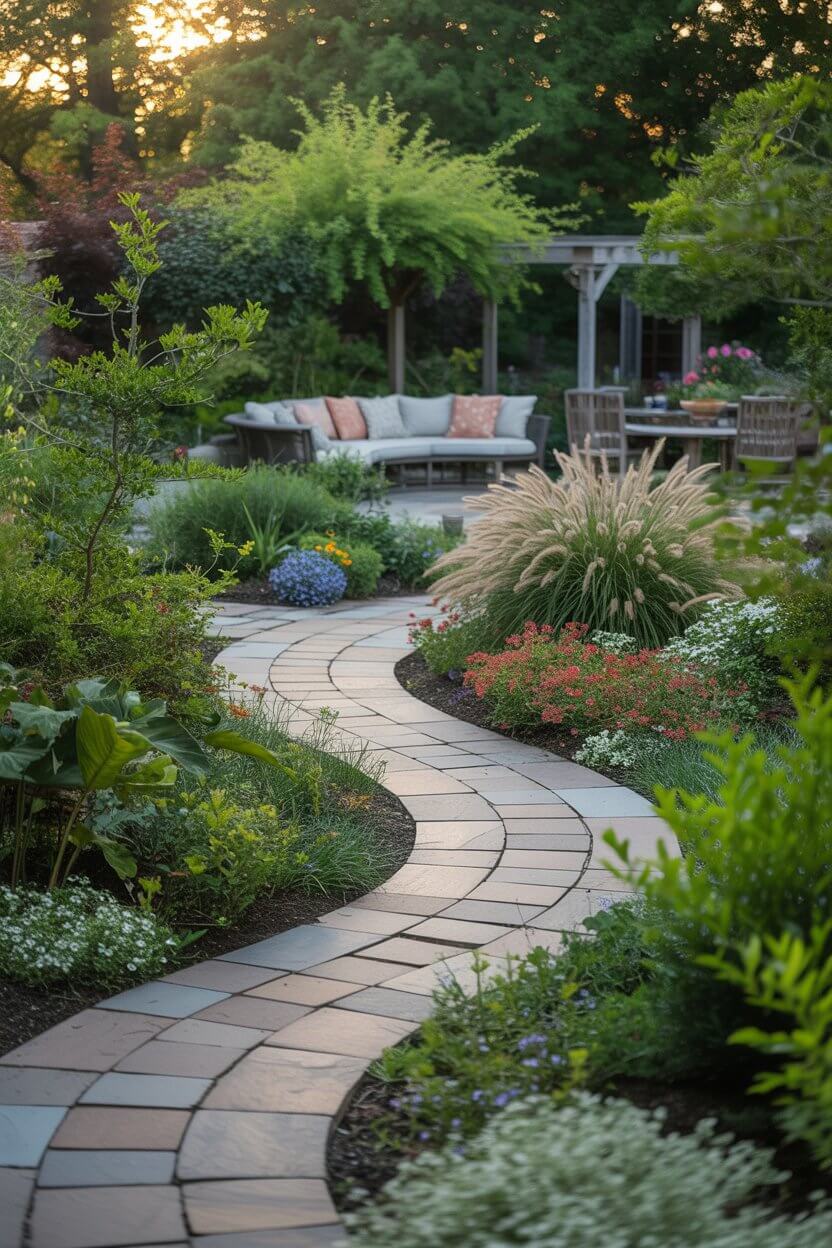
A pathway does something interesting.
It makes people curious.
Even a simple path encourages movement.
It creates a sense of discovery.
And it instantly makes a backyard feel more thoughtfully designed.
Why Pathways Change How a Yard Feels
Without pathways, outdoor spaces can sometimes feel like one large open area.
A path creates direction.
It tells people where to go.
It creates the feeling that something interesting is waiting ahead.
This works whether you’re guiding visitors toward a seating area, a fire pit, a garden, or a quiet corner of the yard.
Connect Different Backyard Zones
One thing I’ve noticed is that backyards feel larger when they contain destinations connected by pathways.
A seating area linked to a garden.
A patio connected to a fire pit.
A reading corner connected to a planting bed.
The space suddenly feels more dynamic.
Small Backyard Pathway Ideas
You don’t need a large property to benefit from this concept.
Simple gravel paths.
Stepping stones.
Mulch pathways.
Even subtle changes in material can help create visual flow.
In smaller backyards, pathways often create the illusion that the space extends farther than it actually does.
Make the Journey Part of the Experience
A private retreat isn’t only about where you end up.
It’s about how you get there.
A pathway lined with plants, grasses, or landscape lighting can make even a short walk feel more enjoyable.
Once people reach the destination, the landscaping itself should help create the feeling of escape.
That’s where lush planting becomes important.
Layer Plants to Make the Space Feel Lush
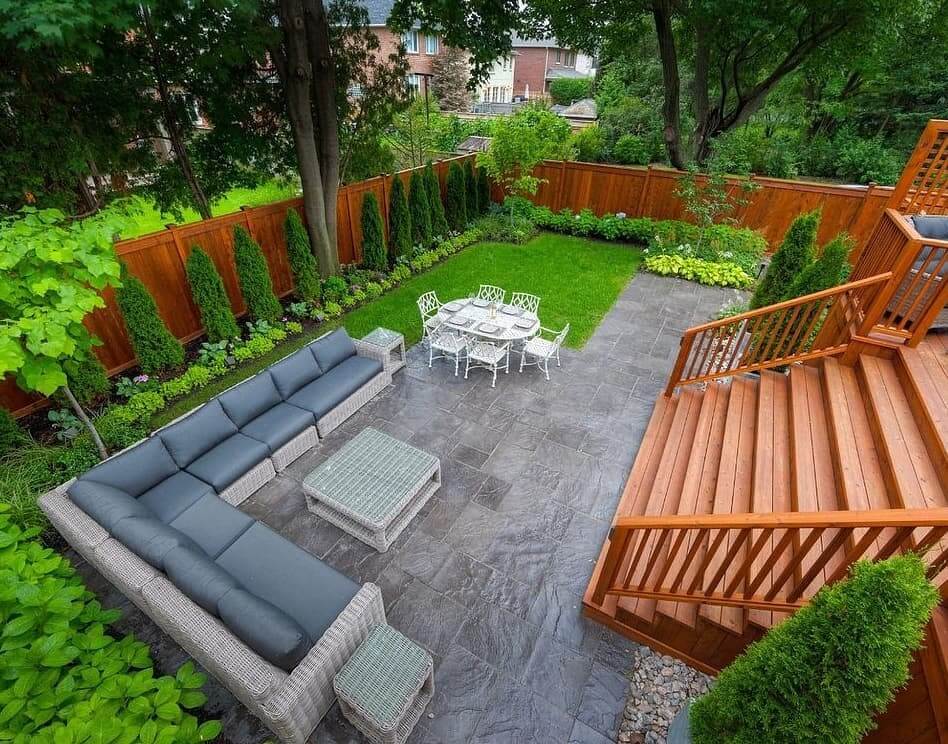
Many people assume a lush backyard requires hundreds of plants.
It doesn’t.
In fact, some of the most beautiful landscapes rely on repetition rather than variety.
The goal isn’t creating visual chaos.
The goal is creating a sense of abundance.
Combine Height, Texture, and Shape
Great landscaping feels layered.
Tall elements create structure.
Medium plants provide fullness.
Lower plants soften edges.
When different heights work together, the yard immediately feels richer and more established.
Repeat Plants Instead of Collecting Them
One common mistake is buying a different plant every time you visit a garden center.
The result can feel scattered.
Repeating a few favorite plants often creates a much stronger visual impact.
The eye naturally enjoys rhythm and consistency.
A landscape built around a handful of repeated varieties often feels calmer and more intentional.
Focus on Foliage, Not Just Flowers
Flowers are wonderful.
But they’re only part of the story.
Many private retreats rely heavily on foliage.
Interesting leaf shapes.
Different shades of green.
Textural contrast.
These elements create beauty throughout the year rather than only during blooming seasons.
Create Interest in Every Season
A backyard retreat should still feel inviting after summer ends.
Think about evergreen shrubs, ornamental grasses, interesting bark, and plants that provide structure year-round.
That way the landscape continues contributing to the experience no matter the season.
I’ve found that the most relaxing backyards aren’t necessarily the most colorful.
They’re often the ones that feel layered, balanced, and connected to nature.
And nature becomes even more powerful when it engages more than one sense.
Add Landscaping That Appeals to More Than One Sense
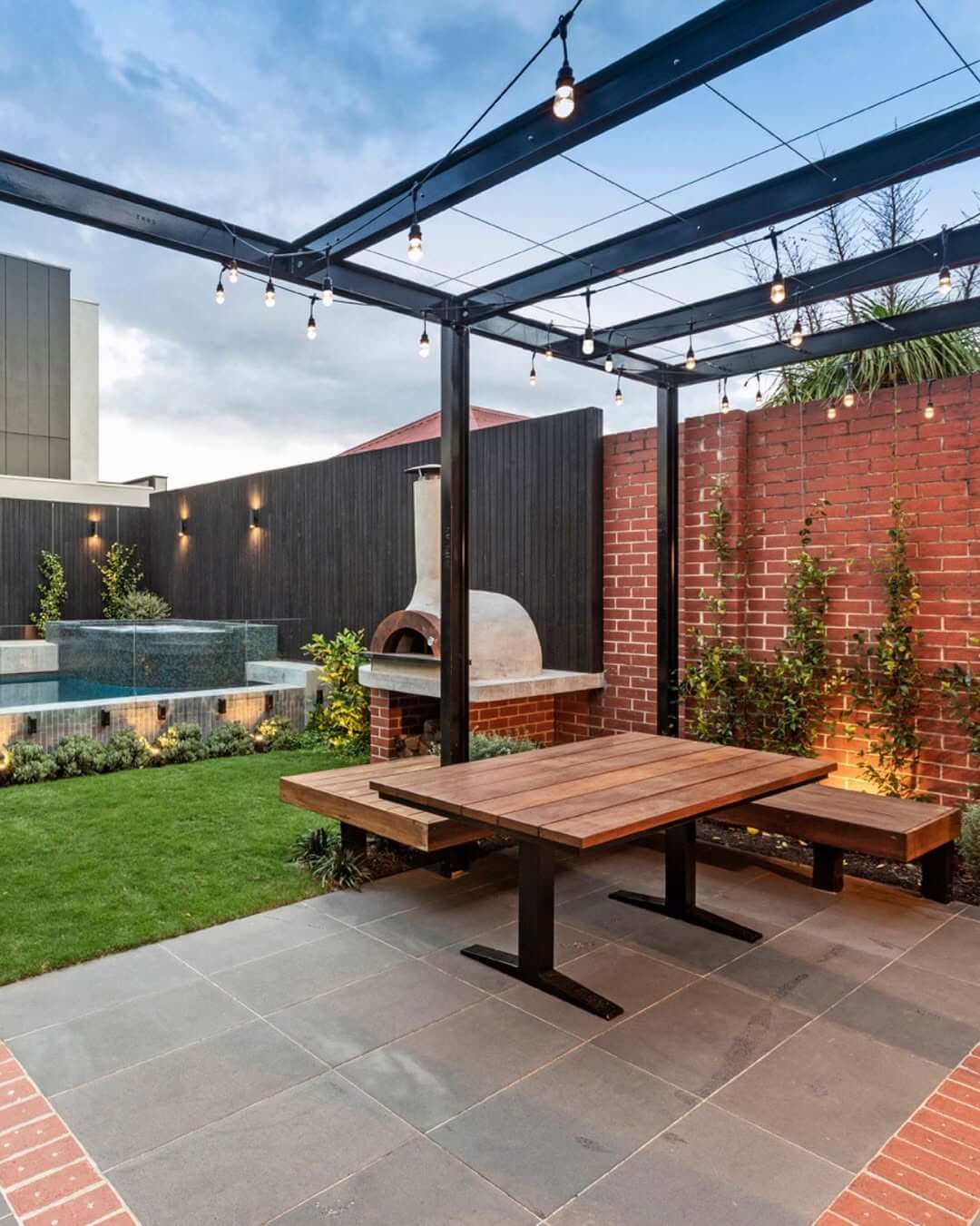
A truly memorable backyard retreat isn’t only something you see.
It’s something you experience.
The sound of leaves moving in the breeze.
The scent of nearby flowers.
The gentle movement of ornamental grasses.
The sound of water.
These small details often have a bigger impact than people expect.
Use Fragrant Plants Near Seating Areas
Instead of placing fragrant plants at the edge of the property, bring them closer to where people spend time.
Near a chair.
Along a pathway.
Beside a patio.
The scent becomes part of the experience rather than something you only notice occasionally.
Add Movement to the Landscape
Ornamental grasses are one of my favorite examples.
Even on calm days, they add texture.
When the wind picks up, they create motion that makes the landscape feel alive.
That movement contributes to the feeling of being immersed in nature.
Consider Water Features
A backyard doesn’t need a large pond to benefit from water.
Even a small fountain can introduce soothing sound and create a stronger sense of retreat.
Sound often helps mask neighborhood noise and makes outdoor spaces feel more peaceful.
Invite Nature Into the Yard
Bird-friendly plants, pollinator gardens, and native landscaping can make the backyard feel more vibrant.
When butterflies, birds, and beneficial insects become part of the environment, the yard feels less like a landscape project and more like a living space.
One thing I’ve noticed is that the most memorable backyards rarely rely on appearance alone.
They create experiences.
You hear them.
You smell them.
You interact with them.
That’s what transforms a beautiful yard into a true retreat.
The good news is that these ideas work surprisingly well even in smaller backyards.
And that’s where we’ll go next.
Backyard Landscaping Ideas for Small Spaces
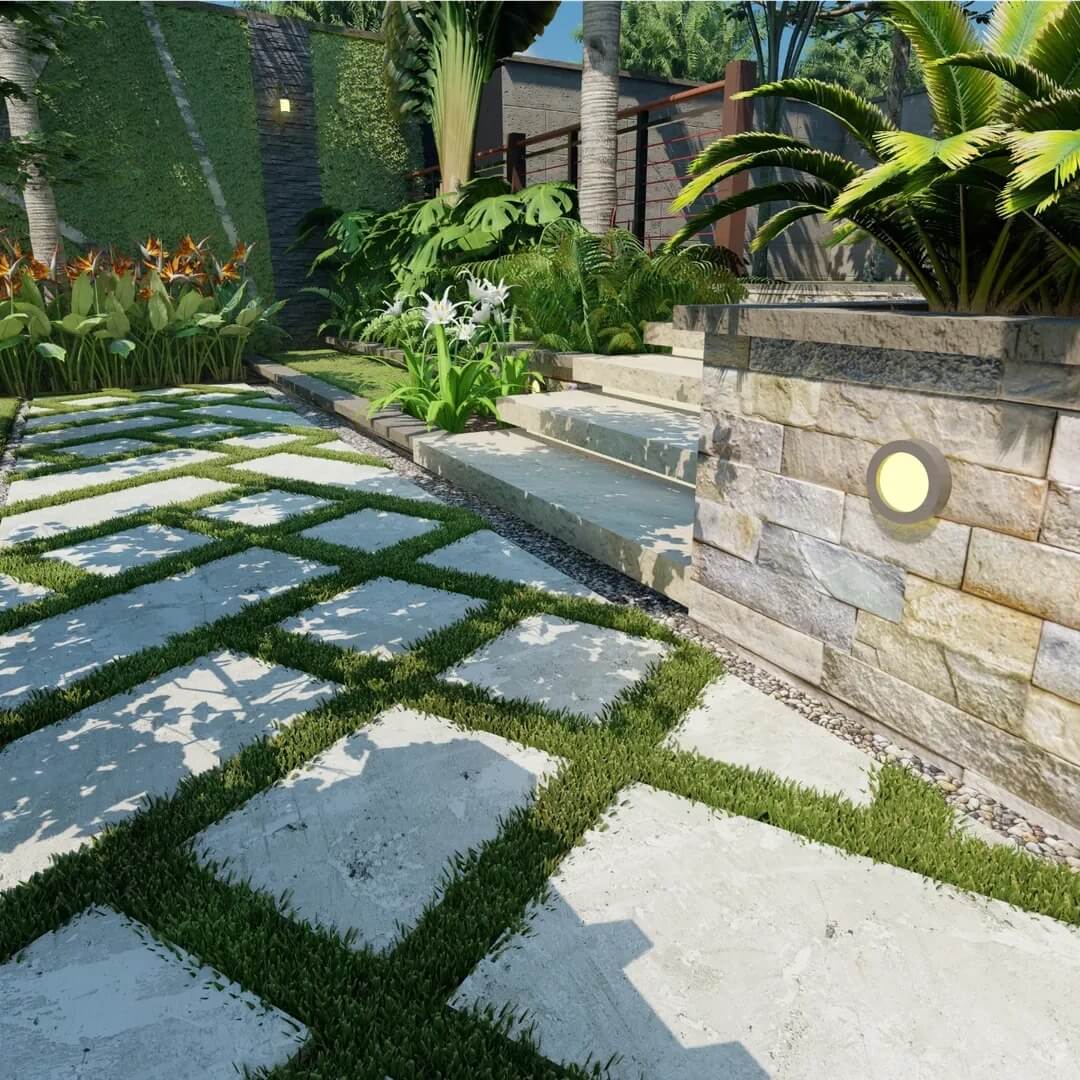
One of the biggest myths in landscaping is that you need a large backyard to create a private retreat.
You don’t.
Some of the most peaceful outdoor spaces I’ve seen were surprisingly compact.
The secret isn’t having more square footage.
It’s using the available space more intentionally.
Create One Strong Focal Point
Small backyards benefit from simplicity.
Instead of trying to include multiple destinations, create one area that naturally attracts attention.
A cozy seating area.
A small water feature.
A fire pit.
A statement tree.
When the eye knows where to focus, the entire backyard feels more organized.
Use Vertical Space
When ground space is limited, think upward.
Trellises.
Climbing plants.
Decorative screens.
Vertical gardens.
These elements add greenery and privacy without consuming valuable square footage.
I’ve found that vertical landscaping often makes small backyards feel significantly larger because it draws attention upward.
Avoid Overcrowding
Many homeowners try to maximize every inch of a small backyard.
The result usually feels cramped.
Open space is valuable.
In fact, empty space is often what allows landscaping features to stand out.
A small backyard with breathing room almost always feels more relaxing than one packed with furniture and plants.
Use Fewer, Larger Elements
One larger planter often creates more impact than five small ones.
One statement shrub often works better than multiple tiny plants.
Larger elements help simplify the landscape and reduce visual clutter.
And simplicity is one of the biggest contributors to a retreat-like atmosphere.
One thing I’ve learned from small-space landscaping is that restraint often produces better results than abundance.
Not every corner needs something in it.
Giving the eye a place to rest is part of what makes a backyard feel peaceful.
Once the landscaping feels peaceful during the day, the next step is making it just as inviting after sunset.
Use Lighting to Extend the Retreat Into the Evening
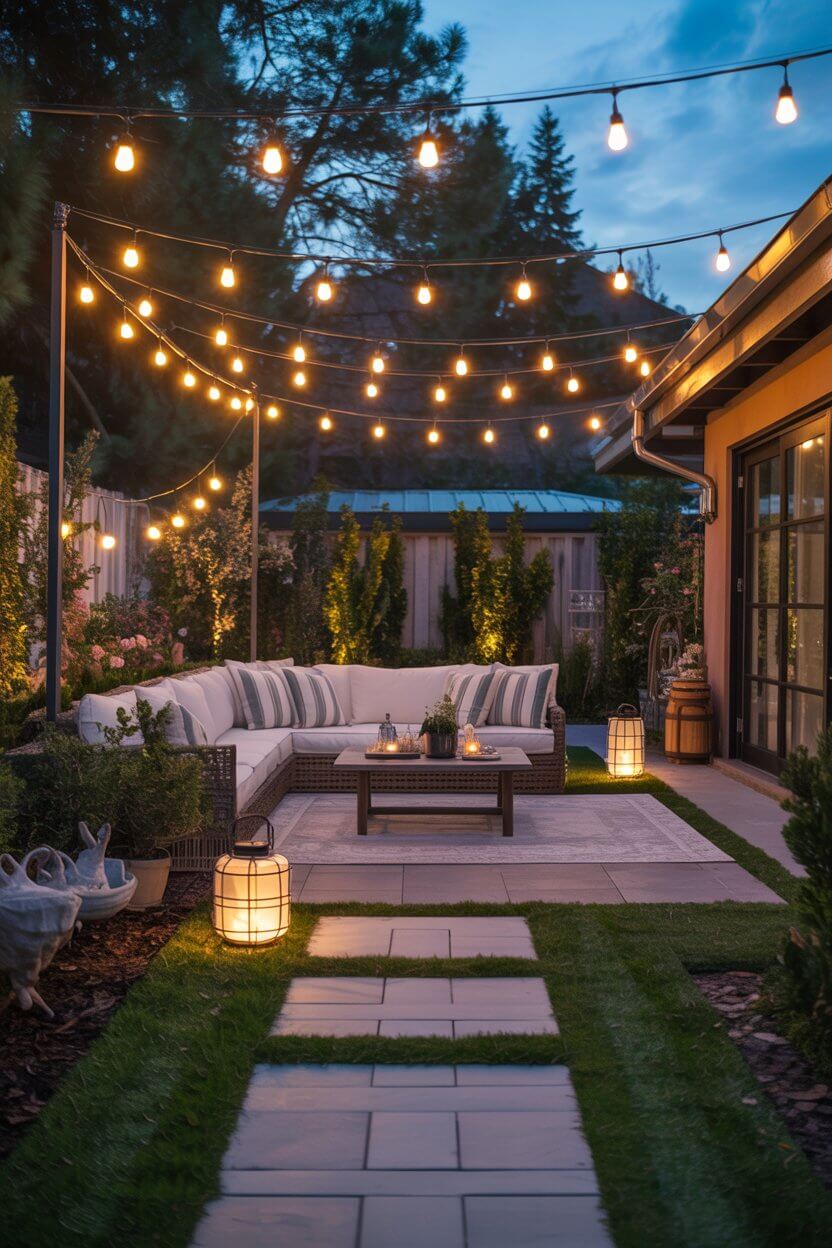
Many homeowners focus entirely on daytime landscaping.
The problem is that some of the most enjoyable moments outdoors happen after the sun goes down.
Lighting helps extend the experience.
Create a Warm Glow Instead of Brightness
A private retreat shouldn’t feel like a parking lot.
The goal isn’t maximum brightness.
The goal is comfort.
Soft lighting often feels far more inviting than harsh floodlights.
Think warm pools of light rather than fully illuminated spaces.
Highlight Key Features
You don’t need to light everything.
In fact, landscaping often looks better when only selected elements are illuminated.
A beautiful tree.
A pathway.
A seating area.
A water feature.
These focal points create depth and atmosphere.
Use Layered Lighting
String lights.
Path lights.
Lanterns.
Accent lighting.
When multiple layers work together, the backyard feels more welcoming and more intentional.
I’ve noticed that outdoor spaces often feel more expensive when lighting is subtle and layered rather than bright and overwhelming.
Make Seating Areas Feel Cozy
Lighting should support the places where people actually spend time.
A comfortable chair becomes even more inviting when it’s surrounded by warm lighting.
A seating area becomes more useful when people want to stay there after dark.
That’s ultimately what a private retreat is all about.
Creating a place you want to use.
Not just look at.
And if you’re looking for quick wins, there are several improvements you can make this weekend.
7 Backyard Landscaping Upgrades You Can Do This Weekend
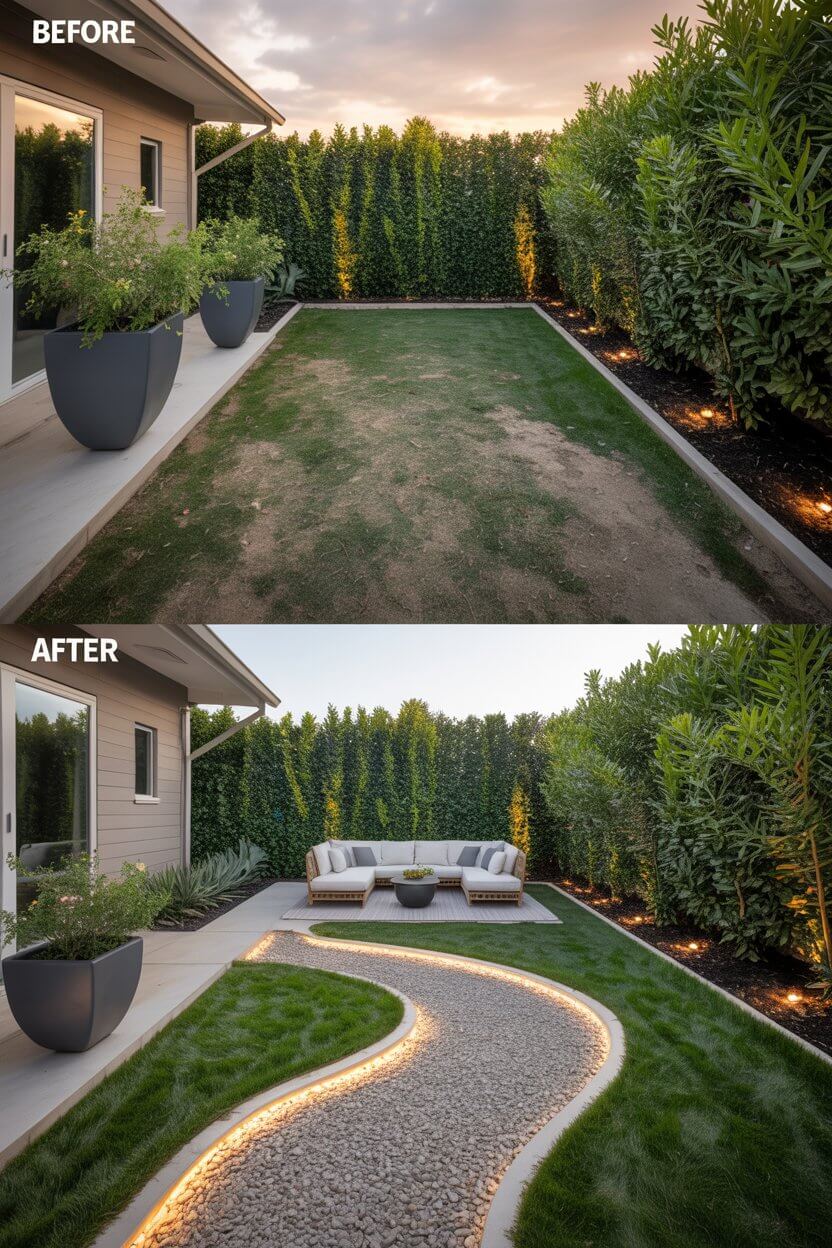
You don’t need a complete backyard renovation to make a noticeable difference.
Often, small improvements create the biggest results.
1. Add One Large Planter
Instead of scattering small containers throughout the yard, choose one oversized planter.
Position it near a seating area or backyard entrance.
It instantly creates structure and visual impact.
Large containers tend to create a stronger focal point than multiple smaller pots competing for attention.
2. Create a Simple Pathway
A few stepping stones or a gravel path can completely change how a backyard feels.
Even a short path creates movement and makes the landscape feel more intentional.
One thing I’ve noticed is that pathways often encourage people to explore parts of the yard they would otherwise ignore.
3. Add Landscape Lighting
Install a few solar path lights or highlight one feature you love.
Lighting is one of the fastest ways to make a backyard feel more inviting.
Even a modest lighting upgrade can extend how often you use the space.
4. Plant a Privacy Screen
A row of shrubs or tall ornamental grasses can immediately improve privacy.
Even partial screening often makes outdoor spaces feel more comfortable.
You don’t need to hide the entire yard.
You only need to improve the areas where you spend the most time.
5. Define a Seating Area
Create a destination.
Add chairs.
Position them around a focal point.
Introduce a rug or planters.
Give people a reason to spend time there.
A well-defined seating area often becomes the most-used part of the backyard surprisingly quickly.
6. Remove Visual Clutter
This may be the most effective upgrade on the list.
Walk through the backyard and identify anything that doesn’t contribute to the experience.
Old pots.
Unused furniture.
Random accessories.
Removing clutter often improves a landscape faster than adding something new.
7. Add One Sensory Element
A fragrant plant.
A fountain.
Ornamental grasses.
Something that adds sound, scent, or movement.
These details often make a backyard feel dramatically more immersive.
I’ve found that the most successful backyard transformations rarely happen because of one expensive project.
They happen because of several thoughtful improvements working together.
Before wrapping up, let’s cover a few mistakes that frequently prevent backyards from feeling like the peaceful retreats homeowners want.
Common Backyard Landscaping Mistakes
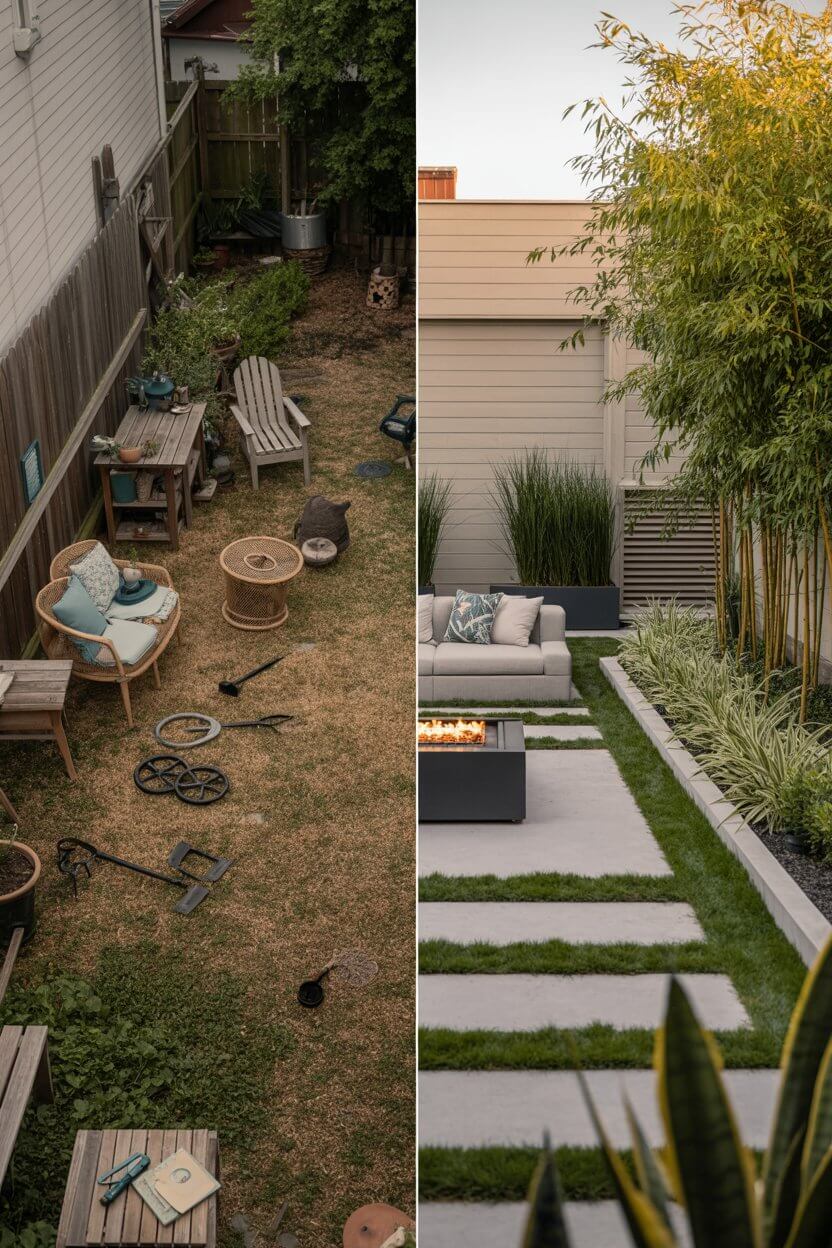
Most backyard problems aren’t caused by a lack of space.
They’re caused by a lack of intention.
Trying to Include Everything
A fire pit.
A dining area.
A garden.
A play area.
A water feature.
Multiple seating zones.
Trying to fit everything into one backyard often creates clutter instead of comfort.
The best retreats usually focus on a few things and do them well.
Ignoring Privacy
A beautiful backyard can still feel uncomfortable if neighboring houses dominate the view.
Privacy is often one of the fastest ways to improve how a space feels.
Even partial screening can dramatically change the experience.
Overcomplicating the Design
More plants don’t always create a better landscape.
More features don’t always create a better experience.
Simple landscapes are often easier to maintain and more enjoyable to use.
One thing I’ve noticed is that many homeowners underestimate how relaxing simplicity can feel.
Forgetting How the Space Will Actually Be Used
This is probably the biggest mistake of all.
Landscaping should support real life.
Not just photographs.
The best backyards are designed around the people who use them.
Not around trends.
Fortunately, all of these mistakes are easy to avoid once you focus on the experience first.
And that leads to the biggest takeaway from this entire guide.
How to Create a Backyard That Feels Like a Private Retreat
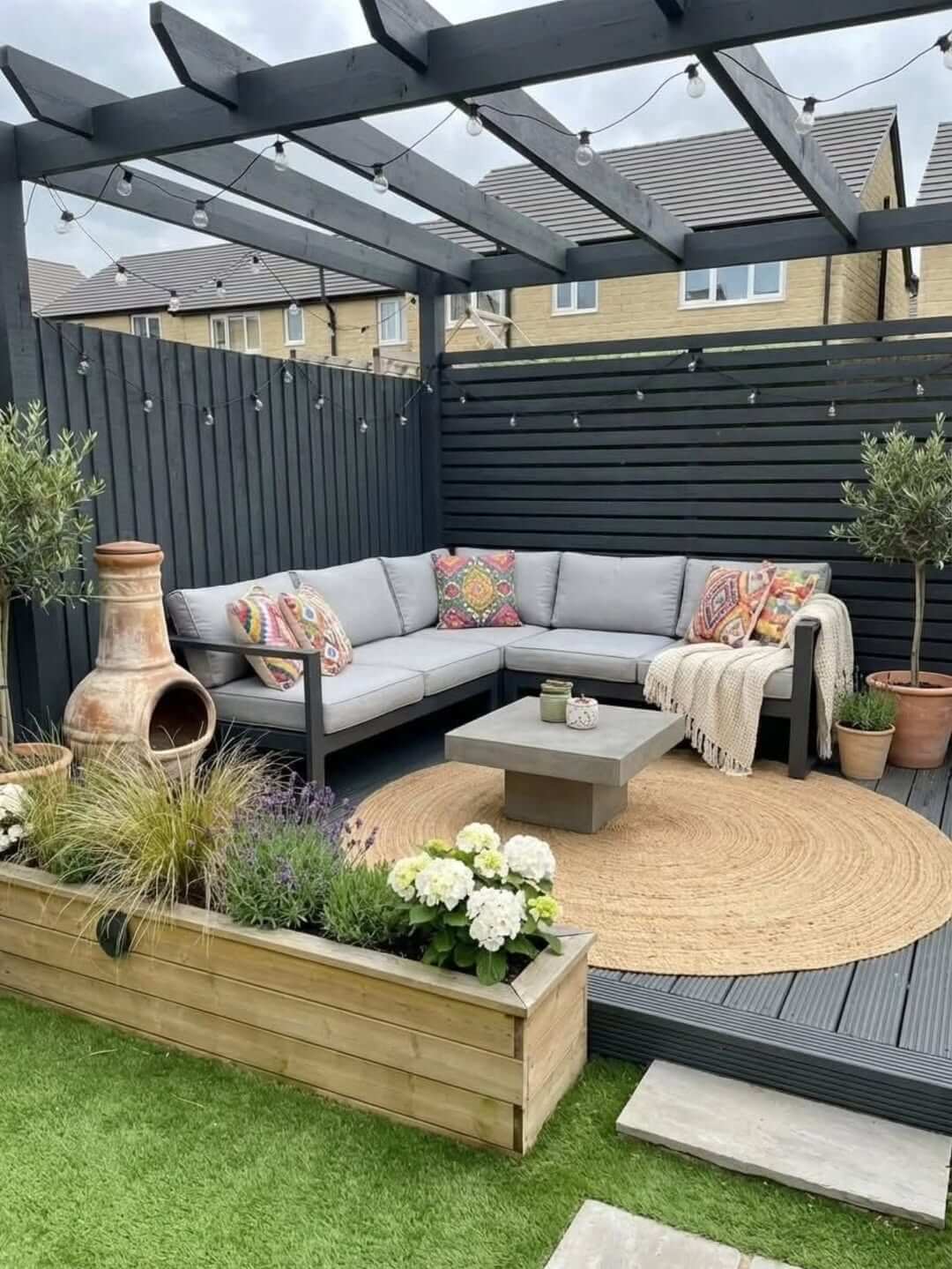
If there’s one thing worth remembering, it’s this.
A private retreat isn’t created by a specific plant, patio, or landscaping style.
It’s created by how the space makes you feel.
Think about what helps you relax.
Privacy.
Comfort.
Nature.
Quiet.
Connection.
Then build around those things.
Start small if necessary.
Create one destination.
Add layers of greenery.
Introduce privacy.
Improve comfort.
Focus on atmosphere rather than square footage.
I’ve noticed that the backyards people love most aren’t necessarily the biggest or most expensive.
They’re the ones that feel personal.
Every path has a purpose.
Every seating area feels inviting.
Every detail contributes to the experience.
That’s what transforms a backyard into a retreat.
Not more landscaping.
Better landscaping.
Final Thoughts
The best backyard landscaping ideas aren’t about making a yard look impressive.
They’re about creating a space that helps you slow down and enjoy being outside.
When privacy feels intentional, seating feels comfortable, plants feel layered, and the landscape supports the way you actually live, a backyard becomes much more than an outdoor space.
It becomes a retreat.
A place to enjoy your morning coffee.
A place to unwind after work.
A place to spend time with family and friends.
A place that feels separate from the demands of everyday life.
Some of the best moments happen close to home.
And a thoughtfully designed backyard makes those moments happen more often.
I’ve found that the most successful landscapes aren’t the ones that attract the most compliments.
They’re the ones that quietly become part of daily life.
The chair you use every morning.
The pathway you walk every evening.
The shaded corner where conversations seem to last a little longer.
That’s the real goal of backyard landscaping.
Not creating something that looks beautiful for a photograph.
Creating a place you genuinely enjoy returning to.
Because when a backyard feels like a retreat, you don’t have to travel far to recharge.
You simply step outside.