2027 Window Treatment Trends That Make a Home Look Expensive
I’ve walked into plenty of beautiful rooms where something still felt unfinished, and more often than you’d expect, the windows were the reason.
The furniture worked. The rug was the right size. The colors made sense together.
Then there were two thin curtain panels hanging tightly around the window, ending a little too high above the floor.
Windows take up a lot of visual space, yet they’re often one of the last things we think about when decorating a room.
That’s why I’m paying attention to where window treatments are heading for 2027.
The looks I’m most interested in aren’t about piling on decoration. They’re moving toward fuller fabric, softer layers, warmer materials, stronger proportions, and treatments that feel connected to the room around them.
And you don’t need custom curtains throughout your house to borrow those ideas.
Sometimes the curtain itself isn’t even the problem. Moving the rod, adding another panel, changing the length, or choosing a fabric that relates better to the room can completely change how the window feels.
Before you buy anything, take a straight-on photo of one window in your home.
Don’t style it first.
We’ll come back to that photo because it can tell you surprisingly quickly what your window actually needs.
Curtains Are Getting Fuller, Not Fussier
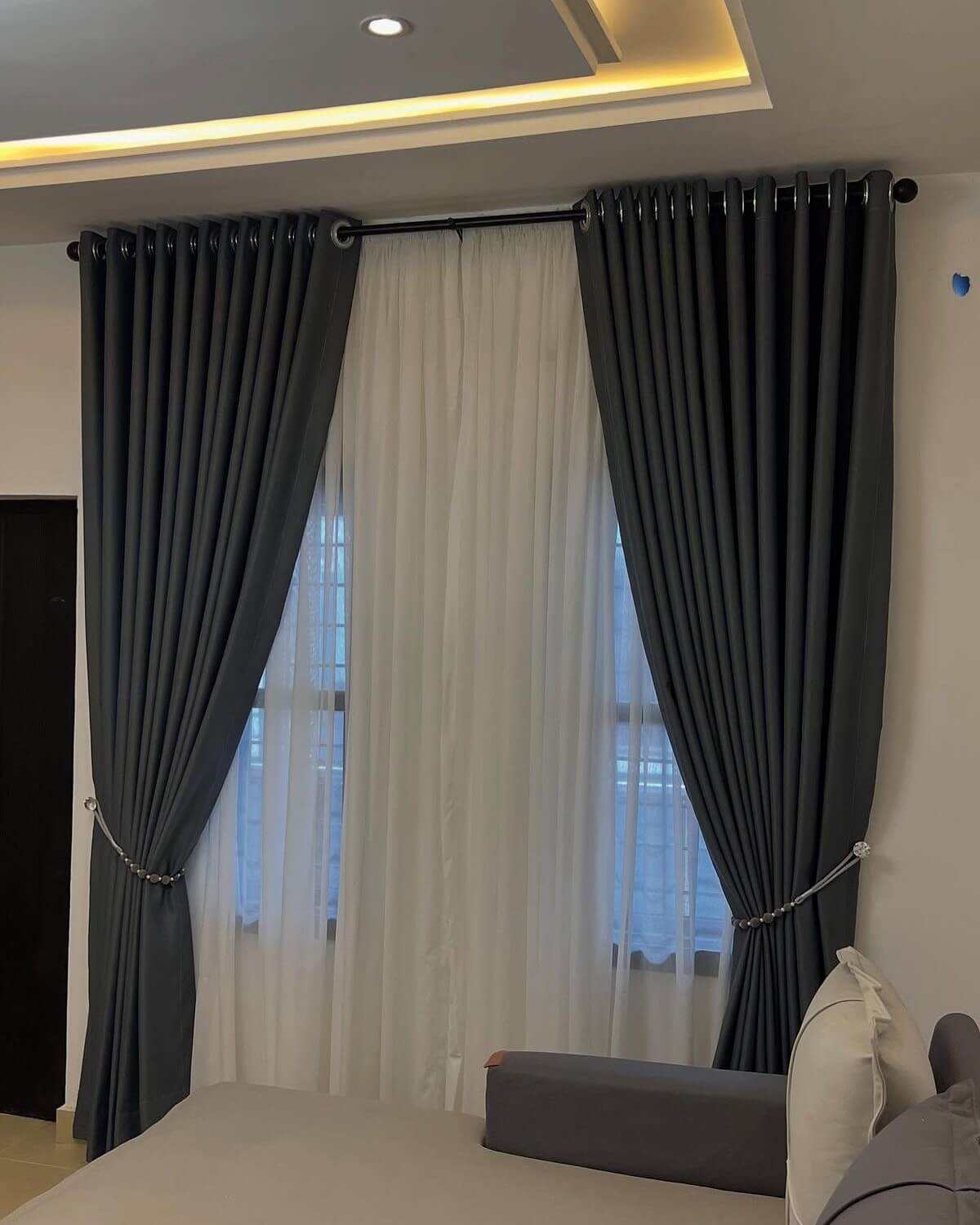
One of the easiest ways to make curtains feel more expensive is to give them enough fabric.
Close yours completely.
Do you still see soft folds running from top to bottom, or do the panels stretch almost flat across the window?
That difference matters.
Better Homes & Gardens points toward fuller drapery in its look at changing window treatment styles. Everhem co-founder Haley Weidenbaum says, “Full, dramatic curtains with puddled hems and decorative pleats are very popular, adding a sense of luxury and softness.”
You don’t have to puddle fabric across your floor to use that idea.
I’m more interested in the fullness.
Even beautiful fabric can look skimpy when there isn’t enough of it.
Before replacing yours, try a quick experiment.
Borrow an extra panel from another window if you have one in a similar color. Hang it beside the existing panels and take another photo.
Don’t worry if the temporary setup isn’t perfect. You’re looking at volume.
If the window suddenly feels softer and more generous, you may have found the problem without changing the color, rod, or entire treatment.
Once the fabric feels full enough, color is the next place to look.
Window Color Is Getting Warmer and More Connected
White curtains are easy.
They work with almost anything, which is probably why so many of us buy them without thinking much about it.
But white isn’t the only safe choice.
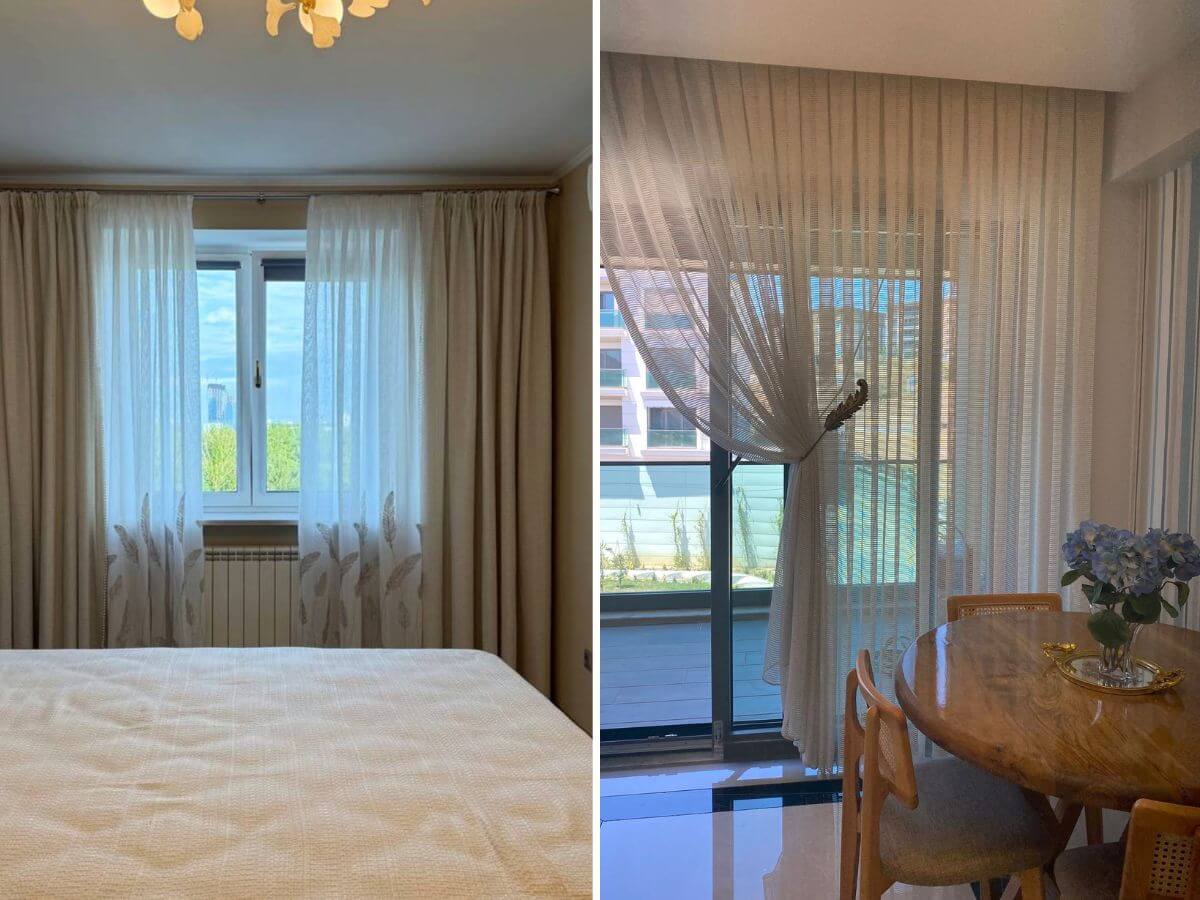
Warm cream, oatmeal, mushroom, flax, dusty blue, muted green, soft brown, and quieter patterns can give the window more connection to the room.
Interior designer Bunny Williams has a useful way of thinking about this. In House Beautiful’s advice on treating curtains as part of the room, she says, “To this day, if I have big windows, I treat them like the color of the room.”
I like that idea because it changes the question.
Instead of asking, “What color curtains should I buy?” look at what is already happening around the window.
Maybe there’s a warm beige running through the rug.
Perhaps your bedding has a muted green you could pick up at the window.
A brown sofa might feel more at home beside oatmeal curtains than bright white ones.
You don’t have to match anything exactly.
Pulling from a color that already exists somewhere in the room can be enough to make the treatment feel like it belongs.
If you’re nervous about leaving white behind, move one step rather than five.
Try cream.
Try warm ivory.
Try a white fabric with visible texture.
That brings us to something color alone can’t do.
Texture Can Make Simple Curtains Look Richer
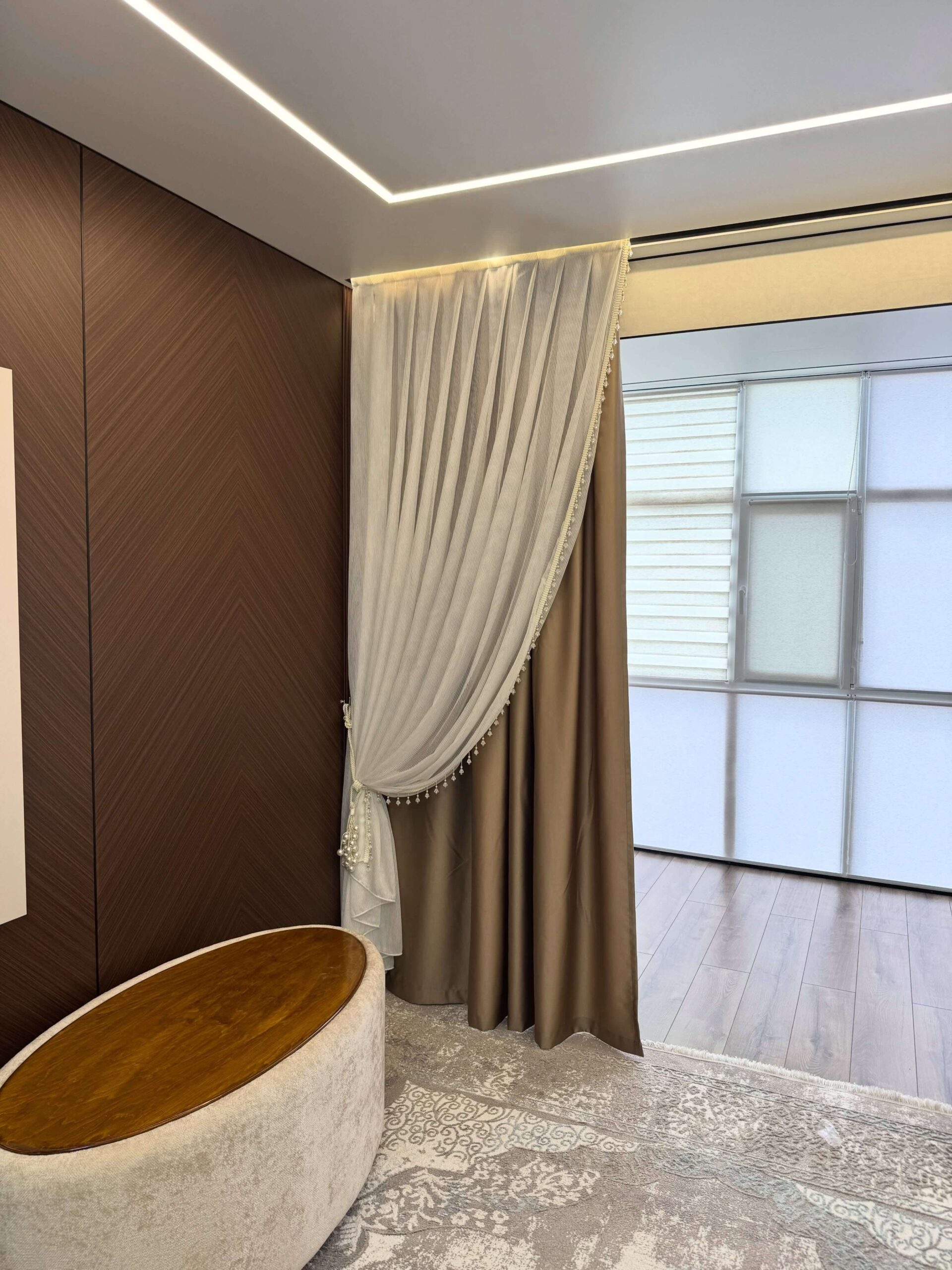
Two beige curtains can look completely different from across a room.
One may be perfectly smooth and flat.
The other might have a visible weave that catches the daylight and gives the fabric more depth.
That little bit of texture can do a lot in a room filled with smooth painted walls, polished furniture, glass, and flat upholstery.
Look at linen and linen-look fabrics, cotton, woven materials, and relaxed weaves.
But don’t choose fabric only from an online product image.
If you can get a sample, take it to the actual window.
Hold it up during the day.
Light coming through fabric can change its color and transparency more than you expect.
A warm cream may suddenly look much lighter. A fabric you thought was opaque may become surprisingly sheer.
Then check it again after sunset.
Turn on the lamps you normally use and look at the sample under artificial light.
You want to know what you’re actually buying before committing to several panels.
And sometimes one fabric isn’t expected to do every job.
That’s where layering becomes much more interesting.
Layered Window Treatments Are Giving Rooms More Depth
A shade and curtains can look beautiful together.
So can a sheer layer behind heavier drapes.
But I wouldn’t add two treatments simply because a Pinterest photo made the combination look good.
Each layer should earn its place.
Homes & Gardens reports that double-dressed windows and layered treatments are already having a moment. Curtain maker Pat Giddens says, “Double-dressed windows are hugely popular right now, with layering taking center stage for 2026.”
That direction is one I’m watching closely as we move toward 2027.
The useful part for your home is figuring out what each layer does.
Try what I call the two-job test.
Ask yourself what the first treatment needs to accomplish.
Maybe you need privacy during the day.
Then ask what the second treatment does.
Perhaps curtains soften the room and make the window feel taller.
That’s a useful pairing.
A woven shade might control privacy while long curtains add softness.
A sheer can filter daylight while heavier curtains close at night.
But if you can’t explain why you need both layers, don’t buy both.
More fabric doesn’t automatically mean a better window.
Sometimes a single shade is exactly what the room needs.
Roman Shades Can Solve Windows Where Curtains Feel Awkward

Not every window wants curtains reaching the floor.
Think about a kitchen window over a counter.
Or a bedroom where a desk sits directly beneath the window.
Maybe the sofa backs into it.
Perhaps there isn’t enough wall on either side for curtain panels to sit comfortably.
That’s where I would look at Roman shades.
You still get fabric and softness, but the treatment stays within the window area rather than competing for space around it.
This can be especially helpful in small rooms.
Stand in front of your window and look at the furniture nearby.
Would long curtains have somewhere to fall naturally?
If the answer is no, don’t force them just because floor-length curtains look beautiful somewhere else.
Work with the window you actually have.
A Roman shade can also be a lower-commitment place to introduce color or pattern because you’re working with much less fabric.
If you’re not ready for patterned curtains covering an entire wall, a shade may give you just enough.
There’s another material worth considering when a room needs warmth more than color.
Woven Shades Can Warm Up a Plain Window
Sometimes a room doesn’t need another color.
It needs another material.
Look around.
If you see painted walls, painted furniture, smooth upholstery, metal, and glass, a woven shade can introduce warmth without adding another piece of furniture.
The trick is not letting it become the only warm element in the room.
If you bring a brown woven shade into a mostly cool space, repeat a related tone somewhere else.
It could be a wood frame.
A basket.
The leg of a chair.
A lamp base.
A small wooden table.
You don’t need an exact match.
You just want the shade to have a friend somewhere in the room.
That small repetition can make the material feel intentional instead of randomly introduced.
And if natural texture feels too quiet for you, pattern deserves a look too.
Pattern Can Give the Window More Personality
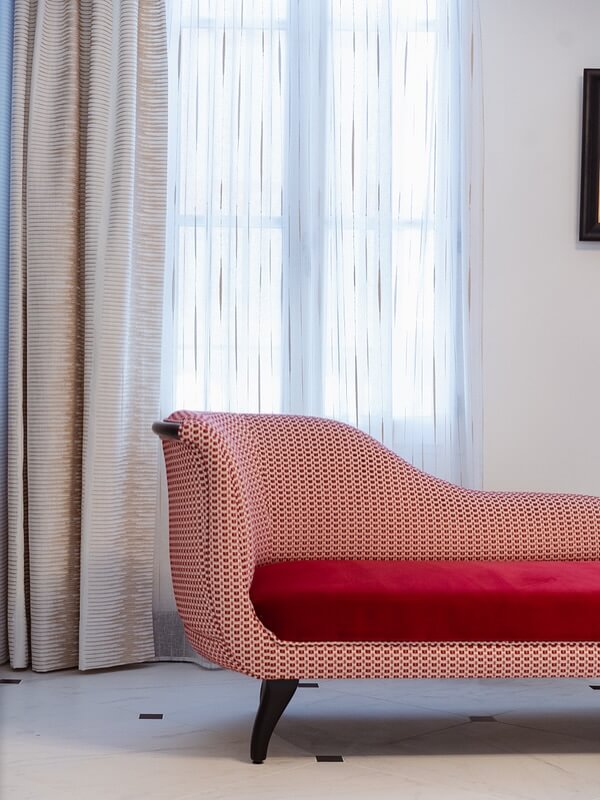
Patterned curtains can sound intimidating because they occupy so much visual space.
That’s also why they can be so good.
A stripe can give a quiet room more movement.
A small floral can soften a bedroom.
Checks can bring structure without feeling overly formal.
Botanical patterns can give a plain room something to build around.
But you don’t have to begin with the largest window in your house.
Start somewhere contained.
A guest bedroom is a good testing ground.
So is a breakfast nook, home office, or small Roman shade.
If you use pattern, look for one color inside it that already exists in the room.
Repeat that color somewhere nearby.
You don’t need another matching patterned object.
A pillow, lamp, throw, piece of artwork, or upholstered chair in a related shade can be enough.
Once the fabric starts feeling connected to the room, look at what’s holding it up.
Hardware can quietly change the whole treatment.
Curtain Hardware Is Part of the Window Too
A beautiful curtain hanging from a rod that feels too small can lose some of its presence.
Stand across the room and look at your hardware.
Does the rod disappear because it looks too thin for the scale of the window?
Or is it so decorative that you notice the finials before the curtains?
Neither extreme is necessary.
Simple metal finishes can work well.
Wood can add warmth.
Visible rings can become part of the treatment rather than something you’re trying to hide.
The important part is proportion.
Take a straight-on photo and judge the hardware in relation to the whole wall.
Before replacing the rod itself, check where it’s mounted.
That may make a bigger difference.
Try Moving the Curtains Higher and Wider
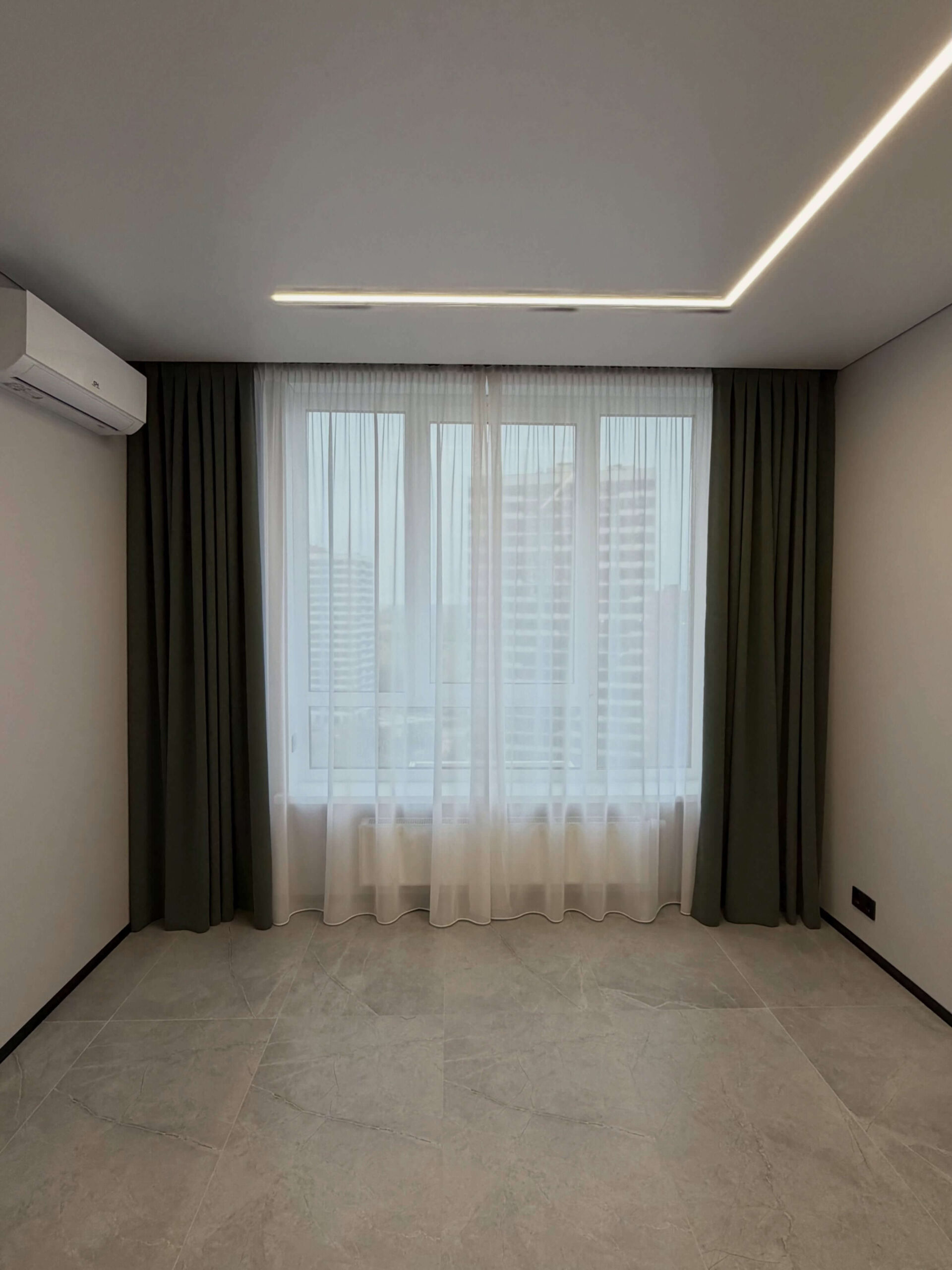
Sometimes the easiest way to improve curtains has nothing to do with the curtains.
It’s the rod.
When a rod hugs the top and sides of the window closely, the entire treatment can feel confined to the window frame.
Before drilling new holes, grab painter’s tape.
Mark a possible rod position a little higher.
Extend the tape farther beyond both sides of the window too.
Now walk away.
Does the window suddenly feel more generous?
Would the curtains have more space to sit beside the glass when they’re open?
Take a photo and compare it with the original.
This costs nothing and can keep you from moving hardware based on guesswork.
If you decide to change the rod position, don’t order curtains until you’ve settled on the final height.
Length comes next.
Floor-Length Curtains Should Look Deliberate
One of the first things I notice about curtains is where they stop.
A curtain that ends several inches above the floor can make the treatment feel disconnected.
At the other extreme, fabric piled heavily across the floor isn’t practical for every household either.
What you want is a length that looks chosen rather than accidental.
That’s why I wouldn’t measure the window and then shop for curtains.
Decide where the rod will sit first.
Then measure from that point toward the floor.
If you’re moving an existing rod higher, measure again.
Don’t assume the curtains you already own will still work.
And think about your everyday life.
Do you have a robot vacuum?
Pets?
Children who love grabbing fabric?
A vent directly beneath the window?
The prettiest curtain length on a styled photograph isn’t necessarily the smartest one in your home.
Your treatment has to survive an ordinary Tuesday.
Fortunately, getting the proportions right doesn’t mean ordering custom drapery.
Ready-Made Curtains Can Look Far More Custom
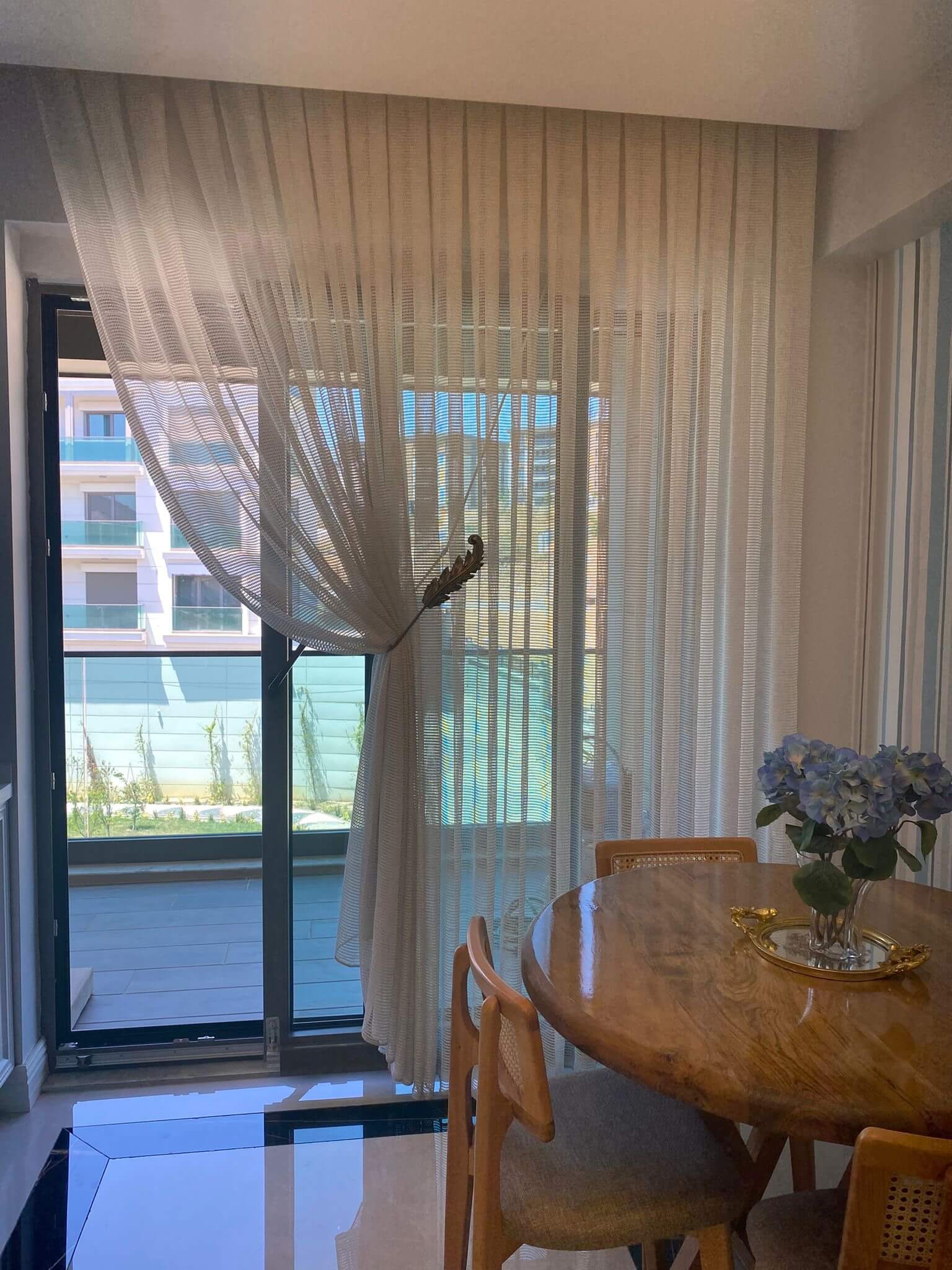
This is where I think people spend money too quickly.
They decide their curtains look inexpensive, so they start shopping for more expensive curtains.
But look at the setup first.
Are the panels full enough?
Are they long enough?
Is the rod in the right place?
Does the fabric work with the room?
Are the curtains still covered in fold lines from the package?
Fix those things before blaming the price tag.
One of the easiest improvements is also the least glamorous.
Steam them.
New curtains can come out of the package with deep horizontal and vertical creases.
Hang them, then steam or press them according to the care instructions.
Arrange the folds while the fabric hangs.
Now step back.
Rings or hooks may also change how ready-made panels hang, depending on the curtain style.
And if the panels are slightly too long, simple hemming may be worth considering rather than choosing a shorter length that ends awkwardly above the floor.
You don’t need every upgrade at once.
Good placement can make inexpensive curtains look much better.
And that is really the larger direction here.
Expensive-Looking Windows Don’t Need More Decoration
There can be a temptation to keep adding.
Decorative finials.
Tiebacks.
Trim.
Another layer.
A valance.
More pattern.
More hardware.
But an expensive-looking window doesn’t necessarily have more going on.
Often, it has fewer things done well.
Enough fabric.
A thoughtful length.
Hardware that suits the scale.
A material that works with the room.
Maybe a second treatment with an actual purpose.
Before adding another decorative detail, stand back.
Would the window look better with something else?
Or does it simply need the things already there to fit better?
That question matters even more in a small room.
Small Rooms Need Smarter Window Treatments, Not More of Them
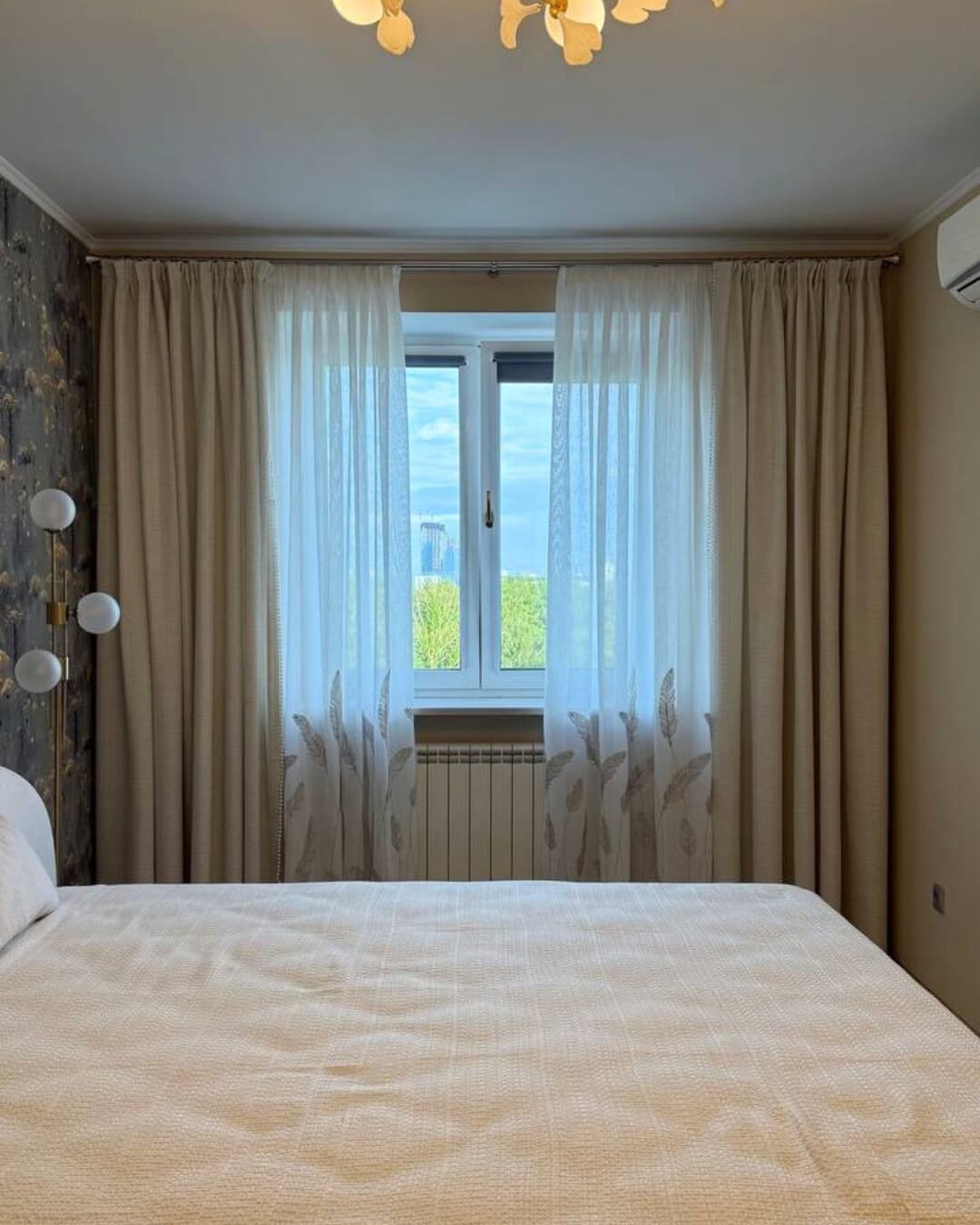
Small rooms don’t have spare space to give away.
If long curtains become trapped behind a desk, perhaps a Roman shade makes more sense.
If a bedroom already contains several pieces of furniture, quieter hardware may keep the window from feeling busy.
If you want curtains to add softness without consuming much visual space, keep the fabric connected to the room rather than introducing another competing color.
And don’t sacrifice usable space just to follow a trend.
I would rather have a simple shade that works well than curtains you’re constantly moving around furniture.
Think about how you actually use the room.
Can you open the window easily?
Can you reach the blind or shade?
Does furniture interfere with the curtain?
Does the treatment block a vent?
Does fabric drag across a surface every time you open it?
Those little annoyances matter because you’ll deal with them long after you’ve forgotten the Pinterest image that inspired the change.
Which is why I wouldn’t redo every window in the house at once.
Change One Window Before Changing the Whole House
Pick the window that bothers you most.
Maybe it’s the living room window everyone sees when they walk in.
Perhaps your bedroom curtains are obviously too short.
Maybe there’s a blind in the dining room that feels completely disconnected from everything around it.
Start there.
Then identify the problem before shopping.
Is there not enough fabric?
Is the treatment too short?
Does the rod feel squeezed around the window?
Is the color too cold for the room?
Would you benefit from a second layer?
Does the hardware feel out of scale?
Change one thing.
Then look again.
You may discover that moving the rod solves enough of the problem that you don’t need new curtains.
Or adding another panel may give you the fullness you were missing.
This is much cheaper than ordering treatments for six windows and realizing afterward that you don’t like the idea in your own home.
Once you’ve made the change, pull up that first photograph.
Give Your Windows the Photo Test
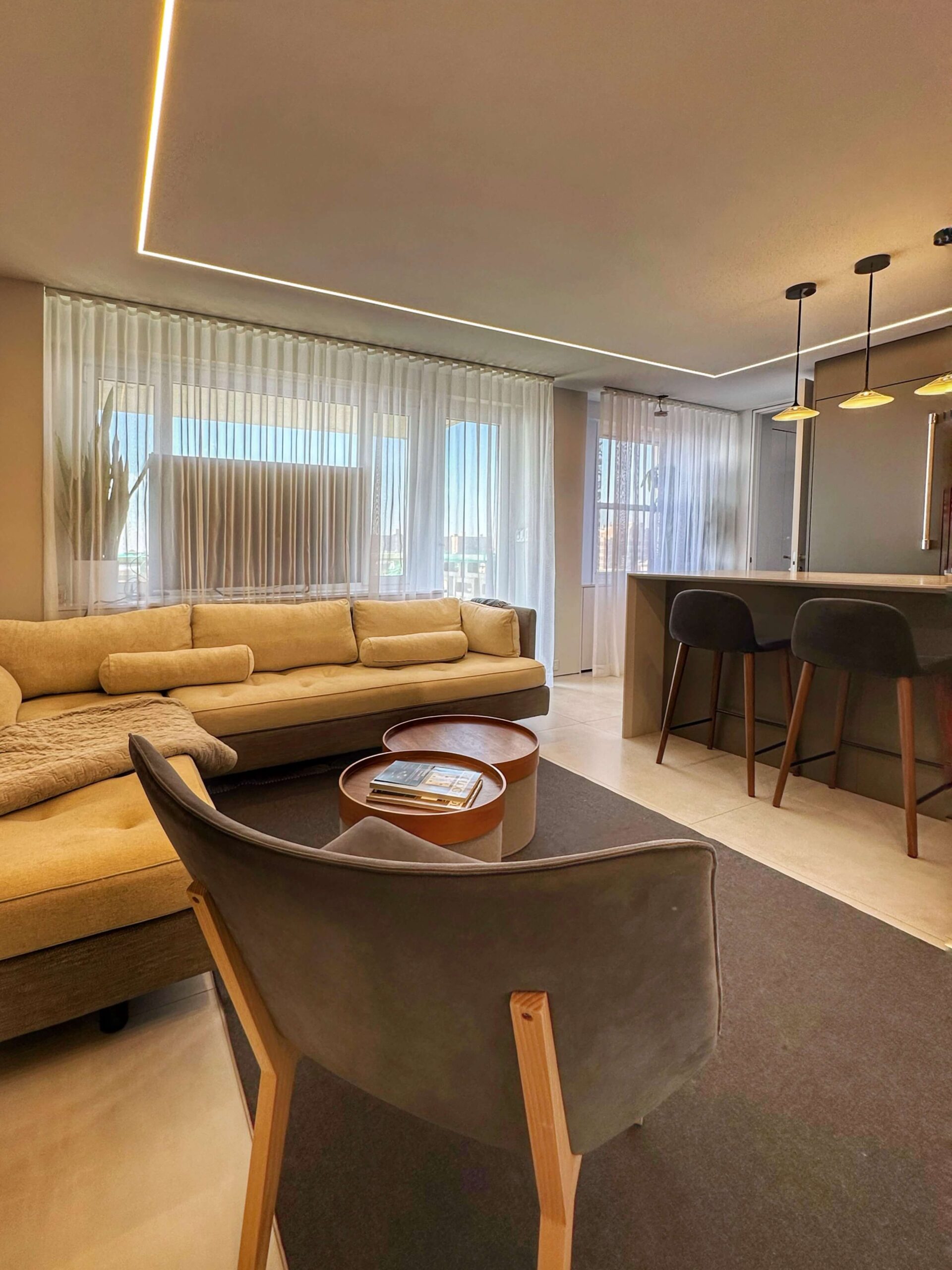
Remember the picture you took before doing anything?
Take another one from roughly the same position.
Put the two side by side.
Now ignore whether you personally like the curtains for a moment and look at the proportions.
Does the treatment frame the window or squeeze around it?
Does the fabric look soft and full or stretched and flat?
Does the color relate to something else in the room?
Does the hardware feel right for the size of the window?
Does anything stop at an awkward height?
Does the window feel connected to the rest of the room?
A photograph can make these things easier to notice because you’re seeing the whole wall in one frame.
If something still looks wrong, don’t immediately buy something else.
Figure out what the photo is telling you first.
The Most Expensive-Looking Windows Get the Proportions Right
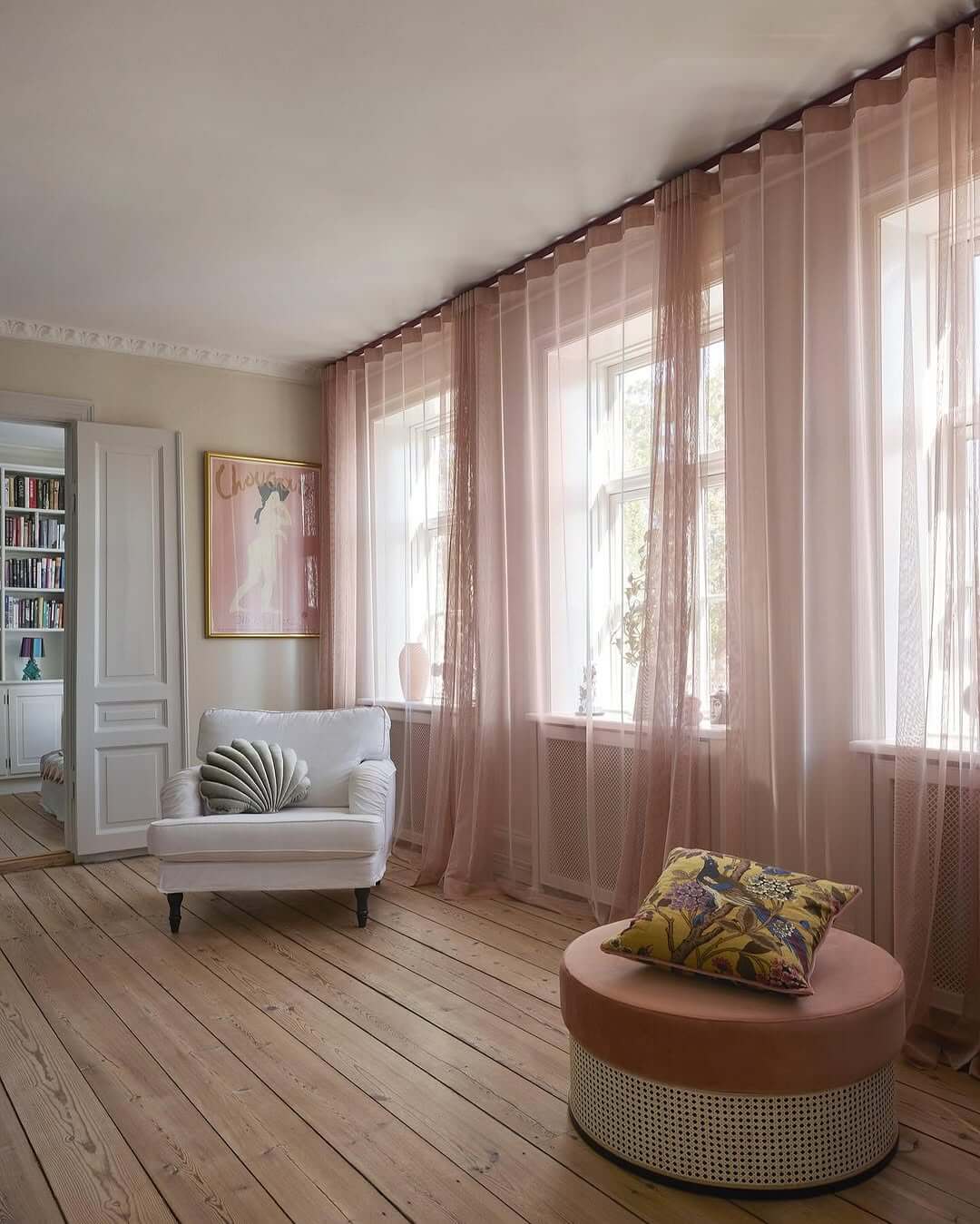
You don’t need to bring every 2027 window treatment direction into your home.
And you definitely don’t need custom drapery on every window.
Start with proportion.
Give curtains enough fabric to look full.
Choose a color or material that feels connected to the room.
Layer treatments when both layers have a purpose.
Pay attention to where the rod sits.
Get the length right.
And don’t force long curtains onto a window that would work better with a shade.
Most of all, look at the window you already have before buying the treatment you think you’re supposed to have.
Go back to that first photograph.
What bothers you?
Too flat?
Too short?
Too narrow?
Too cold?
Too disconnected from everything around it?
Fix that first.
Because the goal isn’t having the trendiest windows in 2027.
It’s walking into your room and no longer feeling like the windows were the part you forgot to finish.
Also read: