Stunning Romantic Bedroom Ideas You’ll Want to Copy Tonight
A romantic bedroom doesn’t need rose petals scattered across the bed or red satin sheets waiting for date night.
I’ve found that the best romantic bedroom ideas are usually much quieter than that. The lighting is softer, the bed makes you want to crawl in, and the room feels like a little escape from everything waiting outside the door.
Better yet, you don’t need a full makeover or a cart full of new decor to get there.
When I’m trying to change the mood of a bedroom, I look at how the space feels before I think about what it needs. Is the overhead light too harsh? Does the bed look flat? Is the nightstand buried under chargers and everyday clutter? Does the room still feel warm and private after the sun goes down?
This guide walks through the parts of a bedroom that can change its mood the fastest, from lighting and bedding to curtains, texture, scent, privacy, and even the view from your pillow.
You can start tonight by moving a lamp, clearing the nightstand, folding a throw across the foot of the bed, or removing the one thing that keeps catching your eye when you’re lying down.
Before buying anything, take a good look around your bedroom.
We’re going to make what you already have work harder first.
Start With the Lighting Before You Buy Anything

Before changing your bedding, wall color, or furniture, turn off the overhead light tonight.
Now switch on the bedside lamps.
The difference can be surprisingly big.
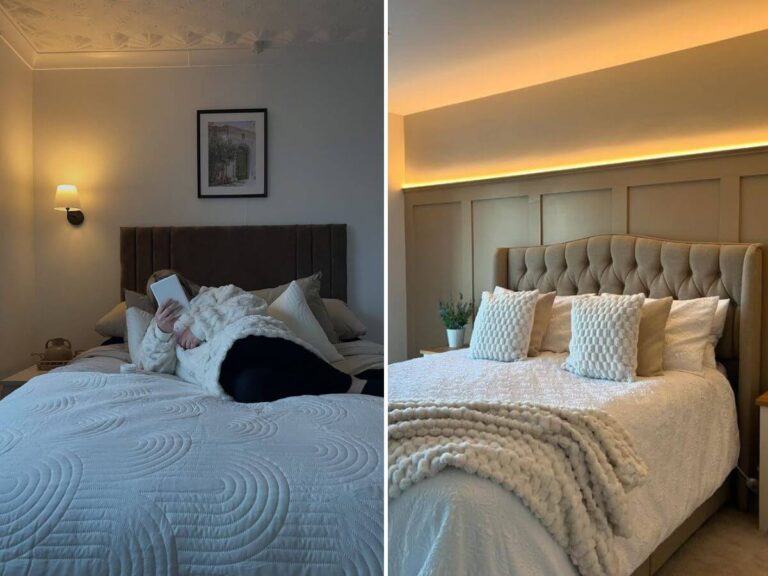
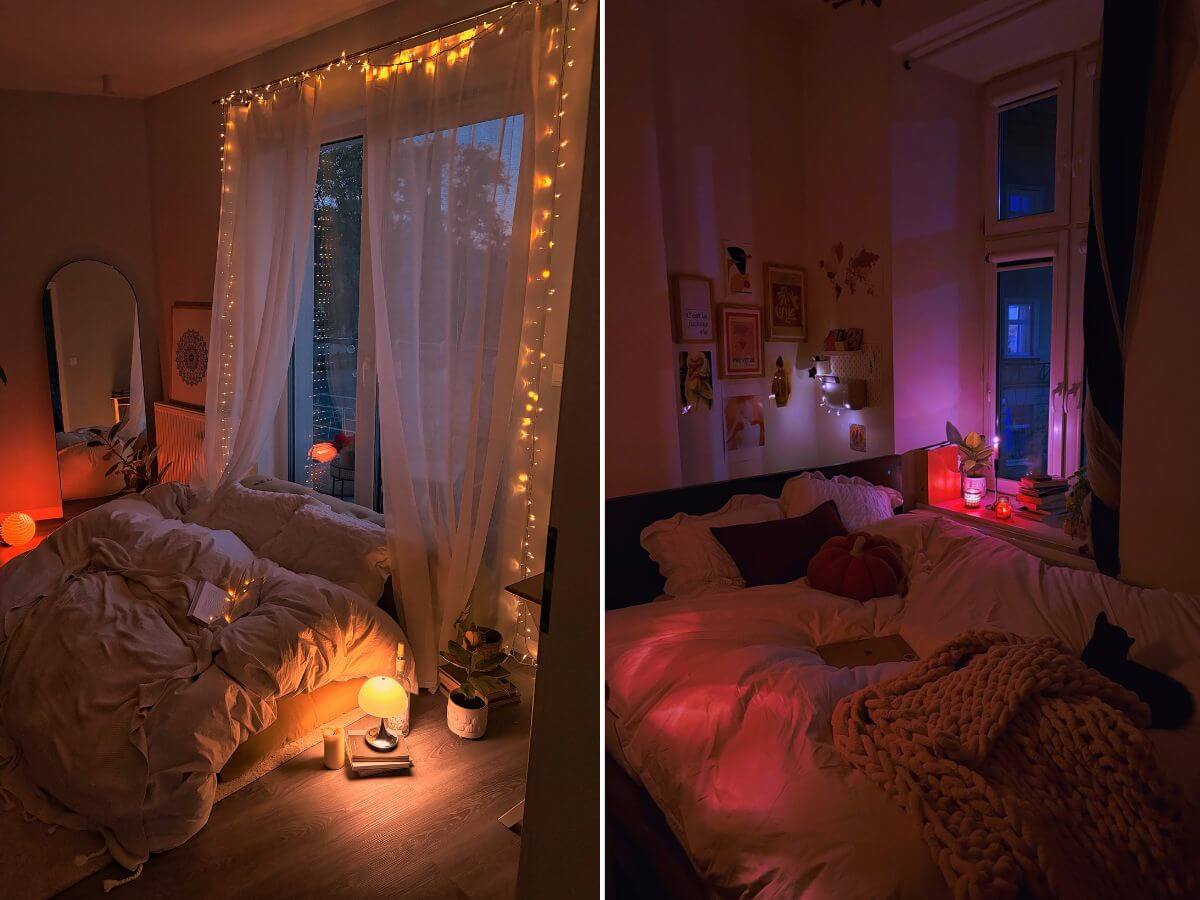
A bright ceiling fixture lights almost everything at once. For a romantic bedroom, I prefer smaller pools of light around the room. A bedside lamp on each side of the bed, a small lamp across the room, or a dim wall sconce can make evenings feel softer.
Pay attention to the bulbs too.
The Spruce recommends bedroom string lights between 2,700 and 3,000 Kelvins when you want a warm, cozy glow.
That gives you a useful number to check when you’re looking at bulb packaging instead of guessing from labels alone.
Try this before spending a dollar.
Turn off the brightest light in your bedroom and switch on every smaller lamp you already own. Sit on the bed for a minute and notice where the light lands.
If one lamp feels harsh, move it farther away. If a corner still feels gloomy, borrow a small lamp from another room for the evening and see whether that changes things.
I often start with lighting because it changes how everything else reads after dark. Bedding looks softer. Wood tones appear warmer. Corners that seem empty during the day can feel calm at night.
If your room already has soft evening light, leave it alone and move to the bed. There’s no reason to solve a problem you don’t have.
Make the Bed Look Like Somewhere You Want to Stay
You don’t need 11 pillows to make a bed feel romantic.
You need a bed that looks comfortable enough to climb into.
Start with neatly made sheets and your duvet or comforter. Fluff the sleeping pillows, then add one visible layer that breaks up the flat surface.
A quilt folded across the lower third works well. So does a soft throw placed loosely across one corner. Two larger decorative pillows can be enough if you prefer a cleaner look.
Stop before the bed becomes work.
If you have to remove a mountain of cushions every night, the styling probably isn’t doing much for you. I’d rather have a few beautiful layers that get used than a bed covered with things that live on the floor after 10 p.m.
Here is a quick trick you can try with bedding you already own.
Fold the duvet back near the pillows instead of pulling it completely flat. Then place a throw or lightweight blanket across the foot of the bed.
That creates depth without another shopping trip.
If your bed still feels unfinished, don’t buy more decor yet. Look at texture first.
Give the Bedroom Something You Want to Touch
A romantic room shouldn’t only look good from the doorway. It should feel good once you’re inside it.
Texture helps with that.
Architectural Digest quotes interior designer Amy Peltier saying, “Soft textiles like a quilted coverlet, a chunky knit throw, or linen drapes instantly add depth and warmth to the bedroom.”
You don’t need every texture at once.
Choose one material your bedroom is missing.
If most of your bedding is smooth cotton, try a chunky knit throw. If the bed already has plenty happening, linen-look curtains may give the room enough contrast. A single velvet pillow can also change the feel of a plain upholstered bed.
This is one place where a smaller bedroom can work in your favor.
Instead of filling limited floor space with more decor, let useful pieces carry the texture. Bedding, curtain panels, pillow covers, and rugs already have a job.
That keeps the room softer without making it feel crowded.
Once you have a few textures working together, color gets much easier to judge.
Choose Romantic Colors Without Turning Everything Red
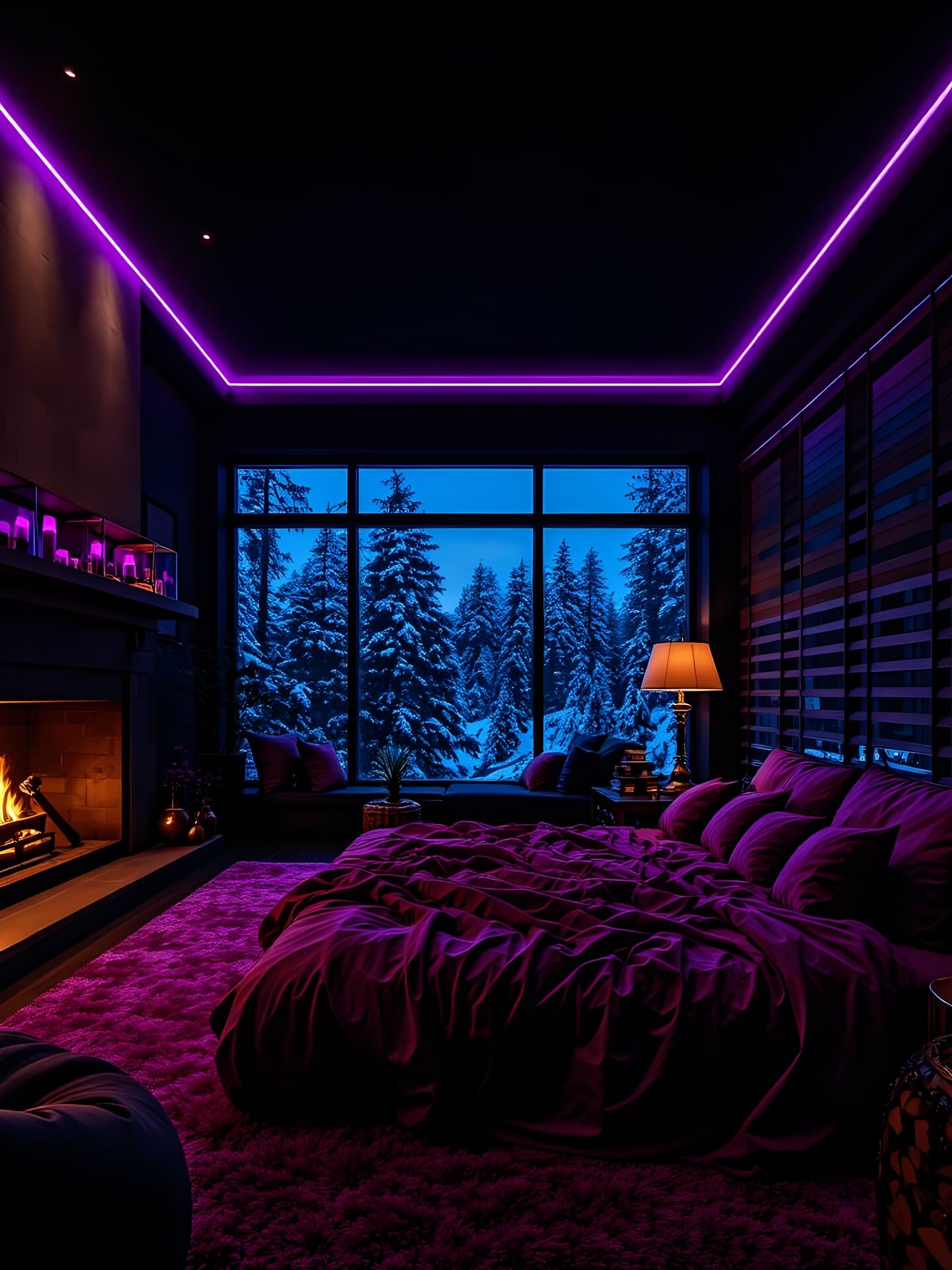
Romance isn’t a color.
That’s good news if red and pink aren’t your thing.
Cream with chocolate brown can feel warm and intimate. Dusty rose beside beige feels softer. Deep green with cream can make a bedroom feel cocooned. Muted plum works nicely when you want a moodier accent.
You don’t have to repaint the room to get there.
If the walls are white, beige, gray, or another quiet shade, let them stay in the background. Bring the deeper color into a throw, pillow covers, curtains, artwork, or a lampshade instead.
I like choosing one deeper shade and repeating it just enough that it looks intentional.
Picture cream bedding with a deep green throw. Bring that green back in one pillow or a small piece of art, then leave it there.
The room starts to feel connected without looking like everything came from the same set.
Renters can use the same approach. Let the pieces you can take with you carry most of the color.
If you’re torn between two shades, place both near the bed and look at them again after dark. Bedroom colors often feel different under lamps than they do in daylight.
Then move your attention to the few feet around the bed.
Fix the Area Around Your Bed
A beautiful bed loses some of its charm when the nightstand beside it is covered with receipts, tangled chargers, half-empty water bottles, and yesterday’s coffee mug.
You don’t need an empty nightstand.
You need one that feels calm enough to use.
Take everything off and put back only what you reach for or enjoy seeing.
That may be a lamp, your current book, a small dish, water, and one personal object.
Then deal with whatever remains.
Run charging cables behind the table if you can. Put small necessities in a drawer, basket, or box rather than lining them across the surface. Move paperwork back to wherever you normally handle it.
Try a 10-minute reset tonight.
Clear both sides of the bed, wipe the surfaces, hide the loose cords, return the lamps, then add back one thing that makes the space feel like yours.
If you share the bedroom, give each side enough breathing room to work for the person using it. Matching nightstands aren’t required.
What matters more is that neither side feels like a dumping ground.
Once the area around the bed feels calmer, privacy becomes much easier to notice.
Make the Bedroom Feel More Private
A bedroom can look beautiful and still fail to feel romantic if you feel exposed to the street, neighboring windows, or the rest of the home.
Start at the windows.
A sheer panel can soften daylight, while a more opaque curtain or shade can help once you want privacy.
If you rent, look at window treatments that don’t ask you to make a major change to the wall. Tension rods, no-drill brackets, and removable hardware can be useful in spaces where you can’t make permanent changes.
Then look beyond the window.
Can you see a work desk from bed? Is the laundry hamper sitting directly in your sightline? Does the open door reveal a busy hallway?
Normal life doesn’t have to disappear.
Try creating one visually quieter zone around the bed.
Close the curtain. Clear the chair. Tidy the nightstand. Lower the lights.
Sometimes that is enough to make the sleeping area feel separated from everything else happening in the house.
While you’re standing near the window, check where the curtain rod sits too.
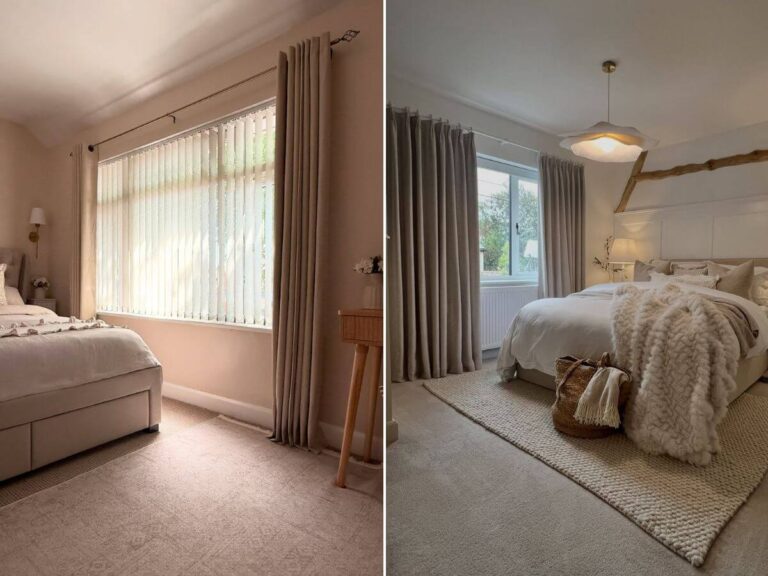
Hang the Curtains Higher
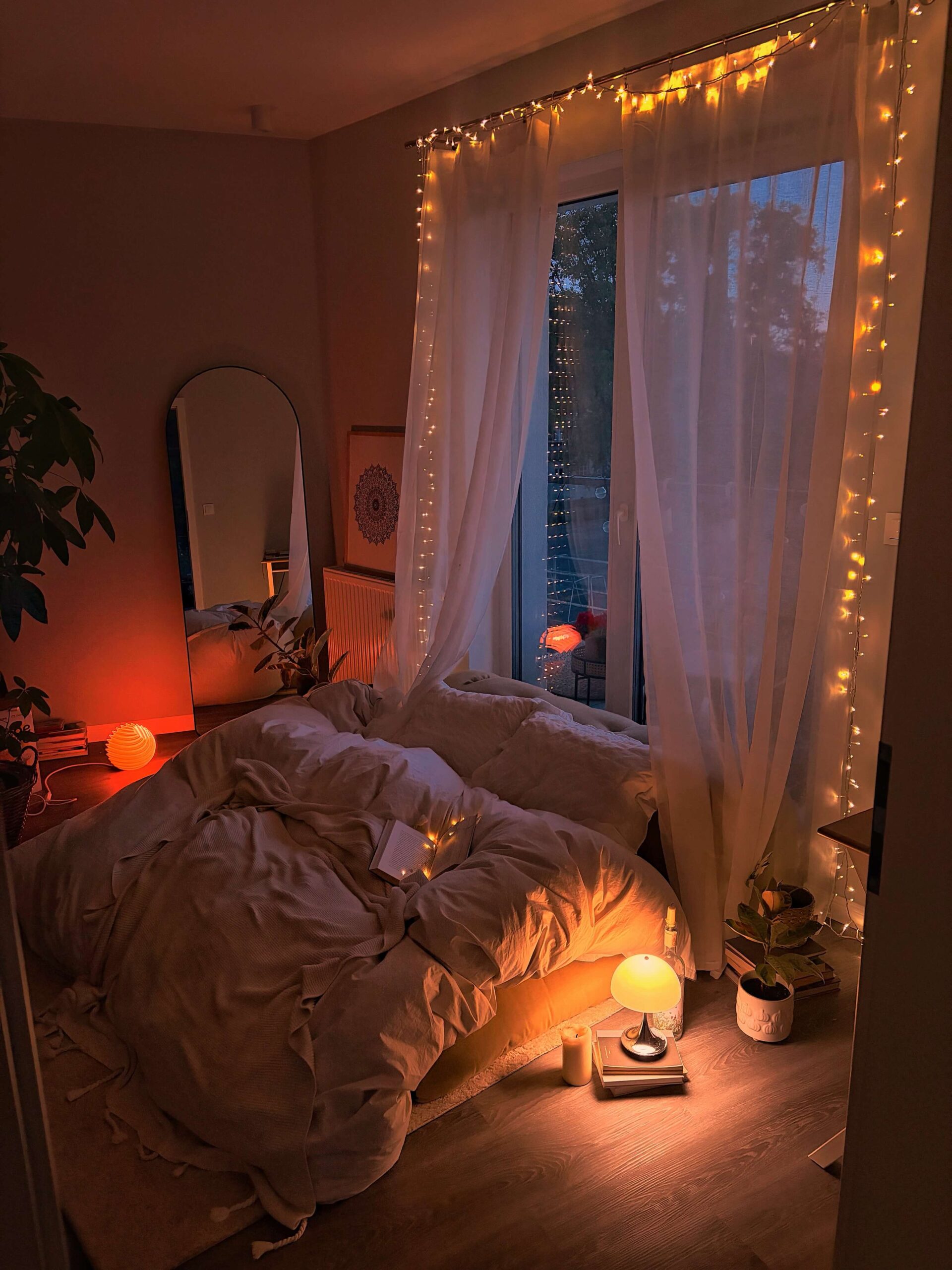
Curtain placement can change the proportions of a bedroom without asking you to replace the bed, dresser, or flooring.
If the rod sits directly against the top of the window frame, look at the wall above it.
Homes & Gardens shares advice from the designers at Interior Fox to hang curtains higher than the window, which can visually elongate the window while making use of natural light.
Before moving the rod, measure the full drop.
You want to know where the fabric will end once it moves upward. Floor-length curtains can look polished, but panels that suddenly stop several inches above the floor may give you a result you weren’t expecting.
If you’re buying curtains, measure before you fall in love with a pattern.
Width matters too.
Panels that barely cover the glass can look skimpy once closed. If your current curtains feel a little lost on the wall, check whether the problem is fullness rather than color.
In a small bedroom, curtain placement can be especially helpful because you’re working with the wall rather than squeezing another piece of furniture onto the floor.
Now look down.
Put Something Soft Underfoot
A bedroom can look warm in a photo and still feel cold when you step out of bed.
A rug changes that physical experience.
If you have hard flooring, try placing the rug so your feet land on something soft in the morning. It doesn’t have to cover the entire bedroom.
A larger rug partly beneath the bed can help define the sleeping area. Two smaller bedside rugs may make more sense when the room is tight or the budget is smaller.
Already have carpet?
You can leave it alone unless you want more texture or pattern. Spend the money somewhere the room needs more help.
One mistake I’d avoid is choosing a rug based only on how large it looks in a styled product photo.
Measure the floor.
Then mark the proposed corners with painter’s tape, spare sheets of paper, or a few small objects. Stand in the doorway and look at the footprint before ordering.
Do the same from the bed.
A rug that looks right from the doorway can feel completely different once you see how much of it disappears beneath the mattress.
Once the floor feels settled, use the walls with more intention.
Use Mirrors With a Purpose
A mirror doesn’t need to fill an empty wall simply because the wall is there.
Think about what it will reflect.
Stand where you’re considering placing it and look in the opposite direction.
Is there a lamp, artwork, window, or part of the bed worth seeing twice?
Great.
Will the mirror reflect the laundry basket, an open bathroom door, television cables, or a cluttered dresser?
Try another position.
I like mirrors most when they catch one of the softer light sources at night. That can make the room feel warmer without adding another lamp.
A leaning mirror can work when wall mounting isn’t an option, as long as it’s placed securely. A smaller mirror above a dresser can work too when you want something quieter.
The point isn’t to add a mirror.
It’s to make the reflection earn its place.
Once the visual side of the room feels calmer, scent is worth thinking about.
Make the Room Smell as Good as It Looks
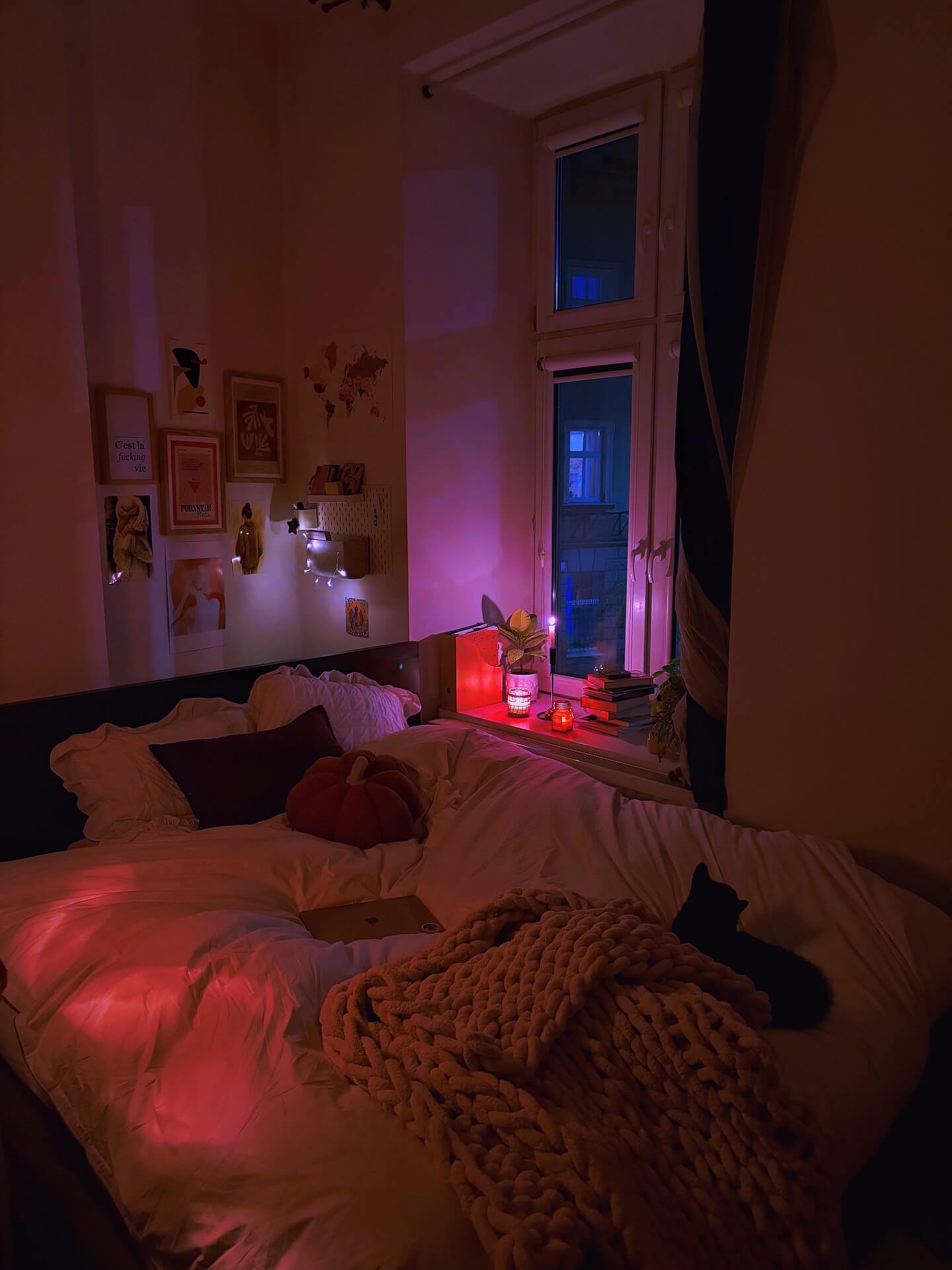
A bedroom scent should sit quietly in the background.
Choose one direction rather than mixing several.
Maybe you like clean linen. Maybe it’s sandalwood, vanilla, rose, lavender, or something woody.
What I wouldn’t do is burn one scented candle, spray a different fragrance over the bedding, and run another scent from a diffuser.
The room doesn’t need to smell like the fragrance aisle.
You may not need added fragrance at all.
Wash the bedding. Empty the hamper. Open the window when conditions allow. Let the room air out.
Fresh sheets and clean air can do plenty on their own.
If you use a candle, keep it away from bedding, curtains, and anything that can catch fire. Never leave a burning candle unattended. Flameless candles can give you a softer evening glow without an open flame.
If you use diffusers, sprays, or other scented products, follow the directions on the packaging and keep the people and pets in your household in mind.
Then look at the room again.
You may notice that the thing bothering you isn’t the scent, bedding, or color.
It may simply be clutter.
Remove the Things Quietly Ruining the Mood
Look around your bedroom as though you’re seeing it in a photograph for the first time.
What grabs your attention?
Maybe it’s the shipping box beside the dresser.
Maybe it’s six bottles on the nightstand, a laundry pile on the chair, cables hanging from the wall, or a work laptop still open beside the bed.
None of that means you’re doing anything wrong.
It means you live there.
The goal isn’t a spotless room. It’s deciding which things deserve to stay visible.
Give yourself 15 minutes.
Put away the clothes. Break down the box. Coil the loose cables. Clear the dresser. Move work papers somewhere else. Empty the trash.
If the bedroom doubles as your office, create an end-of-work signal.
Close the laptop. Put papers into one container. Tuck the chair back in. Turn off the desk lamp.
Your bedroom can’t stop being a multipurpose room, but it can stop looking like your workday never ended.
If storage is tight, look at the spaces you aren’t using. Under-bed bins, a narrow basket, wall hooks, or a lidded box can hide everyday items without taking over the room.
Once the obvious clutter is gone, areas you ignored before start standing out.
Including the ceiling.
Don’t Forget the Ceiling
Lie on the bed and look up.
You spend more time facing the ceiling in a bedroom than you probably realize.
You don’t need wallpaper or an ornate fixture to make that view better.
Start with the ceiling light.
Does it feel too bright? Too bulky? Does it become the first thing you notice when you lie down?
If you can’t replace it, use the bedside lights more often at night and let the ceiling fixture stay off.
A painted ceiling can create a different mood, but I’d test smaller changes first. Lighting, bedding, curtains, and clutter are easier to change if you decide you don’t like the result.
While you’re already lying down, stay there for the next test.
Create One Beautiful View From the Bed
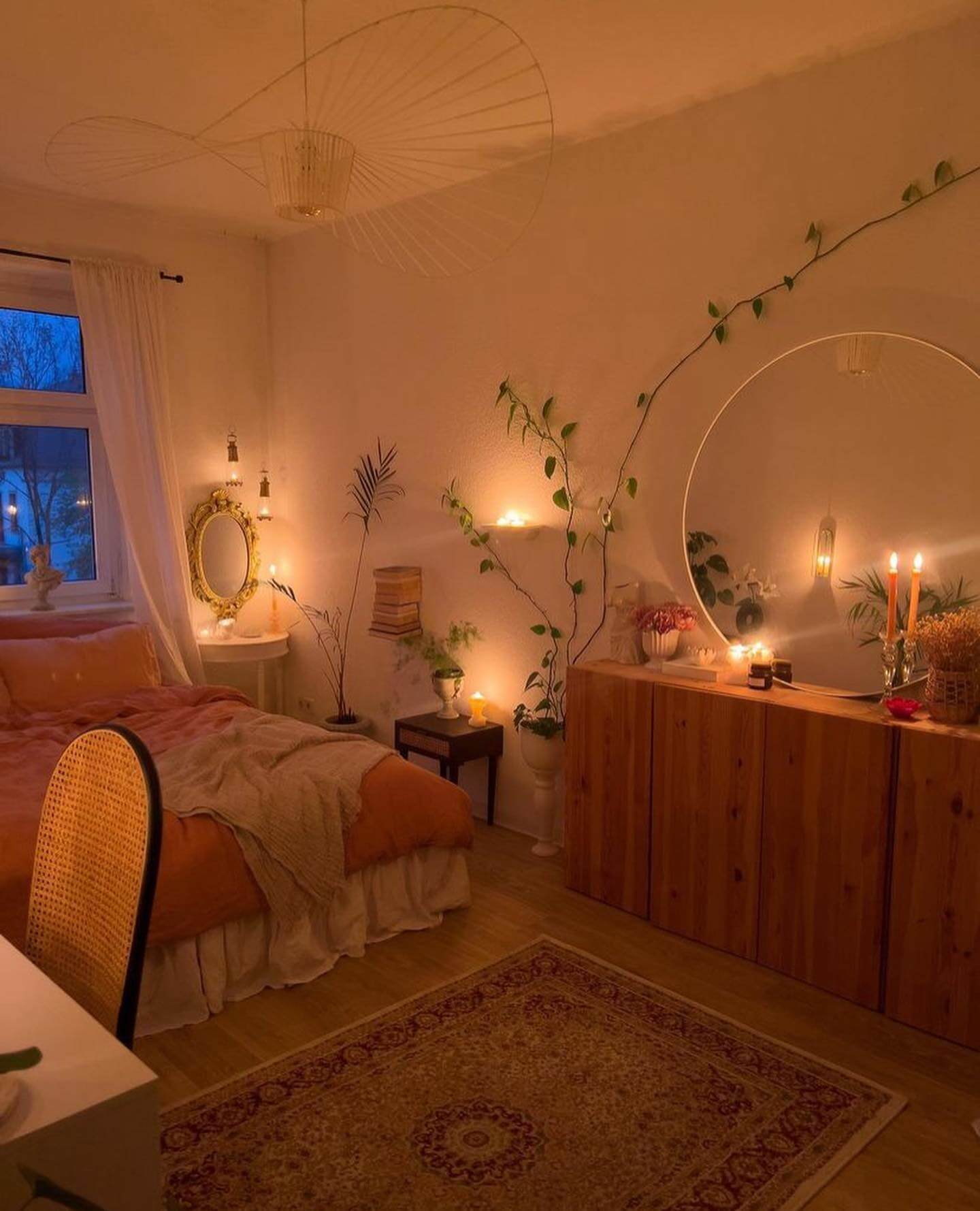
This may be my favorite bedroom check because it changes where you put your attention.
Stop judging the room from the doorway.
Get into bed.
Look straight ahead.
What do you see?
If it’s a blank wall, overloaded dresser, television cables, or the back of a door covered in clothes, you’ve found an area worth fixing.
You don’t need to decorate every wall.
Work on the view you actually see while resting.
Hang one piece of art you love. Clear the dresser. Move a plant into view. Arrange the curtains so they frame the window more cleanly.
I think of this as the bed-view test.
It keeps you from spending all your energy decorating for someone walking into the room while forgetting the person who actually sleeps there.
For a smaller bedroom, this can be especially helpful. One good sightline can make the room feel calmer even when there isn’t much space to work with.
Once that view feels better, add something with a little life if it suits you.
Bring Flowers or Greenery Into the Bedroom
Fresh flowers can change a nightstand with very little effort.
They don’t need to be a huge bouquet.
A few stems in a small glass or ceramic vase may suit the room better.
Branches can work too if your bedroom leans earthy or understated.
If you like houseplants, choose one for the spot you actually have rather than buying it because it looked beautiful in someone else’s bedroom.
No interest in caring for a plant?
Skip it.
A romantic bedroom shouldn’t create chores you resent.
Fresh flowers once in a while, a little greenery, or dried stems may fit your routine better.
You can also use this part of the room to bring in something far more personal.
Make Your Romantic Bedroom Personal, Not Pinterest-Perfect
Pinterest can spark an idea.
Your own life should finish the room.
A bedroom feels more intimate when something inside it has a story attached to it.
Maybe it’s a framed photograph from a trip. A small painting you bought together. A book you both remember. A ceramic piece you brought home from somewhere special. A handwritten note placed inside a frame.
You don’t need to display your whole history.
Choose one or two pieces that actually mean something.
I’d rather see one photograph that makes you smile than five decorative objects bought only because they matched the bedding.
If you share the bedroom, this is also where both people can show up.
One person may love soft neutrals while the other prefers darker shades. You don’t have to choose one personality for the whole room.
Keep the larger pieces quiet, then let artwork, textiles, books, photographs, and smaller objects carry more individuality.
A romantic bedroom should still feel like it belongs to the people sleeping there.
Create a Little Place for Two
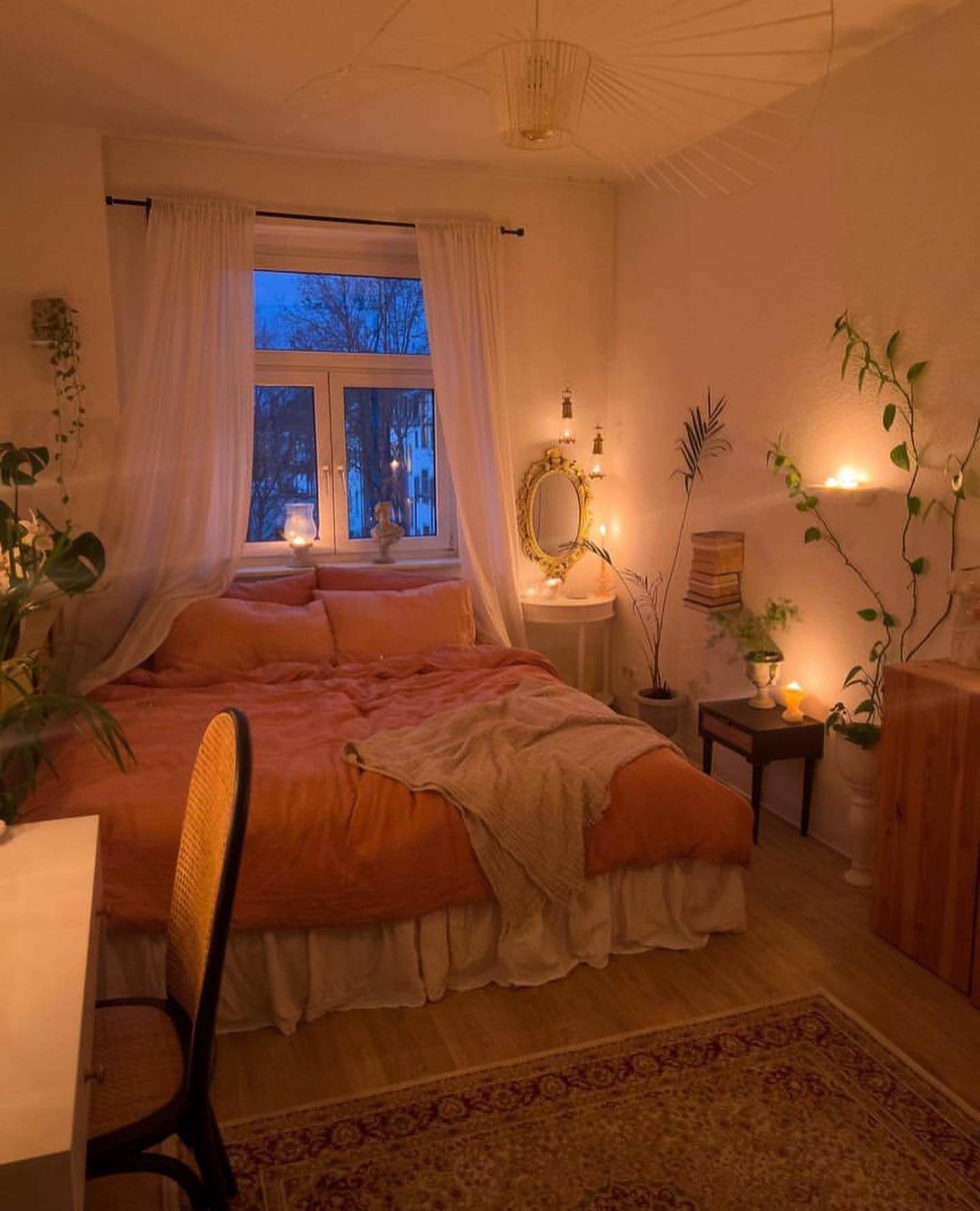
If you have an unused corner, ask what could happen there.
Not what you could display there.
What could you actually do there?
A chair beside a tiny table could become the spot where you drink coffee on Sunday morning. A bench at the foot of the bed might become somewhere to sit and talk before getting ready.
If the bedroom is small, don’t force another piece of furniture into it.
Your place for two may simply be the bed with the phones put away and the lights lowered.
That counts.
The point is to let the bedroom hold a few quiet moments rather than treating it only as somewhere to sleep and store clothes.
You can reinforce that feeling with a short habit before bed.
Borrow the Hotel Habit Before Bed
Think about the feeling of returning to a hotel room at night.
The room feels ready for you.
You can recreate a little of that at home without buying anything.
Pull back the bedding. Put away the clothes you changed out of. Clear the glasses or mugs. Close the curtains. Switch off the overhead light. Put water beside the bed.
Move your phone and work items away from the pillows if that suits your routine.
You haven’t redecorated anything, but the bedroom suddenly feels ready for the night.
That’s why I like this habit so much. It keeps romantic bedroom decor from becoming something you arrange once and then forget.
The mood comes partly from how you prepare and use the room.
If you decide to spend a little money next, be selective.
If You Have $50, Don’t Scatter It Across the Room
A small decorating budget can disappear fast when you spread it across six little purchases.
A candle here. A tray there. Another pillow. A tiny vase.
Then the money is gone and the bedroom looks almost the same.
Instead, identify the weakest part of the room.
If the lighting is harsh, start there.
If the bed looks flat, look for a throw, pillow covers, or one useful layer.
If the windows feel bare, put the money toward curtains.
If the floor is the problem, you may be happier saving the $50 and waiting until you can buy the rug size the room actually needs.
Here is the rule I’d use.
Spend where the change will affect the largest part of the room or something you interact with every day.
A lamp you switch on nightly can make more sense than three small decorative objects. Bedding you touch every evening may deserve the money before another framed print.
And if you don’t want to spend anything, you can still make the bedroom feel different tonight.
Try My 30-Minute Romantic Bedroom Reset Tonight
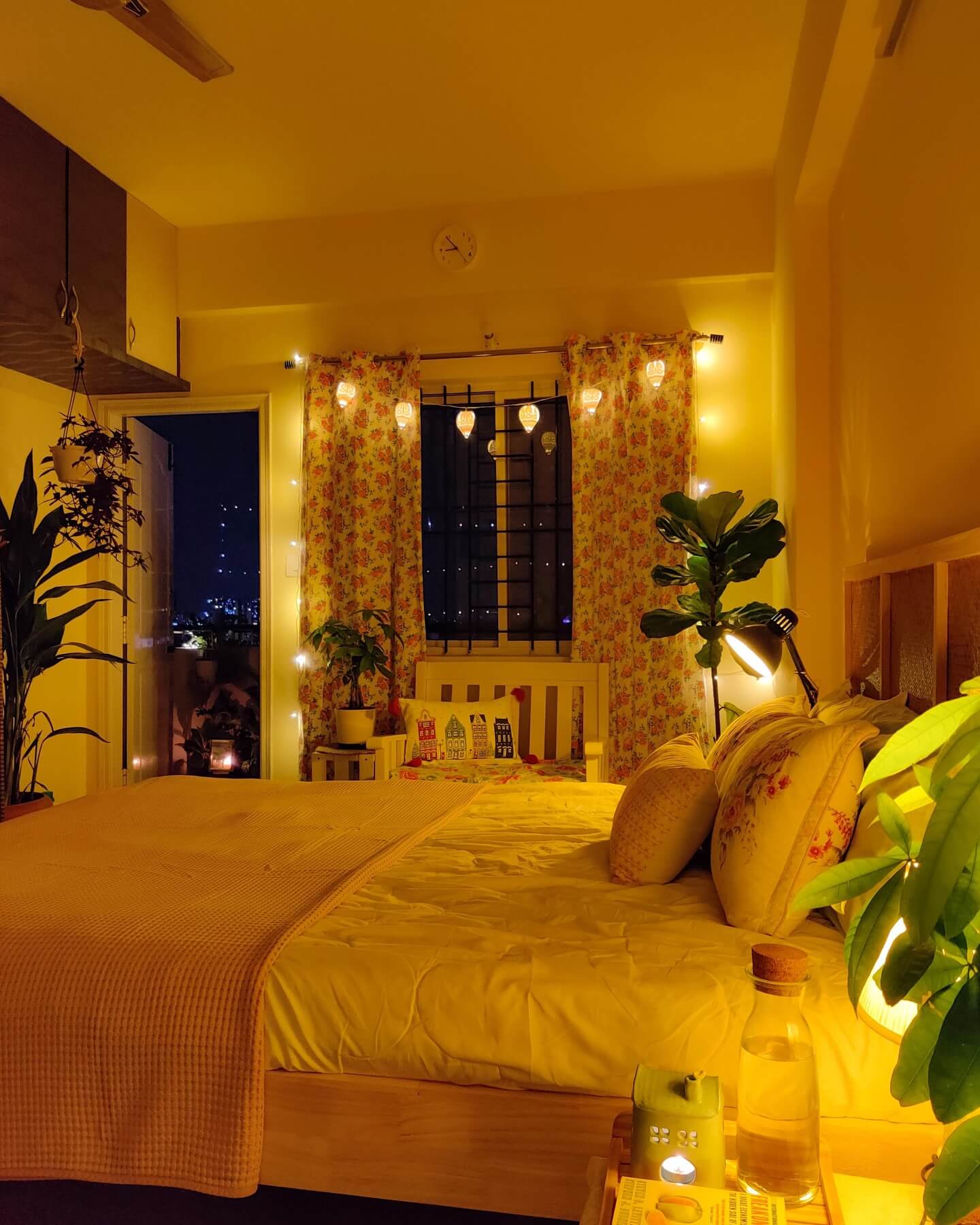
Set a timer for 30 minutes and begin with whatever you can see from the bed.
Put away clothes and remove anything that belongs in another room. Clear the nightstands and make the bed.
Then turn off the overhead light.
Switch on the smaller lamps and look at where the room still feels harsh or gloomy.
Pull the curtains into place. Fold a throw across the bed. Fluff the pillows. Add one personal object to the nightstand or dresser.
Freshen the room.
Then get into bed.
Yes, actually get in.
Look around from that position and find the one thing that still interrupts the mood.
Fix that last.
Straighten the curtain. Move the basket. Turn the lamp. Remove something from the dresser.
Then stop.
The point of this reset isn’t to finish the room.
It’s to help you see which changes make the biggest difference before you spend money on anything else.
A Romantic Bedroom Should Still Feel Like Yours
The romantic bedroom you’ll enjoy most probably won’t be the one that looks closest to somebody else’s Pinterest photo.
It will be the one that makes you want to close the door, lower the lights, and stay awhile.
Maybe yours ends up creamy and airy. Maybe it becomes dark green with linen curtains and heavier bedding. Maybe it’s a tiny apartment bedroom with two lamps, clean sheets, one meaningful photograph, and barely enough space for nightstands.
That’s fine.
Start with the part of the bedroom that bothers you most.
Change the lighting if it feels harsh. Make the bed more inviting if it looks flat. Clear what you don’t want to see. Add one softer texture. Fix the view from your pillow.
Then live with those changes for a few nights before deciding what the room needs next.
You may discover that romance had much less to do with buying decor than you expected.
Sometimes the room feels right because the light is low, the clutter is gone, the sheets are fresh, and everything you can see from bed makes you want to stay there a little longer.
Also read:
2027 Bedroom Trends That Will Make Your Room Look Expensive
Best Color Options for a Bedroom According to Science and Experts